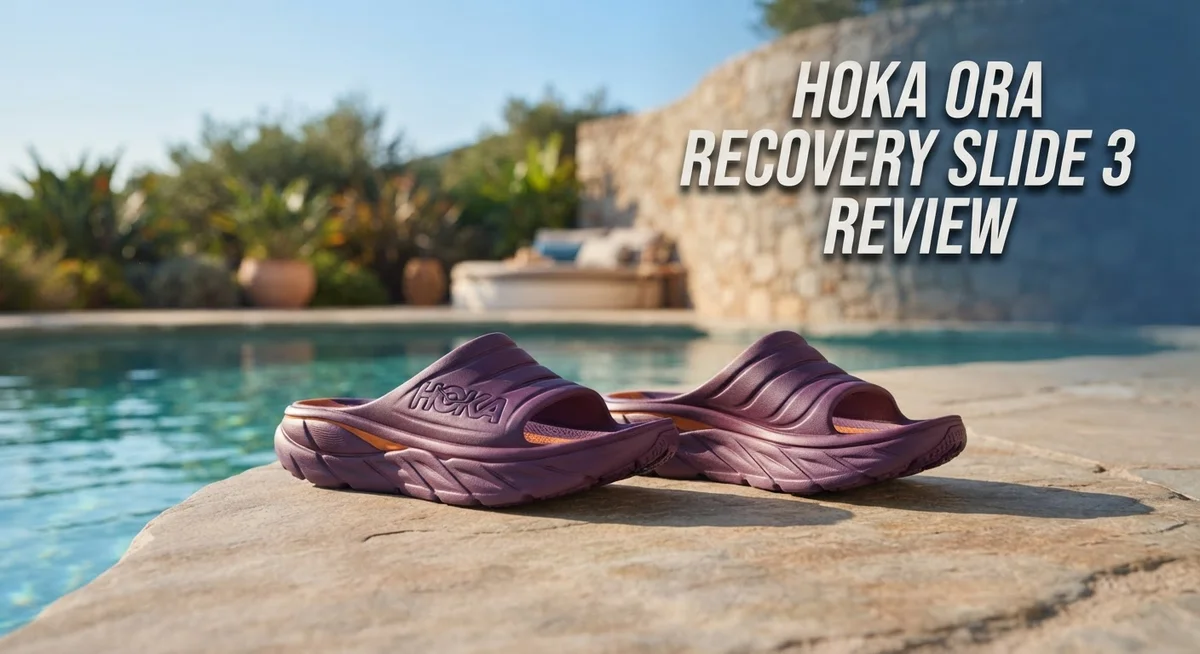
HOKA ORA Recovery Slide 3 Review: Arch Support & Cushioning
Your feet work hard every day. They deserve real recovery, not just a soft pillow to slide into.
The Hoka Ora Recovery Slide 3 offers exactly that. It gives your feet firm support and gentle relief at the same time.
This slide stands out from typical recovery sandals. It has a contoured footbed that hugs your arch and heel. This helps reduce pressure points after a long run or a busy day on your feet.
Many recovery slides feel too soft and squishy. The Ora Recovery Slide 3 takes a different path. It offers firmer cushioning that still feels comfortable.
If you deal with foot pain or plantar fasciitis, this slide might help. It also works well for anyone who wants better traction and breathability.
Let’s look closer at what makes this slide worth considering for your recovery routine.
In a Nutshell
Here’s what you need to know about the Hoka Ora Recovery Slide 3 before you buy:
-
Firmer support system: This slide uses a firmer material than most competitors like Oofos. It gives your feet real structure instead of sinking too deep.
-
Breathable design: Four air flow channels keep your feet cool. Sweaty feet won’t be an issue during recovery sessions.
-
Smart pressure relief: The footbed contours to your foot shape. It targets your heel and arch to ease tension where you need it most.
-
Traction you can trust: The outsole grips well on various surfaces. You can move around confidently without slipping.
-
Fits everyone: This is a unisex design. Both men and women can find their perfect size easily.
-
Something to consider: Long term durability data is still limited. If you love ultra soft slides, this firmer feel might take some getting used to.
Overall, this slide works best for people who want targeted support over cloud-like softness.
Design and Cushioning Technology
The design of the Hoka Ora Recovery Slide 3 centers on one core idea: your feet need real support during recovery. Unlike typical recovery sandals that prioritize softness, this slide builds its structure around genuine arch support and pressure relief.
The footbed uses an expertly contoured shape. This means the surface matches your foot’s natural curves rather than sitting flat. Your heel, arch, and forefoot each get targeted support. This design choice reduces pressure points that often cause discomfort after a long day.
The cushioning material itself deserves attention. Hoka chose a firmer compound compared to what you’ll find in most recovery shoes. This isn’t a drawback for everyone. People with plantar fasciitis or those seeking stability during recovery actually prefer this approach. The firmness keeps your foot stable while still absorbing impact.
Breathability matters when you’re wearing slides regularly. The design includes four air-flow channels built into the footbed. These channels let air move through the shoe, keeping your feet dry and cool. You won’t experience that trapped, sweaty feeling you get with solid footbeds.
The outsole shows smart engineering too. The non-slip design grips various surfaces without feeling clunky. You can walk on wet bathroom tiles or kitchen floors safely. The traction stays consistent across different environments.
Weight is another design consideration. The Hoka Ora Recovery Slide 3 stays lightweight despite its supportive structure. You won’t feel like you’re wearing heavy sandals. This matters when you’re recovering and want minimal strain on your feet.
The unisex sizing means both men and women can find their fit. The design doesn’t assume different recovery needs based on gender. Everyone gets access to the same support technology.
One design limitation exists: long-term durability information remains limited. We know the current materials perform well, but how they age after months of daily use needs more real-world testing.
The overall design philosophy is clear: recovery shoes don’t need to feel like walking on clouds. Sometimes structured support and smart engineering matter more than ultra-soft materials.

- Ventilated air flow channels
- Dual density geometry
Last update on 2026-10-24 / Affiliate links / Images from Amazon Product Advertising API
Arch Support and Pressure Relief
The arch support in the Hoka Ora Recovery Slide 3 goes beyond what many recovery slides offer. The expertly contoured footbed actively supports your arch rather than just cradling it passively. This design matters because your arch carries significant load during daily activities.
The pressure relief system works through strategic cushioning placement. The footbed targets specific pressure points, especially at your heel and arch area. When you stand or walk in these slides, the material distributes your weight more evenly across your foot.
Plantar fasciitis sufferers often report noticeable relief when wearing this slide. The firmer support base prevents excessive foot flattening, which can aggravate fascia tension. Unlike ultra-soft competitors, this slide maintains structural integrity throughout the day.
The low-profile cushion bed plays a key role here. It sits closer to your foot than bulky alternatives, giving you better ground contact and stability. This proximity actually enhances arch support rather than reducing it. Your foot doesn’t sink excessively into the material, which means your arch stays properly aligned.
The contoured design also reduces strain on surrounding muscles. When your arch gets proper support, your calf, heel, and foot muscles experience less tension. This relief extends beyond just the arch itself.
One important distinction: this slide provides firm support, not soft comfort. If you prefer ultra-plush recovery shoes, the Hoka Ora Recovery Slide 3 might feel different initially. However, many people find that firmer support actually works better for arch-related issues.
The air-flow channels don’t directly affect arch support, but they do prevent moisture buildup. Dry feet mean better grip inside the slide, which keeps your arch properly positioned. This indirect benefit shouldn’t be overlooked.
For people dealing with foot pain, plantar fasciitis, or general arch fatigue, this slide delivers targeted relief. The combination of contoured design and firm material creates a support system that actively works for your feet. Recovery becomes more than just rest—it becomes active foot care.
Fit, Comfort, and Breathability
When you slip on the Hoka Ora Recovery Slide 3, the first thing you notice is how the footbed wraps around your foot. The contoured design fits snugly without feeling restrictive. Your arch gets support exactly where you need it most.
The fit works for both men and women thanks to the unisex sizing. You’re not squeezing into a shoe designed for one gender. Instead, the slide adapts to your foot’s natural shape. This matters because recovery shoes spend hours on your feet each day.
Comfort goes deeper than just softness here. The Hoka Ora Recovery Slide 3 uses a firmer cushioning material than many competitors. This firmness actually helps your feet. It prevents excessive sinking and provides stable support during healing. If you love ultra-soft slides, this one might feel different at first. But the firm support quickly proves its value for sore or recovering feet.
Pressure points disappear with the expertly contoured footbed. Your heel sits in a shaped cup that cradles it properly. Your arch receives targeted cushioning. These design choices reduce strain on muscles and joints throughout your foot.
Breathability keeps your feet fresh during extended wear. Four air-flow channels run through the slide design. These channels let air circulate around your foot. Moisture doesn’t get trapped, which prevents discomfort and odor buildup. This feature matters if you wear recovery slides multiple times daily or in warm climates.
The lightweight construction adds to comfort too. You’re not dragging heavy material around. The non-slip design means your foot stays put on the footbed. There’s no sliding around inside the shoe, which reduces friction and blisters.
One thing to remember: this slide prioritizes support over cloud-like softness. Your foot lands on a surface that holds its shape. This creates stability rather than the sinking feeling of ultra-plush alternatives. For people with plantar fasciitis or general foot fatigue, this approach works better. Your foot gets the support it needs to actually recover.
Top 3 Alternatives
OOFOS OOahh Slide

- The Original Recovery Footwear.
- Finding Your Size - For your perfect fit, consult the “size chart” link above. Wear a half size...
Last update on 2026-10-24 / Affiliate links / Images from Amazon Product Advertising API
The OOFOS OOahh Slide stands out for its cushioning technology. This slide uses a proprietary foam that absorbs impact and reduces stress on your feet. Many people find the material soft and responsive, making it ideal for post-workout recovery.
The design includes a contoured footbed that supports your arch. This feature helps distribute your weight evenly across your foot. The slide also has a roomy toe box, so your toes don’t feel cramped. The strap sits comfortably around your heel without digging in.
Adidas Adilette Recovery Slide

- adidas Unisex-Adult Adissage

Last update on 2026-10-24 / Affiliate links / Images from Amazon Product Advertising API
Adidas brings its athletic expertise to recovery footwear with the Adilette Recovery Slide. This option features cloud foam technology that provides excellent cushioning for tired feet. The foam adapts to your foot shape over time, creating a personalized fit.
The slide includes a textured footbed that improves grip and stability. The strap design is minimalist but effective, keeping your foot secure without extra bulk. The material dries quickly, which is helpful if you wear these slides after water activities.
New Balance Recovery Slide

- Fresh Foam midsole foam cushioning with approximately 3% bio-based content is precision engineered...
- Lightweight injection-molded EVA foam midsole provides lightweight cushioning
Last update on 2026-10-24 / Affiliate links / Images from Amazon Product Advertising API
New Balance’s Recovery Slide focuses on comfort and support. The shoe uses soft foam construction throughout the footbed and midsole. This creates a plush feel that many users appreciate after intense workouts.
The slide features a contoured insole that aligns with your foot’s natural shape. The heel cup provides stability and prevents your foot from rolling inward or outward. The strap is adjustable, allowing you to customize the fit to your preference. The overall design is lightweight, making it easy to slip on and off quickly.
Traction and Durability Considerations
The outsole of the Hoka Ora Recovery Slide 3 shows real attention to grip performance. The non-slip design keeps your foot secure on wet bathroom tiles, gym floors, and slippery surfaces. This matters because recovery slides often get worn in damp environments where traction becomes critical.
The material composition plays a direct role in how well this slide performs underfoot. Unlike softer recovery options, the firmer outsole resists wear patterns that develop from repetitive use. You won’t see the same breakdown you might find in ultra-soft competitors after several months of daily wear.
Durability presents an interesting question here. Most recovery slide manufacturers don’t publish long-term wear data. The Hoka Ora Recovery Slide 3 follows this pattern. Real-world feedback suggests the outsole maintains its grip quality through regular use, but comprehensive longevity studies remain unavailable. This gap means you’re working with user reports rather than official durability guarantees.
The lightweight construction actually supports durability in an unexpected way. Less material means fewer components to fail or degrade. The design philosophy keeps things simple, which typically extends product lifespan compared to heavily engineered alternatives.
Breathability ties directly to durability too. The four air-flow channels prevent moisture accumulation inside the shoe. Excess moisture accelerates material breakdown and creates conditions for mold or mildew. Better airflow means your recovery slide stays fresher longer and resists the degradation that comes from trapped dampness.
Compared to the Oofos Ooaah, the Hoka Ora Recovery Slide 3 uses firmer materials throughout. This firmness generally correlates with better durability. Softer materials compress more easily and show visible wear faster. The trade-off is that some users prefer that softer feel, even if it means replacing their slides sooner.
The contoured footbed design also influences durability. Strategic cushioning placement means pressure distributes evenly across your foot. This even distribution prevents concentrated wear spots that would otherwise break down quickly. You get consistent performance across the entire outsole rather than premature deterioration in high-impact zones.
How It Compares to Competitors
The Hoka Ora Recovery Slide 3 stands out when you place it next to other recovery slides on the market. Let’s explore what makes it different.
Firmness versus softness defines the first major split. The Oofos Ooaah leans into ultra-soft cushioning that feels like walking on clouds. The Hoka Ora Recovery Slide 3 takes the opposite approach. It delivers firm support with strategic cushioning instead. This matters because firm slides work better for arch support and plantar fasciitis relief.
Crocs Mellow Recovery Slides offer a middle ground between the two. They provide basic cushioning without the contoured footbed that the Hoka delivers. Your arch gets less targeted support with Crocs. The Hoka’s expertly contoured design reduces pressure points in ways the Crocs simply cannot match.
When you look at premium options like Topo Athletic Revive, you’re entering a different category altogether. Topo focuses on athletic recovery with added features. However, the Hoka achieves similar arch support at a more accessible level. Brooks Ghost Max follows a similar premium positioning.
Breathability separates the Hoka from most competitors too. The four air-flow channels prevent moisture buildup during extended wear. Many recovery slides lack this ventilation feature entirely. Your feet stay fresher and drier with the Hoka design.
Traction performance gives the Hoka another edge. The non-slip outsole grips better than standard recovery slides. This matters when you’re moving around wet surfaces or tile floors at home.
RELIEFF Recovery Toe-Post Sandals take a completely different design approach. They feature a toe post for stability. The Hoka uses a traditional slide format without the toe post. Your choice depends on whether you want that extra toe grip or prefer the freedom of a slide.
The real distinction boils down to this: the Hoka Ora Recovery Slide 3 prioritizes support and function over pure softness. If you want maximum cushioning, the Oofos wins. If you want targeted relief for foot pain and arch fatigue, the Hoka delivers better results. Most competitors fall somewhere in between without matching the Hoka’s contoured footbed technology.
Pros and Cons
Pros
- Arch support stands out for people dealing with plantar fasciitis and foot pain
- Contoured footbed removes pressure from your heel, arch, and ball of your foot
- Firmer cushioning gives you real support instead of mushy softness that collapses
- Four air-flow channels keep moisture away and your feet feeling fresh
- Non-slip outsole grips well on wet and dry surfaces
Cons
- Long-term durability data doesn’t exist yet since this is a newer model
- Firmness feels different if you prefer ultra-soft recovery slides like Oofos Ooaah
- Limited real-world wear reports from users over extended periods
Who Should Buy It
The Hoka Ora Recovery Slide 3 works best for people who need real support, not just soft cushioning. If you deal with plantar fasciitis or chronic foot pain, these slides deliver the arch support your feet crave. The contoured footbed actually reduces pressure points instead of just sitting there.
Athletes and active people benefit most from this shoe. You finish a workout, and your feet need recovery. The firmer cushioning gives you stability while your muscles relax. This isn’t a squishy slipper. It’s a functional recovery tool that keeps your feet properly aligned.
People who sweat a lot or live in humid climates appreciate the four air-flow channels. Moisture buildup ruins recovery shoes fast. These channels keep your feet dry and fresh throughout the day. Your feet stay comfortable for hours without that clammy feeling.
If you prefer firmer support over ultra-soft materials, this slide matches your needs perfectly. Some people hate mushy shoes that collapse under their feet. The Hoka gives you structure and control. You feel the difference immediately when you slip them on.
Runners and gym enthusiasts specifically love these slides. Your feet take a beating during training. Recovery becomes serious business. The non-slip outsole means you can walk safely on wet bathroom floors or gym surfaces. You don’t slip and slide around.
However, skip these if you absolutely need ultra-soft recovery shoes like the Oofos Ooaah. Some people just want maximum plushness. That’s not what the Hoka delivers. It prioritizes function and support instead.
People who value durability should note that long-term wear data doesn’t exist yet. This is a newer model. Real-world reports from extended use are limited. You’re taking a small risk on longevity, though the lightweight construction suggests good durability potential.
Unisex sizing means both men and women find their fit easily. No special hunting required. If you want a recovery slide that actually supports your feet and keeps them dry, the Hoka Ora Recovery Slide 3 fits your lifestyle perfectly.
Final Verdict
The Hoka Ora Recovery Slide 3 earns its spot among top recovery footwear. It delivers real support where your feet need it most.
This slide works best as a foundation piece for your recovery routine. Wear it after long runs, gym sessions, or standing shifts at work.
Foot health matters more than trends. This slide proves that function can feel good too. You get structure without sacrificing comfort.
Should you buy it? The answer depends on your feet. If you struggle with foot fatigue or mild pain, this slide helps.
People with healthy, pain free feet might not notice a dramatic difference. But anyone dealing with daily foot stress will feel the change quickly.
Comfort seekers who love plush, cloud like slides might want to test other options first. This shoe rewards patience, not instant softness.
Think of this slide as an investment in your daily comfort. It supports your feet through repeated use, not just one relaxing evening.
The verdict is simple. This slide suits people who value structure and long term foot health over fleeting softness.
Recovery shouldn’t feel like a luxury. It should feel like a smart, simple choice you make every day. This slide fits that idea well.
If your feet ache after workouts, walks, or long shifts, give this a try. Your arches and heels will likely thank you.
Overall, this slide stands out for good reason. It blends practical design with genuine foot support in one simple package.
Choose comfort that actually helps. Choose a slide that respects how your feet function every single day. This one does exactly that.
Frequently Asked Questions
Are the Hoka Ora Recovery Slide 3 good for plantar fasciitis?
Yes. The contoured footbed targets your heel and arch with precision. This design removes pressure from the exact spots where plantar fasciitis pain shows up. The firmer cushioning provides real support instead of collapsing under your weight.
Many people with this condition report relief after wearing them daily. The arch support works actively to reduce strain on your plantar fascia.
How do these slides compare to Oofos Ooaah?
Both are recovery slides, but they feel very different. Oofos Ooaah feels softer and mushier. The Hoka Ora Recovery Slide 3 has firmer cushioning that gives your foot actual structure.
If you love ultra-soft, cloud-like slides, Oofos wins. If you want real support that doesn’t collapse, Hoka wins. Your preference matters here.
Will these slides last a long time?
That’s the honest gap. Real-world durability data doesn’t exist yet since this is a newer model. No one has tracked long-term wear over years of daily use.
What we know is that Hoka builds quality footwear. The materials feel solid. But specific longevity claims would be guessing at this point.
Who should skip these slides?
Skip them if you absolutely need ultra-soft recovery shoes. Skip them if you have sensitive feet that hate firm support. Skip them if you prefer maximum cushioning over structure.
People who love plush, squishy slides might want to test other options first. Your comfort style matters.
Do the air-flow channels actually work?
Yes. Four channels keep moisture moving away from your skin. This matters if you sweat a lot or live in humid climates. Your feet stay fresher throughout the day instead of feeling damp and uncomfortable.