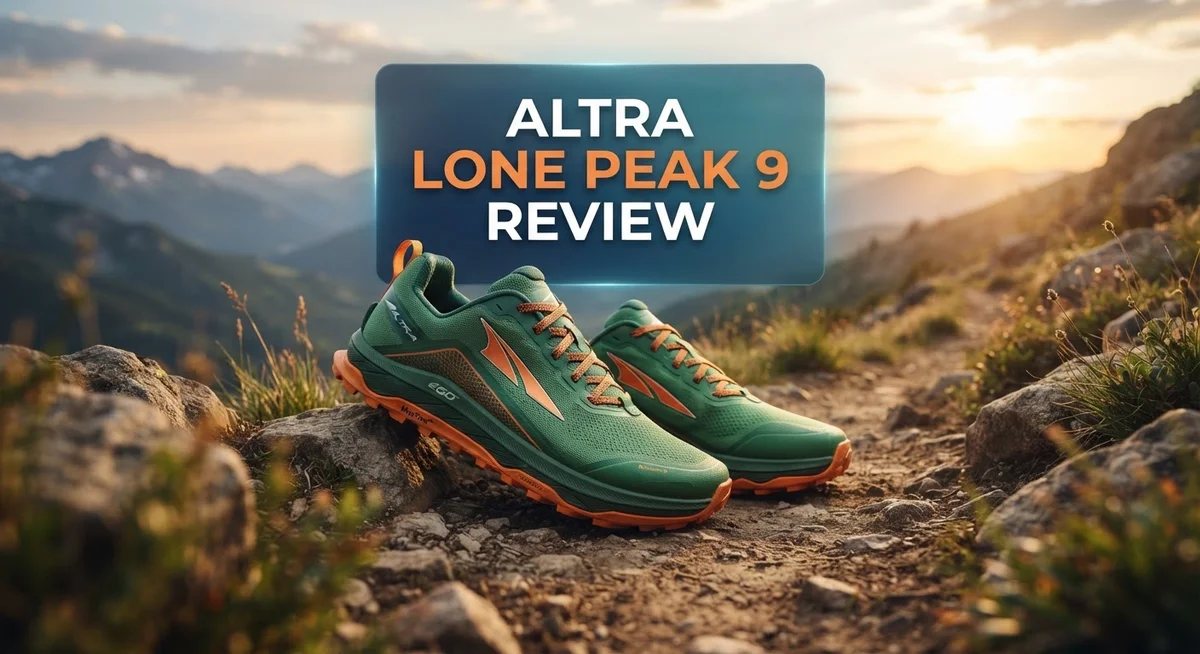
Altra Lone Peak 9 Review: Zero-Drop Trail Running Shoe
Looking for a trail shoe that fits your feet right? The Altra Lone Peak 9 might be your answer.
This shoe brings a zero-drop platform and a wide toe box. Your toes get room to spread and grip naturally.
At just 11 oz, this shoe stays light on your feet. You can move fast without feeling weighed down.
The Vibram outsole with 3.8 mm lugs grips rocks, mud, and roots with ease. A stoneguard inset adds extra stability underfoot.
But is it truly the best pick for every trail runner? This review breaks down what works, what falls short, and how it stacks up against competitors.
We’ll cover grip, comfort, durability, and breathability. By the end, you’ll know if the Lone Peak 9 deserves a spot in your gear closet.
In a Nutshell
Here’s the quick rundown on the Altra Lone Peak 9 before you dive deeper:
-
Stiffer ride this time The midsole feels firmer than older Lone Peak versions. This gives more support on rocky trails.
-
Stoneguard protection A rock plate sits under your foot. It shields you from sharp rocks and roots.
-
Heavier than before This version gained some weight compared to past models. Trail runners chasing speed might notice this.
-
Built for many uses You can wear this shoe for trail runs, hikes, or daily walks. It handles different activities well.
-
Breathability falls short The upper doesn’t let much air through. Hot weather runners may feel this the most.
-
Durability questions remain Some users report wear issues over time. Keep this in mind for heavy trail use.
-
Stacks up against rivals Compare it to the Altra Timp or Topo Pursuit if you want different cushioning levels.
This shoe suits runners who want grip and stability over speed. It’s a solid pick if comfort matters more than a lightweight feel.
Build and Materials
The Altra Lone Peak 9 uses a zero-drop platform that keeps your heel and forefoot at the same height. This design lets your foot land naturally and engage your calf muscles more directly during each stride.
The outsole features a Vibram rubber compound with aggressive 3.8 mm lugs. These lugs bite into rocks, roots, and muddy terrain without slipping. The pattern spreads across the sole to give you grip in all directions, whether you’re running downhill or scrambling over loose scree.
A stoneguard rock plate sits under the midsole in the forefoot area. This inset protects your foot from sharp rocks and roots that poke through thin shoes. It adds stability without adding much bulk, which helps explain why this shoe stays so light at just 11 oz.
The midsole material feels noticeably stiffer than previous Lone Peak versions. This firmness gives you a more direct connection to the ground. Some runners love this feedback. Others find it harsh on long runs or rocky descents.
The upper wraps around your foot with a wide toe box. Your toes get room to splay and move naturally. This matters on technical terrain where you need your foot to adapt to uneven surfaces. The fabric construction, however, doesn’t breathe well. Air doesn’t flow through the material easily, which can lead to hot, damp feet on warm days or intense efforts.
Durability remains a mixed topic among users. The shoe holds up well for many runners over hundreds of miles. Others report stitching failures or upper material wearing thin faster than expected. The Vibram outsole itself lasts a long time before wearing down.
The Lone Peak 9 gained weight compared to earlier versions in this line. This extra heft comes from reinforced materials and the stoneguard addition. You still get a lightweight shoe, but it’s heavier than what some ultralight runners prefer.
Overall, the build focuses on grip, protection, and ground feel over maximum cushioning or breathability.

- Our grippy MaxTrac outsole provides the perfect combination of grip, traction, and durability on all...
- A StoneGuard provides underfoot protection on the trail, over rocks, debris, and tough terrain with...
Last update on 2026-10-24 / Affiliate links / Images from Amazon Product Advertising API
Performance and Traction
The Altra Lone Peak 9 delivers solid grip across varied terrain. The Vibram outsole with 3.8 mm aggressive lugs bites into loose rock, mud, and root systems effectively. You’ll feel confident on steep descents and technical sections.
Ground feel stands out as a real strength here. The zero-drop platform keeps your foot close to the earth. This direct connection helps you sense what’s beneath you. You can react faster to uneven surfaces. Many trail runners appreciate this feedback, especially on complex terrain.
The stoneguard rock plate adds another layer of protection. It shields your forefoot from sharp rocks and roots. This feature prevents painful jabs when you step on hidden obstacles. The plate sits integrated into the midsole design, so it doesn’t feel clunky or heavy.
Stability matters on technical trails, and the Lone Peak 9 handles this reasonably well. The wide toe box lets your foot settle naturally. Your toes can splay out for better balance. This design reduces ankle fatigue on uneven ground. The stiffer midsole this time around provides more support than previous versions.
However, the stiffer ride comes with trade-offs. Some runners feel less responsive on smooth terrain. The shoe performs best when the ground gets rough and unpredictable. On packed dirt paths, you might notice the firmness more than on rocky sections.
Breathability falls short in the upper design. The material doesn’t allow much airflow. Your feet stay warmer than ideal on hot days. This becomes noticeable during long runs in summer conditions. Runners in cooler climates won’t mind as much.
The Lone Peak 9 excels when traction and protection matter most. Rocky mountains, muddy trails, and root-filled paths suit this shoe well. The aggressive lugs keep you planted. The stoneguard stops sharp objects. The ground feel helps you move with confidence. If you run on technical terrain regularly, this shoe delivers where it counts.
Comfort and Fit
The Altra Lone Peak 9 wraps around your foot with a wide toe box that gives your toes plenty of room to splay. This design works well if you prefer a spacious fit or have wider feet. The shoe feels snug at the midfoot without squeezing your arch.
The zero-drop platform keeps your heel and forefoot level. Many runners appreciate this because it promotes a more natural foot position. You feel closer to the ground, which helps with balance on rocky trails.
However, comfort comes with a catch here. The midsole feels noticeably stiffer than older Lone Peak versions. This firmness gives you stability but reduces the plush, cushioned feel some people expect. Your feet will feel the terrain more directly, which is either a win or a drawback depending on your preference.
The upper construction needs attention too. Breathability falls short in the Lone Peak 9. The materials don’t let much air flow through, so your feet may feel warmer during longer runs or hikes. This becomes noticeable in hot weather or on humid days.
The stoneguard rock plate sits under your foot and adds protection from sharp rocks. This feature enhances security on technical ground. Your foot feels more protected, though the added material does contribute to the shoe’s overall weight.
Fit-wise, the Lone Peak 9 accommodates most foot shapes well. The wide toe box is genuinely roomy. The heel cup holds your foot securely without rubbing. Lacing feels responsive, so you can dial in your preferred snugness easily.
One thing to note: this version gained weight compared to past Lone Peak shoes. You’ll notice the extra grams if you’ve worn earlier models. The added mass comes from durability improvements and the stoneguard, but it does affect how the shoe feels on your feet.
For trail runners who value ground feel and protection over maximum softness, the Lone Peak 9 delivers solid comfort. Just understand that you’re getting a firmer, warmer ride with excellent grip and stability rather than a cloud-like experience.
Top 3 Alternatives
Salomon Speedcross Trail

- BEST FOR: For the next-generation Speedcross men’s trail running shoes, we revisited the essence...
- PROTECTIVE UPPER: Completely welded upper with disassociated Sensifit arms to move more naturally...
Last update on 2026-10-24 / Affiliate links / Images from Amazon Product Advertising API
The Salomon Speedcross Trail offers excellent grip on rocky terrain. This shoe features a sticky rubber outsole that performs well on wet surfaces. The fit runs narrow, so you may need to size up if you have wider feet.
The midsole provides decent cushioning for short to medium distances. Many runners appreciate the responsive feel during quick movements. The shoe weighs less than comparable options, making it ideal for speed-focused trail runs.
ASICS Gel-Venture Running

Last update on 2026-10-24 / Affiliate links / Images from Amazon Product Advertising API
ASICS Gel-Venture Running delivers reliable cushioning through its gel technology. The shoe handles rocky paths and uneven surfaces with confidence. The upper feels snug and supportive without feeling restrictive.
This model suits runners who prefer a more traditional running shoe on trails. The outsole grips moderately well, though it’s not designed for extreme terrain. The heel-to-toe drop is higher than minimalist alternatives, which some runners prefer for comfort.
Merrell Moab 3 Hiking

- Pigskin leather and mesh upper
- 100% recycled laces and webbing
Last update on 2026-10-24 / Affiliate links / Images from Amazon Product Advertising API
The Merrell Moab 3 Hiking shoe combines stability with comfort for longer adventures. This option features a Vibram outsole that excels on varied surfaces. The shoe accommodates wider feet better than many competitors.
The cushioning strikes a good balance between protection and ground feel. The waterproof membrane keeps feet dry in wet conditions. Many hikers appreciate the durable construction and proven reliability of this model. The shoe works well for both day hikes and light backpacking trips.
Versatility and Use Cases
The Altra Lone Peak 9 shines across multiple activities beyond just trail running. You can wear these shoes for hiking on rocky terrain where the stoneguard protection and aggressive tread really earn their place. The wide toe box gives your feet room to breathe during longer days on the mountain.
Everyday casual wear works too, though the aggressive lugs might feel unusual on pavement. Some runners switch between trail and road sections during the same outing, and the Lone Peak 9 handles that transition reasonably well. The zero-drop platform appeals to people who prefer a more natural foot position all day long.
Technical trail running is where these shoes perform best. The 3.8 mm Vibram lugs bite into loose dirt, scree, and packed earth. You get excellent feedback from the ground, which helps you place your feet with confidence on uneven surfaces. The stoneguard rock plate protects your forefoot when you step on sharp rocks or roots.
Light backpacking trips represent another solid use case. The durable construction means these shoes can handle multiple days of use. The grip stays consistent whether you’re ascending steep sections or picking your way down rocky descents. However, the stiffer midsole might fatigue your feet on very long days compared to more cushioned options.
The Lone Peak 9 works less well for road marathons or smooth track running. The aggressive tread pattern creates unnecessary noise on asphalt, and the stiff feel doesn’t match what road runners typically prefer.
Consider your terrain first. If you spend most time on rocky, technical trails where protection and grip matter most, the Lone Peak 9 fits perfectly into your routine. If you need a shoe that does everything equally well, you might explore competitors like the Altra Outroad for better cushioning or the Altra Timp for a burlier upper. The Lone Peak 9 succeeds when you know exactly what you’ll ask it to do and those demands involve traction and rock protection over maximum comfort.
Durability and Longevity
The Altra Lone Peak 9 uses a Vibram outsole paired with aggressive 3.8 mm lugs. This combination gives you solid traction on rocks, roots, and loose terrain. The outsole rubber holds up well across multiple seasons of regular trail use.
Midsole durability shows mixed results. Some runners report the foam stays responsive for 200 to 300 miles. Others notice compression and softening sooner, especially on the heel. The stiffer midsole in this version may actually help it resist breakdown longer than softer alternatives.
The upper material faces real challenges. Seams can separate after heavy use, particularly around the toe box and collar areas. Users on rocky terrain report more upper damage than those running smoother trails. The fabric itself feels thin, which raises concerns about long term wear.
The stoneguard rock plate protects your foot from sharp objects underneath. This feature adds durability where it matters most. However, it also adds weight and stiffness, which some runners find uncomfortable after extended wear.
Real world durability depends heavily on your terrain. Trail runners on technical, rocky paths see faster wear than those on smoother dirt trails. The aggressive lugs wear down gradually but remain functional for many miles. Pavement running accelerates lug degradation noticeably.
Most owners report the Lone Peak 9 lasts between 300 and 400 miles before major issues appear. Some reach 500 miles with careful use. Others experience upper failures around 200 miles if they run very technical terrain regularly.
Longevity improves with proper care. Letting shoes dry completely between runs prevents mold and material breakdown. Rotating between multiple pairs extends the life of each shoe. Avoiding excessive pavement running preserves the lugs longer.
The Lone Peak 9 sits in the middle ground for durability. It outperforms lighter racing shoes but trails more cushioned trail models. If you run technical terrain and accept that replacement comes within 300 to 400 miles, this shoe delivers solid value. For casual trail runners, durability proves adequate. For high mileage athletes, you may need replacements more frequently than heavier alternatives.
Pros and Cons
Pros
- Exceptional grip on rocky and technical terrain thanks to Vibram outsole with aggressive 3.8 mm lugs
- Spacious toe box lets your toes splay naturally without cramping
- Lightweight at 11 oz, making it easy to carry on your feet mile after mile
- Stoneguard rock plate shields your foot from sharp rocks and debris underneath
- Versatile enough for trail running, light backpacking, and everyday casual wear
Cons
- Midsole feels noticeably stiffer than previous Lone Peak versions, reducing that plush feel some runners prefer
- Upper material shows breathability issues, trapping moisture during warm weather runs
- Weight increased compared to earlier models, losing some of that featherlight advantage
- Mixed durability reports on the upper construction, with some runners experiencing premature wear depending on terrain
Who Should Buy It
The Altra Lone Peak 9 fits best with trail runners who tackle rocky, technical terrain regularly. If sharp rocks and uneven ground define your favorite routes, these shoes deliver the protection and grip you need. The aggressive Vibram lugs bite hard into loose surfaces, keeping you stable when footing gets sketchy.
Ultralight enthusiasts should pay attention here. At 11 oz, the Lone Peak 9 won’t weigh you down on long days. Backpackers doing light trips appreciate this minimal footprint. Every ounce matters when you’re covering distance on foot.
You’ll love these shoes if you have a wide toe box preference. Your toes get real estate to splay and move naturally. Cramped feet become a non issue. This matters most on technical descents where toe control prevents blisters and injuries.
Runners seeking natural ground feel and zero drop alignment should consider the Lone Peak 9. You stay connected to the earth without artificial cushioning between your foot and the trail. This connection helps you read terrain faster and adjust your stride accordingly.
The Lone Peak 9 works well for mixed activity runners. You trail run on weekends, hike occasionally, and wear them casually around town. One shoe covers multiple roles without compromise. This versatility appeals to people who don’t want several pairs for different purposes.
Skip these shoes if maximum softness matters most to you. The midsole feels stiffer than older Lone Peak models. Runners wanting plush, cloud-like cushioning should explore alternatives like the Altra Olympus 6 instead.
Avoid the Lone Peak 9 if breathability concerns you. The upper material traps moisture during warm weather runs. Your feet might feel damp and uncomfortable on hot days or during intense efforts.
You should also reconsider if you run primarily on roads or smooth surfaces. The aggressive lugs feel odd on pavement and wear faster on hard ground. Road marathoners find better options elsewhere.
Finally, hikers doing heavy backpacking with substantial weight loads should look at burlier shoes like the Altra Timp. The Lone Peak 9 handles light trips well but lacks the extra support for serious pack weight.
Final Verdict
The Altra Lone Peak 9 stands out as a smart choice for trail lovers. It blends grip, comfort, and durability into one package. This shoe earns its reputation as a trail favorite for good reason.
Technical terrain enthusiasts will appreciate the traction and foot protection this shoe offers. The design supports natural movement while keeping your feet safe from rocks and roots. It handles rough paths with confidence.
However, this shoe isn’t perfect for everyone. Road runners and those craving plush cushioning might feel disappointed. The stiffer ride and breathability issues can be dealbreakers for certain runners.
If you need a shoe for heavy backpacking trips, look elsewhere. The Altra Timp offers a burlier build that handles extra weight better. Similarly, the Altra Outroad provides more cushioning for those who want a softer landing.
Runners wanting maximum stack height should check out the Altra Olympus 6 or the Nike Zegama 2. Both give you that cloud like feel the Lone Peak 9 doesn’t offer. The Topo Pursuit also deserves a look if you want a similar zero drop feel with a slightly different stack height.
Despite some drawbacks, the Lone Peak 9 remains a solid pick for most trail runners. Its versatility across trail running, hiking, and daily wear makes it a practical investment.
Wide footed runners especially will love the room this shoe provides. Your toes can move freely without pinching or rubbing.
We recommend this shoe for anyone who spends serious time on technical trails. The grip alone makes it worth considering. Pair that with the protective rock plate and lightweight design, and you get a shoe built for real adventures.
Think about your typical running surface before buying. If technical trails are your playground, the Lone Peak 9 deserves a spot in your rotation. This shoe delivers where it counts most for trail runners.
Frequently Asked Questions
How does the Altra Lone Peak 9 handle rocky terrain compared to other trail shoes?
The Lone Peak 9 excels on rocky ground thanks to its 3.8 mm aggressive lugs and Vibram outsole. These features grip uneven surfaces without slipping. The stoneguard rock plate sits underneath your foot, protecting you from sharp rocks and jagged ground.
Compared to competitors, the Lone Peak 9 sits between lighter options and heavier alternatives. The Altra Timp offers a burlier upper for serious backpackers. The Topo Pursuit provides similar zero-drop alignment but with different traction patterns. For pure grip strength, the Lone Peak 9 delivers reliable performance on technical trails.
Is the Lone Peak 9 good for beginners to trail running?
Yes, but with one important note. The stiffer midsole takes adjustment time for runners used to softer shoes. Beginners coming from road shoes might notice the firmer feel underfoot.
The wide toe box helps new trail runners find comfort quickly. Your toes won’t feel cramped during longer efforts. The zero-drop platform lets your foot sit naturally aligned. These features make the learning curve easier for most people starting their trail running journey.
Why does the Lone Peak 9 feel heavier than previous versions?
Altra made construction changes in the Lone Peak 9. The shoe gained weight compared to earlier models, which disappointed some ultralight enthusiasts. This extra material likely contributes to the increased durability many runners report.
The trade-off means you get a shoe that lasts longer on aggressive terrain. However, at 11 oz, it remains extremely lightweight overall. For runners who prioritize durability over minimal weight, this shift makes sense.
Which Altra shoe should I choose if I want more cushioning?
The Altra Outroad provides better cushioning than the Lone Peak 9. The Altra Olympus 6 offers maximum stack height for runners wanting serious padding. The Nike Zegama 2 works well as another max-cushion option outside the Altra brand.
The Lone Peak 9 stays firm underfoot by design. It prioritizes ground feel and stability over softness. Pick the Outroad or Olympus 6 if you want a plushier ride.