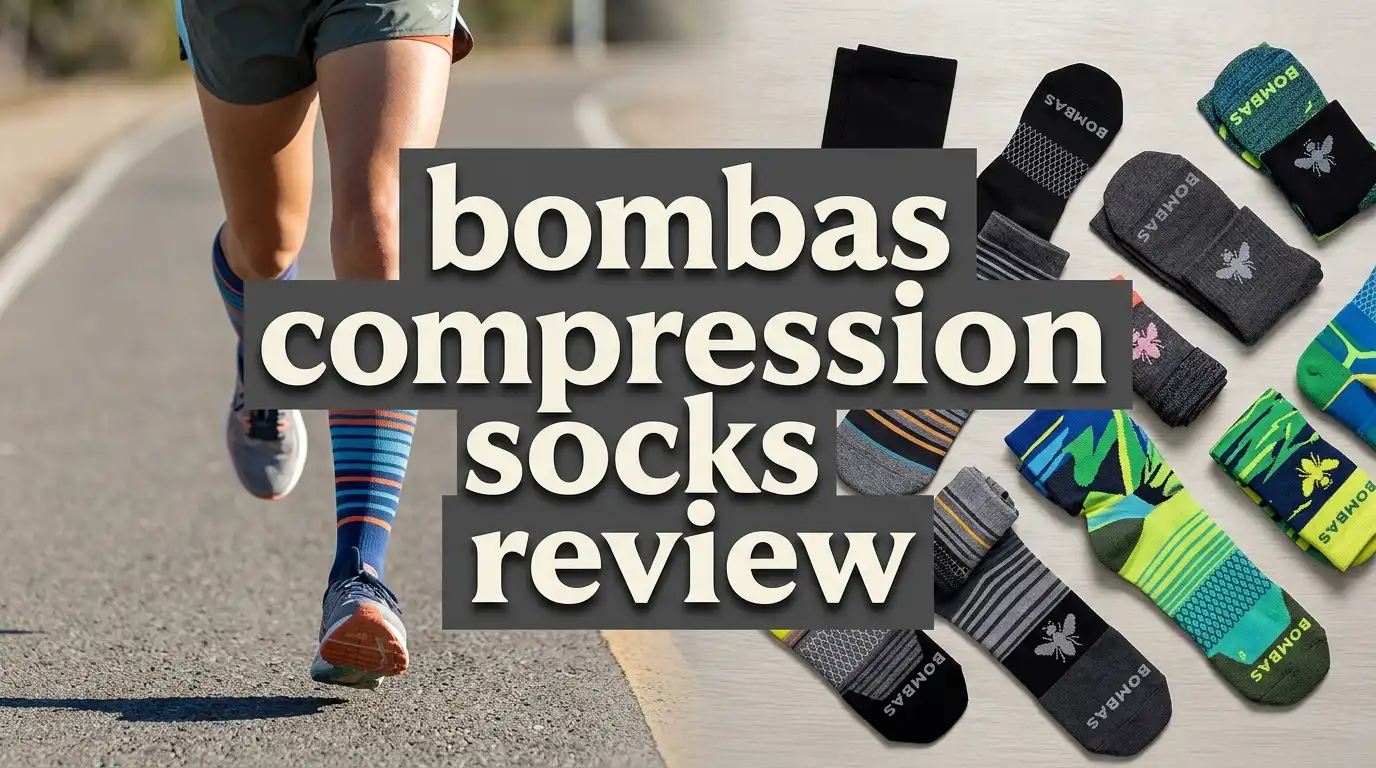
Bombas Compression Socks Review 2026: Worth the Hype?
If you spend long hours on your feet, travel often, or just want better leg circulation, Bombas compression socks have probably caught your eye. They are one of the most popular compression socks on the market right now. But at around $28 to $30 per pair, they cost more than most competitors.
So the big question is: do they actually deliver on their promises? I spent weeks testing Bombas compression socks in different settings. I wore them at work, on flights, during long walks, and even while exercising.
This review covers everything you need to know before you buy. From comfort and compression level to durability and value, I break it all down. By the end, you will know if Bombas compression socks are the right fit for your needs and budget.
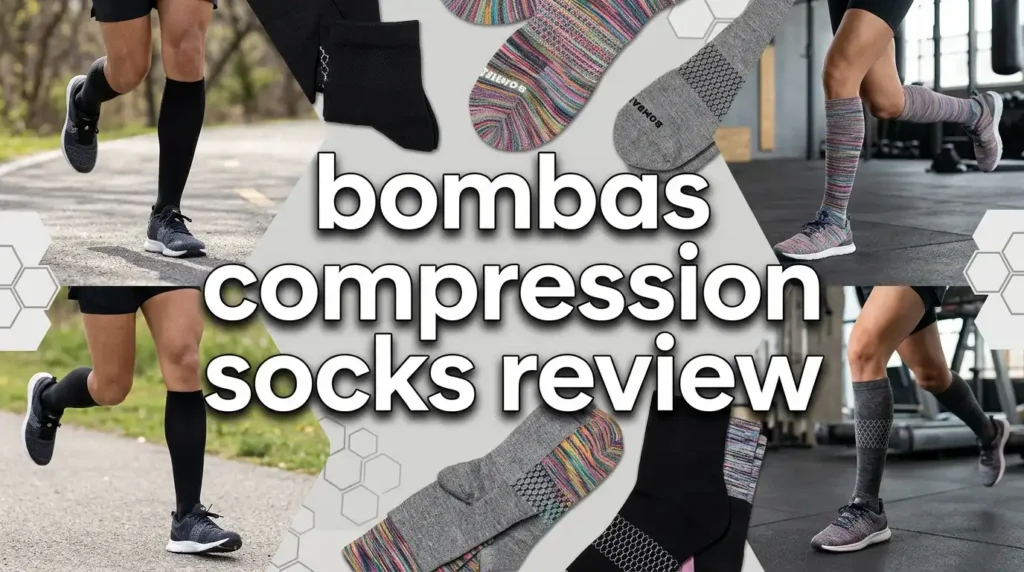
Key Takeaways: Bombas Compression Socks at a Glance
- Bombas compression socks come in two levels: 15-20 mmHg (everyday) and 20-30 mmHg (performance). The everyday version suits most users who stand or sit for long periods, while the performance version gives stronger support for athletes and recovery.
- The Honeycomb Arch Support System is a standout feature. It wraps around the midfoot and keeps each sock in place throughout the day. This prevents bunching and slipping inside your shoes.
- Comfort is the biggest selling point. The extra-long staple cotton blend feels soft against the skin. Many users describe them as the most comfortable compression socks they have ever tried.
- The price is higher than average. A single pair costs about $28 to $30. Six-packs bring the cost down to roughly $26 per pair. Budget shoppers may find better deals with brands like FITRELL or Comrad.
- Bombas donates one pair for every pair sold. The brand has donated over 100 million items to people in need. This buy-one-give-one mission is a strong reason some buyers choose Bombas over competitors.
- Sizing runs true to standard charts. Bombas offers small, medium, and large sizes. Most customers report an accurate fit based on their regular shoe size.
What Are Bombas Compression Socks?
Bombas compression socks are graduated compression socks made by the New York-based brand Bombas. The company launched in 2013 with a simple mission: make the best socks possible and give a pair to someone in need for every pair sold.
Their compression socks use graduated pressure technology. This means the compression is strongest at the ankle and gradually decreases as it moves up the leg. This design helps push blood back toward the heart and reduces swelling in the lower legs and feet.
Bombas offers both knee-high and ankle-length compression socks. The knee-high versions are the most popular choice for travelers, nurses, and office workers. The ankle versions work well for runners and people who prefer a shorter sock.
The brand uses a blend of extra-long staple cotton, polyester, nylon, and spandex. This combination gives the socks a soft feel while still providing firm, consistent compression. Each pair includes features like a seamless toe, strategic zone cushioning, and the patented Honeycomb Arch Support System.
Bombas Everyday Compression Knee High Socks (15-20 mmHg)

Last update on 2026-10-24 / Affiliate links / Images from Amazon Product Advertising API
The Bombas Everyday Compression Knee High Socks are the brand’s most popular compression product. They provide 15-20 mmHg of graduated compression, which falls in the moderate range. This level is ideal for daily wear and does not require a prescription.
These socks work well for people who stand or sit for extended hours. Nurses, teachers, and retail workers report noticeable relief from tired, achy legs after wearing them through a full shift. Travelers also love these for long flights because they help prevent swelling and reduce the risk of deep vein issues.
The fabric blend feels thick but breathable. The cushioned footbed absorbs impact, and the seamless toe prevents irritation. The stay-up technology at the top band keeps the sock from sliding down throughout the day. Many reviewers say these socks stay in place better than most competitors.
Color options include black, white, charcoal, and several heathered tones. The overall look is clean and professional enough to wear under business attire. These socks retail for about $28 per pair or roughly $160 for a six-pack.
Bombas Performance Compression Socks (20-30 mmHg)
The Bombas Performance Compression Socks step up the pressure to 20-30 mmHg. This level of compression is stronger and suits athletes, runners, and people recovering from leg injuries.
The higher compression level provides a noticeably tighter squeeze on the calves and ankles. This helps speed up recovery after intense workouts. Runners report that their legs feel less fatigued after long runs. The socks also help reduce muscle vibration during high-impact activities.
Bombas designed these socks with moisture-wicking yarn that keeps your feet dry during exercise. The arch support is more pronounced in this version. The overall construction feels denser and more supportive than the everyday model.
These performance socks cost about $30 per pair. They come in fewer color options compared to the everyday line. Black, white, and navy are the primary choices. If you need compression mainly for athletic recovery or post-surgery healing, these are the better pick from the Bombas lineup.
Top 3 Alternatives for Bombas Compression Socks
If Bombas compression socks fall outside your budget, or you want to compare options, these three alternatives offer solid performance at different price points.

- Wicking Fabric: Keeps Feet Dry
- Odor Protection: EverFresh Technology
Last update on 2026-10-24 / Affiliate links / Images from Amazon Product Advertising API

- RECOMMENDED FOR: All day/everyday wear, flying and travel, prolonged sitting or standing, exercise...
- 4 ZONES OF FIRM (20-30 mmHg) GRADUATED COMPRESSION: helps to minimize swelling, reduce fatigue...
Last update on 2026-06-09 / Affiliate links / Images from Amazon Product Advertising API

- 【Moisture-Wicking & Breathable】: These athletic compression socks are made of high performance...
- 【Friction & Shock Protection】: Our compression stockings are sewed with seamless toe, reducing...
Last update on 2026-10-24 / Affiliate links / Images from Amazon Product Advertising API
Comrad Nylon Knee High Compression Socks (B0CC3TLHL6) offer 15-20 mmHg graduated compression with a slightly stronger squeeze than Bombas. They use a soft nylon blend that feels smooth and breathable. Comrad socks cost about $32 per pair, making them a premium alternative.
Sockwell Women’s Elevation Compression Socks (B0083393UY) are made with merino wool, bamboo, and spandex. They provide firm 20-30 mmHg compression and offer superior moisture control. These are ideal for cooler weather. They retail for about $33 per pair and have thousands of positive reviews on Amazon.
FITRELL 3-Pack Compression Socks (B07X8W51BD) deliver 20-30 mmHg compression at a fraction of the cost. A three-pack runs about $10 to $13. The fabric is thinner than Bombas and Comrad, but the compression level is accurate and effective. These are a great budget option for everyday use.
Comfort and Fit: How Do Bombas Compression Socks Feel?
Comfort is where Bombas truly stands apart from other compression sock brands. The extra-long staple cotton makes the fabric feel premium against your skin. It does not scratch or irritate, even after hours of continuous wear.
The Honeycomb Arch Support System wraps around the midfoot with a gentle, consistent hug. It keeps your arch supported without creating pressure points. This is one of the main reasons people keep buying Bombas over and over.
The seamless toe construction eliminates the ridge found in most socks. If you have sensitive feet or toes, this feature makes a big difference. There is no friction or rubbing at the toe seam because there is no seam.
The fit runs true to size. Bombas provides a clear size chart based on your shoe size. Small fits shoe sizes 4-7, medium fits 8-10.5, and large fits 11-13. Most customers report that their usual size works perfectly. The top band uses stay-up technology that grips gently without digging into the skin.
Compression Levels Explained: 15-20 mmHg vs 20-30 mmHg
Understanding compression levels helps you pick the right Bombas socks for your needs. mmHg stands for millimeters of mercury, which is the unit used to measure pressure in compression garments.
The 15-20 mmHg range is considered moderate compression. It is the most common entry-level strength. Doctors often recommend this range for people who have never worn compression socks before. It helps relieve tired legs, minor swelling, and discomfort from sitting or standing all day.
The 20-30 mmHg range is firm compression. It provides a stronger squeeze and is often used for athletic recovery, post-surgical healing, and moderate swelling. Some people with varicose veins or mild venous insufficiency also use this level.
Bombas offers both levels in their compression sock lineup. If you are new to compression socks, start with the 15-20 mmHg everyday version. It gives enough support for daily activities without feeling overly tight. If you have a specific medical need or want recovery support after intense exercise, the 20-30 mmHg performance version is the better choice.
Materials and Build Quality
Bombas compression socks use a blend of extra-long staple cotton, polyester, nylon, and spandex. The extra-long staple cotton is a higher-grade fiber that produces a softer, stronger yarn. This material resists pilling and holds up well after repeated washes.
The polyester and nylon add durability and structure. These fibers help the sock maintain its compression level over time. The spandex provides stretch and recovery so the sock snaps back into shape after each wear.
The construction includes reinforced heel and toe areas. These high-wear zones get extra layers of yarn to prevent holes and thinning. The knitting is tight and consistent throughout the sock, which keeps the compression even from ankle to calf.
Bombas socks are manufactured in China, which is standard for premium sock brands. The quality control appears strong based on user feedback. Very few reviewers report defects or inconsistencies. The overall build quality matches or exceeds what you would expect at this price point.
Durability: How Long Do They Last?
Bombas compression socks hold up well over time. Most users report that their socks maintain shape and compression for 6 to 12 months of regular use. Some users say their pairs last even longer with proper care.
The key to longevity is following the wash instructions. Bombas recommends machine washing on a gentle cycle with cold water. Avoid using bleach or fabric softener. Tumble dry on low heat or air dry for the best results. Fabric softener can coat the fibers and reduce the compression effect.
After about 50 to 60 washes, some users notice a slight decrease in compression tightness. The fabric may also start to thin in the heel and toe areas. This timeline is normal for any compression sock and is not specific to Bombas.
Compared to budget brands, Bombas socks last significantly longer. Cheaper compression socks often lose their stretch and support after just a few weeks. The premium materials in Bombas give them a clear edge in durability. If you wear compression socks daily, investing in Bombas can save you money over time.
Bombas Compression Socks for Nurses and Healthcare Workers
Nurses are one of the biggest groups of Bombas compression sock fans. A 12-hour hospital shift puts enormous strain on your legs and feet. Compression socks help by promoting blood flow and reducing fatigue.
The 15-20 mmHg everyday model is the most popular choice among nurses. It provides enough support to get through a long shift without feeling too tight. Many nurses say their legs feel noticeably less tired and swollen at the end of the day.
The cushioned footbed is a huge plus for healthcare workers. Hospitals have hard floors, and the extra padding reduces impact on your heels and balls of your feet. The seamless toe prevents blisters during long shifts.
Reddit threads and nursing forums are full of positive comments about Bombas. Users frequently mention that these socks are easier to put on and take off compared to medical-grade compression stockings. The softer fabric and moderate compression level make them more practical for everyday clinical use.
Bombas Compression Socks for Travel
Long flights and car rides can cause swelling, stiffness, and discomfort in your legs and feet. Bombas compression socks are a popular travel companion for exactly this reason.
The graduated compression pushes blood upward and prevents it from pooling in your lower legs. This reduces the risk of swelling during long periods of sitting. Travel health experts recommend wearing compression socks on flights longer than four hours.
The 15-20 mmHg everyday version is the best option for most travelers. It provides gentle support without making your legs feel constricted in a cramped airplane seat. The breathable fabric also helps keep your feet cool and dry during transit.
Several travel forums recommend Bombas by name. Users on Rick Steves’ travel forum praise their comfort and effectiveness during European trips. The socks fit well under both sneakers and travel shoes. They also look professional enough for business travel.
Price and Value: Are Bombas Compression Socks Worth It?
Bombas compression socks are not cheap. A single pair costs between $28 and $30. A three-pack runs about $82, and a six-pack costs roughly $160. This puts Bombas in the premium price range for compression socks.
For comparison, FITRELL sells a three-pack for about $10 to $13. Comrad charges around $32 per pair. Sockwell ranges from $25 to $33 per pair. Bombas sits right in the middle of the premium market.
The value depends on what matters most to you. If comfort, build quality, and brand mission are your priorities, Bombas delivers on all three. The socks genuinely feel better than most competitors. They last longer than budget options. And the buy-one-give-one program adds a feel-good factor.
However, if you just need basic compression and do not care about premium features, budget brands can meet your needs. The compression technology in cheaper socks works the same way. You are paying a premium for Bombas’ comfort features, materials, and social mission.
The Bombas Give-Back Mission
One of the things that sets Bombas apart is their buy-one-give-one model. For every item you purchase, Bombas donates one item to a person experiencing homelessness. The company has donated over 100 million items since launching in 2013.
Socks are the most requested clothing item at homeless shelters. Bombas recognized this need early on and built their entire business around solving it. The donated socks are specially designed for shelter use with reinforced seams and antimicrobial treatment.
This mission resonates strongly with many buyers. Knowing that your purchase helps someone in need adds genuine value beyond the product itself. It is one of the main reasons people choose Bombas over other premium sock brands.
The company partners with over 3,500 giving partners across the United States. These include homeless shelters, community organizations, and other nonprofits. Bombas tracks and shares their donation numbers publicly, which adds a layer of transparency and trust to their mission.
Pros and Cons of Bombas Compression Socks
Every product has strengths and weaknesses. Here is an honest look at both sides of Bombas compression socks.
The pros include exceptional comfort, a soft cotton blend, the Honeycomb Arch Support System, a seamless toe, and strong durability. The graduated compression works effectively at both the 15-20 and 20-30 mmHg levels. The variety of colors and styles gives you options for work, travel, and exercise. The social mission adds meaningful value.
The cons include a higher price compared to most competitors. Budget shoppers can find effective compression socks for a fraction of the cost. The color selection in the performance line is limited. Some users find the 20-30 mmHg version too tight and difficult to put on. The socks are also not FSA or HSA eligible, which is a downside for people looking to use health savings accounts.
Overall, the pros outweigh the cons for most buyers. The comfort and quality justify the price for anyone who wears compression socks regularly. But if price is your main concern, alternatives like FITRELL offer great compression at a much lower cost.
How to Care for Your Bombas Compression Socks
Proper care extends the life of your Bombas compression socks and keeps the compression effective. Follow these simple washing tips to get the most out of your purchase.
Machine wash your socks on a gentle or delicate cycle using cold water. Cold water protects the spandex fibers that provide compression. Hot water can break down these fibers faster and reduce the sock’s effectiveness.
Avoid bleach and fabric softener. Bleach weakens the fabric structure. Fabric softener coats the fibers and reduces their ability to grip and compress. Use a mild detergent instead.
Tumble dry on low heat or, better yet, air dry your socks. High heat damages spandex and can cause the socks to lose their shape. Hanging them to dry is the best way to preserve compression and softness. With proper care, your Bombas compression socks should maintain their performance for many months.
Where to Buy Bombas Compression Socks
You can buy Bombas compression socks from several reliable retailers. The most direct option is the official Bombas website at bombas.com. They offer the full range of styles, sizes, and colors. Free shipping is available on orders over a certain threshold.
Amazon also carries Bombas products, including their ankle socks and some compression styles. Buying on Amazon gives you the benefit of fast Prime shipping and easy returns. However, the compression sock selection on Amazon may be more limited than the official site.
Last update on 2026-10-24 / Affiliate links / Images from Amazon Product Advertising API
Bombas socks are also sold at Nordstrom, Dick’s Sporting Goods, Scheels, and select retail stores. You can use the store locator on the Bombas website to find a physical location near you. Buying in-store lets you feel the fabric before committing.
For the best deals, check for seasonal sales on the Bombas website. They occasionally run promotions around holidays. Multi-pack bundles also lower the per-pair cost and are the smartest way to buy if you plan to wear compression socks daily.
Bombas Compression Socks vs Comrad Compression Socks
Bombas and Comrad are two of the most compared compression sock brands on the market. Both offer 15-20 mmHg graduated compression. Both use high-quality materials. But there are key differences.
Bombas uses a cotton-dominant blend that feels thicker and cushier. Comrad uses a nylon-dominant blend that feels smoother and thinner. If you prefer a plush, padded feel, Bombas wins. If you prefer a sleek, lightweight sock, Comrad may be the better fit.
Comrad’s compression feels slightly stronger in side-by-side tests, even at the same mmHg rating. This is because the thinner fabric transfers more direct pressure to the leg. Bombas’ thicker fabric softens the squeeze and makes it feel gentler.
Price is similar between the two brands. Bombas costs about $28 per pair, and Comrad costs about $32 per pair. Both brands offer a social mission component, though Bombas’ buy-one-give-one model is more widely recognized. Your choice comes down to personal preference in fabric feel and compression intensity.
Frequently Asked Questions
Are Bombas compression socks good for running?
Yes, the 20-30 mmHg performance model works well for running. It supports your calves and arches during the run and helps with recovery afterward. The moisture-wicking yarn keeps your feet dry. The seamless toe prevents blisters even on long-distance runs.
Can I wear Bombas compression socks all day?
You can wear 15-20 mmHg Bombas compression socks all day without issues for most healthy adults. Remove them at night before sleeping. If you have a medical condition, consult your doctor before wearing compression socks for extended periods.
Do Bombas compression socks help with varicose veins?
Moderate compression (15-20 mmHg) can help reduce symptoms of varicose veins like aching and swelling. However, Bombas compression socks are not medical devices. Consult a healthcare provider for specific vein treatment recommendations.
Are Bombas compression socks FSA or HSA eligible?
No, Bombas compression socks are not FSA or HSA eligible. Their compression levels (15-20 mmHg and 20-30 mmHg) do not meet the threshold for medical-grade classification. You will need to pay out of pocket for these socks.
How tight should Bombas compression socks feel?
They should feel snug but not painful. The compression is strongest at the ankle and gets lighter as it moves up. If you feel numbness, tingling, or sharp pain, the socks may be too small. Try a larger size or consult your doctor.
How often should I replace Bombas compression socks?
Replace your Bombas compression socks every 6 to 12 months with regular use. If the fabric feels loose, the compression has weakened, or you see thinning in the heel and toe areas, it is time for a new pair.