Hollow Socks Review: Alpaca Fiber Comfort & Performance
Cold feet ruin outdoor trips fast. You need socks that keep you warm without soaking through. That’s where hollow socks come in.
These socks use alpaca fiber with a natural hollow structure. This design traps air and regulates temperature better than most materials. Many blends mix Peruvian baby alpaca with other fibers for extra strength.
We tested hollow socks across different conditions to see how they perform. Cold hikes, sweaty workouts, and long days on your feet all tell a story. This review breaks down what works and what doesn’t.
Moisture control stands out as a major strength. Your feet stay dry even during intense activity. The natural odor resistance also means fewer washes between wears.
But no sock is perfect. Some users report durability issues during rough hiking trips. Shrinkage after washing is another common complaint.
These socks also run warm. That makes them ideal for winter but less practical for summer months.
So how do hollow socks stack up against brands like Darn Tough or Farm to Feet? Keep reading. We’ll cover every detail you need before buying your next pair.
In a Nutshell
Hollow socks bring something different to your sock drawer. Here is the quick summary before we dive deeper.
-
Alpaca fiber gives these socks a natural hollow core. This traps air and keeps your feet warm without extra bulk.
-
They come in three styles: standard, boot, and over the calf. Pick your height based on your boots or activity.
-
Odor resistance is a standout feature. You can wear these multiple days without that funky sock smell.
-
Durability takes a hit during tough hikes. Some users report holes forming faster than expected.
-
Shrinkage can happen after washing. Follow care instructions closely to keep the fit right.
-
These socks get abrasive when wet or sweaty. This makes them less ideal for high sweat activities.
-
Compared to Darn Tough or Farm to Feet, hollow socks win on warmth. But they lose some ground on all season versatility.
Overall, these socks shine in cold, dry conditions. They struggle a bit when things heat up or get wet.
Material and Fabric Quality
The fabric composition of hollow socks starts with Peruvian baby alpaca fiber. This material contains a naturally hollow core, which creates the sock’s signature performance benefits. The specific blend uses 57% Peruvian baby alpaca combined with 39% other fibers to achieve balance between softness and structure.
Alpaca fiber differs from standard sock materials in important ways. The hollow structure traps air pockets inside each fiber strand. These air pockets create insulation without adding bulk or weight. Your feet stay warm without feeling heavy or restrictive.
The breathability factor comes from this same hollow design. Air can move through the fabric more freely than in solid fibers. This allows sweat and moisture to escape from your skin. Even when your feet perspire, the moisture moves away quickly rather than pooling against your skin.
Temperature regulation happens naturally with this fabric composition. Alpaca fiber responds to your body heat and environmental changes. In cold conditions, the trapped air provides warmth. The fiber also prevents overheating by allowing excess warmth to dissipate. This makes the fabric adaptable to fluctuating temperatures.
Durability considerations matter when evaluating fabric quality. The hollow structure, while excellent for comfort, can become compromised with heavy use. Hiking over rocky terrain puts stress on the fibers. Extended friction can weaken the hollow core over time. This is why these socks perform better for casual wear and winter activities rather than intense outdoor adventures.
Washing affects the fabric quality significantly. Shrinkage occurs in some cases after machine washing. The fibers can also become slightly abrasive when damp or sweaty. This texture change happens because the hollow structure responds to moisture differently than solid fibers do. Proper care helps maintain the original feel and performance.
The fabric quality shines in specific conditions. Cold, dry environments bring out the best in alpaca fiber construction. Your feet experience genuine comfort and warmth without the downsides that appear in wet or high activity scenarios. Understanding these fabric strengths helps you choose hollow socks for the right situations.

- WIDE CALF FIT WITH STRETCH SUPPORT: Comfort fitted designed with stretch materials to accommodate a...
- GRADUATED COMPRESSION FOR DAILY WEAR: 15–20 mmHg graduated compression applies targeted pressure...
Last update on 2026-09-09 / Affiliate links / Images from Amazon Product Advertising API
Comfort and Fit
Hollow socks fit snugly without pinching your toes or cutting off circulation. The alpaca fiber stretches naturally to match your foot shape. You get a glove like feel that adapts to different foot sizes.
The three style options help you find your perfect fit. Standard socks work well for everyday wear and casual activities. Boot style socks offer extra cushioning around your heel and arch. Over the calf socks provide coverage for taller boots and outdoor adventures.
Comfort improves when moisture stays away from your skin. Hollow socks pull sweat from your feet quickly. Your feet stay dry even during active days. This moisture wicking action prevents blisters and discomfort.
Temperature control makes these socks feel amazing in cold weather. The natural hollow structure traps warm air around your foot. You experience steady warmth without overheating. This feature shines during deep winter months and mountain trips.
One comfort concern emerges when these socks get wet or sweaty. The fabric becomes slightly abrasive against your skin. This roughness can cause irritation during intense activities. Dry conditions work better for comfort levels.
Fit consistency matters for all day wear. These socks maintain their shape through multiple wears. The elastic doesn’t lose tension quickly. Your socks stay in place without slipping down or bunching up.
Shrinkage can affect how these socks fit after washing. Some users report their socks feel tighter after the first wash. You should follow care instructions carefully. Gentle washing and air drying help preserve the original fit.
The boot style option provides extra room in the toe box. This prevents cramping during long hikes or cold weather activities. The additional cushioning reduces foot fatigue. Your feet feel supported throughout the day.
Over the calf socks sit higher on your leg. They keep snow and debris out of your boots. The extra coverage adds warmth to your lower leg. This style works best for winter sports and mountain activities.
Overall fit performance depends on your specific needs. These socks excel in cold, dry conditions with consistent wear. The comfort level drops in wet environments. Choose hollow socks if you need reliable warmth and moisture control during winter adventures.
Temperature Regulation and Moisture Control
Hollow socks excel at keeping your feet at the right temperature. The alpaca fiber’s natural hollow core creates air pockets that trap warmth without overheating your feet. This design works especially well during cold, dry weather when you need consistent insulation.
Moisture control is where these socks truly shine. Alpaca fiber naturally wicks sweat away from your skin much faster than standard materials. Your feet stay dry throughout the day, which prevents blisters and keeps you comfortable during long hours of wear.
The breathability factor matters just as much as warmth. These socks let air flow through the fabric, so your feet don’t feel suffocated or clammy. This balance between insulation and airflow makes them ideal for layering in winter conditions.
However, there’s an important catch. When these socks get wet or sweaty, the fabric becomes abrasive and loses its comfort appeal. This means they work best in dry environments rather than humid climates or wet conditions. If your feet sweat heavily, you might notice discomfort during physical activity.
Temperature regulation also means these socks run warm. They’re designed specifically for deep winter use. If you wear them during mild weather or indoors with heating, your feet may overheat. This limits their year-round versatility compared to lighter alternatives.
The moisture-wicking ability combines with natural odor resistance. Sweat moves away from your skin quickly, which prevents bacteria growth. Your feet stay fresher longer, even after wearing them for extended periods.
For cold weather hikers and winter athletes, this temperature and moisture combination creates an excellent experience. Your feet maintain steady warmth while staying dry. The socks pull moisture away from your skin consistently throughout the day.
The key takeaway: hollow socks deliver outstanding temperature regulation and moisture control in cold, dry conditions. They excel at keeping your feet warm and dry when conditions are right. Just remember they shine brightest during winter months rather than transitional seasons.
Top 3 Alternatives
Smartwool Merino Wool Socks

- ABOUT THIS PRODUCT: Classic style meets daily comfort in our Everyday Athletic Crew Socks. The extra...
- FEATURES: Extra stretch comfort fit system for larger feet and ankles and provides a less...

Last update on 2026-09-09 / Affiliate links / Images from Amazon Product Advertising API
Smartwool socks deliver exceptional warmth without the bulk that hollow socks often create. The merino wool construction naturally regulates temperature, keeping your feet comfortable in both cold and warm conditions. These socks resist odors effectively, so you can wear them longer between washes.
The cushioning feels soft against your skin. Merino wool fibers are finer than regular wool, eliminating that scratchy feeling many people dislike. Your feet stay dry because merino absorbs moisture while releasing it into the air. This feature prevents blisters and keeps your feet healthy during long days.
Darn Tough Merino Wool Socks

- Midweight with Cushion - A warm and extremely comfortable choice when conditions demand it, this...
- Micro Crew Height - A shorter, more concise take on the traditional crew height. Peeks just above...
Last update on 2026-09-09 / Affiliate links / Images from Amazon Product Advertising API
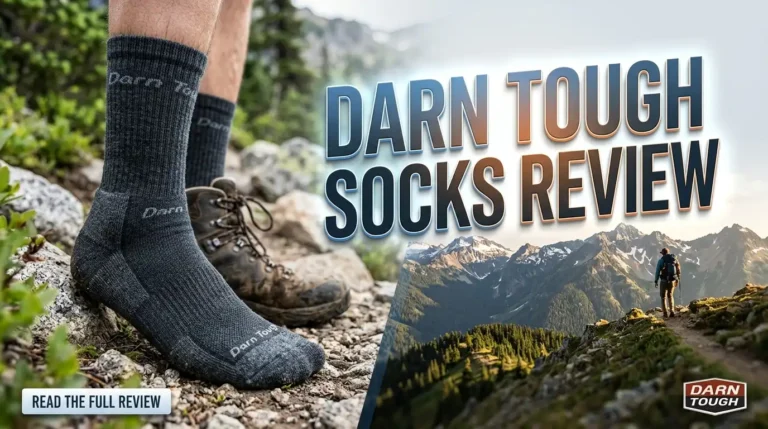
Darn Tough socks are built for durability. The brand offers a lifetime guarantee, meaning they replace any sock that wears out. This commitment reflects their confidence in quality construction. You get genuine performance that lasts for years, not months.
The merino wool blend provides natural stretch and recovery. Your socks maintain their shape even after repeated washing. Darn Tough uses a dense knit structure that outperforms hollow sock designs. The thickness offers protection without feeling heavy or restrictive on your feet.
Bombas Merino Blend Socks

- Premium Comfort for Your Feet: The merino wool socks have natural cooling and heating properties...
- Functional: These wool running socks with Moisture Control, Breathable Mesh, Blister Control, Smooth...
Last update on 2026-09-09 / Affiliate links / Images from Amazon Product Advertising API
Bombas combines merino wool with other high-quality fibers to create socks that balance comfort and performance. The blend delivers moisture-wicking capabilities that keep your feet dry throughout the day. The construction includes targeted cushioning in high-impact areas like your heel and ball of the foot.
These socks feature a smooth toe seam that prevents irritation. Many people find this detail makes a real difference in comfort. The merino blend resists odors naturally, so your socks stay fresher longer. Bombas socks work well for everyday wear and active use, offering a reliable alternative to hollow sock designs.
Durability and Care
Hollow socks demand specific care to maintain their performance over time. The alpaca fiber construction requires gentle handling during washing and drying. Machine wash these socks in cold water with mild detergent to preserve the fiber integrity.
Shrinkage presents the biggest challenge when caring for hollow socks. Hot water causes the alpaca fibers to contract significantly. Always use cold water and avoid high heat settings in your dryer. Air drying works best for extending the lifespan of these socks.
The fabric becomes abrasive when wet or sweaty, which affects how long they last through active use. This means hiking or intense exercise can wear through the material faster than casual wear. The moisture wicking ability that makes them great for cold weather also means they absorb sweat quickly, so proper care after workouts matters.
Durability concerns emerge primarily with hiking use. The hollow structure that provides breathability also makes the fibers more delicate than traditional sock materials. Rough terrain and constant friction from boot movement accelerates wear patterns. For winter activities in dry conditions, these socks hold up well. For muddy hikes or wet environments, expect shorter replacement cycles.
Storage affects longevity too. Keep hollow socks in a cool, dry place away from direct sunlight. Sunlight can fade the colors and weaken the alpaca fibers over time. Rolling socks rather than folding prevents creases that stress the material.
Pilling may occur with regular wear, especially in the heel and toe areas. Gentle brushing with a soft cloth removes pilling without damaging the underlying fibers. This simple maintenance step keeps your socks looking fresher longer.
The boot style option provides thicker material in high wear areas, which improves durability for extended use. Standard weight socks work fine for casual winter wear but may not survive intense activity as long. Understanding your specific use case helps you choose the right style and plan for replacement timing accordingly.
Seasonal Suitability and Use Cases
Hollow socks work best during specific seasons and activities. The naturally warm construction makes them ideal for deep winter months when temperatures drop significantly. Your feet stay comfortable without feeling overheated, unlike traditional thick socks that can trap too much warmth.
These socks shine during cold weather activities. Winter hiking, outdoor sports, and mountain adventures are perfect use cases. The moisture-wicking ability keeps sweat away from your skin even during intense exercise. Cold, dry conditions unlock the full potential of the hollow alpaca fiber structure.
However, seasonal limitations exist. Hollow socks run warm, which means they’re not suitable for spring, summer, or fall wear. If you live in a mild climate, these socks may sit in your drawer most of the year. The temperature regulation works against you during warmer months.
Wet conditions create a problem. The fabric becomes abrasive when sweaty or damp, which limits their use during spring thaw or humid winters. This makes them less practical for unpredictable weather patterns. Consider this carefully if your region experiences frequent moisture swings.
The three style options help match different seasonal needs. Standard socks work for everyday winter wear around town or indoors. Boot style options provide extra thickness for extended outdoor time. Over-the-calf versions offer additional leg coverage during particularly cold days.
Specific activities benefit most from hollow socks. Backcountry skiing, winter camping, and mountaineering are excellent matches. Casual winter activities like walking or light hiking also work well. The natural odor resistance means you can wear them for multiple days without washing, which helps during extended trips.
Limited seasonal use means these socks serve a specific purpose. They’re not an all-purpose sock for year-round wear. If you need socks for multiple seasons, you’ll want to supplement with other options. Think of hollow socks as a specialized winter tool rather than an everyday essential for most climates.
Pros and Cons
Pros
- Natural odor resistance keeps your feet fresh throughout the day without extra washing
- Exceptional warmth in cold conditions makes these socks ideal for winter activities and deep freeze environments
- Moisture wicks away sweat and keeps your feet dry even during intense physical activity
- Alpaca fiber’s hollow structure provides superior breathability compared to standard wool options
- Boot style offers reinforced material in high wear areas for better longevity during extended use
Cons
- Fabric becomes abrasive when wet or sweaty, reducing comfort during active movement and shortening lifespan
- Shrinkage after washing can affect the fit and require careful maintenance to preserve the original shape
- These socks run warm, limiting their use to deep winter months and making them unsuitable for spring or fall wear
- Durability concerns emerge with hiking use, where the hollow structure that aids breathability also creates vulnerability to damage
Who Should Buy It
Hollow socks work best for people who spend time in cold, dry environments. If you live in deep winter climates or enjoy outdoor activities during freezing months, these socks deliver exceptional warmth and comfort.
Athletes and outdoor enthusiasts benefit most from hollow socks. Hikers should note the durability concerns with wet conditions. If you stick to dry trails or winter sports, they perform well. However, those who hike in wet or muddy terrain may find the fabric becomes abrasive when sweaty, which shortens their lifespan.
People with naturally cold feet love these socks. The alpaca fiber’s hollow structure traps heat effectively. You’ll stay warm without overheating in mild weather. This makes them ideal for those who struggle with circulation or temperature sensitivity during winter months.
Individuals who prioritize odor control find great value here. The natural odor resistance means you can wear them longer without washing. This appeals to people on extended camping trips or those who dislike frequent laundry.
Travelers appreciate the moisture wicking properties. If you pack light and need socks that dry quickly and resist smell, hollow socks fit your needs. The three style options let you choose based on your trip’s climate.
People who dislike synthetic materials often choose hollow socks. The alpaca fiber feels natural against skin and performs better than standard wool for many users. Those with sensitive skin may find the comfort level superior to alternatives.
However, avoid these socks if you need year round wear. The warmth makes them unsuitable for spring, summer, or fall use. If you want versatile socks for all seasons, look elsewhere.
People who live in wet climates should reconsider. Rain and humidity create problems with these socks. The fabric becomes less comfortable when damp, and durability suffers in moisture rich environments.
Careful laundry enthusiasts should commit to proper care. Shrinkage requires specific washing techniques. If you prefer throwing socks in any wash cycle, these demand more attention than standard options.
Overall, hollow socks suit cold climate dwellers, winter sport enthusiasts, and people seeking superior temperature control and odor resistance in dry conditions.
Final Verdict
Hollow socks earn their spot in your winter gear collection. They offer real comfort for people who face cold, dry conditions often.
The alpaca fiber does something special. It traps air and keeps your feet warm without adding bulk to your boots.
Odor resistance stands out as a major win. You can wear these socks multiple times before washing feels necessary.
Compare this to Darn Tough or Farm to Feet, and you notice a difference. Those brands focus on all season durability. Hollow socks focus on winter performance instead.
Should you buy these socks? It depends on your daily routine. Think about where you spend most of your time outdoors.
If you live somewhere cold and dry, these socks fit your lifestyle well. Ski trips, winter hikes, and cold morning walks all become more comfortable.
But if you face wet conditions often, look elsewhere. The fabric struggles once moisture builds up, and abrasion becomes a real issue.
People who own multiple sock types already know this rule. You match the sock to the season and activity, not the other way around.
Hollow socks work best as a specialized tool. They shine in specific situations rather than serving as your only sock choice.
Merino wool alternatives might suit you better if you need year round flexibility. They handle moisture more evenly across seasons.
Still, nothing beats hollow socks for pure winter warmth. The hollow fiber structure creates insulation that few materials can match.
Our final take: buy hollow socks if winter activities fill your calendar. Skip them if you need one sock for every season and climate.
Think about your closet space too. Adding a specialized winter sock makes sense when you already own moisture focused options for other seasons.
Match your purchase to your actual needs. That approach always beats buying based on hype alone.
Frequently Asked Questions
Do hollow socks really prevent odor better than regular socks?
Yes, alpaca fiber naturally resists odor growth. The hollow structure of alpaca fiber allows moisture to move away from your skin quickly. When sweat doesn’t sit on your feet, bacteria have fewer conditions to thrive. This is one of the standout features that sets hollow socks apart from standard cotton or synthetic options.
However, proper care matters. Washing your socks regularly still keeps them fresh. The natural odor resistance gives you extra time between washes, but it doesn’t eliminate the need for basic hygiene.
Will hollow socks shrink after I wash them?
Shrinkage is a real concern with alpaca fiber. Many users report noticeable shrinkage after the first wash. Cold water and gentle cycles help, but alpaca still tends to contract more than wool alternatives.
Check the care label carefully before purchasing. Some manufacturers treat their alpaca blends to reduce shrinkage. Air drying instead of machine drying also protects the fit. If you’re particular about sock sizing, this is something to plan for.
Are hollow socks good for hiking and outdoor activities?
Hollow socks work well for cold, dry hiking. They keep your feet warm and manage moisture effectively in winter conditions. The boot style offers extra cushioning in high wear areas.
For wet environments or warm weather hikes, these socks fall short. The fabric becomes abrasive when damp, which reduces comfort on longer treks. If your hiking involves rain or humid climates, consider merino wool alternatives instead.
How do hollow socks compare to Darn Tough or Farm to Feet?
Each brand serves different needs. Darn Tough excels in durability and year round versatility. Farm to Feet focuses on sustainability and consistent performance.
Hollow socks win specifically for winter warmth and odor control. They’re not the best choice if you need socks that work across all seasons. Think of them as specialists rather than all purpose options.