Srixon Distance Golf Balls Review: Long, Durable Two-Piece Ball for Mid and High Handicappers
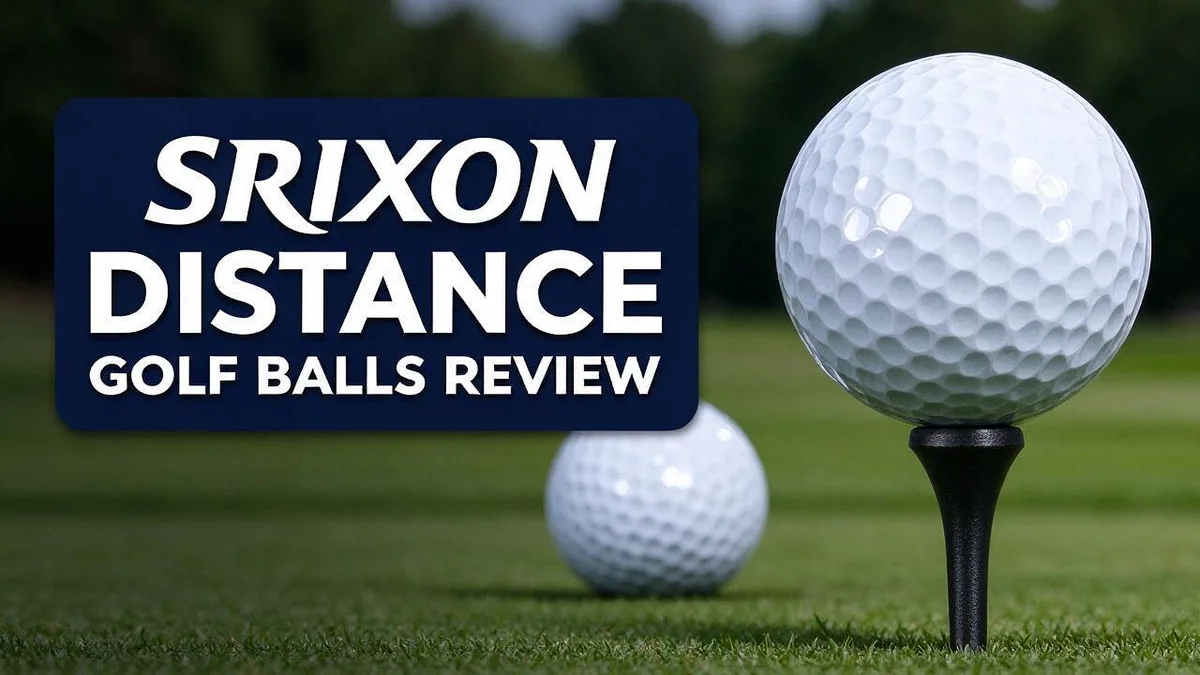
Do you want more yards off the tee? The Srixon Distance golf ball aims to give you exactly that.
This two piece ball adds extra distance with the driver. Cedarwood rates its distance 9 out of 10.
It also offers decent spin on iron and wedge shots. The cover resists scuffs, so each ball lasts through many rounds.
High handicappers often find it dependable. Cedarwood scores its feel 7 out of 10, so it is not the softest option.
In this review, I break down the performance, pros, and cons. I also compare it with rivals like the TaylorMade SpeedSoft. Let’s see if this ball fits your game.
In a Nutshell
-
Distance rating: Cedarwood scores this ball 9/10 for distance. That is a strong mark for the category.
-
Feel rating: Feel earns a 7/10 from the same source. Golfers who want a very soft touch may notice this.
-
Durability: The cover resists scuffs and stays in good shape. One ball can last you many holes.
-
Short game control: Most amateurs get better greenside control from this ball than from the TaylorMade SpeedSoft. That helps you stop chips and pitches closer to the hole.
-
Main rival: The TaylorMade SpeedSoft feels softer and gives more tee shot distance. The Srixon wins on control around the green.
-
Best fit: Choose this ball if you care more about yards and toughness than a plush feel. Pick a softer ball if feel comes first.
Construction and Cover Durability
Every golf ball starts with its build. This Srixon model uses a two piece design, which means a core wrapped by one outer cover. Simpler builds like this often keep spin low off the tee, so the ball can carry farther with less side curve.
The core does most of the work for speed. When the driver face strikes the ball, the core compresses and springs back quickly. That fast rebound sends the ball forward with energy, which helps players with moderate swing speeds.
The cover shields the ball during every round. Golf balls take a beating from wedges, fairway bunkers, and cart paths. A tougher outer layer helps the ball keep its look and performance from the first hole to the last.
For players who golf often, durability matters beyond one round. Golfers who play several times a week can use the same ball for longer stretches. Fewer cuts and marks mean less guessing about how the ball will react. Storing it in a cool, dry bag also helps it last longer.
Cover durability also affects consistency. A cover that holds its shape keeps the surface even. Even surfaces help the ball fly with predictable launch and spin, so your target shots stay repeatable. A clean, even surface also helps you line up putts with more confidence.
Look at the ball after a round. Many golfers check for scuffs, cuts, or flat spots. This model is built to show less wear, so you can often keep playing the same ball for more holes. That saves time during practice sessions and cuts down on lost balls.
Construction also shapes how the ball feels and sounds at impact. Two piece balls usually feel firmer, which many players hear as a crisp click. Some golfers like that feedback because it confirms a solid strike. Keep in mind the trade off: a firmer build that protects distance may feel less soft on the putter face. This ball suits golfers who put distance and toughness first.

- LONG DISTANCE PERFORMANCE - Srixon AD333 golf balls feature an advanced FastLayer core that...
- SOFT TOUCH WITH OPTIMAL COMPRESSION - Compression has been slightly reduced to 68 to favor a longer...
Last update on 2026-11-04 / Affiliate links / Images from Amazon Product Advertising API
Distance Off the Tee
Long drives set up the entire hole. A strong tee shot leaves a shorter club for the next shot. That makes distance off the tee a big deal for many golfers.
Distance also changes how you attack each hole. Players who reach past certain bunkers or doglegs can take bolder lines. This ball gives you more room to play aggressively.
The extra yards show up most on drives struck cleanly. Clean contact matters. Off center hits lose speed quickly, so solid strikes give the best results. Practice with the driver to find your sweet spot.
Which holes benefit most? Long par fours and par fives reward a big tee shot. Shorter holes often call for control over raw distance, so pick your club based on the hole in front of you.
Wind and course setup also play a part. A headwind can cut carry, while a downwind hole can add roll. Check the conditions before you choose your target.
Your ball position on the tee matters as well. Teeing the ball slightly forward often helps launch. Experiment during practice rounds to see what works best for you.
Many golfers think distance means only swinging harder. In reality, good sequencing and balance produce more speed. Focus on rhythm first, then add power.
Keep a simple routine on every drive. Set your grip, align your feet, and make a smooth swing. Smooth tempo often beats a hard swing that loses control.
Finally, track your results after each round. Note your average carry and how many drives stay in play. Those numbers show whether this ball helps your game.
Feel and Short-Game Spin
Feel shapes how you trust each swing. When the ball feels solid, you swing with more confidence. Many golfers notice that feel changes with every club.
Expect a firmer response than a plush ball gives. Players who like a crisp click at impact will enjoy that sound.
Short game spin depends on how the cover meets the clubface. This ball grips well on wedge shots, which helps it stop quickly.
That grip helps the ball stop faster on firm greens. Spin also gives you more control over the flight on pitch shots.
Try a simple test on the practice green. Hit ten pitch shots to the same flag. Note how far the ball checks or rolls after landing.
Chipping shows feel too. Use a lofted wedge with a light grip. Let the clubface release through the ball for a smooth strike.
Spin changes with swing speed. Faster swings usually create more spin on wedges. Slower swings may need a steadier tempo to find the same result.
Wet or dirty covers grip less. Wipe the ball before each chip so the spin stays consistent. A clean ball makes a real difference.
Feel also comes down to your own touch. Soft hands help you judge distance on delicate shots. Practice short shots often, because feel grows with repetition.
Ball flight also affects short game planning. A lower flight runs more after landing, while a higher flight stops sooner. Choose the shot that fits the green.
Common mistake: gripping too tight. Tension blocks feel and slows your hands through the strike. Keep pressure light in your fingers.
Good habits keep the feel consistent. Warm up with a few chips before your round. Your touch will sharpen fast with simple reps.
Bottom line: if you want a firm feel and dependable spin around the greens, this ball fits well. Golfers who want the softest touch may look elsewhere. Pick a wedge you trust, and play it often so you learn how this ball reacts.
Top 3 Alternatives
Titleist Velocity

- Full throttle speed for maximum distance.
- Fast speed on full swing shots from a high speed LSX core; designed for maximum distance

Last update on 2026-11-03 / Affiliate links / Images from Amazon Product Advertising API
The Titleist Velocity is a great choice for golfers who want distance. It uses a three piece build that helps the ball fly far off the tee. Many players like its firm feel and low spin with the driver.
Good players and beginners both find value here. The ball gives a solid response on full swings. Its cover holds up well over many rounds.
Callaway Supersoft

- Increased Ball Speed with Soft Feel. The HyperElastic SoftFast Core is engineered for faster driver...
- Exceptional Feel, Control and Spin with Long Distance. Supersoft’s Hybrid Cover combines maximized...
Last update on 2026-11-04 / Affiliate links / Images from Amazon Product Advertising API
The Callaway Supersoft is built for a gentle feel around the green. Its soft core helps golfers control short shots with ease. Players who want a quiet, comfortable sound will enjoy it too.
This ball also offers a steady flight for mid handicap golfers. It stays straight in the wind more often than many players expect. Golfers who value touch and feel will find it very rewarding.
Bridgestone e6

- NEW! The soft feel, long distance golf ball
- LONGER DISTANCE - Softer and larger core for faster compression and longer distance
Last update on 2026-11-03 / Affiliate links / Images from Amazon Product Advertising API
The Bridgestone e6 focuses on a soft feel with reliable distance. It has a low compression core that works well at slower swing speeds. Many golfers praise its forgiving nature on mishit shots.
The e6 keeps spin low off the tee, so drives roll out nicely. Around the green, the cover offers enough bite for simple chips. This ball suits players who want an easy, playable option on every hole.
Value for Money and Budget Positioning
Many golfers want a ball that works hard on every hole. The Srixon Distance fits players who want a clear and simple benefit.
Its two layer build keeps things simple. Simple designs often suit players who want predictable results from one ball to the next.
The research rates its distance at 9 out of 10. Feel earns a 7 out of 10. That gap shows what you trade away.
Higher handicap players often gain the most here. Missed fairways happen to everyone, and this ball stays dependable when shots drift into the rough.
The name No Rough Days hints at that promise. Players who spend more time recovering than swinging may enjoy a ball that asks less of them.
Practice sessions give you a chance to test the ball without pressure. Hit a bucket with your driver and irons, then compare the flight to your usual choice.
Choose between Distance and Soft Feel by your priorities. Soft Feel is a sibling model, not a direct rival.
Soft Feel offers a straighter flight and is not the longest option. It is also not the one with the most spin. Those traits belong to Soft Feel, not Distance.
If you want the most yards off the tee, Distance is the clearer pick. If you want a softer flight, look at Soft Feel instead.
Think about your typical round, not just your best shot. Good players can handle nearly any ball. Most amateurs need a ball that forgives an average swing.
A ball that keeps your scorecard steady on ordinary days often matters more than one great hole. Consistency adds up over a season.
Keep notes on your misses after each round. A ball that matches those misses can lift your confidence on every tee.
Ask yourself a simple question before you decide. Do you want more distance, a softer feel, or fewer lost moments in the rough? Your answer points to the right choice.
Friends in your group may choose other balls, and that is fine. Your choice should fit your game, not theirs.
Pros and Cons
Pros
- Adds extra distance off the tee.
- Offers decent spin on irons and wedges.
- Delivers good driver distance for a two layer ball.
- Stays durable and resists scuffs.
- Helps higher handicap players stay consistent.
Cons
- Feel earns a 7 out of 10 rating.
- Softer feel seekers may prefer TaylorMade SpeedSoft.
- TaylorMade SpeedSoft also gives more tee shot distance.
- The research shares limited details on exact specs.
Who Should Buy It
Some golfers want a ball that does not need much thought. The Srixon Distance fits that need well. It suits players who like one ball for the whole bag.
New golfers often gain the most from a simple ball. Beginners lose balls often, so they need something they can replace without fuss. This model gives them extra distance without a complicated build.
Weekend players who play one or two rounds a month also fit well. They do not practice every day. A forgiving ball helps them enjoy the round rather than worry about each shot.
Golfers who play often in the wind may appreciate the extra carry. A ball that flies a bit farther can help when the breeze pushes against every swing.
Mid handicap golfers who want steady scores can use it too. They often struggle to find consistent distance. This ball keeps the game simple by delivering reliable yards from the tee every time.
Golfers who dislike swapping balls between rounds should consider it. Many players change balls based on how they feel that day. A single option removes that habit and keeps focus on the target.
Senior golfers and juniors with slower swings may also benefit. Extra yards can turn a long par four into a shorter approach. That small gain can boost confidence on the tee.
Players who put feel first may want to look at other options. Those golfers should compare the Soft Feel model, since it serves a different goal. Their choice depends on what matters most on the course.
Skilled players who shape shots may want more control. This ball does not aim for the highest spin levels. Shot makers should hit a few on the range before they commit.
In short, this ball suits anyone who wants distance, simplicity, and dependable play. Take time to think about your game and your goals before you decide. Then read the rest of this review to see if it matches your needs.
Final Verdict
The Srixon Distance ball makes a clear promise, and it keeps it. It gives you extra yardage without asking you to change your game.
That honesty is its biggest strength. You know what you are getting from the first tee.
Our final call: this is a smart pick for golfers who want a ball they can trust and then forget about.
Why it earns a recommendation
The ball keeps your round simple. You tee it up, swing freely, and move on to the next hole.
That ease matters more than most people think. Fewer doubts over the ball means more focus on the shot.
The mix of long drives and steady play also helps your scorecard. Short irons still give you something to work with near the green.
Where it falls short
No ball does everything. The Srixon Distance gives up some refinement in return for its strengths.
Golfers who chase a premium touch on every shot will notice the gap. That is a fair trade for most players, but you should know it going in.
How to make the final decision
Ask yourself one question. Do you want a ball that helps you, or one that rewards perfect strikes?
If the answer is help, this ball belongs in your bag. If the answer is reward, look at softer options like the TaylorMade SpeedSoft.
Our simple advice
Buy one sleeve and play three rounds with it. Track your drives and your scores, then compare them with your old ball.
The numbers will tell you more than any review can. Most golfers will like what they see.
The bottom line
The Srixon Distance is a dependable, durable, and distance-focused ball. It does its job well and asks for very little in return.
We rate it a solid choice for everyday golf. Give it a fair test, and let your own results make the final call.
Frequently Asked Questions
Can this ball help me track my stats over time?
Yes, it can. A ball that plays the same way each time makes results easier to read. Over several rounds, you can see how your distance and scores change.
Should I play it for a full round or just on the range?
Play it for a full round to get a real sense of the Srixon Distance ball. Range sessions show how far it flies, but a course tests your short game and your scorecard.
Is it a good backup ball for my bag?
Yes, it works well as a spare. Keep a few in your bag for lost balls or muddy days. Using one brand all round keeps your game simple and your focus on the shots.
What should I check before my first round with it?
Hit a few drives and chip shots first. Notice how the ball flies off the tee and how it stops on the green. Then decide if it fits your game, since your own feel matters most.
Is it a good idea to mix it with other balls?
Mixing balls can make it hard to track your stats. Stick with one ball for the whole round. Then you can compare your results clearly and spot real progress in your game.