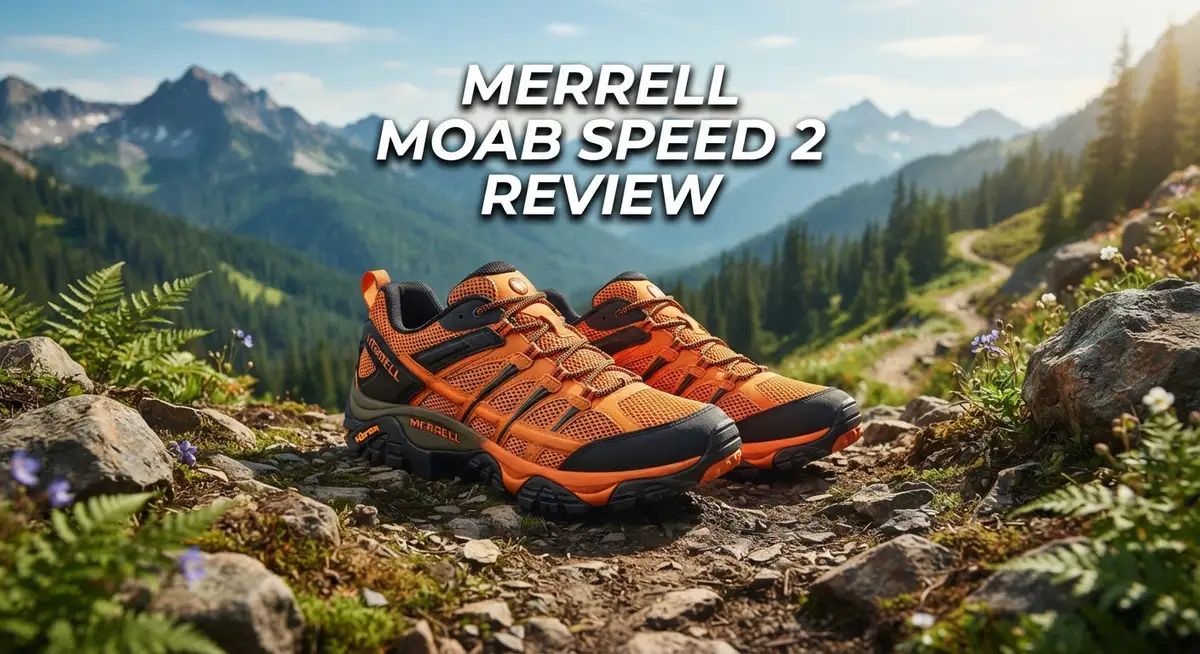
Merrell Moab Speed 2 Review: Lightweight Hiking Shoe?
Looking for a new hiking shoe? The Merrell Moab Speed 2 might be your answer.
This shoe brings comfort right out of the box. You won’t need any break-in time.
It features a Vibram TC5+ outsole with aggressive lugs. This gives you superior traction on climbs and descents.
The midsole has 30% more foam than before. Your feet and joints get extra protection on rough trails.
It’s also about 1.5 oz lighter than the original Moab. That means less fatigue on long hikes.
You can choose a waterproof GORE-TEX version or a breathable non-waterproof option. Both fit true to size with a roomy toe box.
In this review, we break down what makes this shoe stand out. We also compare it to top rivals like the Salomon X Ultra 5 GTX and Merrell Moab 3.
Let’s explore if this shoe deserves a spot in your gear closet.
In a Nutshell
Here is what you need to know about the Merrell Moab Speed 2 at a glance.
-
Traction stands out on this shoe. The lugs grip well on both climbs and descents.
-
The rockered design helps your foot roll forward naturally. This makes each step feel smoother.
-
Feet get plenty of room in the toe box. Wide feet will feel comfortable here.
-
The midsole feels stiffer than older Moab models. Some hikers may need time to adjust.
-
Toe and heel caps are plastic, not rubber. This means less protection on rocky trails.
-
Compared to the Moab 3, this shoe grips better on tricky terrain. It edges out its sibling in traction tests.
-
The overall build feels a bit clunkier than sleeker trail shoes. But it makes up for this with comfort and support.
This shoe suits hikers who want comfort and grip over long distances. It works well for moderate trails and day hikes alike.
Build and Materials
The Merrell Moab Speed 2 uses materials built for serious trail work. Let’s dig into what makes this shoe tick.
Outsole Construction
The shoe sits on a Vibram TC5+ rubber outsole. This outsole features aggressive slanted lugs that bite into rock and dirt. The slanted design works with the shoe’s rockered shape to help your foot move forward smoothly on steep terrain. Hikers report excellent grip on both uphill climbs and downhill descents. The lugs grip better than the Moab 3, giving you more confidence on loose or wet ground.
Midsole and Cushioning
Merrell packed 30% more foam into the Speed 2’s midsole compared to the original Moab. This extra cushioning creates a plush platform underfoot. Your feet and joints feel protected during long hikes on rocky trails. The rockered design works together with this thick foam to reduce foot fatigue. However, the midsole feels somewhat stiff. Some hikers prefer a more flexible feel, but the stiffness does add stability on uneven ground.
Upper Materials and Fit
The upper uses breathable mesh in the non-waterproof version. The waterproof GORE-TEX option keeps moisture out while still allowing airflow. Both versions feature plastic toe and heel caps. These plastic reinforcements protect against rocks and debris, though they offer less protection than traditional rubber caps. The fit runs roomy in the toe box. Your toes get plenty of space to spread naturally, which many hikers appreciate on long days.
Weight and Overall Feel
The Speed 2 weighs about 1.5 oz less than the original Moab. This lighter weight makes a real difference during all-day hikes. The overall build feels clunkier than sleeker trail shoes. This chunky design is intentional. Merrell prioritized protection and comfort over a slim profile. The materials work together to create a shoe that feels solid underfoot without being overly heavy.

- 39% recycled, breathable engineered mesh and TPU upper
- Protective and abrasion resistant synthetic heel and toe cap

Last update on 2026-10-24 / Affiliate links / Images from Amazon Product Advertising API
Comfort and Fit
The Merrell Moab Speed 2 excels in delivering comfort from the moment you slip them on. Your feet need zero break-in time with this shoe. The generous toe box gives your toes plenty of wiggle room, which matters on long hikes when your feet naturally swell.
The midsole cushioning feels exceptionally soft and supportive. Merrell increased the foam volume by 30%, so your joints get real protection on rocky trails and steep descents. This thick platform absorbs impact effectively, reducing fatigue during extended hiking sessions.
The rockered design works in your favor here. Your foot rolls forward smoothly with each step, making the hiking motion feel more natural and less tiring. This feature helps reduce strain on your calf muscles during uphill climbs.
However, the midsole does feel stiff compared to older Moab versions. Some hikers notice this stiffness takes a few outings to feel less rigid underfoot. The shoe prioritizes stability over flexibility, which appeals to hikers who prefer a planted, secure feel.
Fit consistency remains a strong point for this model. Merrell kept the roomy fit that made the original Moab popular. If you typically wear a medium width, you’ll find this shoe accommodates your foot without slipping or rubbing. The heel cup holds your foot securely without pinching.
The plastic toe and heel caps provide basic protection against brush and rocks. They’re lighter than rubber alternatives but offer less durability if you frequently kick obstacles. Your toes stay safe from minor bumps, though serious impacts might feel more direct than with rubber-capped shoes.
The non-waterproof version breathes exceptionally well thanks to its mesh upper. Your feet stay dry from sweat buildup on warm-weather hikes. If you choose the GORE-TEX waterproof option, moisture still escapes through the membrane while water stays out.
Overall, comfort defines the Moab Speed 2 experience. Merrell built this shoe for hikers who spend full days on trails and demand cushioning without sacrificing ground feel. Your feet will thank you after eight hours of hiking.
Traction and Grip Performance
The Vibram TC5+ outsole on the Speed 2 delivers aggressive slanted lugs that bite into loose terrain. These lugs work hard on steep ascents and technical descents where grip matters most. The lug pattern spacing helps shed mud and debris, so your shoe stays responsive even on wet ground.
What makes traction here different from other Moab models? The Speed 2’s lugs are grippier and more pronounced than the Moab 3. This means better contact with uneven surfaces. Hikers tackling rocky trails or scrambling over roots notice the difference immediately.
The rockered design amplifies traction performance. Your foot naturally rolls forward, which reduces slipping on descents. The shoe guides your step rather than fighting against the terrain. This feature pairs well with the aggressive outsole to keep you stable on steep slopes.
Wet conditions reveal another strength. The Vibram rubber grips muddy paths and slick rock without losing confidence. The tread pattern channels water away from your foot, maintaining contact with the ground surface below.
The outsole does show one limitation. Plastic toe and heel caps replace rubber in this model. While these caps protect against brush and small rocks, they don’t grip as effectively as rubber would. You’ll notice this mostly on very technical scrambles where your toe needs to catch an edge.
Loose scree and gravel present no real challenge. The lugs dig in and hold firm. Even on steep scree fields, the shoe keeps your feet from sliding. This makes the Speed 2 excellent for mountain passes and alpine routes.
Overall, traction ranks as a genuine strength of the Moab Speed 2. The combination of aggressive lugs and the rockered platform creates a shoe that handles difficult terrain with real confidence. Hikers who prioritize grip over other features will find this shoe performs reliably on challenging ground.
Top 3 Alternatives
Salomon Speedcross

- BEST FOR: For the next-generation Speedcross men’s trail running shoes, we revisited the essence...
- PROTECTIVE UPPER: Completely welded upper with disassociated Sensifit arms to move more naturally...
Last update on 2026-10-24 / Affiliate links / Images from Amazon Product Advertising API
Salomon Speedcross offers aggressive tread patterns that grip rocky terrain with confidence. These shoes excel on technical trails where you need precise foot placement. The shoe features a snug fit around the heel, which prevents sliding during downhill sections.
The Speedcross line uses Salomon’s Quicklace system for fast adjustments on the go. You get a lightweight design that doesn’t slow you down on long hikes. The outsole delivers excellent traction on wet surfaces, making them reliable in unpredictable weather.
ASICS Gel-Venture

Last update on 2026-10-24 / Affiliate links / Images from Amazon Product Advertising API
ASICS Gel-Venture brings superior cushioning for hikers who prioritize comfort over speed. The gel technology absorbs impact on every step, reducing fatigue during extended walks. These shoes work well on mixed terrain, from dirt paths to gravel trails.
The breathable mesh upper keeps your feet cool during warm-weather adventures. ASICS designed these shoes with a wider toe box, giving your toes room to spread naturally. The durable rubber outsole handles repeated use without wearing down quickly.
New Balance Fresh Foam

- FRESH FOAM CUSHIONING — Precision-engineered Fresh Foam midsole cushioning helps deliver a soft...
- ALL-DAY COMFORT — Designed for all-day wear and everyday running, this women’s shoe blends soft...
Last update on 2026-10-24 / Affiliate links / Images from Amazon Product Advertising API
New Balance Fresh Foam combines responsive cushioning with a natural feel underfoot. The Fresh Foam midsole adapts to your foot’s movement, providing support exactly where you need it. These shoes transition smoothly from pavement to light trail conditions.
The upper features reinforced overlays that protect your feet from brush and rocks. New Balance prioritizes versatility, so you can wear these shoes for daily activities and weekend hikes. The traction pattern handles moderate terrain without sacrificing everyday wearability.
Weight and Agility
The Merrell Moab Speed 2 strikes a smart balance between weight and agility on the trail. At roughly 1.5 oz lighter than the original Moab, this shoe moves faster without sacrificing the cushioning you need for long hikes.
Agility comes from smart design choices. The rockered midsole lets your foot roll forward naturally. This feature reduces the energy your legs burn with each step. You feel more nimble, especially on steep descents where momentum matters most.
The shoe’s weight distribution also plays a role. Merrell kept the frame lean while adding 30% more foam underfoot. This means you get cushioning that doesn’t weigh you down. Your feet stay protected without the heaviness of older trail boots.
However, there’s a trade off to know about. The midsole feels stiff compared to earlier Moab versions. This stiffness actually helps with stability on rocky terrain. It also means the shoe doesn’t flex as much as lighter, more nimble options. If you prefer ultra flexible shoes, you might notice this characteristic.
The overall build does lean toward “clunky” rather than sleek. The plastic toe and heel caps add durability without cutting weight aggressively. Some hikers love this solid, protective feel. Others who prioritize speed might find it slightly bulky.
Where agility truly shines is on technical sections. The Vibram TC5+ outsole with aggressive slanted lugs grips loose terrain instantly. Your feet stay planted even when you move quickly over gravel or scree. The rockered design amplifies this traction benefit, letting you confidently pick up your pace.
The Speed 2 suits hikers who want speed without abandoning comfort. You won’t feel like you’re running in clogs, but you also won’t experience the ultra lightweight feel of racing shoes. It occupies a smart middle ground.
The real agility test happens on mixed terrain. Ascents feel easier thanks to the lighter weight and forward roll design. Descents feel controlled because the midsole stays firm and the lugs bite hard. This shoe moves when you ask it to move.
Waterproofing and Weather Protection
The Merrell Moab Speed 2 comes in two distinct versions: one with GORE-TEX waterproofing and one without. Your choice depends on your typical hiking conditions and how much breathability matters to you.
The waterproof GORE-TEX version shields your feet from rain, stream crossings, and wet grass. GORE-TEX membrane technology keeps water out while allowing moisture vapor to escape. This matters most if you hike in rainy climates or frequently encounter water obstacles. The trade off is slightly reduced airflow compared to the non-waterproof model.
The non-waterproof version prioritizes breathability. Its mesh upper lets air flow freely around your foot. You’ll notice cooler, drier conditions during warm weather hikes. However, this version offers no protection against water. Wet conditions will soak through quickly.
Beyond the waterproofing choice, the Speed 2’s design handles weather reasonably well. The plastic toe and heel caps provide basic deflection against rain and splashes. They’re not as protective as rubber alternatives, but they do shed water to some degree. The midsole itself resists water absorption due to its foam construction.
The rockered sole design actually helps with weather protection. The curved shape naturally sheds water off the outsole. Water doesn’t pool as easily on the tread. This subtle feature keeps your grip consistent even when trails get wet.
One real limitation appears during heavy downpours. The mesh areas on the non-waterproof version will eventually saturate if you’re in sustained rain for hours. The GORE-TEX version handles this better, though even it has limits during extreme conditions.
For most three season hiking, either version works fine. Choose GORE-TEX if you hike in the Pacific Northwest, frequent wet mountains, or need stream crossing confidence. Choose the non-waterproof model if you prioritize breathability and mostly hike in dry seasons. Both versions keep your feet comfortable and protected in typical weather scenarios. The Speed 2 won’t disappoint you in either format.
Pros and Cons
Pros
- Exceptional comfort straight out of the box with zero break in period needed
- Grippier and more pronounced lugs than other Moab models for superior ascent and descent traction
- 30% increased foam underfoot cushions your feet and protects your joints on rough terrain
- Roomy fit accommodates wider feet and allows natural toe splay
- Lightweight design at roughly 1.5 oz less than the original Moab keeps fatigue low on long hikes
Cons
- Plastic toe and heel caps offer less protection than traditional rubber construction during rock impacts
- Stiff midsole feels less responsive compared to earlier Moab generations
- Clunkier overall design sacrifices sleek aesthetics for durability and cushioning
Who Should Buy It
The Merrell Moab Speed 2 appeals to a specific type of hiker. You should consider this shoe if you prioritize comfort and don’t want to spend weeks breaking in new footwear.
Fast hikers benefit most from this model. If you cover 10+ miles regularly and want a shoe that keeps pace with your speed, the Speed 2 delivers. The rockered design and reduced weight help you move quickly without sacrificing the cushioning your feet need.
Hikers with wider feet will appreciate the roomy fit. The shoe’s spacious toe box lets your toes spread naturally. You won’t feel cramped during long days on the trail.
People who hike on technical terrain should pay attention to the Vibram TC5+ outsole. The aggressive lugs grip steep ascents and descents better than many competitors. If your trails involve scrambling or loose rock, this traction matters.
Three season hikers find real value here. Spring, summer, and fall hiking works well with either the waterproof or breathable version. Choose the GORE-TEX option if you encounter frequent rain or creek crossings. Pick the non-waterproof version if you prioritize airflow on warm days.
Joint protection seekers benefit from the 30% increased foam underfoot. The plush midsole absorbs impact on rocky ground. If your knees or ankles take a beating on rough trails, this cushioning helps.
Lightweight backpackers should consider alternatives. While the Speed 2 is lighter than the original Moab, heavier hikers might prefer something even more minimal. The stiff midsole also feels less responsive for ultra-light enthusiasts.
Skip this shoe if you need maximum rock protection. The plastic toe and heel caps don’t shield your feet as well as traditional rubber construction. Hikers who frequently stub toes on boulders might want extra durability.
The Merrell Moab Speed 2 works best for comfortable, speedy hikers who want excellent grip and zero break-in time. If that describes your hiking style, this shoe earns serious consideration.
Final Verdict
The Merrell Moab Speed 2 stands out as a smart pick for hikers who value comfort and traction. Its Vibram TC5+ outsole grips technical trails with confidence. The plush midsole cushions every step without needing a break in period.
This shoe shines brightest on day hikes and multi day trips across varied terrain. Fast paced hikers will notice how the lightweight build keeps their feet fresh mile after mile. Wide footed hikers gain extra comfort from the roomy toe box.
That said, this shoe is not perfect for everyone. Hikers who cross rocky, technical terrain often may want more protection than the plastic toe caps provide. Those seeking a plush, flexible ride might find the midsole a bit stiff compared to older Moab versions.
When compared to the Salomon X Ultra 5 GTX, the Speed 2 offers a roomier fit but slightly less structured support. Against the Merrell Moab 3, it wins on traction and cushioning but loses a bit on toe protection. The Moab 2 Vent still appeals to hikers who prioritize breathability over rugged grip.
Overall, the Moab Speed 2 earns its place as a reliable three season trail companion. It balances comfort, traction, and weight in a way that suits most casual and moderate hikers well.
Who should buy it: Hikers logging long miles on mixed terrain, those with wider feet, and anyone who wants immediate comfort without a break in period.
Who might skip it: Ultralight backpackers chasing minimal weight, or hikers who scramble over sharp rocks and need heavier duty toe protection.
In short, the Merrell Moab Speed 2 delivers dependable performance for everyday trail use. It is not the lightest or most protective shoe on the market. But for hikers who want comfort, grip, and a roomy fit, this shoe checks the right boxes. It earns a strong recommendation for anyone building a versatile hiking shoe collection.
Frequently Asked Questions
Does the Moab Speed 2 need a break-in period?
No. The Moab Speed 2 arrives ready to wear on day one. Most hikers slip them on and hit the trail without any discomfort. The plush midsole and roomy fit work together to eliminate that awkward adjustment phase. You can pack these shoes and head straight out on a weekend hike.
How does the Vibram TC5+ outsole perform on wet rocks?
The Vibram TC5+ rubber grips wet surfaces very well. The aggressive slanted lugs bite into slippery terrain and keep your feet stable on descents. This outsole outperforms the Moab 3 in traction, especially when conditions get tricky. Hikers tackling stream crossings or rain-soaked trails will notice the difference.
Should I choose the waterproof or non-waterproof version?
Pick the waterproof GORE-TEX version if you hike in spring or deal with wet conditions regularly. Choose the non-waterproof option if you stick to dry seasons and prefer a lighter, more breathable shoe. Both versions share the same comfort and traction benefits. Your local climate matters most here.
Are these shoes good for scrambling over rocky terrain?
The plastic toe and heel caps provide less protection than rubber construction. If you frequently scramble over sharp rocks or kick through loose scree, you might want extra durability. The Speed 2 handles moderate rocky sections fine, but intense scrambling exposes a weak point. Consider this if rock protection is your top priority.
How do the Moab Speed 2 and Moab 3 compare?
The Speed 2 offers grippier lugs and a roomier fit. The Moab 3 provides more structured support. Speed 2 wins on traction and comfort; Moab 3 wins on stability. Choose the Speed 2 if you prioritize grip and natural foot movement.