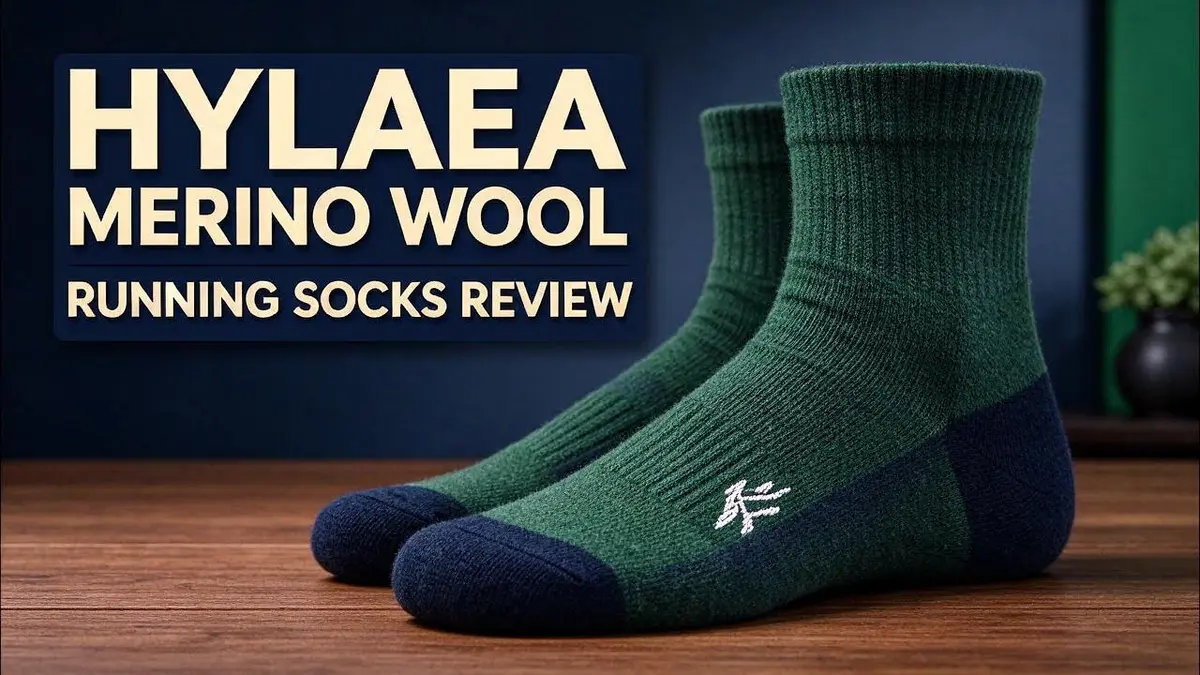
Hylaea Merino Wool Running Socks Review: Comfort, Fit and Performance Tested
Sore feet can ruin a good run. Blisters, sweat, and smelly socks make every mile feel longer.
That is why many runners try merino wool. It pulls moisture away from skin, resists odor, and keeps your feet comfortable in cool weather.
Hylaea makes merino wool socks with padding at the ankle, heel, and toe. Shoppers rate the brand’s Amazon listings around 4.5 to 4.6 out of 5.
One quick note first. Most Hylaea details we found come from ski and kids’ sock listings. We will flag what may not carry over to running.
This review covers comfort, breathability, and fit. By the end, you will know if these socks suit your stride.
In a Nutshell
-
Ratings look strong. Hylaea listings show 4.5 to 4.6 out of 5 stars. Those scores come from 701 to 6,871 shopper reviews.
-
The data comes from ski and kids’ models. The research found no direct running sock review. Treat the claims as a helpful guide, not proof of running performance.
-
Odor control stands out. Listings praise a fresh smell after long wear. The socks are also marketed as moisture wicking, which should help on sweaty days.
-
Warmth suits cool weather. The knee high cut and thermal build keep your lower legs cozy. Hot summer runs may feel too toasty.
-
No cons are documented. That does not mean the socks are flawless. Test them on a short run before a race or long session.
-
Rivals exist. Alvada, Danish Endurance, Ruixue, Rockay Accelerate, and Smartwool Mountaineer compete in this space. Most of them target hiking, not running.
Merino Wool Material and Fabric Quality
Merino wool comes from sheep, and its fibers are fine and soft. Many runners find it gentler on the skin than cotton or basic synthetic blends.
Many people expect wool to feel scratchy. Merino often feels smoother than they expect.
The fibers also handle moisture well. They pull sweat away from the skin. This helps feet feel drier during a steady run.
Hylaea describes its socks as moisture wicking. The research does not confirm how they perform on road or trail runs. Even so, the material has a strong reputation in outdoor gear.
Odor control is another strength of merino wool. Its fibers resist holding onto odor causing bacteria. That helps the fabric smell fresher after long wear.
Warmth matters too, especially on early morning runs. Merino traps air close to the skin in cool weather. It also keeps some warmth when damp, which helps on chilly mornings.
Thickness is a fabric question worth considering. Heavier knits offer more insulation but can feel warm in mild weather. Lighter knits suit faster runs in summer.
The exact blend matters as well. Many merino socks mix wool with nylon or spandex. Those fibers help socks keep their shape after many runs. Some blends also add stretch for a snug fit.
The research does not list Hylaea’s exact blend. Check the product label before deciding. Look for a clear fiber breakdown on the tag.
Fine fibers reduce itch for most wearers. Sensitive skin may still react, so a test run helps.
Care habits also shape fabric life. Wool can pill or thin when washed roughly. Cold water and air drying help socks last longer. Rotating two or three pairs also reduces wear on each sock.
Overall, the merino material looks promising for everyday runs. Still, the research contains no direct running test. Your own feet will give the final answer.

- Merino Wool Thermal Socks: Our cold-weather socks are uniquely crafted with Thermolite technology...
- Cozy and Comfortable: These knee-high socks are designed with thick terry loops in the forefoot...
Last update on 2026-10-24 / Affiliate links / Images from Amazon Product Advertising API
Cushioning, Fit and Sizing
Cushioning plays a big role in how a sock feels during a run. Thick padding can soften each step on hard pavement. Thin padding keeps the sock light and close to the foot.
Think about where you need support most. Some runners want extra cushion under the ball of the foot. Others want more softness under the heel. Ask yourself which spot hurts most after a long run.
The top of the sock matters too. A cuff that stays put avoids rubbing behind the knee. Runners who wear tights may also like a smooth, even feel at the top.
Fit matters just as much as padding. A sock that slides down can bunch up inside the shoe. That bunching can cause blisters or hot spots. A snug but comfortable fit usually works best.
The research does not include a Hylaea size chart. This means you should check the official size guide before you order. Most brands sort sizes by shoe size or foot length.
Measure your foot in the evening. Feet swell a little during the day. A measurement taken late gives a more accurate result.
Sock thickness can change the fit too. A thick pair needs a bit more room in the running shoe. If your shoes feel tight with thick socks, try a thinner pair for daily miles.
Here is a simple test. Put on the socks and walk around the house for a few minutes. Check for pinching at the toes, loose fabric at the heel, or tight bands at the top. If something feels wrong, the size may be off.
Keep in mind that the research relies on ski and kids’ listings. Running fit may differ from those models. Read recent customer comments about fit before you buy. Look for notes on whether sizes run large or small.
Moisture Wicking, Breathability and Odor Control
Sweat needs somewhere to go. When your feet heat up, sweat builds fast. A sock that holds water next to your skin can leave you soggy and sore.
Wicking is the key idea. Wicking means the fabric pulls sweat away from your skin and spreads it out. Less moisture on the skin means fewer hot spots and less rubbing.
Breathability works in a different way. Air needs to move through the knit so heat can escape. Hylaea listings describe a breathable build, but the research does not explain how dense the knit is.
Odor forms in damp conditions. Bacteria love warm and wet places. They break down sweat and create that sharp smell. Keeping the skin drier slows this process.
Rotation helps too. Let socks dry fully between runs. Many runners own two or three pairs and rotate them. This gives each pair time to air out.
Run length changes the picture. Long runs produce more sweat than short jogs. On warm days, watch how your feet feel at mile five compared with mile one.
Humidity tests every sock. Even merino can struggle on very muggy days. Pair these socks with breathable shoes for the hottest runs.
Check where the claims come from. The moisture and odor points come from ski and kids’ listings. Running conditions differ, so test a pair on your own routes first.
Try a simple sniff test. After a run, seal the socks in a bag for an hour. Then smell them. This shows how the fabric handles odor in your own conditions.
Dry feet feel better mile after mile. Comfort builds over time. A sock that stays drier gives you fewer distractions and more focus on your pace.
Top 3 Alternatives
Looking for a different pair of running socks? These three options deserve a close look. Each one offers comfort, durability, and a good fit for runners.
Smartwool Run Zero Cushion

- ABOUT THIS PRODUCT: Log miles in comfort with our Run Zero Cushion Ankle Socks 3-Pack. Made with...
- FEATURES: Crafted for women’s narrower feet, these ankle-length socks feature a Virtually Seamless...
Last update on 2026-10-24 / Affiliate links / Images from Amazon Product Advertising API
This sock blends soft merino wool for a comfortable feel. It has a thin, light build that suits fast runs and warm days. The zero cushion design keeps your foot close to the ground. Runners who want a natural feel often choose this sock.
Darn Tough Vermont Run

- Midweight with Cushion - A warm and extremely comfortable choice when conditions demand it, this...
- Micro Crew Height - A shorter, more concise take on the traditional crew height. Peeks just above...
Last update on 2026-10-24 / Affiliate links / Images from Amazon Product Advertising API
Many runners trust this sock because it comes with a lifetime guarantee. The smooth fabric dries quickly after sweaty miles. The snug fit helps the sock stay in place on long runs. Many runners also notice fewer hot spots with this pair.
Feetures Elite Light

- Sports Sock: These Feetures socks are engineered with Targeted Compression and anatomical design...
- Light Cushion Sock: These Feetures socks provide a thin cushion option without the bulk for added...
Last update on 2026-10-24 / Affiliate links / Images from Amazon Product Advertising API
This sock has a thin layer that pulls sweat away from the skin. It feels light and breathable, which makes it a good choice for summer training. The snug build helps the foot feel secure during hard efforts. It works well for runners who race often.
Choose the pair that matches your running style and local climate. Your feet will thank you for the right choice.
Durability and Care
Durability matters more than most people think. A good sock should keep its shape after many runs. Our research has no wear test data for Hylaea, so treat these tips as general guidance.
Heel and toe areas take the most wear. Friction builds up there with every stride. Look for reinforced stitching in these zones before you buy.
Check the seams after each wash. Loose threads can grow into holes. Snip them gently with small scissors.
Wash socks inside out. This protects the outer surface from pilling. It also keeps the fibers smoother over time.
Choose a gentle cycle with cool water. Heat can shrink wool fibers and weaken their elasticity. A mild detergent works well for most loads.
Skip fabric softener. It coats the fibers and can reduce their natural breathability. Wool does not need it to feel soft.
Avoid the dryer. High heat weakens fibers and causes shrinkage. Lay the socks flat on a towel or hang them in a shaded spot.
Use a mesh laundry bag. This stops socks from catching on zippers and rough fabrics. It also keeps pairs together, so fewer socks go missing.
Watch for signs of wear. Thin spots, small holes, or a stretched cuff mean the sock is nearing the end. Replacing worn pairs keeps your feet comfortable and protected.
Store them flat or loosely rolled. Folding them tightly can crease the fibers. A loose roll keeps the shape intact between runs.
Keep your expectations realistic. Even high quality socks wear down with frequent running. A simple routine helps them last longer. Wash them soon after each run, dry them fully, and inspect them once a month.
Suitable Running Conditions and Activities
Cold weather may be the best match. Merino wool holds warmth well, even when it gets a little damp. Listings describe Hylaea socks as thermal, so chilly morning jogs could feel more comfortable.
Mild spring and fall runs are another option. Many runners want a sock that feels light without feeling cold. A sock with moderate thickness can handle those in-between days.
Hot summer runs call for more caution. Some merino designs can feel warmer than expected, and the research does not confirm how these socks perform in heat. Test them on a short warm run before trying a longer effort.
Trail running puts extra demands on socks. Rocks, roots, and loose dirt can rub against the foot. Padding may help absorb some of that pressure, but the research includes no trail tests.
Road races need reliable comfort. A sock that slips or bunches can cause blisters over long miles. Pick a pair you have already worn on several training runs. Familiar socks lower the risk of surprises on race morning.
Treadmill and gym sessions suit a softer feel. Indoor runs usually involve steadier surfaces and temperatures. Comfort and warmth often matter more than extra grip in these settings.
Walking and recovery days are simple uses. Many runners wear comfortable socks for errands, rest days, and light walks. Merino socks can make those days feel cozy too.
Check the research gaps before you decide. The research contains no review of Hylaea running socks. Most data comes from ski and kids’ listings, so treat these points as a starting point.
Try them on your own routes first. Wear them on a few different runs and note how they feel. Pay attention to warmth, comfort, and fit on each outing. Your own experience will show the best use for your running style.
Pros and Cons
Pros
– Shoppers rate the listed models 4.5 to 4.6 out of 5 across thousands of reviews
– Padding at the ankle, heel, and toe adds extra cushion
– The knee high length covers more of the lower leg
– Listings claim the socks stay fresh smelling after use
– Merino wool can keep the feet warm on cold morning runs
Cons
– No reviews of these socks for running were found in the research
– The ratings come from ski and kids models, so fit may differ for runners
– No documented drawbacks appear for this brand yet
– Runners wanting a running focused option can compare roundup picks like Rockay Accelerate
Who Should Buy It
Hylaea may suit people who prefer natural fibers. Some shoppers avoid synthetic socks because they can feel stiff or hold odor after a long day. Merino wool offers a softer alternative. It also suits buyers who want a material that feels comfortable against the skin.
Everyday wearers may also like this sock. Many people want one pair that works at the gym, on errands, and during long workdays. This style can serve more than one purpose without much fuss. Many people also like one sock that stays simple to pack. Wool may suit those who move between activities often.
Parents shopping for young athletes should check the kids models. The brand lists options for children as well as adults. Look at the size details on each listing before ordering. Growing feet change size quickly, so check the chart often. A correct fit helps a growing runner stay comfortable on the road or track.
Runners who need proof should test a pair first. The research does not show any running reviews for Hylaea. Wear a new pair on a few short runs before trusting it on a race day or a hard training block. Short tests reveal problems early. Pay attention to rubbing, bunching, and dampness during each session.
Shoppers who want a sock made only for running may look elsewhere. The listings reviewed focus on ski and snowboard use. A sock designed for running may match those goals more closely. Compare running focused options before making a final choice. Some buyers may still enjoy the wool feel even with a different running pick.
In short, this pair suits buyers who value wool and everyday comfort. Runners who want proof should test it first. Parents can compare kids models with care. Choose the option that matches your routine and your feet best.
Final Verdict
Hylaea earns a mixed but hopeful verdict. Shoppers clearly like the brand. Proof for running use is still missing.
We see this sock as a promising candidate, not a proven runner’s pick. That difference should guide your choice.
Start with a short trial. Wear the pair on an easy 20 minute jog. Watch for slipping, hot spots, and seam rubbing.
Then try a longer run. Blisters often show up after the first hour. A sock that feels fine at minute ten can still fail at mile eight.
Check how the sock sits inside your shoe. Extra fabric can make a snug fit feel tight. Test it with the exact pair you plan to race in.
Pay attention to the cuff too. A tall sock should stay put without squeezing your calf. Any pinching during a run is a clear warning sign.
Buy from a seller that accepts returns. That gives you a safe way to test. It also lowers your risk.
Compare before you commit. Smartwool Mountaineer and Danish Endurance appear in roundups. Those lists focus on hiking, so treat them as a fit reference only.
Care matters too. Follow the label on the package. Gentle washing and air drying usually help wool socks last longer.
Who should buy? Casual runners who love wool should give Hylaea a fair shot. Keep a simple log of comfort after each run.
Who should wait? Racers who need documented results should hold off. Real runner feedback would change this advice quickly.
Add the pair to your weekly routine slowly. Use it for short runs first, then add distance as comfort grows.
Our final take: Hylaea earns a cautious try it rating. The good signs are real. The risk stays small if you test with care.
We hope runner reviews appear soon. Until then, let your own feet make the call.
Frequently Asked Questions
Are these socks good for hot weather runs?
Listings describe these socks as thermal, so they may feel warm on hot days. Save them for cooler runs first. Notice how your feet feel after a few miles. If they feel too warm, switch to a lighter pair for summer.
Do these socks prevent blisters?
The research does not confirm this. The padding may add comfort, but no test results prove blister protection. Watch for rubbing during your first few runs. Stop and adjust if you feel any hot spots.
How should I choose the right size?
Check the size chart on the product page before you buy. Size charts can differ between ski models and running models. Pick a pair that feels snug but not tight around the calf.
Are these socks a good first pair for new runners?
They can work well for short jogs and easy walks. New runners can wear them while they build a routine. Keep your first runs short so you can see how the socks feel over time.
Can I use these socks for indoor workouts?
Yes, you can try them during gym sessions or home workouts. The cushioning at the heel and toe may feel nice during jumps and quick stops. Wear them with supportive shoes to get the most comfort from the padding.