
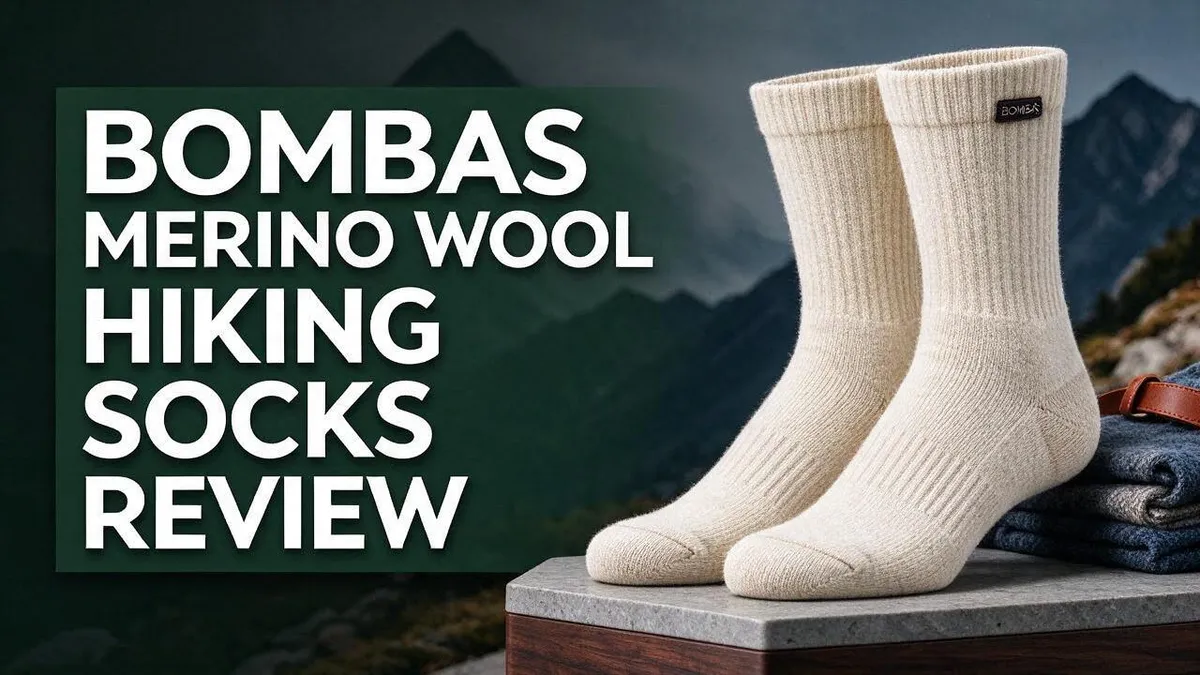
Bombas Merino Wool Hiking Socks Review: Are They Worth It on the Trail?
Sore, damp feet can ruin a great hike. The right socks fix that problem fast.
Bombas makes merino wool hiking socks in quarter and calf cuts. The calf style also comes in a heavyweight option in dark balsam.
Shoppers like them. 1,299 reviews average 4.7 out of 5 on the Bombas site. One hiker said their feet stayed comfy and dry in high heat.
Bombas also donates one pair to a shelter for every pair sold. That adds a good feeling to every trail mile.
Some buyers report problems, though. One Reddit user saw socks wear out within 4 to 5 wears. Another said they sell out often.
This review covers comfort, cushioning, and durability. We also compare them with Darn Tough, Smartwool, and Athleta.
In a Nutshell
-
Best for: Hikers who want a plush, cushioned feel underfoot. The heavyweight calf version in dark balsam suits cooler trails.
-
Rating: Buyers give these socks 4.7 out of 5 across 1,299 reviews on the Bombas site.
-
Comfort: One customer said their feet stayed comfy and dry in high heat. The honeycomb arch support also gets praise in comparisons.
-
Durability: One Reddit user saw their pair wear out within four to five wears. That makes long term toughness the biggest question mark.
-
Availability: Another Reddit user said the socks are often sold out. You may need to wait for a restock.
-
Rivals: Darn Tough is the main alternative, with a blend of 54% nylon, 43% merino, and 3% spandex. Smartwool and Athleta also compete for the same hikers.
Material and Fabric Blend
Fabric choice shapes how a sock feels after miles on the trail. Bombas mixes merino wool with other fibers to balance warmth, softness, and stretch.
Merino wool keeps heat in on cold mornings. It also lets air move when the trail gets steep and hot.
Some Bombas styles also use lightweight cotton. Cotton feels soft against the skin and suits warm weather walks or casual wear around town.
Blends matter because pure wool can feel bulky. Adding synthetic fibers gives the sock more shape, so it hugs the foot without slipping.
Many hikers ask whether cotton or wool suits longer trips. Wool usually wins on multiday treks because it resists odor better over time, so socks stay fresh longer.
Honeycomb arch support shows up in many comparisons too. This knit pattern can help lift the foot and ease fatigue on rocky paths.
Check the fabric label before you buy. Look at the wool content, the stretch fibers, and the intended use. A summer trail sock feels very different from a heavy winter pair.
Care changes fabric life too. Wash socks inside out in cold water and skip the dryer. Gentle care helps the knit keep its softness over time.
Fiber mix also affects how socks handle sweat. Wool absorbs moisture without feeling soggy, which keeps skin calm during long climbs and fast descents.
Think about your hiking style before choosing. Pick the blend that matches your trail, your climate, and how often you plan to hike.
Good fabric choices lead to happier feet on any trail. Smart picks help you enjoy every mile without thinking about your socks at all on the trail.

- Composition:Anlisim womens hiking socks are made of 70% Merino Wool, 23% Polyester, 5% Spandex...
- Package and Size:Here are 5 pairs merino wool hiking socks for women. And here are 2 sizes as...
Last update on 2026-10-24 / Affiliate links / Images from Amazon Product Advertising API
Cushioning, Fit and Arch Support
Cushioning plays a big role on rocky trails. Thick padding under the heel and ball of the foot absorbs shock with every step. Your joints feel less jolt on long descents.
The fit decides how much that padding helps. A snug heel pocket keeps the sock in place. Loose socks bunch up and rub, which leads to blisters.
Check the sizing chart before you buy. Choose the size that matches your shoe size. A sock that feels too tight squeezes the toes and slows circulation.
Arch support works in a different way. A supportive band hugs the midfoot. This helps the foot stay steady on uneven ground and steep climbs.
Test the socks in your own boots at home. Walk up and down stairs for a few minutes. Watch for slipping at the heel or pressure across the top of the foot.
Those signs show a poor fit. Keep the socks if your feet feel steady and snug.
Sock thickness matters too. Thinner socks leave more room in narrow boots. Thicker calf socks suit roomy boots and cold weather trips.
Heel comfort deserves attention. Pay attention to padding that sits behind the ankle bone. This spot often rubs during steep downhill hikes.
Break in new socks slowly. Wear them on short walks first. Your feet adjust, and the fit feels more natural over time.
Good fit and support make hikes feel easier. Your feet stay calm, and your focus stays on the views.
Trust your own feel most of all. Reviews help, but your feet know best. Try a short test hike before a big trip. Keep a spare pair in your pack.
Moisture Management and Temperature Comfort
Your feet sweat more than you might expect on a long climb. Trapped moisture leads to cold spots and rubbing. A good sock pulls that dampness away so your skin stays drier and calmer.
The fibers inside each sock play a big role here. Merino can absorb a fair amount of water vapor before it feels wet. That means your toes can stay less soggy on humid days. Blend fibers can help the sock dry faster after a creek crossing.
Temperature control matters just as much as dryness. Your body heats up on steep sections and cools down during breaks. A sock that adapts to these shifts keeps you comfortable all day long.
Pick the cut based on your weather and trail length. Taller calf styles suit chilly starts and snowy patches. Shorter quarter cuts feel better when the trail stays warm and dry.
Odor control also links to moisture. Damp socks give bacteria a place to grow. That leads to stronger smells after a long day. Hang your socks to air dry at camp to keep them fresh.
Layering can help too. A thin liner under a thicker sock may pull sweat away from the skin. Many hikers find this combo keeps feet steadier on long days. Try the combo on a training hike before a big trip.
Keep an eye on how your feet feel at each rest stop. Cool, dry skin usually signals a good match. Damp toes or clammy heels suggest the fabric is not doing its job.
Your feet give clear signals, so listen closely. Those signals help you choose well for each climb.
Top 3 Alternatives
Darn Tough Hiker

- Lightweight with Cushion - Light and strong with a thin layer of cushioning along base of foot. Our...
- Micro Crew Height - A shorter, more concise take on the traditional Crew Height. Peeks just above...
Last update on 2026-10-24 / Affiliate links / Images from Amazon Product Advertising API
Looking for socks that last for years? The Darn Tough Hiker is a strong pick. It uses merino wool blended with nylon, which keeps feet warm and dry on long trails. The sock also comes with a lifetime guarantee, so you can wear it hard without worry.
Many hikers say the cushioning feels just right in the heel and toe. The fit stays snug without pinching. Each pair is made in the United States, which many buyers value. The knit comes in several thicknesses, so you can pick the right level of warmth.
Smartwool Hike Light

- ECO-CONSCIOUS HIKING. Focusing on comfort and durability so you can go farther on every hike these...
- FULL CUSHION. Made with cushioning on the entire sock, these merino wool hiking socks for men...
Last update on 2026-10-24 / Affiliate links / Images from Amazon Product Advertising API
Want a lighter sock for warm weather? The Smartwool Hike Light fits that need. It has thin cushioning and a breathable knit, so your feet stay cool even on steep climbs. The fabric moves sweat away from your skin.
It also resists odor well. Many people wear it for day hikes, camping trips, and long walks in the park. The arch support feels gentle and steady. It is a good choice if you hike often in mild or hot conditions.
Feetures Elite Light

- Sports Sock: These Feetures socks are engineered with Targeted Compression and anatomical design...
- Light Cushion Sock: These Feetures socks provide a thin cushion option without the bulk for added...
Last update on 2026-10-24 / Affiliate links / Images from Amazon Product Advertising API
Do you prefer a sock that hugs your foot? The Feetures Elite Light offers a close, sleek fit. Its thin build works well in summer, and moisture leaves your skin fast. Your feet feel dry even after a sweaty climb.
The sock has a reinforced heel and toe. These spots wear out first, so the extra material helps the sock last longer. It works well for quick hikes and trail runs. If you like a minimal feel without losing comfort, this sock is worth a look.
Durability and Long-Term Wear
Durability matters most after many miles on the trail. Socks face rocks, grit, and sweaty days inside boots. Bombas builds its merino wool blend socks to handle that daily stress.
One Reddit user reported that a pair began to wear out after four or five wears. That story shows how quickly heavy use can change a sock. Trail conditions and boot fit also play a role in how long each pair lasts.
Heavier calf styles may hold up better on rugged ground. Extra material around the shin and foot can absorb more abrasion. Hikers who cover steep, rocky paths often notice the difference over several months.
Check the heel and toe areas first. These spots take the most pressure on steep descents. Look for thin patches, holes, or loose knit after each trip. Catching early signs helps you decide when to replace a pair.
Rotate your socks between hikes. Giving each pair a rest day lets the fibers recover their shape. This simple habit can stretch the life of your favorite pairs.
Keep a small log of how many miles each pair covers. Patterns appear over time. You can then predict when a sock needs replacing before blisters show up. Trust what you see and feel.
Many buyers report steady performance over several months of weekend use. Good habits make a bigger difference than most people expect.
Store socks in a dry drawer between trips. Damp storage can weaken fibers over time. Pair them by type so they stay together. Inspect them before every hike. A quick look can save you from a blister on the trail. Fresh socks feel better on a long climb.
Cut Options and Styles: Quarter vs. Calf
Bombas builds its hiking socks in two main cuts. The quarter cut stops right above the ankle bone. The calf cut rises higher and covers much of the lower leg.
Choose a quarter cut for low shoes and warm days. Trail runners and light hiking shoes leave the ankle exposed. A quarter sock keeps the look clean and lets air reach the skin. Many hikers pick this cut for short day trips in mild weather.
Choose a calf cut for tall boots and rough brush. The longer length covers the shin and blocks scratches from thorny plants. The top edge also tucks neatly under the cuff of a boot. This cut feels less like a separate layer and more like part of the boot system.
The heavyweight calf version in dark balsam adds warmth for cold mornings. It suits hikers who start early in chilly air or climb to higher elevations. Pair it with a thin base layer for a comfortable mix of warmth and breathing room.
Think about your boot height first. Stand up in your boots and check where the sock top sits. A quarter sock may slip down if your boot has a high collar. A calf sock may bunch if your boot sits low on the leg.
Some hikers dislike a sock top that rubs against the calf. Pull the sock up, walk a few steps, and see whether the cuff stays in place. Other brands like Darn Tough and Smartwool also sell taller styles, so compare the top edges side by side.
Ultimately, your route and footwear decide the right cut. Short trails with open ground suit quarter socks. Long days with brush, rocks, and tall boots suit calf socks.
Value, Availability and the Giving Program
Bombas has a simple giving promise. For every pair you buy, the company donates one pair to a shelter.
This program adds real meaning to each order. Your feet get support, and someone in need gets warm socks too.
Many shoppers like knowing that their purchase helps another person stay comfortable.
Availability is the next thing to check. One Reddit user noted that these socks sell out often.
Stock can change fast, so check the product page before you plan a long trip.
Set a restock alert if your size runs out. Many sites offer email alerts for popular items.
Stock may run low during busy seasons. Order early when you know you need new pairs for a trip.
Buying a multi pack is another smart move for regular hikers. It keeps spare pairs at home, so you never wait on a restock.
The reviews also support the purchase. Bombas shows 1,299 reviews averaging 4.7 out of 5 on its site.
Compare other brands before you commit. Darn Tough, Smartwool, and Athleta also make wool socks with different fiber blends.
Read the labels and choose the blend that suits your trails best.
Shopping early also gives you time to test fit. Try the socks in your usual boots during a short walk.
Returns and exchanges matter too. Check the return policy before you buy, so you know your options.
Good planning helps you enjoy the giving program without missing your size.
A small step like this saves time and frustration.
The giving program and steady reviews make Bombas a strong pick for many hikers. Keep an eye on stock, and choose the cut that fits your trail.
Pros and Cons
Pros
- Strong ratings: 1,299 reviews average 4.7 out of 5 on the Bombas site.
- Extra cushioning helps feet feel comfy on long days.
- Honeycomb arch support adds a snug feel through the middle of the foot.
- One customer said their feet stayed dry in high heat.
- Each purchase also sends one pair to a shelter.
Cons
- Most ratings come from the Bombas site, so opinions may lean positive.
- The heat performance story rests on just one customer.
- Heavier calf styles can feel warm on mild days.
- Darn Tough uses a different blend with more nylon, so the feel may differ.
Who Should Buy It
Bombas socks fit many kinds of hikers. This section shows who gets the most benefit from them. Read on to see if your style matches.
Day hikers who walk several times a week will likely find these socks useful. Frequent trips mean frequent washing, so a second pair helps. Rotating socks keeps each pair from wearing out too fast.
Weekend trekkers who love cold mornings may enjoy the heavyweight calf version. Thick fabric holds warmth when the air feels sharp at dawn. Early starters often want that extra layer.
People with sensitive skin should test a pair first. Merino wool often feels softer than rough outdoor fabrics. Still, every body reacts differently, so a short walk shows if the fit works.
Hikers who prefer natural fibers may like the wool content. The blend mixes merino with other materials. Check the label if you want a specific mix before you buy.
Gift buyers often look for practical outdoor presents. A pair of these socks works well for a friend who hikes. Most hikers appreciate a useful item they can wear right away.
Casual walkers and city commuters may also enjoy them. Thick cushioning suits long days on hard pavement. A trail sock may feel warm on a mild city stroll, though.
Ultralight backpackers should look at thinner options. Extra cushioning adds bulk to a tight pack list. Someone who counts every gram may prefer a lighter sock.
Wet weather hikers should pack a spare pair. Wool holds some moisture, but these socks are not a waterproof layer. A dry backup pair keeps feet safer on rainy trips.
Your daily habits decide the best fit. Think about how often you hike, the weather you face, and how your feet feel in cushioning. A quick check of your routine makes the choice much easier.
Final Verdict
Bombas Merino Wool Hiking Socks earn a solid recommendation for most trail walkers. They mix comfort, cushioning, and a giving mission in one pair.
The biggest win is everyday comfort. Reviewers praise the quality, and the soft padding makes long walks feel gentler on your feet.
One concern needs attention. A Reddit user said a pair wore out within 4 to 5 wears. That is a single report, but it is worth watching.
Treat your first few hikes as a test run. Wash the socks as the label says. Check the heel and toe after each outing.
Here is the simple summary.
Buy them if you want a cushioned sock for regular day hikes and cool weather trips. You also get a brand that gives back.
Look elsewhere if you need proven wear for rough, multi day treks. Smartwool and Athleta offer other merino options worth a look.
Pair your socks with boots that fit well. Even great socks cannot fix a boot that rubs.
Your feet are your most important hiking gear. Good socks help you focus on the trail instead of hot spots and sore arches.
Start with one pair and test it on a short loop. Notice how the cushioning feels after two hours. Then decide if you want more pairs in your hiking rotation.
The bottom line: Bombas makes a comfortable, well reviewed sock that deserves a spot in your pack. Keep your expectations realistic about durability, and watch how your pair holds up.
Frequently Asked Questions
Which cut should I pick, quarter or calf?
Quarter socks sit low on the ankle. They suit warm trails and short day hikes. Calf socks rise higher and cover more of your leg. Choose calf if your trails have tall grass, brush, or sharp debris.
Do these socks run true to size?
Check the size chart on the Bombas site before you order. Compare it with a pair of socks you already own and like. Pick the size that matches your shoe size so the sock stays smooth and does not bunch up.
Should I rotate pairs on long hikes?
Yes, rotating two or three pairs can help your socks last longer. Each pair gets time to rest and dry between hikes. This also keeps wear spread out across your collection instead of hitting one pair hard.
What should I do if my size sells out?
Stock can run low, so check back often if your size is gone. Plan ahead before a big trip. Buying a pair early gives you time to test it on a short walk first.


