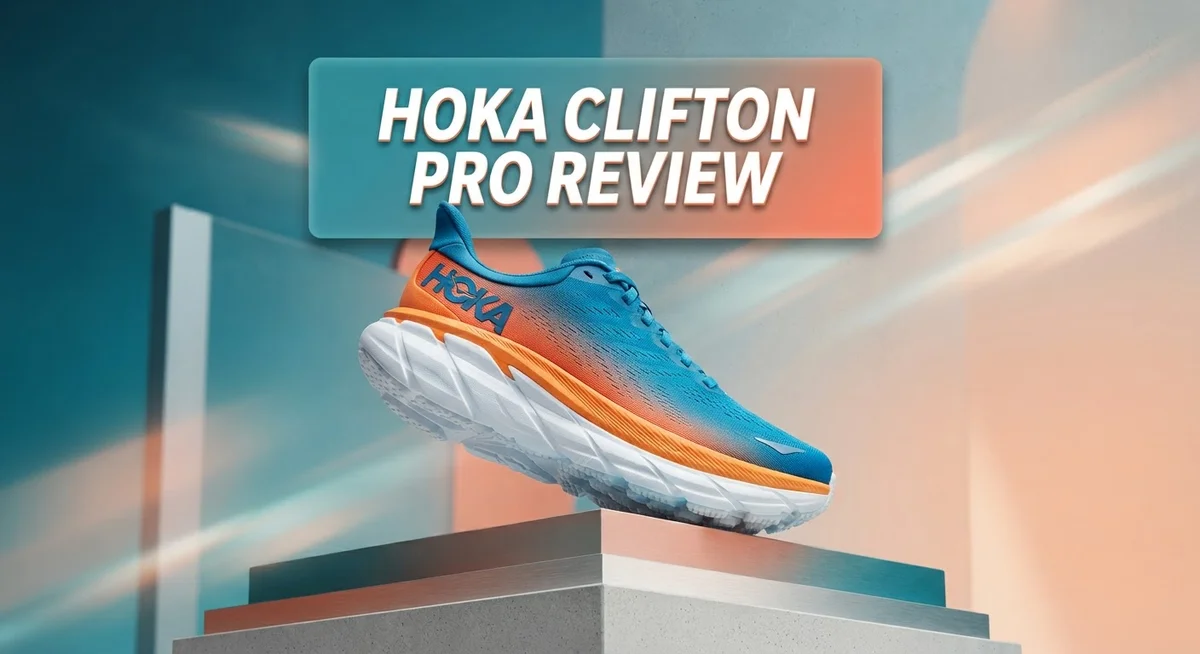
Hoka Clifton Pro Review: Quality, Comfort & Stability Analysis
Looking for a daily trainer that feels bouncy and stable? The Hoka Clifton Pro might be your answer.
This shoe brings a springy ride to every run. It uses PROGLIDE+™ foam for a smooth, responsive feel underfoot.
The 46mm stack height gives you plenty of cushion. Yet the shoe still feels light on your feet during long miles.
Stability is where this shoe truly shines. It handles varied terrain with confidence, so you can run roads or trails without worry.
The breathable mesh upper keeps your feet cool. Your runs stay comfortable from start to finish.
Is the Clifton Pro the right upgrade from the Clifton 10? We put it to the test. This review covers everything you need to know before your next run.
In a Nutshell
Here is the quick rundown on the Hoka Clifton Pro before you dive deeper into this review.
-
The PROGLIDE+™ foam uses supercritical EVA technology. This gives the midsole a lively feel that lasts mile after mile.
-
An aggressive MetaRocker™ geometry rolls your foot forward naturally. Each stride feels smooth and effortless.
-
This shoe works well for daily training runs. It handles easy jogs and faster efforts with equal comfort.
-
The comfort collar wraps your ankle nicely. Your foot stays locked in without any rubbing or slipping.
-
Compared to the Clifton 10, this model carries a bit more weight. That extra material adds durability though.
-
Some runners note limited terrain versatility. This shoe truly shines on roads and light trails rather than technical terrain.
-
Against rivals like the Asics Superblast 3 and Nike Vomero Plus, the Clifton Pro holds its own. It offers a unique blend of bounce and stability that many competitors struggle to match.
Midsole Technology and Cushioning
The midsole is where the Clifton Pro truly stands out. PROGLIDE+™ foam forms the core of this shoe’s cushioning system. This supercritical EVA technology creates a responsive yet protective layer beneath your feet.
What makes this foam special? Supercritical foam uses high pressure and CO2 to create a lighter, more efficient material. You get more bounce without extra weight. The result feels springy underfoot, almost like your foot wants to push off the ground naturally.
The stack height measures 46mm in the heel and 38mm in the forefoot. This 8mm drop gives you a smooth transition from landing to takeoff. The height provides serious cushioning for daily miles without feeling disconnected from the ground.
MetaRocker™ geometry works hand in hand with the foam. This aggressive rocker shape guides your foot through a natural rolling motion. You don’t have to think about it. Your foot simply flows from heel strike to toe-off with minimal effort. This reduces fatigue on longer runs.
The cushioning responds differently depending on your pace. During easy runs, the foam absorbs impact softly. When you push harder, it firms up and returns energy to your stride. Runners report that this responsiveness feels intuitive and encouraging.
Stability comes from more than just the foam. The midsole’s geometry keeps your foot centered and supported. Combined with the breathable upper, the entire shoe works as one system to keep you comfortable.
One thing to note: the Clifton Pro sits slightly heavier than the Clifton 10. This extra weight comes from enhanced cushioning and support features. Some runners embrace this trade off for the added comfort. Others prefer the lighter feel of the previous generation.
The midsole technology makes this shoe versatile for various running styles. Whether you run easy recovery miles or tempo sessions, the cushioning adapts. This adaptability is why many runners keep the Clifton Pro in regular rotation throughout their training week.

- JACQUARD KNIT UPPER
- Lining Textile
Last update on 2026-10-10 / Affiliate links / Images from Amazon Product Advertising API
Upper Design and Breathability
The upper mesh on the Clifton Pro gets serious attention to detail. Hoka engineered this fabric specifically to move air through the shoe while keeping your foot secure. You’ll notice the material breathes well during intense runs and easy recovery days alike.
The comfort collar sits snugly around your ankle. It provides gentle support without creating pressure points or rubbing. This design choice matters because many runners experience chafing on long runs, but the Clifton Pro minimizes that problem.
Breathability stands out as a real strength here. The mesh doesn’t trap heat or moisture the way some dense fabrics do. Your feet stay dry and cool even when temperatures climb. This becomes especially valuable during summer training or speed work sessions.
The upper construction uses a single layer approach in key areas. This reduces bulk while maintaining durability. You get a shoe that feels responsive underfoot without unnecessary weight around your midfoot.
One practical feature: the collar design integrates smoothly with the lacing system. Your laces stay put throughout your run. The transition from the collar to the midsole feels natural and doesn’t create dead zones where your foot shifts.
The engineered mesh also adapts to different foot shapes reasonably well. Runners with narrow feet report a snug fit, while those with wider feet find adequate room. The fabric stretches slightly without losing its structural integrity.
Air circulation patterns in the upper help regulate temperature during varied paces. Whether you’re cruising easy or pushing hard, the shoe responds with appropriate ventilation. This matters because overheating can lead to blisters and discomfort.
The upper doesn’t feel flimsy or cheap. The mesh quality suggests Hoka invested in materials that last multiple seasons. Compared to competitors like the Asics Superblast 3, the Clifton Pro’s upper feels equally breathable but slightly more refined.
Overall, the upper design balances protection with airflow effectively. You get a shoe that keeps your foot cool while maintaining the support structure needed for daily training runs.
Fit, Comfort and Support
The Clifton Pro delivers a fit that feels natural from your first stride. The shoe accommodates most foot shapes without requiring a break in period. Your foot sits securely in the midfoot thanks to the engineered mesh that gently wraps around your arch.
The comfort collar deserves special mention here. It cushions your ankle without creating pressure points. The design eliminates that pinching sensation you get with some trainers. Your heel stays locked in place during turns and tempo changes.
Comfort shines through consistent wear. The PROGLIDE+™ foam responds to your body weight with a soft landing feel. Each step feels cushioned but not overly squishy. The midsole maintains its supportive character mile after mile without flattening out quickly.
Support comes from multiple angles on this shoe. The aggressive MetaRocker™ geometry naturally guides your foot through its motion. Your ankle gets lateral support without rigid structures that limit mobility. The forefoot rocker encourages a smooth toe off transition.
Width accommodation works well for average to slightly wider feet. Runners with very narrow feet may experience minor heel slippage, though most users report a secure fit. The mesh upper stretches slightly to accommodate swelling during longer runs.
Heel to toe transition feels smooth and intentional. The stack height difference between heel (46mm) and forefoot (38mm) creates a natural pitch. This geometry reduces strain on your calf and Achilles tendon during daily training sessions.
The cushioning balance hits a sweet spot. It’s soft enough to absorb impact on hard pavement yet responsive enough for tempo work. The foam doesn’t feel mushy underfoot. You maintain ground feel without sacrificing protection.
Temperature regulation stays consistent throughout your run. The breathable mesh prevents your foot from overheating during warm weather sessions. Moisture doesn’t accumulate inside the shoe even during intense efforts.
One consideration: the shoe performs best for neutral runners. Overpronators may need additional support features found in other models. The overall fit runs true to size for most runners, so standard sizing recommendations apply without adjustment needed.
Top 3 Alternatives
Nike Vaporfly Next

- Nike Vaporfly 4 Men's Road Racing Shoes
- Men to Women Sizing
Last update on 2026-10-24 / Affiliate links / Images from Amazon Product Advertising API
The Nike Vaporfly Next delivers speed-focused performance for runners who want competitive edge. This shoe features a carbon-fiber plate that works with responsive foam to propel you forward. The design sits low to the ground, which reduces energy waste during each stride.
Runners appreciate the snug fit that keeps your foot locked in place. The upper wraps around your heel and midfoot securely. You get a lightweight feel without sacrificing support on longer distances.
New Balance FuelCell

- FUELCELL FOAM TECHNOLOGY - Propulsive FuelCell foam delivers a remarkably responsive underfoot feel...
- FANTOMFIT BONDED UPPER - Ultra-light FantomFit upper offers bonded support without bulk, creating a...
Last update on 2026-10-24 / Affiliate links / Images from Amazon Product Advertising API
New Balance FuelCell shoes combine energy return with everyday comfort. The FuelCell foam bounces back with each step, giving you that spring-like sensation runners crave. This technology works well for both training and racing scenarios.
The shoe offers a balanced platform that feels stable underfoot. Your foot stays centered during quick transitions and turns. The rubber outsole grips well on various surfaces, from track to road.
ASICS Metaspeed Sky

- MOTION WRAP 2.0 upper is designed to improve breathability and comfort
- FF TURBO PLUS cushioning: Improves compression and helps provide more energy savings
Last update on 2026-10-24 / Affiliate links / Images from Amazon Product Advertising API
ASICS Metaspeed Sky focuses on vertical propulsion and quick ground contact. The shoe uses FF Blast Plus foam that feels responsive and lively. A carbon-fiber plate guides your foot through a smooth rolling motion.
The upper construction provides excellent breathability for warm weather running. Your foot stays cool during intense efforts. The heel-to-toe drop encourages a natural running cadence that many athletes find comfortable.
Each of these options offers different benefits. Nike emphasizes pure speed potential. New Balance balances comfort with performance. ASICS prioritizes upward energy and quick transitions. Your choice depends on your running style and what feels best during your test runs.
Terrain Versatility and Rocker Geometry
The Clifton Pro handles multiple surfaces with impressive consistency. The aggressive MetaRocker™ geometry creates a smooth rolling motion that works equally well on roads, tracks, and packed trails.
Rocker geometry fundamentals matter here. The curved sole design reduces the work your foot needs to do during push off. You get a natural momentum that carries you forward without excessive effort. This design choice makes the shoe feel faster than it actually is.
The shoe excels on hard surfaces. Road running feels smooth and responsive. The PROGLIDE+™ foam absorbs impact effectively without feeling mushy or unstable. Your foot lands softly, then springs back up with noticeable energy return.
Varied terrain presents no real challenge. The outsole pattern provides enough grip for light trail work. You won’t want to tackle technical mountain terrain, but gravel paths and dirt roads work fine. The rocker geometry keeps you stable on uneven ground because the curved sole maintains contact with the surface.
Pace adaptation is a key strength. Run slowly and the cushioning feels plush and forgiving. Speed up and the foam becomes more responsive and snappy. This dual nature means the shoe performs well whether you’re doing easy recovery runs or tempo work.
The 46mm heel and 38mm forefoot stack creates a 8mm drop. This moderate drop encourages a natural stride without forcing your foot into an unnatural position. The geometry works with your body’s mechanics rather than against them.
Stability on varied terrain comes from multiple factors. The rocker design keeps your center of gravity stable. The foam responds consistently across different surfaces. The wider platform under your heel adds confidence when things get rough.
One practical point: the Clifton Pro isn’t a dedicated trail shoe. Rocky or highly technical terrain requires more aggressive tread patterns. Casual trail running works fine, but serious off road adventures demand something more specialized.
The rocker geometry ultimately makes this shoe remarkably versatile. You can wear it for daily training across different surfaces without worrying about performance drops. The combination of responsive foam and smart design means terrain variety becomes less of a concern.
Durability and Weight Comparison
The Hoka Clifton Pro weighs slightly more than its predecessor, the Clifton 10. This difference matters if you’re chasing speed or logging high mileage. The extra grams come from the PROGLIDE+™ foam and the engineered mesh upper, both of which prioritize comfort and responsiveness over minimalist weight.
Weight distribution feels even across the shoe. You won’t notice a heavy heel or a clunky forefoot. The 46mm heel and 38mm forefoot work together to keep the shoe balanced, so the additional weight doesn’t translate to sluggish performance.
Compared to direct competitors like the Nike Vomero Plus and Asics Superblast 3, the Clifton Pro sits in the middle ground. It’s lighter than the Vomero Plus but slightly heavier than the Clifton 10. The trade off is worth it because you gain durability and a more responsive ride.
Durability shows up in real world use. The breathable engineered mesh holds up well to repeated runs and washing. The PROGLIDE+™ midsole resists compression better than standard EVA foams. Most runners report consistent performance even after 300 plus miles of training.
The aggressive MetaRocker™ geometry actually extends shoe life. The rocker shape distributes impact forces across a wider surface area, which reduces wear patterns on specific spots. This means your outsole doesn’t develop premature holes or flat spots as quickly.
Heel wear remains minimal because the rocker design encourages a natural roll through your stride. The upper construction with its single layer approach in key areas stays intact longer than thicker, more rigid alternatives.
Longevity comes from smart engineering, not just bulk. The Clifton Pro proves that weight and durability don’t have to conflict. You get a shoe that feels light on your feet while still holding up to serious training demands. The combination of responsive foam and protective mesh creates a shoe that lasts through seasons of consistent use without feeling heavy or sluggish.
Pros and Cons
Pros
- Bouncy, responsive PROGLIDE+™ foam gives you that springy feel with every stride
- Exceptional stability on varied terrain keeps you confident on different surfaces
- Excellent breathability in the engineered mesh upper keeps your feet cool during runs
- Versatile daily trainer works for neutral runners tackling multiple paces and distances
- Strong rocker geometry encourages a natural roll and extends overall shoe durability
Cons
- Slightly heavier than the Clifton 10, so you’ll notice a bit more weight if upgrading
- Not a dedicated trail shoe, so technical terrain demands may exceed its capabilities
- Best suited for neutral runners, limiting options if you need pronation support
Who Should Buy It
The Hoka Clifton Pro fits best for neutral runners who want daily training flexibility. If you log miles across different paces and surfaces, this shoe adapts to your needs without complaint.
Long distance runners appreciate the responsive PROGLIDE+™ foam. Your legs feel fresher on mile 8 than mile 2. The bounce returns energy with each footstrike, making tempo runs and easy runs feel equally smooth.
Speed work athletes benefit from the aggressive MetaRocker™ geometry. The rocker encourages a natural forward roll that feels fast without forcing your cadence. You maintain control during interval sessions on track or road.
Runners who train on mixed surfaces find real value here. Pavement, light trails, and gravel paths all feel stable underfoot. The shoe doesn’t lock you into one terrain type like specialized shoes do.
If you struggle with heavy shoes, the Clifton Pro might feel slightly weightier than expected. Ultralight shoe enthusiasts should test it first. The weight sits evenly across the foot, so it doesn’t drag during runs, but the overall feel differs from minimalist options.
Runners seeking pronation support should look elsewhere. This shoe works for neutral gait patterns only. Overpronators need motion control features this shoe doesn’t provide.
Trail runners tackling technical terrain will hit the shoe’s limits. Rocky descents and rooty paths demand more ground feel and protection than the Clifton Pro offers. Save this shoe for road and light off-road use.
Commuters and casual runners enjoy the breathable mesh upper. Your feet stay cool on warm days, and the comfort collar prevents irritation during longer sessions. The shoe feels welcoming from first wear without a lengthy break-in period.
Runners who prioritize durability get a solid investment. The engineered mesh holds up through repeated washing. The rocker geometry reduces heel wear, extending the shoe’s lifespan compared to traditional designs.
Finally, runners wanting a single shoe for multiple purposes find their match here. You don’t need separate shoes for easy days, tempo runs, and speed work. The Clifton Pro handles all three effectively in one package.
Final Verdict
The Hoka Clifton Pro earns its place as a top pick for neutral runners. It blends comfort, bounce, and stability into one shoe. Every run feels smooth from start to finish.
This shoe shines brightest for people who run often and want one pair that does it all. Daily miles, tempo runs, and easy jogs all feel natural underfoot. You get a shoe that adapts to your pace without complaint.
The PROGLIDE+™ foam and rocker shape work together to make each stride feel effortless. Your legs stay fresher for longer, even on longer runs. This makes the shoe a smart choice for runners chasing new distances.
Compare it to other trainers in this class, and the Clifton Pro holds its own. It matches rivals in comfort while adding a stability edge many shoes miss. That balance is rare to find in one shoe.
Some runners might miss the lighter feel of older Clifton models. But the tradeoff brings more cushion and a smoother ride. Most runners will find this swap worth it.
If you need a shoe for trails or technical paths, look elsewhere. This shoe stays true to road and light mixed terrain use. It does that job well, but it won’t replace a trail shoe.
For runners who want stability without sacrificing bounce, this shoe checks every box. It suits people who train often and want one reliable shoe for most runs. That flexibility makes it easy to recommend.
The final call is simple. The Hoka Clifton Pro delivers a smooth, stable, and springy ride that fits many training needs. It stands out among competitors for its balance of comfort and performance.
Runners looking for a dependable daily trainer will find a lot to like here. This shoe rewards consistency and adapts well to different training days. It earns a strong recommendation for anyone building a versatile shoe rotation.
Frequently Asked Questions
Is the Hoka Clifton Pro good for marathon training?
Yes, the Clifton Pro works well for marathon prep. The PROGLIDE+™ foam gives you a bouncy, responsive feel that keeps your legs fresh over long distances. The aggressive MetaRocker™ geometry encourages a natural rolling motion, which reduces fatigue when you rack up high mileage.
That said, this shoe shines most during varied training runs rather than exclusively for race day. Many marathon runners use it for tempo work, easy runs, and long training sessions. Just test it thoroughly before committing it to your actual race.
Can I wear the Clifton Pro on trails?
The Clifton Pro is not a trail shoe. It works best on roads and smooth surfaces. The outsole lacks the aggressive tread and protective features you need for rocky, rooty, or technical terrain.
If you occasionally hit a gravel path or packed dirt, you’ll be fine. But for serious trail running, you should grab a dedicated trail shoe instead.
How does the Clifton Pro compare to the Clifton 10?
The main difference is weight. The Clifton Pro sits slightly heavier than the Clifton 10. Both shoes offer similar responsive rides and breathable uppers.
Choose the Clifton Pro if you want extra cushioning and stability. Pick the Clifton 10 if you prefer a lighter, more nimble feel. Your running style matters more than the model name.
Who should NOT buy the Clifton Pro?
Skip this shoe if you need pronation support. The Clifton Pro is neutral only, so overpronators need a different option. Also avoid it if you run trails regularly or prefer extremely lightweight shoes.
Runners on very tight schedules who need a dedicated speed shoe might find other options better suited too.