CAMBIVO Compression Socks Review: Support, Comfort and Value Tested
Tired, achy legs can ruin a long day. You may stand at work, run on weekends, or sit through long flights. Your legs need support in every case.
That is where CAMBIVO compression socks come in. This review shows how they perform in daily use.
CAMBIVO offers three compression levels: 8 to 15, 15 to 20, and 20 to 30 mmHg. You can choose knee high socks or footless calf sleeves.
The fabric feels breathable and wicks away moisture. Shoppers give these socks an average of 4.5 out of 5 stars on Walmart.
Some users say the socks feel slippery or tricky to put on. We cover that too.
Keep reading to see if these socks fit your routine.
In a Nutshell
-
Two formats to pick from: CAMBIVO sells knee high socks in a 6 pack sport line. It also offers footless calf sleeves for people who prefer open feet.
-
Graduated compression: The company cites 3D technology for its design. Graduated squeeze means the pressure is firmest at the ankle and eases up the leg.
-
Stretchy material blend: The calf sleeves use 58% nylon, 24% latex, and 18% spandex. People with a latex sensitivity should check the fabric first.
-
Strong shopper feedback: Walmart reviewers give the socks an average of 4.5 out of 5. They praise the comfort, the support, and the adjustable fit.
-
Made for long wear: Many reviewers say the socks stay comfortable all day. They also call the compression excellent and the material high quality.
-
One honest limit: Expert Reviews says the material does not match dedicated sports compression socks. Serious athletes may want something more technical, while everyday wearers will likely feel well served.
Material and Fabric Quality
The fabric plays a big role in how these socks feel. Good material keeps your legs comfortable from morning to night. This section looks at what the blend means for your skin and daily use.
Latex is the detail to check first. The latex in the calf sleeves helps the fabric grip your leg. Anyone with a latex allergy should skip these sleeves or ask a doctor before wearing them.
Nylon and spandex do different jobs in the weave. Nylon adds strength and a smooth surface. Spandex gives the stretch that lets the sleeve bounce back after each wear.
Slippery fabric needs a simple fix. Smooth fibers can slide on bare skin during dressing. Try rolling the sleeve down slowly or wearing a thin cotton liner underneath.
Durability matters as much as the first wear. Compression fabric can lose stretch over time, especially after hot dryer cycles. Washing in cool water and air drying often helps the sleeves last longer.
You can test fabric quality at home. Stretch the sleeve gently and check that it springs back to shape. Run your fingers along the inside to spot rough seams that could rub your skin.
Sensitive skin needs extra care. Test a sleeve for a few hours before wearing it all day. Watch for redness, itching, or tight pressure marks.
Stop wearing them if pain or numbness appears. Those signs mean the fit or fabric may not suit you. Remove them and talk with a doctor.
Overall, the material suits everyday wear. It works well for standing, walking, and light activity. Your skin type and daily routine will decide whether this fabric fits you best.

- Relief for Long Days - For nurses, teachers, flyers, and moms-to-be on their feet for hours, our...
- 3 Vibrant Colors, Endless Style - Three gradient pairs in bright colors carry sleek ring-line...
Last update on 2026-10-24 / Affiliate links / Images from Amazon Product Advertising API
Compression Levels and Graduated Support
Compression strength is measured in mmHg. This unit shows how much pressure the sock applies to your leg. A higher number means a firmer squeeze.
Graduated support works in a simple way. The pressure feels strongest at the ankle and eases off as the fabric moves up the calf. This design helps push blood back up to the heart.
Lower levels suit everyday comfort. People who stand at work or travel often may feel relief from a gentle level. They can start here and see how their legs respond after a full day.
Firmer levels suit specific needs. Some people need more support for swelling or long periods of sitting. Ask a doctor before choosing a firmer option, especially if you have a health condition.
Measure your calf first. Sizing matters as much as strength. Wrap a soft tape around the widest part of your calf and check the chart. A snug fit gives the best results, while a loose sock loses its effect.
Pressure should never feel painful. A good sock feels firm but comfortable. If the band digs in, leaves deep marks, or causes tingling, take it off and check the size. Check the fit again after a few hours of wear.
Think about your daily routine. Choose a level that matches how long you wear the socks and how active you stay. Many people switch levels across the week, which keeps their legs happy and their schedule flexible.
Medical needs call for expert input. A nurse or doctor can recommend the right strength for your legs. They can also explain how often you should wear the socks each day. Their advice matters more than any chart.
Fit, Sizing and Ease of Putting On
Fit and ease of dressing shape how often you wear compression socks. A pair that takes a long time to put on often ends up in the drawer.
Timing makes a big difference. Many people find it easier to put them on first thing in the morning. Legs tend to hold less swelling at that time of day.
Keep your nails short and smooth so the fabric does not snag. Short nails help protect the weave from small tears.
Try the rolling method. Turn the sock inside out down to the heel. Slip your foot in, then unroll it up the leg in small steps.
Check the heel and toe. The heel pocket should sit on your heel, not above it. The toe area should feel roomy without loose folds.
Walk around for a few minutes after putting them on. Bend your knees and flex your ankles. Look for bunching behind the knee or bands that dig in.
Remove them with the same care. Roll them down slowly from the top, then ease the heel out gently. Quick tugs can stretch the fabric over time.
Footless calf sleeves need a slightly different routine. Pull the sleeve on, then smooth the fabric so it lies flat. Check that the top edge sits evenly around your calf.
Ease of use also depends on your own mobility. If bending is hard, a dressing aid with a long handle can help you pull the sock up.
Who benefits most? People with busy mornings often want a simple process. Practice a few times and the routine usually gets faster.
Top 3 Alternatives
Physix Gear Compression Socks

- Experience Superior Comfort: Our calcetines de compresion provide unparalleled support for all-day...
- Unleash Your Full Potential: Whether for sports or work, these sock compression socks are designed...
Last update on 2026-10-24 / Affiliate links / Images from Amazon Product Advertising API
Physix Gear Compression Socks give your legs gentle support all day. The graduated fit helps blood flow move up the leg. Many people wear them for long shifts, travel, or workouts. Athletes and office workers both find them useful.
The soft knit feels light on the skin. It stays in place during movement. Sizes cover a wide range of calf measurements, so finding a good fit is easy. They also come in several colors.
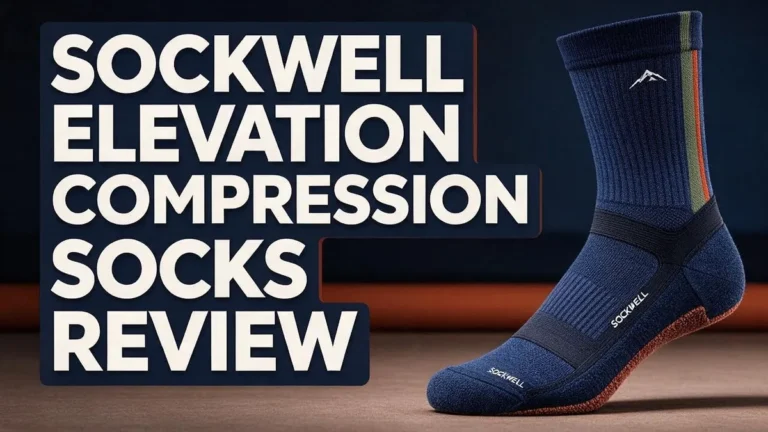
Sockwell Elevate Socks

- RECOMMENDED FOR: All day/everyday wear, flying and travel, prolonged sitting or standing, exercise...
- 4 ZONES OF FIRM (20-30 mmHg) GRADUATED COMPRESSION: helps to minimize swelling, reduce fatigue...
Last update on 2026-10-24 / Affiliate links / Images from Amazon Product Advertising API
Sockwell Elevate Socks focus on comfort and style. The graduated compression feels firm but never tight. Many runners and nurses choose them for daily wear.
The cushioned sole adds padding under the foot. The fabric wicks moisture, so feet stay dry. The seams lie flat, so rubbing stays low. You can wear them with dress shoes or sneakers.
CEP Compression Socks

- 20-30mmHg Targeted Compression for Peak Performance – Patented technology applies precise...
- Train Harder, Recover Faster – Targeted compression helps alleviate pain from common leg and foot...
Last update on 2026-10-24 / Affiliate links / Images from Amazon Product Advertising API
CEP Compression Socks are a popular choice for athletes. They offer strong, medical-grade support. Many people use them during recovery after hard training sessions.
The design supports the calf muscle with each step. The breathable material keeps legs cool in warm weather. Many users say the fit feels secure during long runs. Check the size chart before you order to get the right level of pressure.
Comfort and All-Day Wearability
Comfort matters most when you wear compression socks for many hours. A sock that feels good in the morning should still feel good in the evening. Reviewers often say these CAMBIVO socks stay comfortable all day long.
Breathability plays a big role in daily comfort. The fabric lets air move across your skin. Your legs feel less hot and sweaty as a result. This helps most during warm weather or long shifts at a desk.
Support should feel steady, not heavy. Your legs may feel lighter after a long day on your feet. Gentle, even pressure keeps the sock in place.
This pressure stays put while you walk, climb stairs, or carry shopping.
Think about how you move during the day. Someone who walks to meetings has different needs than someone who sits at a computer. Choose a sock that matches your routine.
Sitting for long periods can make any compression sock feel tight behind the knee. Stand up and stretch every hour. Take a short walk to let your legs move freely.
Your daily plan matters too. Many people wear them on workdays and remove them in the evening. Give your skin a break at night so it can breathe and recover.
Clothing choices can also affect comfort. Loose trousers keep the top band from rubbing your skin. Thin layers under shoes help prevent rubbing on the heel or toes during long walks.
Watch for small changes in comfort during the day. Mild snugness is normal. The sock should never dig in or leave deep marks.
If discomfort keeps growing, change your routine. You can also talk with a healthcare professional for advice.
Socks vs Calf Sleeves: Choosing the Right Format
Choosing between the two formats starts with one simple question. Do you want full leg coverage, or a lighter feel that leaves your foot bare? CAMBIVO offers both styles, so your answer shapes your choice.
Knee high socks cover the foot, heel, and calf. They suit people who stand or sit for long hours in closed shoes. The six pack sport line also works well for people who wear sneakers during walks or exercise.
Footless calf sleeves leave the foot free. Many people find them more comfortable in warm weather. A sleeve also slides over a sock you already wear. That gives you flexibility.
Material choice matters too. The calf sleeves use 58 percent nylon, 24 percent latex, and 18 percent spandex. This blend feels stretchy and snug.
However, Expert Reviews notes that the material does not match dedicated sports compression socks in technical quality. Athletes who need top performance should compare those models first.
Some reviewers describe the sleeves as slippery. A full sock with a heel pocket may stay in place more easily for some wearers. Test either format for a short time before you wear it for a full day.
Some people own both formats. Socks suit long workdays. Sleeves suit gym sessions or summer walks. Owning both gives you options for different days.
Here is a simple way to decide. Start with the strength you need, since the range runs from 8 to 30 mmHg. Then pick the format that fits your routine. Choose knee high socks for full coverage and steady support. Choose calf sleeves for warm days, open shoes, or a quick on and off routine.
Durability, Care and Value for Money
Good care helps these socks last longer. Compression socks lose their grip when they face heat, harsh detergent, and rough handling. Taking a little time with cleaning keeps them working well.
The fabric blend shapes how long they last. The calf sleeves use nylon and spandex for strength and stretch. Latex adds grip, but it often ages faster than the other fibers. Reviewers often praise the material quality, yet gentle care still matters.
Wash them by hand or on a gentle cycle. Use cool water and a mild soap. Skip bleach and fabric softener, since these can weaken the fibers and the elastic.
Never put them in a hot dryer. Heat can break down the latex in the blend, which makes up 24 percent of the calf sleeve material. Lay them flat or hang them to air dry away from direct sunlight.
Rotate your pairs when you own more than one. Wearing the same pair every day adds wear to the same fibers. Rotating them gives each pair time to rest and recover its shape.
Watch for signs that it is time to replace them. Look for thinning fabric, small holes, or a loose feel around the calf or ankle. Stretched elastic means the pressure is no longer doing its job, even if the sock still looks fine.
Longer life means better overall use. A pair that keeps its shape for many months gives steady support for daily tasks. Careful handling helps you get the most from every pair you buy.
Store them in a dry drawer. Keep them away from sharp objects, rings, and rough surfaces. Folding them loosely prevents creases that can weaken the stitching over time.
Pros and Cons
Pros
- Easy to put on for most people
- Graduated pressure works from the ankle up the calf
- Three strength levels cover 8 to 30 mmHg
- Strong average rating of 4.5 out of 5 on Walmart
- Adjustable fit suits different leg shapes
Cons
- Some users find the surface slippery
- Some users find them hard to pull on
- Material quality trails dedicated sports compression socks
- Results can vary from one wearer to another
Who Should Buy It
CAMBIVO compression socks suit people who spend long hours on their feet. Nurses, retail workers, and teachers often feel heavy legs by evening. These socks can offer a gentle lift for that tired feeling.
Desk workers also gain from them. Sitting for hours can make the lower legs feel stiff and swollen. A light compression level can help the blood move more freely during a busy workday.
Travelers form another group that benefits. Long flights and car rides keep the legs still for hours. Many people wear compression to feel more comfortable on the road. A pair in a carry bag can make a big difference.
First-time users should also consider this brand. The 8 to 15 mmHg level is a soft start for anyone new to compression. Stepping up later is easy once the body feels used to the pressure.
Casual walkers and gym goers who train for fun may enjoy them too. They suit daily activity better than heavy training sessions. Serious athletes who need top technical fabric may prefer dedicated sports models instead.
Most people find the right fit by matching their daily routine to the right strength. People who stand for work and want light support can use them during shifts. Wearing them under trousers keeps the look neat and simple.
A doctor can confirm the right strength for anyone with a medical condition. Anyone unsure should ask a professional first.
Final Verdict
CAMBIVO compression socks earn a solid recommendation for everyday wear. They offer comfort, steady support, and a fit that most people enjoy.
The brand fills a clear gap. It gives regular shoppers a simple way to support tired legs. You pick a format, choose a level, and start wearing them right away.
Buy them if you want a dependable pair for busy days. They work well for errands, long shifts, and light exercise. They also make a friendly first step into compression wear.
Households can share the range too. Each person can choose a format and strength that matches their needs.
Skip them if you chase race day results. Competitive athletes may prefer a specialist brand. Anyone with a circulation concern should speak with a doctor before buying.
Here is our best tip. Test your first pair at home. Wear them for a few hours on a calm day. Notice how the top band feels and how your legs feel at the end of the day.
Check the seller’s return policy before you commit. That step lets you try the socks with confidence.
Sizing also matters. Measure your calf and ankle before you order. A good measurement helps you avoid a loose or tight fit.
Our final take is simple. CAMBIVO delivers real comfort and dependable support for ordinary routines. It does not try to be a pro level sports brand, and it does not need to be.
Most readers will feel happy with these socks. Choose them for daily comfort, and your legs will likely thank you.
Frequently Asked Questions
What formats does CAMBIVO offer?
The line includes knee-high socks in a six pack sport set. It also includes footless calf sleeves. Knee-high socks cover the whole lower leg. Calf sleeves give the same lift with more freedom for your feet.
Can I wear calf sleeves with any shoes?
Yes, because the sleeves stay open at the foot. They fit under sneakers, work boots, and many sandals. Your toes stay free, so you can move them during long days. Make sure the top edge sits in the right spot on your calf for the best feel.
How should I wash CAMBIVO compression socks?
Gentle care helps the elastic work for longer. Wash them by hand or on a gentle cycle. Use mild soap and cool water. Skip fabric softener, since it can coat the fibers. Let them air dry away from direct heat.
Is it normal for them to feel tight at first?
A snug feel is part of how compression works. Give your legs a few minutes to adjust. If you notice pain, numbness, tingling, or skin discoloration, take them off right away. Then contact a doctor for advice.