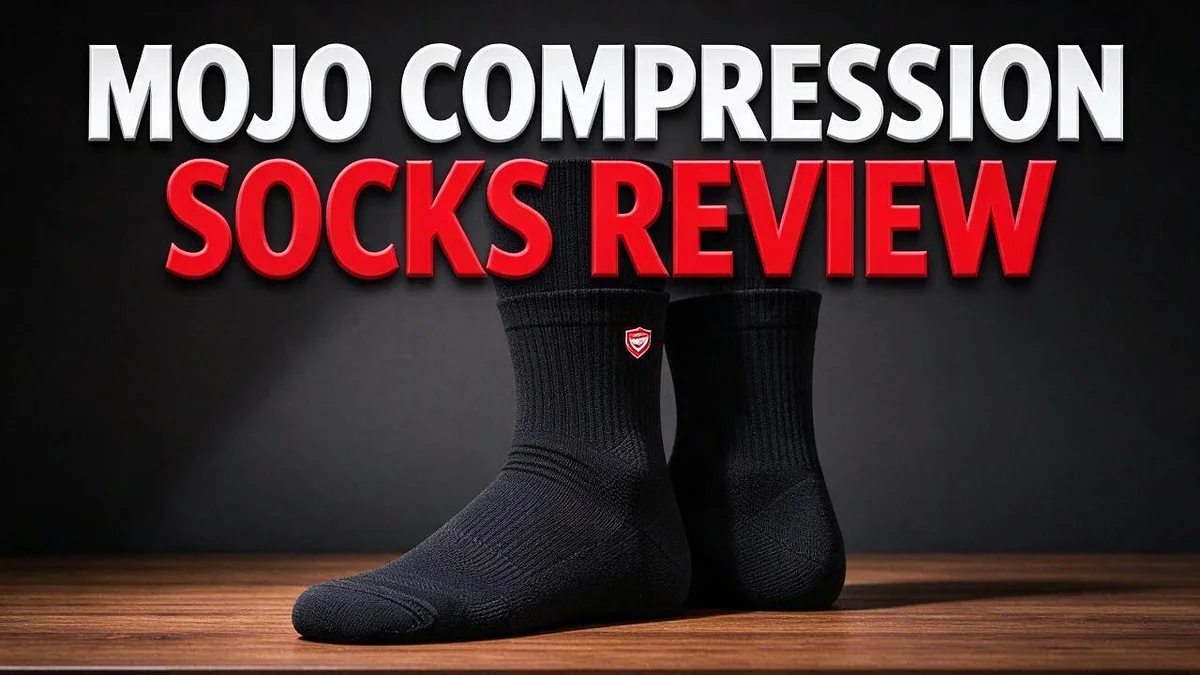
Mojo Compression Socks Review: Do They Really Support Tired Legs?
Tired legs can ruin a good day. Swelling, aching, and heavy feet make every step harder.
That is why many people try Mojo Compression Socks. They offer graduated compression of 20 to 30 mmHg to support circulation.
The socks use a blend of 85% nylon and 15% spandex. The Coolmax model adds a cushioned terry foot and heel for extra comfort.
People wear them for varicose veins, swelling, travel, and long days on their feet. Runners and athletes use them too.
The range also includes wide calf options and sizes up to 4X Large.
In this review, we look at how these socks work, who they suit, and how they compare to rivals like SB SOX.
In a Nutshell
-
Graduated compression: The socks offer 20 to 30 mmHg of pressure. This level gives firm support at the ankle and eases off higher up the leg.
-
Extra comfort: The Coolmax model adds a cushioned terry foot and heel. This padding makes each step feel softer.
-
Active use: Runners and athletes wear these socks too. They work for gym sessions as well as long desk days.
-
Best fit: They suit people who want steady leg support through busy shifts, flights, or road trips.
-
Things to check: The research shows no customer ratings. We cannot confirm long term durability or how true the sizing runs. Read the size chart before you order.
-
Our take: These socks make a sensible choice for shoppers who want firm, graduated support from a brand with a broad size range. Try them first on a normal day, then decide if they suit your routine.
Material and Fabric Quality
The fabric does most of the work in any compression sock. Mojo uses a blend that feels light on the skin. Nylon gives the socks a smooth surface, so they slide on with less struggle.
Nylon also helps the socks hold their shape. Spandex adds stretch, so the fabric springs back after each wear. This recovery matters because loose fibers can lose grip over time.
Think about how the socks feel after a long shift. A fabric that traps heat can make feet sweaty and uncomfortable. Nylon dries fairly quickly, which keeps the feet fresh for longer periods.
Breathability is another point to consider. Many people with tired legs also deal with warm feet during summer travel. A lighter knit can help air move around the ankle and calf.
The knit should feel even across the leg. Smooth stitching reduces rubbing behind the knee and along the shin. Less friction means fewer red marks at the end of the day.
Many wearers also notice how the fabric handles movement. A flexible knit bends with the ankle during walks, stairs, and runs. This helps the socks stay in place rather than bunching up.
Care makes a big difference. Gentle washing protects the elastic fibers. Cold water and air drying keep the stretch intact for more wears. High heat from dryers can weaken spandex over time.
Sizing matters for fabric performance too. A sock that is too tight can stretch unevenly, and a sock that is too loose may slip. Shoppers should measure their legs before choosing a size.
Overall, the material feels practical for daily use. It suits people who want a soft, flexible sock that holds up to regular wear. Good fabric and careful washing work together to keep the support strong.

- 20-30mmHg COMPRESSION - Ideal for alleviating symptoms like varicose veins and swelling efficiently.
- ALL-DAY COMFORT - Designed to be worn comfortably throughout the day without restriction.
Last update on 2026-10-24 / Affiliate links / Images from Amazon Product Advertising API
Compression Level and Graduated Support
Compression level tells you how firmly a sock hugs the leg. It is measured in mmHg, which stands for millimeters of mercury.
Graduated support works in a simple way. The strongest squeeze sits at the ankle, and the pressure eases as it moves up the calf. This pattern helps push blood back to the heart.
Blood can pool in the lower legs after hours of sitting or standing. Gentle, decreasing pressure supports the calf muscle pump, so legs may feel lighter by evening.
Firm does not mean painful. A good sock should feel snug but never cut into the skin. If you notice numbness, tingling, or deep marks, take the sock off and rest your legs.
Mild support suits most people who stand or sit for long shifts. Firmer support may suit people with more serious vein concerns, but a doctor should guide that choice.
Pay attention to where swelling shows up. Some people notice puffy ankles, while others feel heavy calves after a run. Matching the strength to your daily pattern helps you choose well.
Runners often like the steady feel during long workouts. The research does not measure performance gains, so set realistic expectations.
Keep the sock fit in mind too. A sock that rolls down may lose its grip on the leg. Check the fit with a measuring tape before ordering a size.
Put them on early. Pull socks on in the morning when legs feel least swollen. Smooth out every wrinkle, since folds can create uneven pressure.
In short, the level and graduated design work together. The sock squeezes gently, then lightens higher up, which many people find comfortable all day.
Fit and Sizing Options
Getting the right size matters more than many shoppers expect. A sock that fits well delivers even pressure. A sock that runs too loose or too tight can cause trouble.
Start by measuring your calf at its widest point. Then measure your ankle and your foot length. Compare those numbers with the brand size chart before you order.
Measure in the morning. Legs often swell during the day, so early measurements give a more accurate result. Many people also measure again in the evening to see how much their legs change.
Choose a size based on your leg, not your shoe size. Shoe size alone does not tell you how a sock will fit around the calf. Foot length matters, but calf and ankle measurements matter just as much.
The Coolmax model adds a cushioned foot, so it may feel slightly bulkier. Some wearers prefer to go up a size when they want extra room in the toe box. Check how the heel sits after you pull the sock on.
Watch for signs of a poor fit. Look for rolling or bunching at the top band. Notice any dents, lines, or numbness after wear. If the sock slips down during the day, try a smaller size or a different style.
Fit also changes as you move. Walking, standing, and sitting all shift the fabric slightly. Keep this in mind when you compare options, especially if you plan to wear the socks for travel or long shifts.
Try a short test first. Wear the socks around the house for an hour. This simple step shows you how the fabric feels in daily life before you commit to a full day out.
Top 3 Alternatives
CEP Compression Socks

- 20-30mmHg Targeted Compression for Peak Performance – Patented technology applies precise...
- Train Harder, Recover Faster – Targeted compression helps alleviate pain from common leg and foot...
Last update on 2026-10-24 / Affiliate links / Images from Amazon Product Advertising API
CEP Compression Socks offer strong support for people who stand or sit for long hours. They use graduated compression, so the pressure is firmest at the ankle. This helps blood flow move back up the leg.
Many nurses and runners wear them all day. The fabric feels soft and breathable. Sizing matters a lot, so measure your calves before you order.
Physix Gear Compression Socks

- Experience Superior Comfort: Our calcetines de compresion provide unparalleled support for all-day...
- Unleash Your Full Potential: Whether for sports or work, these sock compression socks are designed...
Last update on 2026-10-24 / Affiliate links / Images from Amazon Product Advertising API
Physix Gear Compression Socks suit athletes and busy workers. They offer firm support that can help reduce swelling after long workouts. The knit feels thick enough to cushion your feet.
Many gym fans pick them for recovery days. They also work well on long flights. Choose a pair that fits snugly but never cuts into your skin.
Sockwell Compression Socks

- RECOMMENDED FOR: All day/everyday wear, flying and travel, prolonged sitting or standing, exercise...
- 4 ZONES OF MODERATE (15-20 mmHg) GRADUATED COMPRESSION: helps to minimize swelling and reduce...
Last update on 2026-10-24 / Affiliate links / Images from Amazon Product Advertising API
Sockwell Compression Socks focus on everyday comfort. They use a gentle compression level, so you can wear them from morning to night. Many people choose them for desk jobs or light walking.
The soft cotton blend feels great against the skin. Look for a pair with a comfortable heel and a roomy toe area. This keeps your feet happy all day long.
Comfort and Cushioning for Long Days
The Coolmax model gives your feet a soft layer to lean on. A cushioned terry foot and heel sit under the sole. Most of the pressure builds up in that area during a long shift.
Padding can make a real difference when you stand on hard floors all day. Each step lands on a surface that absorbs some of the impact. Your heels and the balls of your feet often feel less tired by evening.
Cushioning also changes how the sock sits inside the shoe. A thicker foot section fills extra room, so the sock may feel snug around the toes. Some people like that steady hold, while others prefer a lighter touch.
Think about your shoes before you choose this model. Thin dress shoes may feel crowded once the terry layer adds bulk. Athletic shoes with roomy toe areas usually handle the extra padding with ease.
Heel padding helps most when you spend hours on your feet. Teachers, retail workers, and nurses often feel pressure on the back of the heel. A cushioned heel can soften that pressure and make the last hours of the day more comfortable.
Cushioning does not replace good footwear. It works best alongside supportive shoes with a firm heel counter. Use the socks as one part of a daily routine that protects your feet.
Watch how the padding wears over time. Terry fibers can flatten after many washes and lose some of their softness. Rotate two or three pairs so each pair gets rest between wears.
Your comfort goal matters most here. If your feet tend to run warm, a thick foot section may feel heavy. Test the socks during a normal workday and notice how your feet feel at the end.
Best Uses: Travel, Work and Athletic Activity
Mojo compression socks fit many daily routines. They work well for travel, long shifts, and athletic activity. Each setting asks something different from your legs.
Travel days often mean hours in one seat. Flights, train rides, and long car trips keep your legs still for a long time.
Many travelers pack a pair in their carry on bag so they can put them on before boarding.
Work shifts bring a different challenge. Some jobs keep you on your feet from morning until night. Others keep you seated at a desk for most of the day. The 20 to 30 mmHg range offers mild support that suits both settings.
Athletes can wear these socks during training days. Gym sessions, long walks, and weekend sports all place steady demands on the legs. Wearing a pair during these hours may help your legs feel more comfortable afterward.
Match the pair to the day. A simpler pair suits a short commute or a quick errand. A cushioned option may suit a double shift or a full day in the airport.
Care keeps the fit consistent. Wash the socks gently and let them air dry when possible. Heat can wear down elastic over time, so this habit helps them last.
The blend of 85 percent nylon and 15 percent spandex gives the socks stretch and shape. That stretch helps them hold their grip through travel days, long shifts, and workouts alike.
Plan ahead for busy weeks. Keep a spare pair in your bag, desk, or gym locker. Having one ready keeps your support going on a busy day at work or on the road.
Care and Durability
Good care keeps your socks working well for longer. Compression fabric depends on its elastic fibers. Heat and rough handling wear those fibers down over time.
Wash your socks after each wear. Turn them inside out before washing. This protects the outer surface and keeps lint off the fabric. Use a mesh laundry bag if you have one.
Pick cool or lukewarm water. Hot water can weaken the elastic. Choose a mild detergent and skip bleach. Bleach breaks down fibers quickly.
Avoid fabric softener too. It coats the fibers and can reduce grip. Softener may also make the fabric feel slippery. Your socks should stay snug where they need to be.
Let the socks air dry when possible. Dryers use high heat, which shortens the life of the elastic.
Lay them flat on a towel or hang them over a rack. Keep them away from direct sunlight, since light can fade the colors.
Rotate your pairs. Wearing the same pair every day gives it no rest. Owning two or three pairs lets each one recover between wears. This habit can stretch the life of every pair you own.
Store them with care too. Roll them loosely or fold them flat. Avoid tight balls or sharp creases, which can bend the fibers out of shape.
Check your socks often. Look for thin spots, holes, or loose bands. Pull the top band gently.
If it stretches out and no longer grips, the pair may be ready for replacement. The cushioned foot on the Coolmax model may flatten over time, so watch that area too.
Replace worn socks on time. A pair that has lost its squeeze cannot do its job well. Wearing it anyway may leave you with less support during long days on your feet.
Pros and Cons
Pros
- Graduated pressure from 20 to 30 mmHg supports the legs.
- The socks target varicose veins, swelling, and circulation concerns.
- Wide calf and extra large sizes fit a broader range of legs.
- Runners and athletes can use them for added leg support.
- The nylon and spandex blend stretches to hold a snug fit.
Cons
- Firm pressure may feel tight for people new to compression.
- Accurate leg measurements are needed to find the right size.
- Only the Coolmax model includes a cushioned foot.
- The nylon blend may feel warm on hot days.
Who Should Buy It
Start with your daily routine. Many shoppers want a sock that fits how they live. Your lifestyle sets the goal. This pair suits people who stand, sit, or walk for long stretches.
Desk workers can benefit too. Someone who sits at a computer all day may feel heavy legs by late afternoon. These socks offer steady support during those quiet hours.
Busy parents often have packed schedules. They run errands, carry kids, and rarely take a break. Busy days leave little time for rest. A pair of compression socks can help them keep going from morning to night.
Check your size before you choose. Mojo offers 4X-Large and wide calf options. People with larger or wider legs can find a fit that suits them.
Compare with other brands. SB SOX also offers a 20 to 30 mmHg rating. Shoppers who want more choice can review both brands side by side. Look at the materials, sizes, and foot design before you decide.
Think about your comfort level. Some people prefer a lighter feel for everyday wear. Others want stronger support for long shifts. Your needs should guide the choice, not a trend.
Gift givers can also consider these socks. A parent or grandparent who spends long days at home may enjoy the steady support. Choose the size carefully so the gift fits well.
Talk with a doctor first. People with serious vein or circulation concerns should ask a health professional. A doctor can confirm whether compression is right for your condition. This simple step keeps your choice safe and smart.
Final Verdict
Mojo Compression Socks earn a positive verdict for shoppers who want dependable leg support. They aim to ease tired legs and support healthy circulation. That clear purpose makes them easy to understand.
One gap deserves honesty. The research I reviewed listed no customer ratings. This verdict rests on the product details and intended use, not on review scores.
Who should buy them: People who stand, walk, or sit for long stretches will gain the most. Frequent flyers and road trippers fit this group too.
Who should look elsewhere: Shoppers who want a very light, airy feel may prefer another style. Anyone who dislikes a snug grip should test carefully before committing.
Our bottom line: Mojo delivers a focused, practical compression sock for daily life. It suits people who value steady support over fancy extras.
Try a simple test at home. Wear a pair for a few hours on a normal day. Notice how your legs feel by evening. Good compression feels supportive, not painful.
Check the return policy before you order. A clear policy gives you room to swap sizes or styles. That step protects your purchase and lowers your risk.
Final thoughts: I see Mojo as a strong choice for everyday wearers. It is a smart pick for travelers and active people as well. It is less ideal for anyone who needs medical guidance without a doctor’s input.
Choose Mojo if you want a straightforward sock with a clear job. Skip it if you want a featherlight feel or need personal medical advice. Your legs work hard every day, so give them support that fits your routine.
Frequently Asked Questions
Are Mojo Compression Socks useful on long flights?
Yes, they can help during long trips. Sitting for hours can make legs feel heavy or puffy. Wearing a pair may ease that heavy feeling, so your legs feel lighter when you land.
What is the best time to put them on?
Put them on first thing in the morning. Legs tend to be less swollen at that time of day. A sock that goes on early in the day usually feels easier to position.
How do I put them on without bunching?
Turn the sock inside out down to the heel. Slide your foot in, then unroll the fabric up your leg. Smooth out any wrinkles so the pressure stays even across your leg.
Should I wear them at night?
Most people wear compression socks during the day and take them off before bed. Taking them off at night gives your skin a break. Ask a doctor first if you plan to wear them while you sleep.