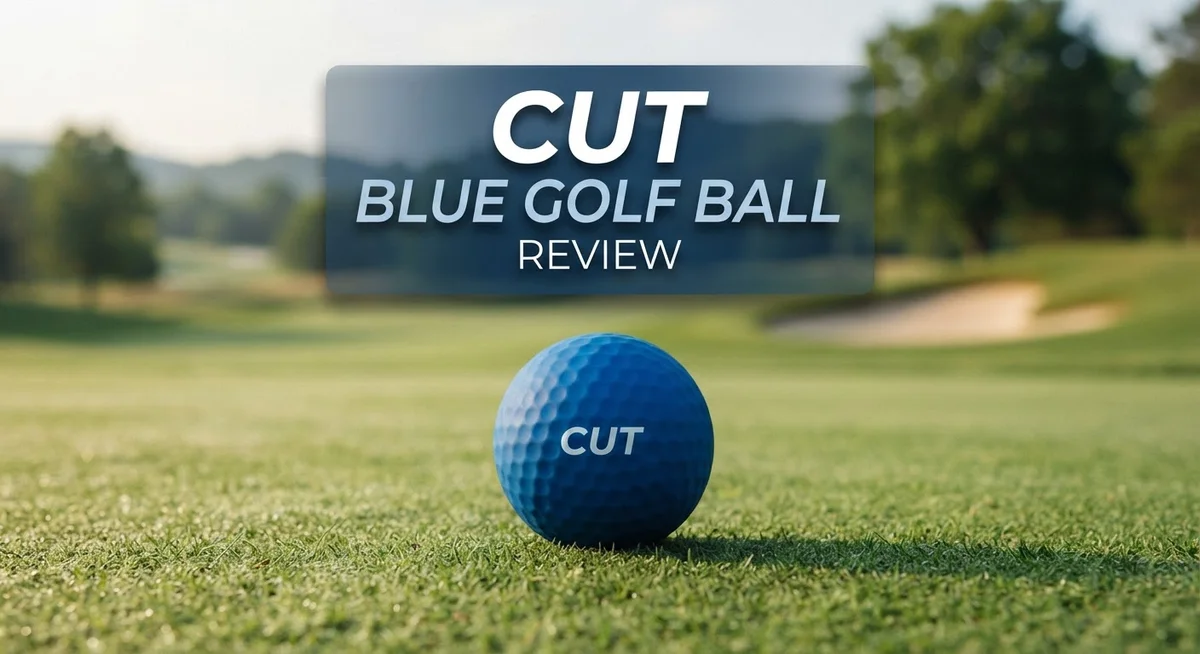
Cut Blue Golf Ball Review: Durability & Value for Mid-Handicappers
Golfers always search for that perfect ball. One that feels soft, flies straight, and lasts round after round.
The Cut Blue golf ball aims to check every box. It brings tour level performance to your bag without the fancy branding.
This ball uses a 4 piece construction and a 314 dimple pattern. Together, they create a smooth flight and a soft feel off the club.
Golfers with average swing speeds will notice the difference fast. Low and mid handicappers get more control and better feedback on every shot.
In this review, we break down the specs, performance, and durability of the Cut Blue. You will see how it stacks up against big names like Titleist and Vice.
Let’s find out if this ball earns a spot in your bag.
In a Nutshell
Here is the quick lowdown on the Cut Blue golf ball before you dive deeper.
-
Soft compression: This ball has a softer feel than the Cut DC model. It suits players who want more control on impact.
-
Urethane cover: The cover is durable and built for tour level spin. It holds up well during normal play.
-
Lower ball flight: This ball flies lower than many tour balls. It works well for golfers who fight high spin issues.
-
Great feel: Golfers report a soft, responsive feel off the clubface. It feels close to premium tour balls.
-
Alignment aid: The stamp helps with putting and short game accuracy. It gives a reasonable visual guide on the green.
-
Best for: This ball fits low to mid handicappers with average swing speeds. It stands as a solid alternative to Titleist Pro V1 and Vice Pro.
Some users note durability issues after heavy use. The white paint also runs brighter than some competitors. There is no color coded version yet, unlike the Cut Grey alternative.
Construction and Design
The Cut Blue golf ball showcases a 4-piece construction that separates performance layers for different parts of your swing. This design stacks a soft inner core, rigid intermediate layers, and an outer urethane cover to create consistent results across all club types.
The 314-dimple pattern sits at the heart of aerodynamic performance. This specific configuration reduces drag during flight and helps the ball maintain stability in various wind conditions. Dimples work like tiny air pockets that grip the atmosphere around the ball, letting it travel farther and straighter.
Compression matters more than most golfers realize. The Cut Blue uses softer compression compared to other models in the Cut lineup, like the DC version. Lower compression means the ball deforms more easily at impact, which helps golfers with average swing speeds generate better distance without forcing extra effort.
The urethane cover represents the outermost layer touching your clubface. This material offers excellent durability and provides tour-level spin control around the greens. Urethane also resists scuffs better than cheaper plastic covers, though some users report surface wear after extended play sessions.
Ball flight characteristics set this model apart from competitors. The Cut Blue produces a lower trajectory compared to many tour-performance balls. This means shots stay below the wind line and land with more control, especially useful on windy days or when you need precision over distance.
The alignment aid printed on the ball helps with putting accuracy. This simple visual guide lets you line up your stroke more easily and promotes better putting mechanics on the green.
The combination of these design elements targets low to mid-handicap golfers with average swing speeds. The softer feel at impact gives confidence, while the construction supports the consistency you need to lower scores. This ball bridges the gap between premium tour equipment and everyday playability, making it a solid choice for serious amateur golfers who want performance without unnecessary complexity.

- With an ultra-durable Tour Quality Urethane cover, this is specifically crafted to minimize spin and...
- We have eliminated additional costs and inflated prices to offer high-quality, tour-level balls at...

Last update on 2026-10-24 / Affiliate links / Images from Amazon Product Advertising API
Flight Characteristics and Performance
The Cut Blue delivers consistent flight characteristics that appeal to golfers seeking predictable ball behavior off the tee. The lower ball flight stands out as a defining feature, especially for players who struggle with excessive height on their shots.
This lower trajectory works in your favor on windy days. You gain better control when conditions get tough. The 314 dimple pattern works hard to manage air resistance and keep spin rates moderate across the bag.
Off the driver, you’ll notice the ball launches clean and settles into a stable flight path. Mid-irons produce reliable distances without unexpected movement. Short irons respond with enough spin to hold greens, though not as much bite as premium tour balls deliver.
The softer compression plays a major role in how the ball performs. Your swing speed directly impacts what you get from this construction. Average swing speeds find the sweet spot here. Slower swings benefit from easier energy transfer, while faster swings still maintain control.
Around the greens, the Cut Blue shows its tour-level roots. The urethane cover grabs the clubface and generates adequate spin for chip shots and pitches. Putting feels responsive and predictable. The alignment aid helps you read lines more confidently on the green.
Spin characteristics sit in the middle ground between distance and control balls. You won’t get extreme spin numbers, but you’ll get enough to work the ball when needed. This balanced approach suits most players better than specialized designs.
Durability impacts flight performance over time. Fresh balls perform at their peak, but some users report scuff marks appearing sooner than expected. Scuffs can slightly alter aerodynamics, so ball rotation matters if you play frequently.
Compared to competitors, the Cut Blue maintains steady performance across different swing types. It doesn’t excel in one specific area but performs well across the board. This consistency makes it reliable for rounds where conditions vary throughout the day.
The flight profile works best on courses with moderate wind. Calm days let you maximize the ball’s characteristics without fighting the elements. Firm fairways pair well with this ball’s lower trajectory for rolling distance.
Feel and Feedback Off the Clubface
When you strike the Cut Blue golf ball with your clubface, you immediately sense something different. The soft compression core responds to your club’s energy in a way that feels responsive and forgiving. You don’t get that hard, clicky sensation that some tour balls deliver. Instead, the ball compresses slightly and releases with control.
The urethane cover plays a huge role in this feedback experience. It’s firm enough to maintain its shape through impact, yet soft enough to let you feel exactly what your club is doing. On full swings, you get clear communication about strike quality. A pure center hit feels distinctly different from a slight mishit.
Mid-range feedback is where the Cut Blue excels for most golfers. It’s not overly soft like distance balls, and it’s not harsh like premium tour models. This middle ground means your hands receive useful information without overwhelming sensation. You can sense spin rates and impact location without the jarring feedback of harder constructions.
Short game touch is where many golfers notice the biggest difference. Around the greens, the softer compression allows for better feel on delicate shots. Chip shots and pitches produce a softer “click” sound that many find satisfying. Putting strokes feel controlled and predictable. The ball responds to your touch without feeling mushy or unpredictable.
The 314 dimple pattern contributes to consistent feedback too. Regular dimple spacing means the ball behaves predictably across different swing speeds. You know what to expect whether you’re hitting a full driver or a half wedge.
One thing to note: feedback can change slightly as the cover ages. Fresh balls deliver the most responsive feel. After significant use, some golfers report that the cover softens further, which can reduce that crisp impact sensation. This durability consideration matters if you play frequently or practice heavily.
Overall, the Cut Blue delivers straightforward, honest feedback that helps you understand your swing better. You get enough information to improve your game without the extreme sensitivity of premium tour balls.
Top 3 Alternatives
Titleist Pro V1

- Pro V1 has a softer feel, less spin and flatter trajectory than Pro V1x, which makes it the...
- New faster high gradient core delivers more speed and iron and wedge spin for more control
Last update on 2026-10-24 / Affiliate links / Images from Amazon Product Advertising API
The Titleist Pro V1 stands out as a premium choice for golfers seeking consistent performance. This ball features a soft feel that many players prefer during short game shots. The dimple pattern helps the ball fly straight and maintain stability in various wind conditions. Players appreciate the responsive feedback they get with each swing.
Callaway Chrome Soft

- Outstanding tour performance with soft feel.
- New Hyper Fast Soft Core produces exceptionally fast ball speeds.
Last update on 2026-10-24 / Affiliate links / Images from Amazon Product Advertising API
Callaway Chrome Soft delivers a softer compression core that appeals to golfers wanting distance without sacrificing control. The dual-layer construction provides excellent spin rates around the greens. Many golfers notice improved accuracy on approach shots with this ball. The coating resists scuffs and maintains its appearance longer than many competitors.
TaylorMade TP5

- 5-LAYER PROGRESSIVE CONSTRUCTION – The speed gradient is designed to separate spin between the...
- SPEED WRAPPED CORE – Designed to create a softer sound while promoting a faster, more responsive...
Last update on 2026-10-24 / Affiliate links / Images from Amazon Product Advertising API
TaylorMade TP5 offers five-layer technology that balances distance and spin beautifully. Golfers find this ball performs well across all club selections, from drivers to wedges. The construction allows for lower spin off the tee while maintaining higher spin on shorter shots. Players report consistent flight patterns even when playing different courses or weather conditions.
Each of these alternatives provides distinct advantages. The Titleist Pro V1 works best for golfers who value traditional performance and feel. Callaway Chrome Soft suits players wanting a softer experience with good greenside control. TaylorMade TP5 appeals to golfers seeking advanced technology and versatile performance.
Your choice depends on your playing style and preferences. Try each option during practice rounds to find which one matches your game best.
Durability and Longevity
The Cut Blue golf ball holds up well during regular play, which matters most when you’re investing time in your game. The urethane cover provides genuine protection against scuffs and minor impacts that happen naturally on the course. This outer layer resists wear better than softer materials, so your ball stays looking fresher longer.
The 4-piece construction works in your favor for longevity. Each layer serves a specific purpose, and this design keeps the ball structurally sound through hundreds of shots. The inner layers don’t break down as quickly because they’re not taking direct hits from your clubface. Instead, the urethane cover absorbs that stress first.
Real golfers report that the Cut Blue maintains its performance characteristics across many rounds. You won’t notice dramatic changes in flight or feel after 5 rounds or even 10 rounds of solid play. This consistency matters because a degrading ball becomes unpredictable, and unpredictable means higher scores.
The softer compression actually helps durability in some ways. Lower compression balls experience less internal stress during impact, which reduces the risk of core separation or cover cracking. This means fewer premature failures compared to harder alternatives.
One thing to watch: the brighter white paint can show scuffs more visibly than darker finishes, even though the ball itself remains structurally sound. A marked-up ball still performs fine, but it looks worn sooner. This is purely cosmetic, not a real durability issue.
The alignment aid printed on the surface holds up nicely too. The printing doesn’t fade noticeably through normal play, so your putting reference stays clear throughout the ball’s life.
Compared to tour-level competitors, the Cut Blue delivers solid longevity without premium pricing in the construction. You get tour-performance quality that lasts, which is exactly what low to mid-handicap golfers need. The ball won’t suddenly fail mid-round, and it won’t degrade so quickly that you’re constantly replacing it. This reliability makes the Cut Blue a practical choice for consistent players who want their equipment to keep working properly.
Value for Money
The Cut Blue golf ball delivers genuine performance value when you compare what you get against similar tour-level options. You’re purchasing a 4-piece ball with urethane cover quality that typically appears in premium lineups.
What makes this ball stand out is the balance between features and real-world results. The softer compression means you don’t need an aggressive swing to unlock the ball’s potential. Average swing speeds benefit immediately from this design choice. Mid-handicappers find the performance consistent across different club selections.
The 314-dimple pattern creates predictable flight behavior. You get stable trajectories without the unpredictability that comes with cheaper constructions. This consistency matters because it reduces surprises during your round. Fewer surprises mean better scores over time.
Durability directly impacts your overall value experience. The urethane cover holds up through regular play better than many competitors in this category. The 4-piece construction supports longevity across multiple rounds. Real golfers report the ball maintains its performance characteristics well into extended play.
One practical consideration: the brighter white finish shows cosmetic wear more visibly than darker alternatives. This is purely visual and doesn’t affect performance. The alignment aid remains legible and helpful throughout the ball’s lifespan.
When you stack the Cut Blue against tour-level competitors, you notice it performs similarly in spin control, trajectory, and feel. You’re getting tour-quality feedback without paying tour-premium prices. The short game performance matches balls that cost significantly more per dozen.
The softer compression actually works in your favor for durability. Lower compression balls experience less stress during impact. This translates to longer playability before performance degradation occurs.
For low to mid-handicappers seeking predictable ball behavior, the Cut Blue represents smart equipment investment. You receive professional-level construction and performance characteristics. The real value emerges over multiple rounds when consistency and durability combine to deliver reliable results. This ball earns its position through performance, not just price positioning.
Pros and Cons
Pros
- Tour-level performance quality without premium construction complexity
- 4-piece design keeps the ball performing well across many rounds of play
- Softer compression gives you better feedback and feel through your short game
- 314-dimple pattern delivers consistent, predictable flight behavior
- Urethane cover holds up nicely and resists scuff marks reasonably well
Cons
- Brighter white paint shows cosmetic wear more visibly than darker ball finishes
- Some users report durability concerns after extended play periods
- No color-coded models available if you prefer visual organization in your bag
Who Should Buy It
The Cut Blue works best for golfers with average swing speeds who want tour-level performance without unnecessary complexity. If your handicap sits between 5 and 15, this ball matches your game.
Low to mid-handicappers benefit most from the softer compression. You get better feedback through your short game and more control around the greens. The 314-dimple pattern gives you predictable flight behavior, which matters when you’re working on consistency.
This ball suits golfers who play regularly. You need balls that perform well across many rounds. The 4-piece construction keeps performance steady as you play, and the urethane cover resists damage reasonably well during typical play.
Skip this ball if you want maximum durability with minimal cosmetic wear. The brighter white finish shows scuffs and marks more visibly than darker alternatives. You’ll notice these cosmetic changes even though the ball performs fine underneath.
The Cut Blue isn’t for golfers seeking color-coded models for bag organization. Cut doesn’t offer multiple color options with this ball. If you prefer visual sorting in your bag, you’ll need to find another solution.
Consider the Cut Blue if you compare it against similar tour-level competitors. You get genuine performance value when you stack it against other options in this category. The ball performs similarly in spin control and trajectory without extra construction complexity.
This ball appeals to golfers who value real-world results over marketing claims. You won’t find unnecessary features or premium naming here. What you get is straightforward tour performance that works.
Avoid this ball if you play casually or rarely practice. Serious golfers who invest time in their game see better returns. The ball shines when you understand swing mechanics and want feedback from your equipment.
The Cut Blue fits golfers who want solid performance without overthinking their equipment choice. You get tour-quality feel, predictable flight, and reasonable durability. The ball delivers what it promises without unnecessary complexity or premium pricing strategies that don’t match real-world performance.
Final Verdict
Final Verdict
The Cut Blue golf ball earns a solid spot in your golf bag. It gives you tour level performance without extra frills.
Golfers who switch from premium brands often notice little difference in feel or flight. That alone makes this ball worth trying.
If you already tested the Cut Grey, you know this brand focuses on real performance. The Cut Blue follows that same path with its own personality.
This ball rewards golfers who value substance over branding. You get dependable spin, solid feel, and steady flight every round.
Compared to bigger names like Titleist Pro V1 or Vice Pro, the Cut Blue holds its own. It matches many performance traits without unnecessary marketing noise.
Golfers who want something between TaylorMade Tour Response and Srixon Q-Star Tour will find a nice middle ground here. The ball performs steadily across different play styles.
Cut Blue fits best in the bags of players who play often and want consistency. It also suits golfers moving up from beginner balls who want more tour like feedback.
If you play only a few times a year, you might not notice every benefit this ball offers. But for regular players, the improvements become clear fast.
This ball proves that smart design beats flashy branding. It focuses on real feel, trustworthy flight, and steady results.
Golfers looking for a ball that performs like the big names, without chasing hype, should give the Cut Blue a shot. It rewards patience and consistent play.
In short, the Cut Blue delivers where it matters most: performance, feel, and reliability. It stands as a strong choice for golfers who want quality without complexity.
Frequently Asked Questions
Does the Cut Blue work for high handicappers?
The Cut Blue suits low to mid-handicappers best. High handicappers may find the softer compression requires more swing control than they need. The ball rewards consistent strikes and smooth tempo. If you have a faster, more controlled swing, you’ll feel the benefits immediately. Golfers still developing their swing might prefer a firmer ball that forgives off-center hits more generously.
How does the Cut Blue compare to Titleist Pro V1?
Both balls deliver tour-level performance and similar feel off the clubface. The Cut Blue has a softer compression, which some golfers prefer for short game feedback. Titleist Pro V1 offers slightly more brand recognition and marketing support. On the course, the difference comes down to personal preference. Most players notice minimal flight differences between them during regular play.
Can I use the Cut Blue for tournament play?
Yes, absolutely. The urethane cover and 4-piece construction meet tournament standards. The 314-dimple pattern produces consistent, predictable flight in competition. Many low handicappers play this ball in serious matches without hesitation. Your swing speed and short game comfort matter more than the ball’s brand name when competing.
Why does the Cut Blue look brighter than other balls?
The brighter white paint helps visibility on the course. This same paint shows cosmetic wear more visibly than darker finishes. Scuffs and marks appear quickly, though they don’t affect performance. If you prefer balls that look pristine longer, consider the Cut Grey alternative from the same brand. Both balls perform identically despite the visual difference.