Nuance Audio Glasses Review: Open-Ear Hearing Eyewear Tested
Do you want hearing support that looks like regular eyewear? The Nuance Audio Glasses aim to deliver exactly that.
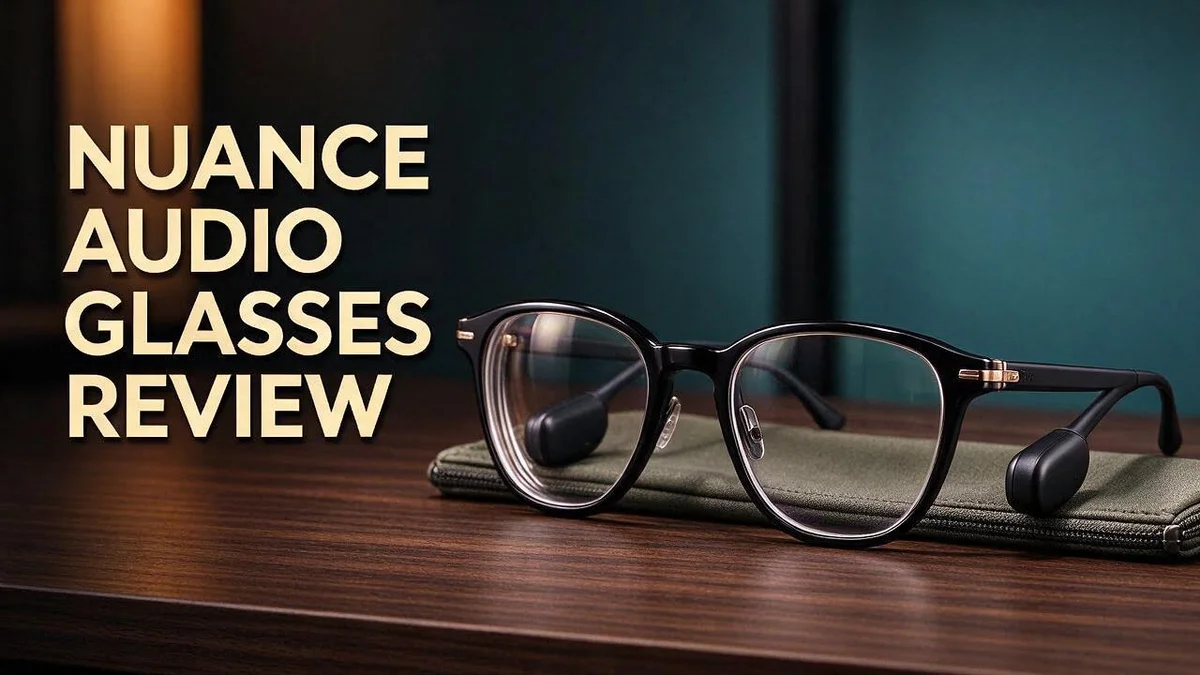
EssilorLuxottica created them as its first open ear hearing device built into eyewear. The speakers sit in the temples, near the tragus. Your ears stay fully open.
The glasses focus on voices in front of you. A Bluetooth connection to your smartphone lets you change programs and volume.
HearAdvisor gave them a 4.7 out of 5 for own voice comfort. However, they do not stream music or calls. Testing also suggests they work best for mild hearing loss.
This review covers what works, what falls short, and who should consider them.
In a Nutshell
- Best fit: Dr. Cliff’s testing found the glasses perform best for flat, very mild hearing loss.
- Limits: Performance falls short for anything beyond mild loss, so people with greater needs may want another option.
- No streaming: The glasses do not stream audio over Bluetooth. You cannot play music or take calls through them, according to HearingTracker.
- Phone control: Your smartphone connects over Bluetooth. You can switch programs and adjust volume in a few taps.
- Availability: One source expected a 2025 release pending FDA approval. That approval status remains unconfirmed, so check current availability first.
- Alternatives: MDHearing OTC hearing aids offer a more traditional route. Other glasses with built in hearing technology also exist.
Design and Open-Ear Speaker Placement
The design starts with the frames, and that matters for daily wear. Most people already own glasses, so putting on a pair feels familiar. The Nuance Audio Glasses blend into everyday life.
The speakers sit in the temples at the tragus, the small flap in front of your ear. This spot keeps your ear canal open. Nothing presses inside your ear.
An open design brings a few clear benefits. Your ears stay free to notice the world around you. Traffic sounds, doorbells, and friendly greetings still reach you while you walk.
Comfort is another strong point for daily use. Earbuds can cause soreness after many hours. Glasses spread weight across your nose and ears, so the feel changes in a different way.
Fit also shapes how sound reaches you. The temples must sit level on your face for the speakers to aim well. Small shifts in position can change clarity, so take a moment to adjust them.
Sound seems to come from outside your head. Many people find this more natural than sealed devices. Others in busy rooms may notice that voices blend with background noise.
Caring for them feels like caring for regular eyewear. Wipe the lenses and temples with a soft cloth. Store them in a case when you take them off, and keep them away from hot cars.
Tip: Wear them for short periods first. This helps you learn how the fit feels and how the speakers sound in your favorite places.

- LIGHTWEIGHT SMART GLASSES & BLUETOOTH AUDIO: Ergonomic open-ear design for all-day comfort, ideal...
- 10-HOUR BATTERY FOR BLUETOOTH AUDIO GLASSES: Up to 10 hours of playtime for all-day music & calls...
Last update on 2026-10-31 / Affiliate links / Images from Amazon Product Advertising API
Hearing Performance and Voice Focus
Hearing performance depends on what you need from your glasses. The focus stays on voices in front of you, so talks with one person often feel the most helpful. Group chats from the side or behind may sound less clear.
Think about your daily routine before you decide. A coffee date with a friend is a good test. A busy street or a crowded train is a harder setting for any device.
Noisy places pose a bigger test. Background chatter can still reach you from every direction. Pick a quieter corner for your first trial.
Voice focus works by directing attention forward. This helps your brain sort the person speaking from background noise. Many users may notice the biggest gain in quieter rooms.
Expect a learning period. Your ears need time to adjust to sound that arrives from the temples instead of deep inside the ear canal. Keep a simple log of how conversations feel each day.
Listening for long hours can tire anyone. Short breaks help your ears rest. Notice how you feel after an hour of talks.
Volume and program changes happen through your phone. You can adjust settings quickly during a meal or meeting. Still, you cannot stream a podcast or call through the frames, so plan for that gap.
Hearing glasses do not replace a full hearing exam. A clinician can check your needs. Bring your notes from each trial.
Good hearing support should match your real goals. Ask yourself whether you want clearer talks, less strain, or a discreet look. If clear conversation sits at the top of your list, these glasses deserve a close look.
Own-Voice Comfort and Wearability
Your own voice matters just as much as the voices around you. Many sealed devices make speech sound hollow or echoey inside your head. An open design helps avoid that feeling, so talking feels more like normal life.
The temple speakers sit beside the ear canal rather than inside it. That means your ear canal stays mostly open. Air can move freely, and your voice does not feel trapped.
Wearability often decides whether people keep using any device. Glasses already sit on your face every day, so the frame does much of the work. Most people already know how eyewear feels.
A comfortable frame can reduce pressure behind the ears over a long day. Still, you should test how it feels on your own face before you commit.
Hot weather or long meetings can make any device feel heavy. Take short breaks when you notice soreness on your temples or nose. Your comfort comes first.
Fit changes how the glasses sit on different face shapes. If the frame slides down, the speakers may drift away from the right spot. Sound can then feel weaker or less clear.
Own voice comfort can also improve with time. Your brain often adapts to how your voice sounds through an open ear. Early impressions may feel odd, but people often settle in after several days.
Comfort is personal. What feels light to one person may feel tight to another. Try them on in person if you can, so you can judge the fit yourself.
A simple test helps. Ask yourself whether you can wear them for an hour without noticing them. If the answer is yes, daily comfort may suit you well.
Top 3 Alternatives
Ray-Ban Meta Glasses

- #1 SELLING AI GLASSES* – Tap into iconic style and advanced technology with Ray-Ban Meta, the...
- META AI – Get more done and stay connected without reaching for your phone with AI glasses powered...

Last update on 2026-10-31 / Affiliate links / Images from Amazon Product Advertising API
Ray-Ban Meta Glasses look like classic frames. Most people never guess they are smart glasses at first glance. The built-in camera captures photos and short videos with one tap or a voice command.
You can also play music, take calls, and ask the assistant questions. The speakers rest near your ears, so you can hear clearly while staying aware of traffic and conversations nearby. Many buyers love the mix of style and useful features.
Bose Frames Tempo

- Revolutionary open ear audio sunglasses allow you to hear music and surroundings simultaneously...
- Long 8 hour battery life and Bluetooth connectivity up to 30 ft. range keeps you powered on the go
Last update on 2026-10-31 / Affiliate links / Images from Amazon Product Advertising API
Bose Frames Tempo focus on sound quality and comfort. Their design sends audio to your ears while you stay aware of your surroundings.
They suit runners and cyclists who want music on the move. The frames also track workouts and stay secure during intense activity. Built-in microphones help you take calls clearly, even in noisy places.
Amazon Echo Frames

- Customize or personalize your Echo Show 21 (2024 Release) with a plastic frame.
- Plastic frame snaps onto Echo Show 21 (2024 Release) for easy installation, no tools required.
Last update on 2026-10-31 / Affiliate links / Images from Amazon Product Advertising API
Amazon Echo Frames bring Alexa right to your face. You can check the weather, set reminders, or control smart home devices with simple voice commands.
The lightweight build makes them easy to wear all day. They work well for quick errands and daily routines. They also pair with your phone for calls and messages.
App Controls and Bluetooth Limitations
Bluetooth plays a smaller role in these glasses than many buyers expect. Think of the connection as a control line, not an audio line.
The glasses cannot stream audio over Bluetooth. Reviewers at HearingTracker point out that you cannot play music through them. Phone calls also stay off the table.
That gap matters if your day includes podcasts, video calls, or hands free talks. You would need separate earbuds for those moments. Keep the glasses for conversation support instead.
Because the link is basic, do not expect advanced tuning. Keep your expectations realistic from day one. Simple controls suit people who want fewer steps.
Some people find this limit frustrating. Others like fewer features that focus on speech. Your daily routine decides which group you join.
Think about how often you need audio beyond conversation. If you listen for hours each day, another device may fit better. A hearing professional can help you compare options.
The lack of streaming has one upside. The glasses avoid heavy sealed sound, so your ears may feel less pressure. Their main job stays focused on nearby voices.
Set clear expectations before buying. Write down the moments you want help with, such as meetings, dinners, or phone free chats. Then test whether the glasses meet those goals.
Keep your phone charged and nearby during use. A dead battery can cut off simple control. Plan a short charge before a busy day out.
Strong features matter less than daily fit. A device you enjoy wearing gets used more often. That habit often matters most.
Bottom line: the Bluetooth setup is simple by design. It helps you adjust basics, but it does not handle music or calls. Read reviews from several sources before you commit. Expert ratings and user stories can differ.
Hearing Loss Suitability
Hearing loss level matters a lot. Dr. Cliff’s testing found the best results for flat, very mild hearing loss. A flat loss means hearing drops at a similar level across all pitches. That pattern fits the testing results best.
Beyond mild loss, these glasses may fall short. Stronger support for moderate or severe loss usually needs a different tool.
Mild loss can feel subtle at first. Many people notice gaps only in certain settings, like family dinners or team meetings.
Severe loss needs a different approach. Glasses with hearing features cannot replace stronger amplification.
Traditional alternatives still deserve a look. MDHearing OTC hearing aids are one example for people who need more than mild support.
Check your audiogram first. Your hearing chart shows which pitches you miss most. Share it with an audiologist before you decide.
Your doctor can rule out other causes too. Ear wax, infections, or medication effects sometimes mimic hearing loss.
Sudden changes deserve fast care. A quick drop in hearing needs prompt medical attention, not a new pair of glasses.
Some people with mild loss struggle with speech from the side or behind. Notice whether that happens often in your day.
Set a simple test plan for yourself. Wear the glasses on normal days and note where they help most.
A simple log helps you decide. Write down moments when speech felt clear and moments when it did not.
Check current approval status before buying. Release was expected in 2025, but FDA approval is not confirmed in current sources.
Hearing changes over time. Retest every year or so to see if your needs shift.
Ask a hearing professional to compare options side by side. Bring notes about your loss type and daily listening needs.
Availability, FDA Status and Pricing
Availability can shift fast with new eyewear. Launch plans often vary by country and sales channel. Some shoppers see listings before stores carry real units.
Start with the official brand site. Look for a product page that names a ship date. Then check authorized retailers, not random resellers.
Regulatory words matter more than most people think. “Approved,” “cleared,” and “registered” mean different things. Ask which term the maker uses in writing.
You can search the FDA databases yourself. Type the product name and the company name. Save screenshots of what you find on the date you checked.
Save your proof of status. Dates change, and marketing pages get edited. A saved copy helps you compare claims later.
Watch for wording like “pending” or “in review.” That wording means the product may not be ready for sale in your area. Wait for clear confirmation before you plan around it.
Ask the seller direct questions. Which regions can receive units? Is the device sold as a hearing product or as eyewear? Written answers protect you if plans change.
Plan for delays. Keep your current hearing support in place. Do not drop a working plan until the device is available and confirmed for your needs.
Match the timeline to your needs. If you need hearing help this month, a device still under review may not fit your plans. Waiting can cost you time, so set a backup option first.
Check the release notes too. Brands often post updates there first. Sign up for brand alerts if you want the news early.
Keep this simple rule in mind. Trust written confirmation over social media buzz. Clear facts protect your time and your hearing health.
Pros and Cons
Pros
- Speakers sit in the temples, so your ear canal stays open.
- The open-ear design can feel light and natural during long days.
- HearAdvisor experts gave own-voice comfort a 4.7 out of 5 rating.
- The sound focuses on voices in front of you during conversations.
- EssilorLuxottica built this as its first open-ear device inside eyewear.
Cons
- The product is new, so long-term user reviews are still limited.
- Busy rooms may test the glasses because the sound targets front voices.
- Open-ear design lets some outside noise reach your ears.
- These glasses may not replace a full medical hearing aid fitting.
Who Should Buy It
Nuance Audio Glasses suit a narrow group of people. Start by asking who needs them most. The strongest match is someone with flat, very mild hearing loss.
Dr. Cliff’s testing showed the best results for that profile. Less mild losses may need more support than these frames offer.
People who already wear glasses every day often like this option. One device may feel simpler than wearing two.
Style matters too. Many wearers prefer eyewear that looks like regular glasses.
Some shoppers should look elsewhere. Anyone with moderate or deeper hearing loss may need stronger help.
People who want to stream music or take phone calls through the frames will feel limited. Audio streaming is not available.
Ask yourself three quick questions. Do you miss words mostly in one on one talks? Do you wear glasses most hours of the day?
Do you want a simple device for everyday conversations? If you answered yes to most, these glasses may suit your needs.
Caregivers and older adults should speak with a hearing professional first. A clinician can confirm whether the glasses match your hearing profile.
Bring your audiogram and a written list of questions to that visit. Clear answers make your decision easier.
Choose with care and clear goals. Match the device to your real daily needs. A short trial period with honest notes can show whether these glasses truly help.
Final Verdict
Nuance Audio Glasses earn a cautious thumbs up from me. They solve one small problem very well. They do not try to fix every hearing problem.
My verdict: a smart pick for mild, everyday listening. Hearing support built into your frames removes one more gadget from your day. That idea feels fresh and practical.
Dr. Cliff’s testing found the best results for flat, very mild hearing loss. If your loss goes beyond that, you may need a stronger device.
Think of these glasses as a simple helper, not a full hearing system. HearingTracker confirms they do not stream audio. You cannot play music or take calls through the frames. Your phone connection only handles basic program and volume control.
MDHearing OTC hearing aids make a good comparison. They are a traditional option that may suit you better if you want more amplification. They put sound support first and style second.
Buy with clear eyes. Check the regulatory status in your country before you commit. One source expected a 2025 release pending FDA approval. That approval is still unconfirmed.
Here is my quick guide:
- Choose them if you want light help with everyday conversations.
- Skip them if you want streaming or need help beyond mild loss.
- Wait if you need proof of approval where you live.
My final take is simple. These glasses show where hearing technology is heading. They look like normal eyewear and feel comfortable. They work best for the right person with realistic expectations.
If that sounds like you, they deserve a spot on your shortlist. If not, a hearing professional can point you to a better match.
Frequently Asked Questions
How do I change the volume?
You control the glasses with your smartphone. Pair them over Bluetooth to adjust the basic program and volume settings. Because the controls live on your phone, you can change the sound without touching the frames.
Where are the speakers located?
The speakers sit inside the temples, which are the arms of the frames. They line up with the tragus, the small flap of skin in front of your ear. This position sends sound toward your ear while leaving your ear canal open.
What hearing pattern works best?
Dr. Cliff’s testing found the best results for flat, very mild hearing loss. A flat pattern means your hearing loss looks similar across all pitches. If your hearing changes a lot from low sounds to high sounds, ask a hearing professional which option fits you best.
Do I need a phone to use them?
The research does not say whether the glasses work without a phone. Your smartphone is the only control method listed. Check the official product details to confirm how the glasses operate before you decide.