Gaoye Reading Glasses with Blue Light Protection Review: Are They Worth It?
Do your eyes feel tired after hours at a screen? Blue light often plays a part in that strain.
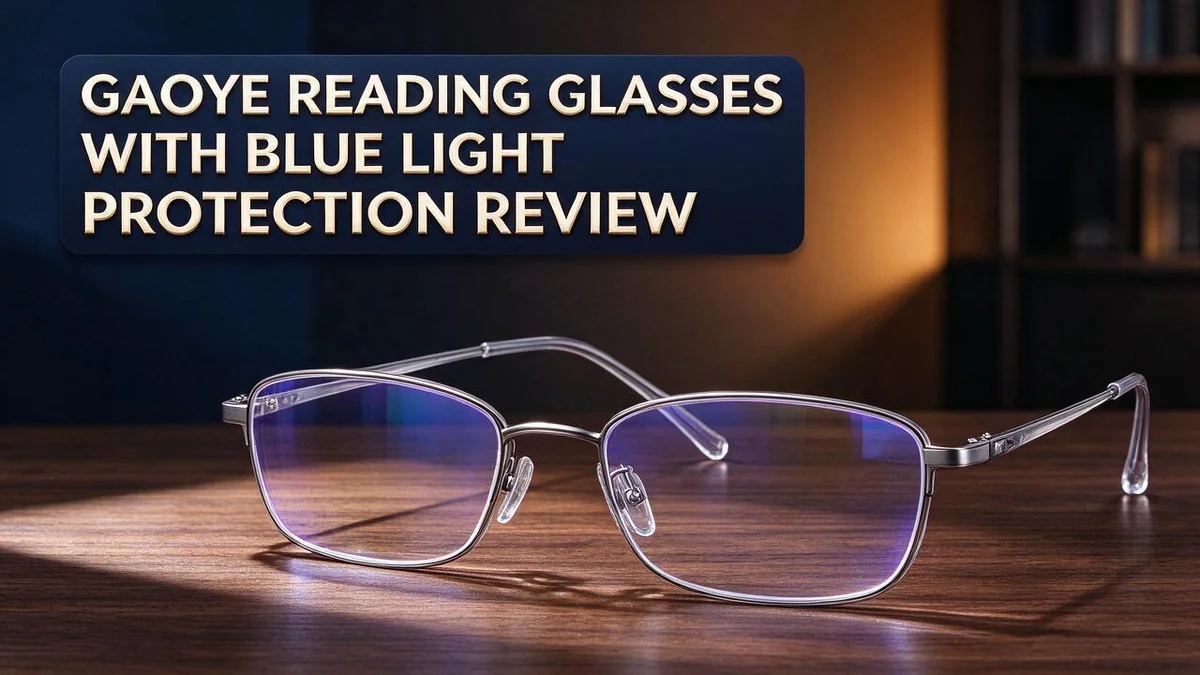
Gaoye Reading Glasses with Blue Light Protection aim to ease the problem. They come in packs, so you can keep a pair in every room.
The lenses offer UV400 protection and a blue light coating. Reviewers say this helps reduce eye strain during long computer sessions.
Spring hinges flex to fit many head sizes. The frames feel light, and they suit both men and women.
This review covers how the glasses perform, who they fit best, and what you should know before you buy.
In a Nutshell
-
Best for: People who read or work on screens for long stretches. Reviewers recommend these glasses for long computer sessions.
-
Multipack convenience: Listings cite 5 and 6 pack versions. You can keep a pair in every room, so a pair is always within reach.
-
Blue light claim: One video cites 98.67% blue light filtering. Treat this as a seller claim, not a lab result.
-
Comfort: The frames feel lightweight. Men and women can both wear them through a full workday.
-
Fit check: The glasses suit small to medium head sizes best. People with a larger head should think twice before ordering.
-
Bottom line: Users report less eye strain during screen time. The research lists no major drawbacks, so these glasses look like a solid pick for everyday reading and desk work.
Lens Quality and Blue Light Filtering
Lens quality decides whether glasses feel helpful or annoying. Clear lenses matter just as much as filtering.
A blue light coating works best when the lens stays crisp. You want text on a phone or laptop to look sharp, not washed out.
Some people notice a faint tint on blue light lenses. This is common with coated lenses, so do not worry if you see it at first.
Test the glasses at your normal screen distance. Hold your phone or laptop where you usually sit. Check whether words stay clear across the whole lens.
Reading glasses come in different strengths. Pick a strength that matches your close up needs. If you read for long periods, comfort matters more than anything else.
Watch for distortion at the edges. Move your head slowly while you look at a page. Blurry edges can cause headaches over time.
Lighting also matters during testing. Try the glasses under both warm and cool light. A good pair stays clear in both settings.
Lens scratches can reduce clarity. Store them in a case when you are not using them. Wipe the lenses with a soft cloth.
Problems are easier to spot in good light. Look over the lens surface for smudges, bubbles, or scratches right away.
Blue light filtering works best with a steady screen routine. Take short breaks every twenty minutes. Glasses help, but breaks help too.
Your eyes will tell you a lot. If headaches or blur continue, stop wearing the pair and speak with an eye care professional. Glasses should support your comfort, not add to it.

- DESIGNED FOR READING: 3.0 reading glasses for men that help people who have difficulty reading small...
- A VARIETY OF DIOPTERS: Reading glasses 3.0 men are typically available in a variety of strengths, or...
Last update on 2026-10-24 / Affiliate links / Images from Amazon Product Advertising API
Frame Design and Build Quality
Frame design shapes how reading glasses feel on your face. Your frames hold the lenses in place for hours. Small details can make a big difference.
Check the nose pads first. Pads that press too hard can leave marks on your skin. Soft, even pressure feels much better after a long session.
Look at the temple arms. The arms rest behind your ears. They should hold snug without pinching. Loose arms let the lenses drift away from your eyes.
Pay attention to frame width as well. A frame that is too narrow can press on your temples. A frame that is too wide can slide down your nose. Hold the glasses up to a mirror before you wear them all day.
Inspect the joints and screws. Daily opening and closing creates stress. Loose screws cause wobbles and crooked lenses. Tighten them gently with a small screwdriver.
Test the grip with a head shake. Turn your head side to side and nod slowly. The frame should stay put without sliding down your nose. A slipping frame needs a better fit.
Check the finish too. Smooth edges feel gentle against your skin and hair. Rough edges can scratch your temples or irritate your ears.
Frame materials respond differently to heat and pressure. Avoid leaving your glasses on a hot car dashboard, since warmth can warp the frame. Good build quality pays off every day. Sturdy frames keep their shape and feel steady. Focus on fit, joints, and comfort during your first week of use.
Comfort and Fit with Spring Hinges
Comfort matters most when you wear reading glasses for hours. Spring hinges add a gentle give that keeps the frame from feeling stiff.
The hinge works like a small spring. It lets the temples open a little wider. Then it presses back toward the head. This steady pressure keeps the frame in place without tight squeezing.
Less pressure means fewer headaches. Many people feel a dull ache behind the ears after wearing stiff frames. A hinge with some give spreads the load more evenly.
Spring hinges also help during movement. Glasses can shift when you lean forward to type. A snug but flexible fit keeps the lenses aligned with your eyes.
Try a quick movement check. Sit at your desk and type for ten minutes. Notice whether the frame slides down your nose. A slip means the hinge tension may feel weak for you.
Think about your daily routine too. Reading in bed, using a tablet, and sitting at a computer all place different demands on frames. Choose a pair that feels calm after an hour, not just after a minute.
Spring hinges can feel different from fixed hinges. Some people feel a slight tug at first. This usually fades within a few days as the frame settles.
Give your face time to adjust. Wear the glasses for short sessions at first. Build up to longer periods. Your skin and ears will tell you what works.
Glasses that fit well also reduce the urge to push them up. That habit can tire your fingers and strain your focus. Comfort supports better reading and clearer screen time.
Top 3 Alternatives
Gunnar Intercept

- Recommended by doctors, our blue light blocking computer & gaming glasses (Patented Lens...
- Unlike other blue light blocking glasses, GUNNAR developed the Blue Light Protection Factor, telling...

Last update on 2026-10-24 / Affiliate links / Images from Amazon Product Advertising API
Gunnar Intercept glasses use an amber tint to filter blue light. This tint helps reduce digital eye strain during long screen sessions.
The frames feel light and comfortable. Many wearers say they can use them all day without discomfort. Some people also wear them in the evening to relax their eyes.
Gunnar Intercept suits gamers, students, and office workers. Its tint works best when screens feel harsh.
Foster Grant Readers

- Reading Glasses Variety Pack: Our pack of 2 reading glasses for men features a timeless design in...
- Scratch & Impact Resistant: Our durable magnifying glasses for reading feature scratch- and...
Last update on 2026-10-24 / Affiliate links / Images from Amazon Product Advertising API
Foster Grant Readers offer an easy way to get reading help. They come in many styles, shapes, and magnification strengths.
Some models include a blue light filter coating. This coating may ease eye fatigue from phones, tablets, and laptops. They also make a good backup pair for home or work.
Shoppers can find a pair that fits their face shape. These readers work well for people who need basic magnification at close range.
Zenni Blue Light Glasses

- Elevate your screen time comfort with these stylish women's/men's eyewear frame blue light blocking...
- Enhance your visual clarity and reduce eye fatigue with these transparent blue-light glasses...
Last update on 2026-10-24 / Affiliate links / Images from Amazon Product Advertising API
Zenni Blue Light Glasses have lenses that block a portion of blue light from digital screens. You can choose from many frame shapes and colors.
Each pair can be ordered with prescription lenses. This option helps people who need vision correction and screen protection at the same time. Frame options vary by style, so compare choices before you order.
Zenni makes it simple to match your personal style. Zenni Blue Light Glasses suit anyone who wants practical, stylish eyewear for daily screen use.
Multi-Pack Value and Everyday Convenience
Owning more than one pair of reading glasses can change your daily routine. A multipack keeps a pair close at hand wherever you need it.
Glasses often end up in the wrong place. With spares around the house, you spend less time searching.
Think about your kitchen, bedroom, living room, and car. Each spot can hold its own pair. Reading a recipe, a novel, or a bill becomes easier without a trip upstairs.
Bags and briefcases also benefit. A spare pair in your bag helps during commutes, travel, or unexpected meetings. You can keep the main pair at your desk.
Spare pairs also act as a backup. If one pair gets dropped or cracks, you still have another ready. This matters most for people who rely on reading glasses all day.
Guests who forget their own pair can borrow one. Families may also share extra sets during visits, which keeps everyone comfortable.
Blue light glasses suit busy work days too. Keep one pair at each workspace, so you never stop to hunt for them mid task.
A multipack also helps you plan ahead. You can restock your spares now, so you never run out.
Holiday trips bring their own challenges. A spare set in your luggage means you can read maps, menus, and tickets without delay.
Organizing your home becomes simpler too. Each room has a clear spot for glasses, so you know exactly where to look.
Users who like the idea of always having a pair nearby often find the setup feels natural.
In short, a multipack suits anyone who reads, works, or relaxes at home. Keep a pair wherever you spend your time.
Eye Strain Relief During Screen Use
Long hours in front of a screen can leave your eyes tired. Many people blink less when they focus on text or video. Dry, sore eyes often follow.
Gaoye reading glasses use blue light blocking lenses. The lenses also offer UV400 protection. One video title claims the lenses filter 98.67 percent of blue light.
Blue light is only one part of the story. Screen brightness, glare, and viewing distance matter too. Matching brightness to your room can ease strain.
Some reviewers suggest these glasses for long computer sessions. Wearing them at your desk may help you feel less tired by the end of the day.
Try a simple break habit. Every twenty minutes, look at something about twenty feet away. Hold that gaze for twenty seconds.
Your eyes need short pauses to refocus. Pair those pauses with comfortable lenses and you may notice a difference. Give the routine a few days before you judge it.
Light in the room matters as well. Place a lamp beside your screen, not directly above it. Dim overhead lights can make screens look harsh.
Text size also affects strain. Increase the font size so letters look clear without squinting. Your eyes will work less hard to read each line.
Posture plays a part too. Sit about an arm’s length from the screen. Keep your head level so your eyes do not strain upward.
Small changes add up quickly. Combine good lighting, larger text, and regular breaks with blue light lenses. Together they create a calmer screen routine.
Keep expectations realistic. Glasses cannot fix every cause of eye strain. If discomfort lasts, see an eye doctor for a full checkup.
Durability and Care
Keeping your glasses in good shape helps them last longer. A little attention now saves trouble later. Start by wiping the lenses with a soft microfiber cloth. This removes dust, oil, and fingerprints that can blur your view.
Avoid paper towels, tissues, or your shirt. These can scratch the lens surface. Blue light coatings can wear down over time if you rub them hard. Use a gentle touch every time.
Clean the lenses with lukewarm water and a drop of mild dish soap when they look smudgy. Rinse them well. Then dry them with a clean cloth. Harsh chemicals, such as window cleaner or alcohol wipes, may damage the coating.
Storage matters too. Put your glasses in a case when they are not in use. Keep them away from pockets with keys or coins. Scratches often start there. Store the cleaning cloth in the case as well so it stays clean.
Heat is another risk. Never leave your glasses on a car dashboard on a sunny day. High heat can warp the frame and weaken the parts. Store them somewhere cool and dry instead.
Check the frame every week. Look for loose screws, bent arms, or cracks near the hinge. Tighten small screws with a tiny screwdriver. Stop using the pair if a lens pops out or a frame arm feels weak.
Handle the glasses with two hands. Pick them up by the front frame, not by one arm. Pulling on one side can stress the joints and shorten their life.
Having a second pair also makes cleaning easier. You can rest one pair while the other gets washed. This gives your main pair time to dry and stay protected.
Pros and Cons
Pros
- Lenses include UV400 protection for everyday use.
- The frames feel lightweight for all-day wear.
- Spring hinges flex to fit a range of head sizes.
- The design works for both men and women.
- A multipack gives the whole family a pair to share.
Cons
- The fit suits only small to medium head sizes.
- The 98.67% filtering claim comes from a video title, not a lab test.
- You cannot try them on before buying online.
- A multipack means more pairs to clean and keep track of.
Who Should Buy It
Gaoye reading glasses suit people who spend long days on screens. Office workers, students, and writers often fit this group best. They sit in front of monitors for hours and want a simple pair for that work.
People who read small print will also like them. Long reports, recipes, and phone messages can strain tired eyes. A pair of readers with blue light lenses may feel more comfortable for those tasks.
New readers can start here with less pressure. If you have never worn reading glasses, this style gives you a low risk way to see how magnification feels. Wear a pair for a few weeks before you decide what fits best.
Anyone who wants to test blue light lenses can begin here. Results vary from person to person. Track how your eyes feel over several weeks and note any changes in comfort.
Gamers and night readers may enjoy them too. Late evening sessions often feel harder on the eyes. Many people read in dim rooms after work, so warm screen light can add to fatigue.
Blue light lenses may ease that discomfort for some users.
Some people should look elsewhere first. Anyone with eye pain, blurred vision, or frequent headaches should see an eye doctor before buying. Readers cannot treat medical conditions.
People who need distance glasses also need a different solution. Reading glasses magnify close objects only. A quick eye exam can show which type fits your daily life.
Shoppers should compare options before they buy. Look at lens size, frame style, and return rules. Read recent buyer comments for fit notes. Those details help you choose wisely.
Final Verdict
Gaoye Reading Glasses earn a solid recommendation from me. They fit a simple purpose and do it well. You get clear reading help and a lens coating built for screen time.
The biggest strength is convenience. You can place a pair by your bed, desk, sofa, and bag. That habit alone saves you from squinting and hunting for lost glasses.
Reviewers often mention long computer sessions as the best use. The blue light coating seems to make those hours feel easier. Results vary from person to person, so keep your expectations realistic.
Think of these glasses as a comfort tool, not a medical treatment. They help you read and work with less effort. They do not replace an eye exam.
Before you order, know your reading strength. Check the power options on the listing and match them to your last prescription or reading test. The right strength matters more than any extra feature.
Give your first pair a one week trial. Wear them for your normal screen and reading routine. Notice whether your eyes feel less tired by evening.
Then decide where each extra pair belongs. Put one at your workstation and another near your favorite reading spot. This setup turns the pack into a real daily habit.
My final take is simple. Gaoye offers a friendly, practical choice for everyday readers who want screen comfort. Choose them if you value easy access to glasses and a lens built for digital life.
Bottom line: a smart pick for busy readers and screen users who want clear, comfortable vision at home and at work.
Frequently Asked Questions
Can I use them for phone and tablet screens too?
Yes, many people wear them for phones and tablets as well. Screen light from these devices works the same way, so the lenses can help during short scrolls too. Hold your device at a comfortable distance, and take a break every 20 minutes.
How should I clean the lenses?
Use a soft microfiber cloth for the best results. If dust sticks, rinse the lenses under lukewarm water first. Skip paper towels and shirt hems, because they can scratch the coating over time.
How do I store extra pairs?
Keep one pair in each room where you read or work. Place them in a case or on a flat surface. Folding them the wrong way can strain the frame and loosen the hinge.
Do I need them for every screen session?
Not always. You can save them for long sessions at a desk or late evening reading. Quick tasks, like checking a message, may not need them at all.
What should I do if they feel uncomfortable?
Check the nose pads and arms first. Adjust them gently so the glasses sit level on your face. If the discomfort lasts, stop wearing them and ask a doctor for advice.