HOKA Tecton X 3 Review: Carbon-Plated Trail Racing Shoe
Looking for a trail shoe that handles long distances with ease? The HOKA Tecton X 3 might be your answer.
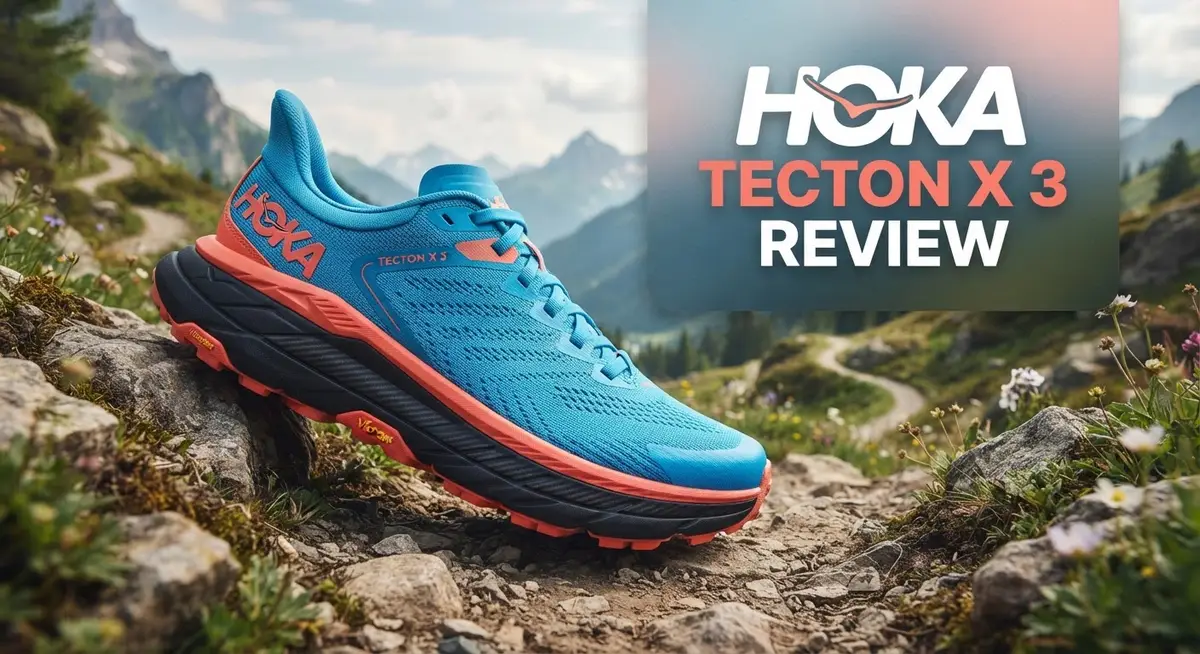
This shoe packs dual carbon fiber plates and 100% PEBA foam into one package. That combo gives you serious energy return on every stride.
Runners tackling technical trails or ultra distances will notice the difference. The Vibram Megagrip outsole grips rocks and roots without slipping.
But does this shoe live up to the hype? We tested it across varied terrain to find out.
From stability on rocky descents to comfort during 80km plus runs, this review covers it all. You will learn where the Tecton X 3 shines and where it falls short.
Let’s break down what makes this shoe tick.
In a Nutshell
Here’s the quick rundown on what this shoe delivers:
-
Energy return stands out. The dual carbon plates and PEBA foam work together. You feel a strong push with every stride.
-
Grip stays solid everywhere. The Vibram Megagrip outsole handles mud, rocks, and wet trails. It wears well over many miles too.
-
Stability holds up on rough terrain. Despite the tall stack height, winglets keep your foot steady. Even technical descents feel controlled.
-
Long runs feel easier on your legs. This shoe suits ultra distances well. Runners pushing 80km or more will notice less fatigue.
-
Some trade-offs exist. The heel pocket feels soft on slanted ground. Lateral movement can feel less locked in.
-
No lace lock system included. This might bother runners who like a snug, adjustable fit. It’s a small but noticeable gap.
Overall, this shoe shines on long, technical trails. It trades some lateral stability for serious cushioning and grip. Know your priorities before you commit.
Build and Materials
The HOKA Tecton X 3 uses a dual carbon fiber plate setup that sits inside a 100% PEBA foam midsole. This combination creates the shoe’s signature responsive feel. The heel has 139 SA firmness while the forefoot sits at 120 SA. This means you get more cushioning up front where you need it most during long trail runs.
The upper is made from Matryx material. This fabric offers a balance between durability and breathability. It holds your foot in place without feeling restrictive on technical terrain. The material handles scrapes and impacts well during rough trail work.
The outsole features Vibram Megagrip Litebase technology. This rubber compound grips wet rocks, loose dirt, and muddy sections effectively. The tread pattern stays responsive underfoot while resisting wear. Most runners report this outsole lasting through multiple ultra distance events without significant degradation.
What sets this shoe apart is its high stack height with winglets for stability. The winglets are small outriggers that extend from the midsole. They prevent your foot from rolling inward or outward on uneven ground. This design keeps you stable even when the trail throws technical obstacles at you.
One material choice worth noting is the heel pocket construction. The soft foam in this area feels plush but lacks rigidity. On slanted surfaces or during lateral movement, this softness can feel unstable. Runners with ankle concerns might notice this more than others.
The shoe lacks a lace lock system in its design. This means you’ll need to tie and retie your laces if they loosen during a run. Some runners find this annoying on long efforts. Others simply tie them tighter at the start and forget about it.
Overall, the materials work together to create a shoe that excels on long, technical trails. The PEBA foam provides energy return while the Vibram outsole grips reliably. The Matryx upper stays durable through rough conditions. These components combine to make the Tecton X 3 a capable workhorse for distance trail running.

Last update on 2026-10-24 / Affiliate links / Images from Amazon Product Advertising API
Cushioning and Energy Return
The HOKA Tecton X 3 delivers impressive cushioning that keeps your legs fresh even when you’re pushing past 80km. The shoe uses a 100% PEBA foam midsole that absorbs impact while staying responsive underfoot. This matters because soft foam can feel sluggish, but PEBA strikes a balance between protection and energy return.
The dual carbon fiber plates are the real stars here. They sit inside the midsole and work with the PEBA foam to bounce energy back to you with each step. You’ll notice this most on steep descents where the plates help propel you forward instead of just absorbing shock. The heel sits at 139 SA while the forefoot is 120 SA, giving you slightly more cushioning in the back.
Energy return feels snappy compared to softer trail shoes. When you push off the ground, the combination of carbon plates and PEBA foam sends you forward efficiently. This reduces the effort your legs need to produce, which is exactly what you want on ultra distance runs. Your calves and quads will thank you after hours on the trail.
The cushioning does come with a trade off though. The heel pocket feels quite soft, which means lateral movements on slanted terrain can feel unstable. If you’re running on flat, well defined trails this won’t bother you. But technical scrambles with uneven footing expose this weakness. The winglets help stabilize your foot, yet they can’t fully compensate for the softer heel construction.
The real strength of this shoe’s cushioning is its consistency. Many runners report that the midsole holds up well over long distances without breaking down. The PEBA foam doesn’t compress excessively, so your 80km run feels similar to your 20km run in terms of underfoot feel.
If you’re choosing between the Tecton X 3 and firmer competitors, know that this shoe prioritizes leg comfort over ground feel. You get more cushioning but slightly less direct trail feedback. For ultra distance runners, that trade off usually wins out.
Traction and Outsole Performance
The Vibram Megagrip Litebase outsole is where this shoe truly excels on technical terrain. This rubber compound grips mud, rocks, and slick surfaces with confidence. You’ll feel the difference on wet descents where other shoes slip.
The outsole pattern features aggressive lugs spaced for maximum contact. Rocky trails don’t scare this shoe. The lug design clears debris effectively, so you maintain traction even in loose conditions.
Durability impresses across different surfaces. The Vibram rubber resists wear better than standard trail shoe outsoles. After extended use on abrasive terrain, the grip remains strong. This matters when you’re running 80km plus and need consistent performance.
One thing to note: the outsole performs differently on varied ground. On hard pack dirt, you get excellent bite. On loose scree, the lugs still hold, but you’ll feel slightly more movement than on firmer terrain. This is normal for any trail shoe, not a weakness specific to the Tecton X 3.
The shoe’s high stack height creates an interesting dynamic with traction. You might think extra cushioning would reduce ground feel, but the dual carbon plates keep you connected to the trail. Your foot doesn’t feel detached from the surface, which helps with confidence on technical sections.
Lateral grip matters on steep descents. The winglets work with the outsole pattern to prevent sliding sideways. This combination keeps your foot stable when the trail tilts at odd angles.
Wet conditions deserve special attention. The Vibram outsole maintains grip on slippery rocks and muddy patches. Runners consistently report feeling secure in wet weather, which is crucial for trail racing where weather changes fast.
The outsole does require one consideration. If you run on extremely sharp volcanic rock or technical alpine terrain regularly, inspect the rubber periodically. The aggressive lugs handle this terrain well, but sharp edges eventually wear any outsole.
Overall, the traction and outsole performance justify confidence on challenging trails. This shoe handles the demands of long distance trail running without compromising grip or stability across varied conditions.
Top 3 Alternatives
Nike Vaporfly Next%

- Nike Vaporfly 4 Men's Road Racing Shoes
- Men to Women Sizing
Last update on 2026-10-24 / Affiliate links / Images from Amazon Product Advertising API
The Nike Vaporfly Next% delivers serious speed for distance running. This shoe features a carbon fiber plate that works with the foam to push you forward with each stride. Runners love how responsive the shoe feels on the track or road.
The upper wraps your foot snugly without rubbing. The cushioning stays firm enough to keep you connected to the ground. Many athletes use this shoe for marathons and half marathons where every second counts.
Asics Metaspeed Sky

- MOTION WRAP 3.0 upper: A lightweight technical engineered woven material that helps lock the foot...
- FF LEAP cushioning: This midsole foam is super bouncy and lightweight. It's designed to help provide...
Last update on 2026-10-24 / Affiliate links / Images from Amazon Product Advertising API
The Asics Metaspeed Sky focuses on vertical energy return. The shoe uses dual foam layers that bounce back as you land. This design helps you maintain speed without burning out your legs.
The fit feels secure around your midfoot. The heel sits low, which changes how your foot strikes the ground. Runners report feeling fresher during the final miles of their race.
New Balance FuelCell RC

- FUELCELL FOAM TECHNOLOGY - Propulsive FuelCell foam delivers a remarkably responsive underfoot feel...
- FANTOMFIT BONDED UPPER - Ultra-light FantomFit upper offers bonded support without bulk, creating a...
Last update on 2026-10-24 / Affiliate links / Images from Amazon Product Advertising API
The New Balance FuelCell RC combines comfort with race-day performance. The FuelCell foam provides quick energy return on every step. The shoe feels lighter than many competitors while still offering support.
The upper uses a minimal design that reduces weight. The sole pattern gives you grip on different surfaces. Many runners appreciate how this shoe handles both speed workouts and longer distances.
All three shoes excel at different things. The Nike works best for pure speed. The Asics shines when you want vertical bounce. The New Balance balances speed and comfort for various running situations. Your choice depends on what matters most to your running style.
Fit, Comfort, and Stability
The fit of the HOKA Tecton X 3 leans toward a snug, secure experience on most runners’ feet. The Matryx upper wraps your midfoot and forefoot with confidence, keeping your foot locked in place during quick direction changes on rocky terrain.
However, the heel pocket presents a real consideration. The soft construction feels comfortable during forward motion, but it struggles on severely slanted surfaces. If you’re running across hillsides or making sharp lateral movements, you might notice some heel slippage. Runners with narrow heels should pay attention here.
The absence of a lace lock system adds friction to your pre-run routine. You’ll need to adjust your laces manually if they loosen mid-run, which some runners find annoying on long efforts. This feature gap stands out compared to competitors that include this simple addition.
Comfort shines during extended efforts. The 100% PEBA foam midsole cushions your legs effectively, and the high stack height absorbs impact without feeling mushy underfoot. Your feet stay fresh even after 80km or more. The winglets contribute to this comfort by working alongside the cushioning to reduce excessive foot roll.
Stability demands nuance here. The shoe performs admirably on most technical trails thanks to its winglet design and responsive carbon plate setup. The dual carbon fiber plates provide enough rigidity to handle uneven ground without feeling stiff. On flat or gently rolling terrain, stability feels excellent.
The real trade off emerges on steep, uneven descents. The soft heel pocket can feel unstable when you’re braking hard downhill, especially if the ground slopes sideways beneath your feet. Runners who prioritize maximum ground feel and control might find this softness frustrating.
Overall, the Tecton X 3 suits runners who value cushioning and comfort over pure ground feedback. If you’re tackling long, technical races or training runs, the stability and fit work well for most situations. Just understand that lateral movements on extreme angles require extra attention from your foot.
Terrain Versatility and Use Cases
The HOKA Tecton X 3 shines across multiple trail environments. This shoe handles rocky, rooty terrain with confidence thanks to its aggressive Vibram outsole and responsive carbon-plated construction.
Long distance running is where this shoe truly excels. Runners tackling 80km to 100km+ efforts find the cushioning keeps their legs fresh throughout the entire effort. The dual carbon fiber plates deliver energy return when fatigue sets in, which matters most during those final kilometers.
Technical descents present an interesting scenario. The shoe’s stability winglets work alongside the outsole pattern to prevent lateral sliding. However, the soft heel pocket can feel less secure on steep, slanted surfaces compared to firmer competitors. This trade off means you’ll feel more cushioning but slightly less ground control on aggressive downhill sections.
Muddy and wet conditions require attention. The Vibram Megagrip Litebase outsole maintains grip even when trails get slippery. The lug spacing allows mud to shed effectively, so traction stays consistent rather than becoming clogged. Rocky terrain is another strength. The aggressive lugs bite into loose stone and provide reliable contact across varied ground.
This shoe works best for runners who prioritize comfort over maximum ground feedback. If you’re running technical trails but also want leg protection for ultra distances, the Tecton X 3 fits that role. The high stack height means you’re not getting the most direct trail feel, but you’re gaining cushioning consistency across different surfaces.
Single track running feels smooth thanks to the responsive foam and stable platform. The winglets prevent your foot from rolling excessively on uneven ground. Steep climbs benefit from the shoe’s energy return, though the soft heel pocket means you’ll want to dial in your lacing technique for support.
Mixed terrain running is where versatility shines most. The shoe adapts well whether you’re switching between rocky sections, rooty climbs, and smooth descents within the same run. The consistency of cushioning and grip across these different surfaces makes the Tecton X 3 a reliable choice for runners who encounter variable conditions regularly.
Pros and Cons
Pros
- Dual carbon fiber plates deliver exceptional energy return and forward momentum on technical trails
- Vibram Megagrip Litebase outsole grips aggressively on wet, muddy, and slanted terrain without wearing quickly
- 100% PEBA foam midsole absorbs impact effectively, making it ideal for ultramarathons (80km to 100km+) where leg fatigue matters most
- Winglets and high stack height keep your feet stable across uneven ground and steep descents
- Responsive platform handles both single track and mixed terrain without sacrificing comfort during long efforts
Cons
- Soft heel pocket shifts under lateral movement, reducing stability on steep, uneven descents and slanted surfaces
- No lace lock system means you’ll spend extra time securing your shoes before each run
- Softer feel requires more attention to care and maintenance compared to firmer competing models
- High stack height can feel disconnected from the ground if you prefer direct terrain feedback and control
Who Should Buy It
The HOKA Tecton X 3 appeals to a specific group of trail runners. This shoe fits best if you log ultras between 80km and 100km or longer distances. The cushioning protects your legs during those grinding final miles.
You should buy this shoe if comfort matters more than ground feel. Runners who want feedback from the trail might prefer firmer competitors like the HOKA Vectiv. But if you crave a plush, responsive ride that absorbs punishment, the Tecton X 3 delivers.
This shoe works well for runners tackling mixed terrain and single track. The dual carbon plates give you forward momentum on technical sections. The Vibram Megagrip Litebase outsole grips aggressively on wet and muddy ground. You get reliable traction without constant worry about slipping.
Consider the Tecton X 3 if you run steep, uneven descents regularly. The winglets and high stack height provide stability across variable ground. However, the soft heel pocket shifts during lateral movement on slanted surfaces. So if you need maximum stability on extreme terrain, this might not be your first choice.
The shoe suits runners who value a snug, secure fit. The upper wraps your foot nicely for most runners. Just know that the absent lace lock system means you’ll adjust your laces before each run.
This shoe is not ideal for runners seeking maximum ground feedback. The thick cushioning creates distance between your foot and the trail. If you want to feel every rock and root, look elsewhere.
You should also consider your pre run routine. Without a lace lock, you’ll spend extra seconds securing your laces. For some runners, this adds unwanted friction to race prep.
Finally, buy the Tecton X 3 if you prioritize leg preservation over everything else. The 100% PEBA foam absorbs impact effectively. Your legs will thank you during those final kilometers when fatigue sets in. This shoe transforms ultramarathons from survival mode into a more manageable experience.
Final Verdict
The HOKA Tecton X 3 stands out as a strong choice for trail runners who value comfort and endurance. It brings together carbon plates, PEBA foam, and a grippy outsole in one package.
This shoe rewards runners who log serious miles. Your legs feel fresher after long efforts. That alone makes it worth trying for anyone training for big race days.
Trail runners with a smooth, controlled stride will get the most out of this shoe. The platform stays composed even when trails get rough. Confidence builds mile after mile.
Runners who plant their feet firmly and avoid sharp side to side motion will notice fewer stability issues. Those who move quickly and change direction often may feel the heel shift slightly. This is a small tradeoff for the comfort gained elsewhere.
The shoe fits best into a training plan focused on distance over speed work. Its soft, protective ride suits long climbs and descents better than quick, sharp movements. Think steady effort over explosive bursts.
First time buyers should test the shoe on shorter runs before committing to longer distances. This helps you understand how your foot sits in the heel pocket. It also helps you judge fit before race day arrives.
Experienced ultra runners already know what they want from a shoe. If leg fatigue has been a limiting factor in past races, this shoe addresses that directly. The cushioning does real work when your body needs it most.
Overall, the HOKA Tecton X 3 delivers where it matters most, distance comfort and trail versatility. It is not the sharpest tool for technical speed work. But for runners chasing long miles with less leg damage, it earns its place in the rotation.
Choose this shoe if your goals center on finishing strong, not just finishing fast. Your legs will thank you somewhere around mile sixty.
Frequently Asked Questions
Is the HOKA Tecton X 3 good for beginners?
Yes, but with a caveat. New trail runners should test this shoe on shorter runs first. The high stack and cushioning feel forgiving during your first few outings. However, the soft heel pocket requires awareness on steep terrain. Start with 5 to 10 kilometer runs to build confidence before tackling longer distances.
Can I use the Tecton X 3 for everyday trail running?
Absolutely. This shoe works for both daily training and race day efforts. The 100% PEBA foam midsole keeps your legs fresh across multiple weekly runs. Runners who log serious miles appreciate the leg-saving cushioning. Just remember that the soft heel pocket performs best on smooth, controlled strides rather than aggressive lateral movement.
How does the Tecton X 3 compare to the HOKA Vectiv?
The Vectiv feels firmer and offers more ground feedback. The Tecton X 3 prioritizes comfort and cushioning instead. Choose the Vectiv if you want direct trail contact and control. Pick the Tecton X 3 if you prefer a softer, more protective ride. Both excel on technical terrain, but they suit different runner preferences.
Will this shoe work for ultramarathons?
Yes. The Tecton X 3 shines during 80 to 100 kilometer efforts. The responsive platform and cushioning protect your legs during extended efforts. The Vibram Megagrip Litebase outsole grips reliably on wet and muddy sections. Experienced ultra runners often choose this shoe specifically for distance protection and versatility across mixed terrain.