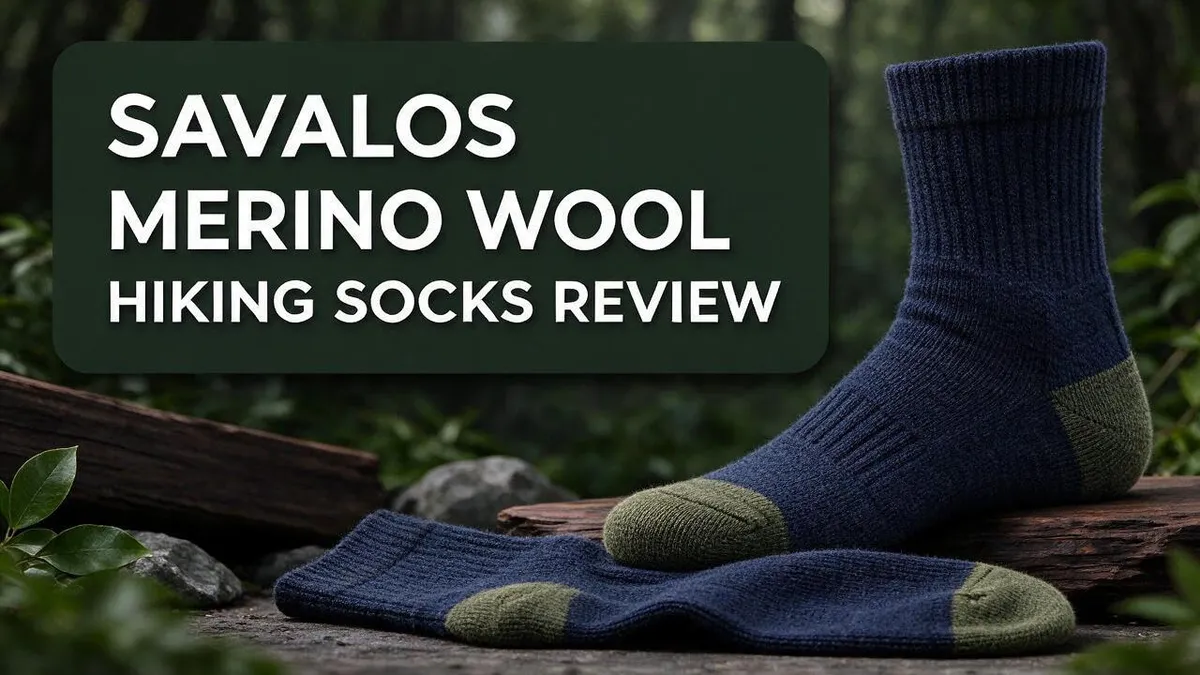
SAVALOS Merino Wool Hiking Socks Review: Comfort, Durability and Trail Performance
Sore, sweaty feet can ruin a great hike. The right socks change everything.
SAVALOS Merino Wool Hiking Socks promise comfort on long trails. This review checks whether they deliver.
Merino wool has a strong reputation among hikers. It regulates temperature, wicks moisture, and resists odor over several days of walking.
Good socks also need to last. Some merino blends keep their stretch for years, while others lose elasticity sooner. Fiber content matters.
In this review, we look at comfort, fit, moisture control, odor resistance, and durability. You will learn who should wear these socks and who should skip them.
Let’s lace up and get started.
In a Nutshell
-
Best for: Hikers who want a natural, temperature regulating sock for day hikes and multi day trips. Merino fans often report steady comfort in both cool and warm weather.
-
Check the blend: Read the fabric label before you buy. Many merino socks add polyester and spandex for stretch and shape. A higher merino share usually feels softer and more breathable.
-
Moisture and odor: Merino has a strong track record for wicking sweat and resisting smell. Many hikers wear one pair for several days on the trail.
-
Lifespan: One forum thread says socks with about 54% merino last 3 to 5 years before they lose stretch. Wash them gently and air dry them to keep them in shape.
-
Fit matters: Choose your size with care. A snug heel and no bunching at the toes help prevent blisters on long descents.
-
Our take: SAVALOS looks like a smart pick for trail comfort. Check the product details for the exact blend and cushioning level before you decide.
Material Blend and Fabric Quality
Fabric quality starts with the fibers inside the yarn. Merino is the main fiber here, but the exact mix matters a lot. Our research does not include SAVALOS blend numbers, so please confirm the exact percentages on the product page before you buy.
Many hiking socks add a small amount of synthetic fiber. Nylon often adds strength to the heel and toe, where socks wear out first. Spandex helps the sock keep its shape after each step.
Think about how the blend feels after a long day. A higher share of wool usually feels softer and more natural against the skin. A higher share of synthetic fiber can feel firmer, but it may hold up better to rubbing against boots.
Knit density also shapes fabric quality. A tighter knit often gives more cushion underfoot and better protection from rocks and roots. A looser knit breathes more but may thin out faster in high wear areas.
Look for reinforced zones in the product description. Extra yarn at the heel, toe, and arch can add durability where hikers need it most. Smooth seams also reduce rubbing, which helps prevent blisters on long miles.
Fabric quality also depends on how you care for the socks. Gentle washing and air drying help the fibers keep their shape. Harsh heat can weaken elastic, so skip the hot dryer.
In short, SAVALOS needs a clear blend and solid knit construction to earn trust. Check the label, read the reviews, and compare the fiber mix with your hiking style. A sock that fits your trail well will feel better from the first mile to the last.

- 【70% Premium Merino Wool】Made of 70% merino wool blended with 23% polyester, 5% spandex, and...
- 【Two Sizes for Precise Fit】Available in Medium (fits US women's shoe sizes 5.5-10) and Large...

Last update on 2026-10-24 / Affiliate links / Images from Amazon Product Advertising API
Cushioning, Fit and Sizing
Cushioning matters most on rocky or long trails. Light padding suits day hikes on smooth paths. Heavier padding can help when you carry a heavy pack.
Look for extra padding under the heel and the ball of the foot. These spots take the most impact with every step. Cushion that sits in the right places keeps your feet comfortable mile after mile.
Our research does not include SAVALOS-specific cushion details. Check the product page for zone maps or thickness notes before you decide. Avoid guessing how the sole will feel on the trail.
Fit comes next, and it shapes everything else. A sock that is too loose can bunch under the foot. Bunching creates pressure points that lead to blisters. A sock that is too tight can squeeze the toes and restrict circulation.
Measure your foot length and width before you order. Measure in the afternoon because feet swell during the day. Then compare your numbers with the size chart on the product page.
Pay attention to the heel and arch as well. The heel should sit snug without slipping. The arch band should feel supportive but never tight.
Sizing also depends on what you wear with the socks. Try them on with your usual hiking boots. If you plan to wear thicker socks on the trail, choose a size that works with that layer.
If you fall between two sizes, many hikers pick the larger option. Extra room helps when feet swell on long climbs. Walk up and down stairs to test the fit. Check for slipping, pinching, or pressure on the toes.
Cuff height matters too. A cuff that sits just below the calf can stay in place on steep ascents. Pick the height that suits your hiking style and your boots.
Moisture Wicking, Temperature Regulation and Odor Control
Sweat is the biggest challenge on a long hike. Wet skin rubs easily and can lead to blisters. Good socks should pull sweat away from your skin fast.
Moisture wicking depends on how the fibers handle water. Merino fibers draw sweat into the yarn and spread it out. This helps the outer layer dry faster, so your feet feel less damp.
Temperature control matters just as much as dryness. Merino helps keep warmth in during cold mornings. It also lets heat escape when the trail gets steep and your body warms up.
Odor control is the next big question for many hikers. Smell comes from bacteria that feed on sweat. Hikers often report that merino resists odor for several days of wear.
Drying habits make a real difference too. Air dry your socks after each hike instead of using high heat. Wash them in cool water and rotate two or three pairs.
Longer hikes create more sweat, so dampness and odor become bigger issues. Pack a spare pair for overnight trips. Layering can also help. A thin liner sock under the merino pair may reduce friction on wet trails.
Season matters as well. Summer hikes need breathable fabric, while fall hikes need extra warmth. Check the forecast before you pack.
Test the socks on a short walk first. Notice whether your feet stay dry and whether any smell builds up. Your own results will tell you more than any label.
Top 3 Alternatives
Looking for other options? These three sock brands offer strong comfort and lasting wear. Each one suits a different style of trail, so read on to find your best match.
Darn Tough Hiker

- Midweight with Cushion - A warm and extremely comfortable choice when conditions demand it, this...
- Micro Crew Height - A shorter, more concise take on the traditional crew height. Peeks just above...
Last update on 2026-10-24 / Affiliate links / Images from Amazon Product Advertising API
Darn Tough Hiker socks come with a lifetime guarantee. That gives buyers real peace of mind.
The merino blend wicks moisture and keeps feet warm in cold weather. A thick cushion protects the heel and toe on rocky paths. Many hikers say these socks keep their shape even after months of heavy use.
Smartwool Hike Light

- VERSATILE HIKING SOCKS. Focus on the trail, not your feet. With a Virtually Seamless Toe and...
- LIGHT CUSHION. Made with light cushioning on the entire bottom of the foot, these Merino wool hiking...
Last update on 2026-10-24 / Affiliate links / Images from Amazon Product Advertising API
Smartwool makes the Hike Light for warmer days and faster hikes. The fabric feels soft and breathable against the skin.
Thin padding helps the sock dry quickly after a stream crossing. People who want less bulk in their boots will like the slim fit. The arch band also hugs the foot without pinching.
Icebreaker Hike

- ✔ Get One Size Bigger: For optimal comfort and fit, we recommend ordering one size up from your...
- ✓ Wide Toe Box - The wide toe box combined with the flexibility of our Winter barefoot boot allows...
Last update on 2026-10-24 / Affiliate links / Images from Amazon Product Advertising API
Icebreaker Hike socks use pure merino wool for natural odor control. The knit stretches to match the shape of your foot.
Many hikers choose this pair for steady comfort on trips that last several days. Soft, supportive fibers make long hours on the trail feel easier. Pack a fresh pair for every trip and enjoy comfortable feet all week.
Durability and Elasticity Over Time
Durability often shows up slowly. Most hikers notice wear after many trips, not after the first walk. Our research does not include SAVALOS-specific wear tests, so we cannot promise an exact timeline.
Elasticity usually fades first. The cuff and arch band loosen over time. Socks may start sliding down the leg during a hike.
Heel and toe areas take the most pressure. Thin spots often appear there before anywhere else. Look for designs that add extra material in these zones.
Washing habits matter a lot. Hot water and high dryer heat can shrink fibers and weaken stretch. Cool water and air drying protect the fabric. Skip fabric softener, because it coats the fibers and reduces their natural bounce.
Rotation gives socks time to recover. Wearing the same pair every day keeps the fibers under constant strain. Rotating two or three pairs lets the yarn rest between hikes.
Boot fit also changes how fast socks wear. A tight boot rubs the same spots on every hike, so the sock thins there faster. Loose boots let the sock shift and bunch up, which creates weak areas too.
Watch for pilling and small snags. Pilling on the shin or top of the foot shows friction from boots. Snags can grow into holes if you ignore them.
A simple test helps. Stretch the cuff gently and see whether it springs back. Compare the feel with an older pair you already trust. Write down any changes after each season.
Finally, read long-term reviews. Owners who wear socks for a full season often share the most useful wear details. Ask for photos of worn pairs if the seller offers them.
Care and Washing Tips
Good care keeps your SAVALOS socks soft and supportive. Merino wool needs a gentle touch every time it gets washed.
Pick a wool wash or a mild detergent. Harsh soaps can strip the natural oils from the fibers.
Skip fabric softener. It coats the fibers and reduces their ability to wick sweat. Keep the bottle on a different shelf.
Turn each sock inside out before washing. This protects the outer surface from rubbing against the drum.
Place them in a mesh laundry bag. The bag keeps small threads from catching on zippers and other clothes.
Treat stains early. Dab a little cold water and mild soap on the spot. Scrubbing hard can roughen the knit.
Store your socks in a dry drawer. Keep them away from direct sunlight, which can fade colors over time.
Wool attracts clothes moths. Wash socks before long storage, since sweat and body oils draw pests in. Add cedar blocks or lavender sachets to the drawer.
Check the care label inside each sock first. If the label gives different instructions, follow those steps instead.
Sort your socks before each load. Wash them with other light wool or soft knit items. Heavy jeans can rub and roll the fibers.
Do not overload the machine. Tight packing limits water flow and keeps dirt trapped in the fabric. Use a gentle cycle.
Soap residue matters more than many people think. Rinse the socks well so the fibers stay soft.
Dry cleaning is rarely needed. Regular gentle washing keeps merino socks in good shape for many months.
A little care goes a long way. Simple habits protect your socks and help them perform on every trail.
Best Hiking Conditions and Activities
Cool mountain trails are a strong match for merino socks. Cold mornings and gusty ridges make warmth a top priority. Merino keeps feet comfortable when the air turns chilly.
Day hikes on mixed terrain also suit these socks well. Rocky paths, dirt roads, and muddy patches all put pressure on the foot. A snug fit keeps the sock steady inside the boot.
Longer backpacking trips bring different needs. Hikers carry heavy packs for many hours each day. A soft sock helps the feet stay happy across long miles on the trail.
Rainy regions call for extra planning. Wet trails soak boots from the outside, so the socks face damp conditions from every direction. Pick a pair that still feels comfortable when the boots get wet.
Hot desert hikes are a different story. Thick wool can feel warm in direct sun, so many hikers save these socks for cooler days. Some people prefer a lighter option for summer heat, and that choice makes sense on open, sunny routes.
Winter snow treks are a great use case. Cold feet slow a hiker down fast. A wool layer adds warmth without making the boot feel crowded.
Camping and travel days matter too. Many people wear a clean pair for camp chores or a short walk to a viewpoint. Having a second pair for camp gives your feet a break from the hiking boot.
Match the sock to the trip. Think about the season, the terrain, and how many hours you plan to walk. Keep a short note of what worked and what did not. This simple habit helps you choose the right pair for each adventure.
Pros and Cons
Pros
- Wool keeps warmth even when damp on cool mornings.
- Temperature control helps feet stay comfortable on changing trails.
- The soft texture feels gentle on skin during long walks.
- Socks stay fresh feeling over several days of wear.
- The fibers pair well with most hiking boots.
Cons
- Socks dry more slowly than synthetic options after heavy sweating.
- The fabric can feel warm on hot summer trails.
- Thick cushioning may feel bulky in narrow or snug shoes.
- Sizing can vary, so check the size chart before you buy.
Who Should Buy It
SAVALOS socks suit a wide range of hikers. Still, some people will get more value from them than others. Knowing your own habits makes the choice easier.
New hikers often want a simple starter sock. These socks give a comfortable base without much guesswork. They help beginners learn what their feet need on longer walks.
Frequent hikers who log many miles each month also benefit. Regular use puts heavy wear on each sock. Merino fibers hold their shape well, so the pair keeps working for longer.
Travelers and commuters form another group. One pair can handle a morning trail and an afternoon city walk. You pack fewer pairs, and your bag stays light.
People who dislike synthetic odor often prefer wool. Many find that merino feels fresher after a long day in boots. This matters most for anyone who hates the smell of stale gym socks.
Many people also find wool less scratchy than cotton blends. Still, wear a pair at home before a big trip.
Older hikers who want steady support on long days may appreciate this sock. Tired feet often feel better with a sock that keeps its shape.
Who might want something else? Anyone who wants the thinnest sock possible for running shoes should look elsewhere. Hikers who scramble over sharp rock may also want extra reinforcement. Trail runners and fast hikers may prefer a lighter build. Choose the sock that matches your pace and terrain, not just the trail name.
In short, these socks fit people who value wool, long wear, and steady comfort. Know your habits, then decide with confidence.
Final Verdict
SAVALOS Merino Wool Hiking Socks look like a solid pick for most trail walkers. They bring the core strengths people expect from merino. Those strengths include comfort, odor control, and steady temperature balance.
One caution applies. I could not confirm the exact fiber blend for this sock. Check the product label before you buy.
The blend matters for lifespan. Hikers report that socks with a lower merino share often lose stretch after about three to five years. Higher merino content tends to hold its shape longer.
Many merino socks also include polyester and spandex. These fibers add stretch and help the sock keep its fit. A small amount of synthetic is normal and is not a flaw.
Here is my honest take. SAVALOS fits hikers who want a dependable everyday wool sock. It works best on cool to mild trails.
It may not suit every trip. Hot desert days and very tight boots call for other choices. Plan around your own routes.
Thorlo is another option if you want maximum cushioning and strong durability.
Try this simple test. Wear one pair on a short local hike first. Watch for hot spots, slipping, and heel rubbing.
Then wear the same pair on a longer day. Notice how your feet feel after several hours. That result tells you more than any spec sheet.
Take care of the socks, and they should reward you. Wash them gently and air dry when you can. Good habits stretch the life of any wool sock.
Final rating: a friendly yes for wool lovers. Pick your size with care, match the sock to your season, and enjoy the trail.
Frequently Asked Questions
How should I wash merino hiking socks?
Use cold water and a mild wool wash. Turn the socks inside out before you start the cycle. Skip fabric softener, because it can coat the fibers. Lay the socks flat to air dry, since high heat can shrink them.
Do I need to break them in first?
Most hikers wear new socks around the house before a long trail day. This helps you spot rubbing spots early. Short walks around town work well as a simple test.
Can I wear them with a liner sock?
Yes, many hikers layer a thin liner under wool socks. The liner pulls sweat away from the skin. This combo can also reduce friction on long, steady climbs.
Should I pack a spare pair?
A spare pair is a smart idea for any trip longer than one day. Wet or muddy socks can make a hike feel miserable. A dry pair gives you a fresh start at camp.
How can I prevent pilling?
Pilling forms when fibers rub together over time. Wash the socks inside out and avoid hot dryers. Rotate your pairs so each sock gets less daily wear and lasts longer.