SukModen Merino Wool Thermal Socks Review: Warmth, Fit and Durability Tested
Cold feet can ruin a good day outside. SukModen Merino Wool Thermal Socks promise to fix that problem.
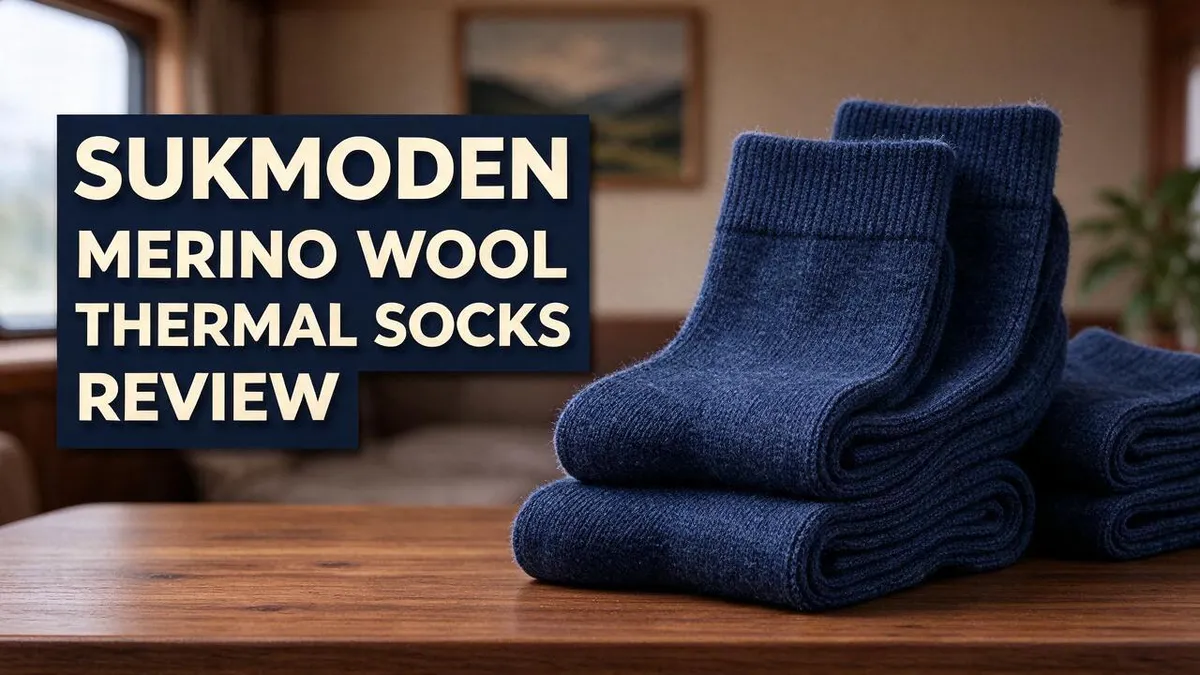
These socks use merino wool, a soft natural fiber that traps heat and pulls sweat away from your skin. The thick, looped padding cushions each step, and the seamless toe reduces rubbing.
The brand says they work in temperatures down to 10 degrees below zero Celsius. That is a bold claim, so we looked closely at the details.
Wool content differs between listings. The 2 pack ski socks list 35% merino, while the 3 pack lists 80%.
This review covers warmth, fit, comfort, and durability. We also compare them with Darn Tough, the benchmark for wool socks. Let’s find out if they deserve a place in your drawer.
In a Nutshell
-
Cushioning is the main strength. The thick, looped padding protects your feet from impact and helps prevent blisters on long days.
-
Comfort details add up. A seamless toe reduces rubbing. The 4 way stretch keeps the fit snug without squeezing your foot.
-
Moisture control looks promising. The fabric wicks sweat away from your skin. Listings also claim odor resistance, but that claim comes from the sellers.
-
Durability seems decent. Some buyers say the socks hold up after multiple washes. That feedback is encouraging, though no long term test backs it yet.
-
One drawback to know. Merino dries slower than synthetic fabric. Pack a spare pair for multi day trips.
-
Who should buy them? Skiers, hikers, and anyone with chilly feet will like them. Darn Tough remains the benchmark for comparison. Wool allergic buyers should pick a non wool alternative. Packs come in 2, 3, and 5 pairs, and women’s sizes start at UK 4.
Merino Content and Fabric Quality
Merino fibers feel softer than most wool. Many shoppers worry that wool will feel scratchy. Merino threads are much finer, so they usually feel gentle on bare skin.
Read the label before you order. The remaining fibers in a blend shape stretch, softness, and how well the sock keeps its shape. Check which materials sit beside the merino.
Odor control is a major selling point. SukModen claims its socks resist odor, which helps on multi day trips. Merino generally resists smells better than many synthetic fabrics.
The knit also offers four way stretch. The fabric moves with your ankle, calf, and foot. This keeps the sock from sliding down during long hikes or ski runs.
Wool allergies need extra thought. Merino is gentler than regular wool, but some people still react to it. Anyone with sensitive skin should test one pair first. Those who cannot tolerate wool can look at synthetic alternatives instead.
Layering works well with these socks. A thin liner sock under a merino pair adds warmth without bulk.
Shoppers who want the most natural option should look closely at the wool percentage. Higher merino content usually means a softer and more breathable feel.
Care keeps merino soft. Wash the socks in cool water with mild soap. Air drying helps the fibers keep their shape and comfort. Avoid fabric softener, which can coat the fibers and reduce their natural wicking.

- Exceptional Warmth & Comfort : Crafted with premium Merino wool, these merino wool socks deliver...
- Moisture-Wicking & Breathable Natural fibers transport sweat away from your skin, ensuring dry...
Last update on 2026-10-24 / Affiliate links / Images from Amazon Product Advertising API
Cushioning, Fit and Sizing
Thick padding changes how a sock fits. Bulkier socks take up more room inside a boot. Before you buy, measure your foot and compare it with the size chart on the listing.
Ski boots and hiking boots often feel tight with thick socks. Try the socks with the shoes you plan to wear. Check that your toes still have space to wiggle.
Women’s sizes begin at UK size 4. Check the men’s size range on the listing before ordering. Read the range carefully so you choose the right pair.
Pack size matters too. A pack of 2 suits weekend trips. A pack of 5 fits frequent skiers or hikers who wash often. Pick the count that matches your routine.
Feet swell during long days outdoors. A sock that feels snug in the morning may feel comfortable by afternoon. Give the fit a few wears before you decide.
Watch for pressure points. Padding can press against the ankle or top of the foot if the sock is too small. A little extra room keeps circulation flowing.
Loose socks bunch up under the heel and cause friction. A snug, even fit keeps cushioning where your foot needs it most.
Check the heel and toe areas first. The heel pocket should hold your heel without slipping. The toe should sit flat, not curl or press against the front of the boot.
Use the fit as a quick test. Walk around the house for ten minutes. Notice any tightness, heat, or pinching before you head outside.
If the socks feel right at home, they will likely feel right on the trail. Small fit issues are easy to fix early. Save the test before a long trip.
Warmth and Moisture Management
Warmth matters most when the temperature drops fast. SukModen rates these socks for cold conditions down to minus 10 degrees Celsius, or 14 degrees Fahrenheit.
Wool keeps heat even when it gets damp. Merino fibers can still hold warmth after they absorb some moisture. This matters during long breaks on snowy trails, when you stop moving and your body cools.
Breathability matters just as much as insulation. Your feet release heat and sweat during steep climbs. A breathable knit lets that heat escape, so your toes avoid overheating.
Your activity level changes what you need. People who stand still in cold weather often feel the full warmth benefit. Fast hikers and runners may overheat sooner, so they should watch for damp or sweaty feet.
Treat any temperature rating as a guide. Your boots, insoles, and outer layers all change how warm your feet stay. Use the rating as a starting point, not a promise.
Dry feet also feel more comfortable on cold days. Damp skin chills quickly once you stop moving, so keeping moisture low matters.
Give your feet a break when you can. Take off your boots at lunch and let your feet air out. Dry socks put on afterward help you stay warm for the rest of the day.
Many buyers pack a spare pair for longer trips. Swapping socks halfway through a day gives you a fresh, warm layer. This simple habit works well with these socks, especially on several day outings.
Check how your feet feel after a few hours. Warm feet should feel cozy, not sweaty or clammy. If your feet feel cold and damp at the same time, your sock layer may need adjusting.
Over time, you will learn what works for your feet. Note how your toes feel at the end of each outing. That simple record helps you choose the right sock for each season.
Top 3 Alternatives
Smartwool Hike Socks

- VERSATILE HIKING SOCKS. Perfect fit. Powerful durability. Formerly known as PhD Outdoor, these socks...
- LIGHT CUSHION. Made with light cushioning on the entire bottom of the foot, these merino wool hiking...
Last update on 2026-10-24 / Affiliate links / Images from Amazon Product Advertising API
Smartwool Hike Socks are a strong choice for hikers who want comfort on long trails. The merino blend feels soft against the skin and wicks moisture, so your feet stay dry. Hikers often pick this pair for mixed trail days. The socks handle warm climbs and cool mornings with ease.
The cushioned sole adds padding under the heel and toe. Many hikers like the snug arch fit, which reduces slipping inside the boot. Good cushioning also helps reduce fatigue on steep sections.
Darn Tough Hiker

- Midweight with Cushion - A warm and extremely comfortable choice when conditions demand it, this...
- Micro Crew Height - A shorter, more concise take on the traditional crew height. Peeks just above...
Last update on 2026-10-24 / Affiliate links / Images from Amazon Product Advertising API
Darn Tough Hiker socks stand out for their long lifespan. Each pair comes with a lifetime guarantee, which gives buyers peace of mind on rough terrain. Many hikers talk about how long these socks last after years of use.
The dense knit resists holes and thinning. Ribbed cuffs keep the sock in place all day. Many hikers wear them in cold weather and warm weather alike, so they work well across seasons.
Icebreaker Hike Socks

- DESIGNED FOR: Lightweight, soft, and breathable for everyday comfort, the Lifestyle Light Crew socks...
- MATERIAL CONSTRUCTION: Lightly cushioned fabric blend made from Merino Wool (60%), Nylon...

Last update on 2026-10-24 / Affiliate links / Images from Amazon Product Advertising API
Icebreaker Hike Socks use fine merino wool that feels light and breathable. They suit hikers who want natural fibers and a clean, fresh feel. The fabric helps control odor, even after several days on the trail.
Zoned cushioning supports the areas that take the most impact. The socks dry quickly after a stream crossing. Many walkers also wear them for daily errands. Wash them gently to protect the fibers and keep the softness.
Odor Resistance and Durability After Washing
Smell is often the first thing people notice after a long day in boots. SukModen says its socks resist odor. Real results depend on how you wash and dry them.
Merino wool naturally fights bacteria better than many synthetic fibers. This helps the socks smell fresher between washes. However, no sock stays odor free forever.
Washing habits matter more than most shoppers expect. Wash your socks inside out in cold water. Use a mild detergent. Harsh soaps can strip the natural oils from wool and reduce softness.
Skip fabric softener. It can coat the fibers and reduce the wicking effect. Avoid high heat in the dryer, since heat can shrink wool and weaken the knit.
Drying takes more time than you might like. Merino dries slower than synthetic socks. Hang them flat or lay them on a towel. Air drying keeps the fibers in shape.
Some customers report that the socks hold up after multiple washes. That feedback is encouraging. Still, individual results vary based on care and wear.
Listings show different merino percentages across packs, so check which version you buy. The wool percentage can affect how the socks handle repeated wash cycles.
Darn Tough serves as a common benchmark for durability. Comparing SukModen to that brand can show whether these socks match its wear level. Read reviews that mention wear after several months.
Check for thinning spots every few weeks. Look at the cuff, the ball of the foot, and the toes. Small holes often start there. Catching them early helps you decide when to replace a pair.
Light thinning is normal over time, so do not panic. Regular checks also show how well the fabric holds its shape after repeated washing.
Care Instructions and Drying Time
Drying time matters more than many people think. Wet socks can stay cold for hours, so a simple drying plan helps.
Lay your socks flat on a towel after rinsing. Roll the towel to press out extra water before you hang them. This step saves time and keeps the fibers from stretching.
Hang the socks in a room with good airflow. A fan placed near the drying spot can cut waiting time. Avoid direct sunlight, since strong light can fade colors over time.
Never use a dryer on high heat. Heat can shrink merino fibers and weaken the elastic blend. If you must use a dryer, pick the lowest setting and remove the socks while they still feel slightly damp.
Put socks on a drying rack rather than a radiator. Direct heat from radiators can make the wool feel stiff. Gentle air works best for soft, lofty cushioning.
Turn your boots upside down overnight. Pull out the insoles so air reaches the damp lining. Stuffing newspaper into boots can also draw out moisture.
Plan drying around your schedule. Wash socks in the evening so they dry overnight. Rotating two or three pairs means you always have a dry set ready.
Store clean pairs in a dry drawer. Fold them once they feel fully dry. Keep them away from damp basements, since trapped humidity can cause musty smells. Dry thick socks thoroughly before storing them to prevent odor.
Check the care label before every wash. Some packs list slightly different fabric blends, so instructions can vary. Following the label keeps the thick loops and seamless toe in good shape.
Suitable Activities and Pack Options
Start with the activity you do most. Your daily routine shows which pair fits best. Each activity asks something different from your socks.
Hikers on frozen trails often reach for the thicker styles. Steady warmth matters more than bulk when you walk for hours. Thinner layers still help on milder days.
Skiers and snowboarders can use the padded cushioning around the shin and heel. This area takes pressure from boot shells, so the padding helps feet feel more comfortable on long runs.
Campers face a different challenge. Cold nights in a tent call for dry, warm feet before bed. Many people keep one clean pair just for sleeping.
Office workers, dog walkers, and commuters often need less padding. A lighter pair keeps feet warm inside shoes without causing sweat buildup during a busy day.
Pick a pack size that fits your habits. A pack of two suits occasional wearers. A pack of three works well for regular walkers who want to rotate pairs. A pack of five suits families or anyone who wears warm socks daily through winter.
Rotation helps you keep a fresh pair ready at all times. Having extra pairs also means you never pull on a damp sock twice in one week.
Check the size chart before you order. Women’s sizes start at UK 4, so smaller feet have options too. Measure your feet in the evening, when they tend to feel their largest. Then compare that measurement with the listing chart.
Choose by activity first, then by pack. Match the thickness to your weather, and pick a pack size that suits your routine. This simple plan saves time and keeps your feet comfortable all season.
Pros and Cons
Pros
– Cushioning protects your feet from impact and blisters.
– A seamless toe reduces rubbing inside your shoes.
– Four way stretch keeps the socks snug without slipping.
– Moisture wicking fabric pulls sweat away from your skin.
– Rated for temperatures down to minus 10°C (14°F) on cold days.
Cons
– No brand specific drawbacks appear in the listing details.
– Thick padding can feel bulky in narrow or slim shoes.
– Thick padding may feel too warm on mild days.
– Wool allergy sufferers will need a non wool alternative.
Who Should Buy It
Buyers who feel the cold in their feet will likely appreciate these socks most. Cold toes can ruin a long winter walk, and thick cushioning traps warmth around them.
Shoppers who check the wool content first should read each listing closely. One version lists 35% merino, while another lists 80% merino. Pick the higher number if you want the softest and most natural feel.
People who dislike itchy fabric may find merino a good match. Merino fibers are finer than many traditional wools, so they often feel gentler on bare skin. If scratchy socks have bothered you before, this style may feel more comfortable.
Anyone who wears boots for long hours also fits the profile. Steady padding helps your feet stay comfortable after many miles or shifts on hard floors. Delivery drivers and warehouse crews often stand all day, so extra support matters.
Runners who train in the early morning may also benefit. Warm feet help you settle into a steady pace when the air feels sharp.
Those who want one sock for many seasons can benefit too. The fabric handles changing weather, so you may wear the same pair in autumn, winter, and early spring.
Buyers who prefer a simple daily routine should consider a fixed favourite. Reaching for one trusted sock each morning saves time and removes guesswork.
Gift shoppers looking for practical presents may also like these socks. Warm, well padded pairs suit many people who spend time outdoors or commute in cold weather.
In short, these socks suit cold weather lovers who value comfort and warmth. Read the listing details carefully before you choose a pack.
Final Verdict
SukModen Merino Wool Thermal Socks earn a confident recommendation for cold weather wearers. They deliver warmth, cushioning, and a snug fit in one simple pair.
One detail needs your attention. Listings disagree on wool content, with some showing 35% merino and others showing 80%.
Read the exact listing before you order. The blend changes warmth, softness, and long term feel.
Overall, the reported benefits look strong. Customers mention good moisture control, and some say the socks hold up after many washes.
Odor resistance is only a claim. Treat it as a pleasant bonus, not a promise.
Merino also dries more slowly than synthetic fabric. Pack a spare pair for wet days.
Darn Tough remains the benchmark for proven durability. SukModen looks like a solid contender that deserves a try.
One Reddit user also praised 95% wool socks from Costco. That shows you have other wool options to weigh.
Start with a short test. Wear them around the house for an hour before a long trip.
Watch for pressure around the toes and heel. A good fit should feel snug but never tight.
Follow the care label on your first wash. Gentle care helps wool last longer.
The listings show no brand specific flaws, yet long term test data remains thin.
You can place them beside a Darn Tough pair for a week. That side by side test shows which one suits your feet.
Buying a second pack later is easy if the first pair impresses you.
Our verdict is simple. These socks give cold feet a warm, comfortable home.
Check the wool percentage, pick the right pack, and wear them with confidence. Your feet should thank you on the next frosty morning.
Frequently Asked Questions
Which pack size should you pick?
SukModen sells packs of 2, 3, and 5. A 2-pack works well for a quick test. A 5-pack suits people who wear them often through winter. Choose the count that matches how many pairs you will rotate.
Do these socks come in women’s sizes?
Yes, the listings include women’s UK sizes 4 and up. Check the size chart on the exact listing before you order. Your foot size matters more than the pack count when you choose a fit.
Are the 2-pack socks good for skiing or hiking?
The 2-pack is listed as ski socks with thick, looped cushioning. That padding helps during long days in boots. Still, the listing does not describe every outdoor use, so read the product details first.
Is the cold weather rating from an independent test?
No. The rating comes from the seller, not from a third-party lab. Treat it as a useful guide, and pair the socks with boots that fit well for the best warmth.