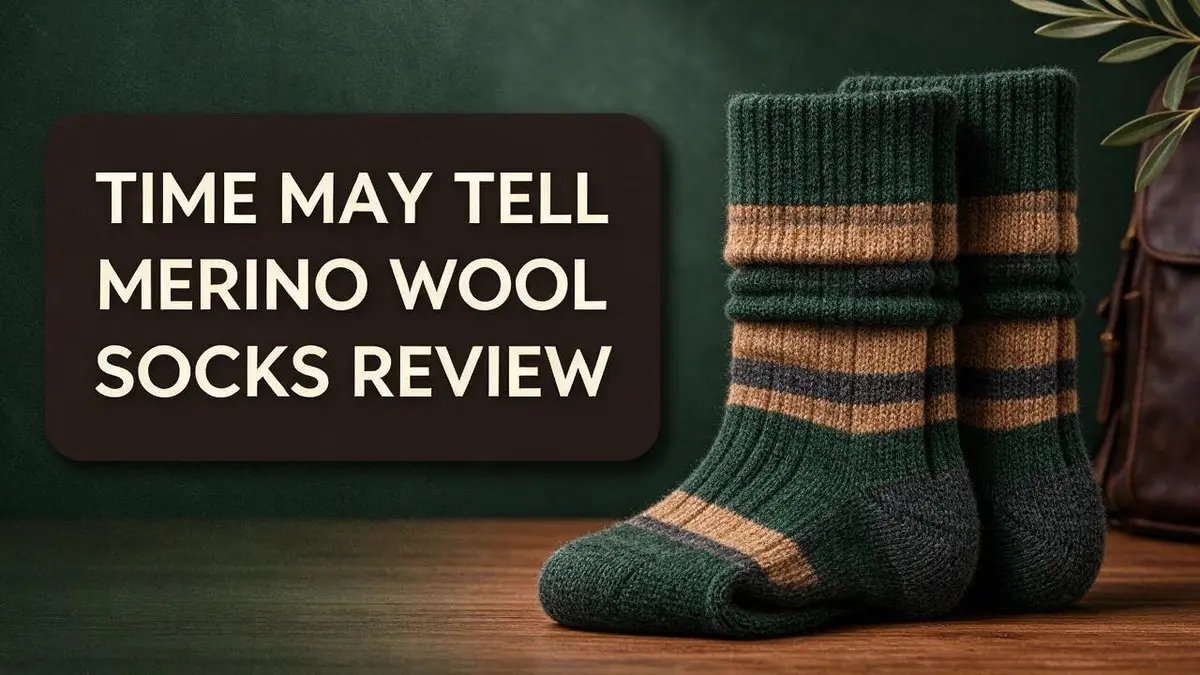
Time May Tell Merino Wool Socks Review: Are They Worth It for Hiking and Everyday Wear?
Cold, sweaty, or sore feet can ruin a good walk. The right socks fix that fast.
Time May Tell Merino Wool Socks promise warmth, comfort, and dry feet. They come in men’s and women’s versions.
You can buy them in 2 or 4 pair packs. Each pair has a cushioned crew style.
The merino wool feels soft and breathable. The cushioning helps reduce foot soreness. The fabric also wicks moisture away from your skin.
Shoppers like them. Amazon.co.uk shows a 4.4 out of 5 star rating from 1,904 ratings. Outdoor Gear Lab also tested the Cushion 2 Pack for hiking.
Do they live up to the hype? This review checks comfort, warmth, and how they stack up against rivals like Smartwool.
In a Nutshell
-
Cushioned comfort: The padding in the crew style thermal design helps reduce foot soreness on long walks and hikes.
-
Dry feet: The socks wick moisture away from your skin. Your feet stay drier and more comfortable as you move.
-
Strong ratings: Amazon.co.uk shows a 4.4 out of 5 star rating from 1,904 ratings. That is a big pool of happy feedback.
-
Trusted by testers: Outdoor Gear Lab included the Cushion 2 Pack in its hiking sock tests. Amazon also labels the socks a best seller for wool hiking socks.
-
Wide sizing: Both men’s and women’s versions run in sizes 6 to 13. Most people can find a fit.
-
Drawbacks: Research found no clear flaws. One Reddit thread notes the socks face lots of pressure to perform, so expectations run high.
Merino Wool Material and Fabric Quality
Merino wool comes from merino sheep. Its fibers are finer than many other wools. That fineness is why the fabric feels so gentle on your skin.
Many people expect wool to itch. Merino is different. Its fine fibers bend easily, so they rarely poke or irritate sensitive feet.
Natural odor resistance is another strong point. Merino tends to resist odor better than many synthetic fabrics. This helps your socks stay fresher after a long day outside.
Temperature control matters too. The fibers trap warm air when it is cold. They also release heat when you get hot, so your feet stay warm without feeling sweaty.
Stretch is another quality to notice. Good wool knits recover their shape after each wear. This keeps the sock snug around the ankle and calf without sagging.
Synthetic socks often feel stiff after many washes. Merino keeps its softness for longer when you care for it well. That makes it a smart choice for regular use.
Durability depends on the knit. A tight, well made weave resists thinning at the heel and toe. Check the heel and toe areas when you inspect the sock for wear.
Care also affects how long the fabric lasts. Wash them in cool water on a gentle cycle. Then lay them flat to dry, because high heat can shrink natural fibers.
Overall, the material gives these socks a comfortable base. Fine fibers, natural odor control, and smart temperature balance work together for everyday wear.
Many hikers rely on this fabric for long days outdoors. Read on to see how the fit and feel compare in real use.

- MERINO WOOL WARMTH FOR COLD-WEATHER ADVENTURES: Made with an 80% Merino wool blend fabric, these...
- BREATHABLE, MOISTURE-WICKING COMFORT: Designed for long days outdoors, the breathable knit...
Last update on 2026-10-24 / Affiliate links / Images from Amazon Product Advertising API
Cushioning and Comfort on the Trail
Cushioning matters most when the miles pile up. Many hikers feel sore arches and tired heels by the afternoon. These socks add a soft layer that takes some of the impact away.
The padding works best under the heel and ball of the foot. These zones take the most pressure with each step. Thicker areas there help the foot feel steady on rocky ground.
Fit plays a big role too. A smooth sock sits flat inside the boot. Bunching around the toes can create hot spots, and hot spots often turn into blisters.
The real test of cushion comes after several hours on the trail. Padding can feel plush in the living room but feel different on a steep climb. A long day with a full pack shows how well it holds up.
Cushion also keeps the foot calm inside the boot. Less sliding means less friction. Less friction means fewer rubbed spots on the heel and toes.
Cold feet can make soreness feel worse. Warm feet tend to stay relaxed, which helps the whole walk feel easier. That is why cushion and warmth work together.
Online discussion points to high expectations. One Reddit thread mentions lots of pressure on these socks to perform. Buyers want padding, warmth, and dry feet all in one pair.
Day hikers and backpackers may see the biggest gains. Campers who stand for hours can also enjoy the extra support. Everyone else should test the socks on a short walk first.
Try them with your usual boots before a big trip. A short walk shows whether the cushion suits your stride. It also reveals any tight spots before they become a problem on the trail.
Fit, Sizing and Crew Style
Fit matters just as much as feel with these socks. A good pair stays in place from the first mile to the last.
The crew height adds another benefit. It sits above the ankle, which helps protect your skin from rubbing against the boot cuff.
Measure your foot before you buy. Stand up, measure from heel to longest toe, and compare that number with the size chart.
Aim for snug, not tight. Your toes need a little room, while your heel should lock in place without slipping.
Press your toes gently toward the front of the sock. You should feel a small gap, not a tight squeeze.
Watch the heel area closely. A loose heel pocket can slide during a long descent and create painful blisters.
Thickness changes the fit too. Try them with your usual hiking boots, because the extra padding adds bulk that changes how a boot feels.
Crew style also works well for layering. Pull the cuff up over leggings or gaiters, and it stays neat without bunching around your calf.
Bunched fabric creates pressure points that make a long walk feel even longer.
Test them before a big trip. Walk around the house for ten minutes, then check for pinching, slipping, or hot spots.
Size up only if you wear thick boot liners. Otherwise, your normal size usually fits best.
Fit guides can vary between brands. Trust your foot length over the label alone, and choose the size that matches your own measurements.
A quick fit check before each hike keeps your feet happy from start to finish.
Top 3 Alternatives
If you want other options besides the Time May Tell pair, these three socks are great picks. Each one offers warmth, comfort, and durability for hiking days.
Darn Tough Hiker

- Lightweight with Cushion - Light and strong with a thin layer of cushioning along base of foot. Our...
- Micro Crew Height - A shorter, more concise take on the traditional Crew Height. Peeks just above...
Last update on 2026-10-24 / Affiliate links / Images from Amazon Product Advertising API
The Darn Tough Hiker sock comes with a strong lifetime guarantee. It uses fine merino wool blended with nylon.
This blend keeps your feet dry and helps the sock hold its shape. Many hikers choose this sock for rocky paths and cold mornings. Hikers often find the fit comfortable on long days.
Smartwool Hike Light

- VERSATILE HIKING SOCKS. Perfect fit. Powerful durability. Formerly known as PhD Outdoor, these socks...
- LIGHT CUSHION. Made with light cushioning on the entire bottom of the foot, these merino wool hiking...
Last update on 2026-10-24 / Affiliate links / Images from Amazon Product Advertising API
The Smartwool Hike Light sock feels thin but still provides good support. Its breathable design moves sweat away from your skin.
The arch area fits snugly, so the sock stays in place while you walk. This option works well for warm weather hikes or fast day trips. It also dries quickly after a rainy walk. Many people wear it for trail running too.
Icebreaker Hike+ Light

- DESIGNED FOR: Lightweight, soft, and breathable for everyday comfort, the Lifestyle Light Crew socks...
- MATERIAL CONSTRUCTION: Lightly cushioned fabric blend made from Merino Wool (60%), Nylon...

Last update on 2026-10-24 / Affiliate links / Images from Amazon Product Advertising API
The Icebreaker Hike+ Light sock is made from soft merino wool. It offers a smooth fit that reduces rubbing and blisters.
The sock has extra padding under the heel and toes. Many runners and hikers like its light feel on steep climbs. Its soft fabric feels gentle against bare skin, so it suits people who want comfort without extra bulk.
Moisture-Wicking, Warmth and Breathability
Wet feet cause most of the trouble on a long hike. Sweat soaks into cotton and stays there, which often leads to blisters.
These socks pull sweat away from your skin. The wool fibers move moisture outward, so your feet stay drier for longer.
Dry skin means less rubbing. That simple change can make a long day feel much more comfortable.
Warmth works in a similar way. Merino keeps heat in even when the fabric gets a little damp. This matters on cold mornings or when the wind picks up on a mountain ridge.
Breathability matters just as much. The knit lets air flow through the sock, so heat can escape during steep climbs.
Balance is the key. Thicker socks keep feet warm, yet they can trap too much heat in summer. Pick a lighter pair for warm weather hikes.
Outdoor Gear Lab included the Time May Tell Cushion set in its tested hiking socks. That testing gives shoppers a useful reference point.
Online discussions often name Smartwool as the main rival. Still, you can judge performance yourself with a simple check.
Try a quick test at home. Wear the socks during a short walk, then touch the top of your foot. It should feel dry and comfortable, not clammy.
Good wicking also helps socks dry faster after washing. They usually dry quickly when you hang them in open air.
Many hikers pack a spare pair for longer trips. Swapping socks at lunch gives your feet a fresh start. Keep the damp pair in a separate bag. Your feet will thank you later.
Durability and Care
Good care keeps your socks in great shape for many seasons. Merino wool fibers respond well to gentle handling. Harsh treatment can weaken them over time.
Start by turning your socks inside out before washing. This protects the outer surface from rubbing against the drum. Use cool water and a mild wool wash.
Avoid hot water and high heat drying. Heat can shrink wool and cause the fibers to felt. Lay socks flat or hang them to air dry.
Skip fabric softener too. It can coat the fibers and reduce their natural ability to handle sweat. Plain mild detergent works well.
Rotate your pairs to spread out the wear. Wearing the same pair on every hike speeds up thinning. Having two or three pairs lets each one rest and recover between trips.
Think about where you wear them most. Rocky trails and hot pavement wear fabric faster than soft dirt paths. Knowing this helps you plan for replacements.
Check your socks after each season. Look for thin spots near the heel and toes. Small holes often start in these areas, so catch them early.
Keep a note of when you bought each pair. This makes it easy to track how long they last.
Store clean socks in a dry drawer. Avoid storing them in damp bags or sealed plastic. Moisture can invite odor and mildew.
Some people find that mending early saves a pair. A small repair is easier than a large hole. Trim loose threads carefully with small scissors instead of pulling them.
Simple habits make a real difference. With regular care, your socks can keep performing trail after trail.
Pack Options and Value for Money
Time May Tell sells its merino wool socks in two pair and four pair packs. This gives you a simple choice before you buy.
A two pair pack suits occasional walkers. It lets you try the cushioning without stocking up. It also fits neatly into a small day bag.
A four pair pack suits regular hikers. Four pairs mean you always have a clean, dry option ready. This matters most when you hike on weekends in a row. A larger pack also keeps your drawer stocked between trips. Fewer trips to the store means more time on the trail.
The listed sizes run from 6 to 13 for men and women. Check the size chart before you buy. Read the pack details on the listing before you add to your basket.
Online ratings add some confidence. The Amazon UK listing shows 4.4 out of 5 stars from 1,904 ratings. Many shoppers seem pleased with their choice.
The product also earns a label as an Amazon best seller for wool hiking socks. That popularity suggests steady demand.
One Reddit thread mentions lots of pressure on the socks to perform. Judge each pack by your own trail results.
Smartwool often comes up as the main rival. Compare its pack sizes with this brand before you decide.
Think about how often you hike each month. That number will guide your choice better than any guess. Gift buyers can also use the packs. A four pair pack makes a practical present for hikers in your life.
Pick the pack that matches your hiking schedule. Light walkers can start small. Frequent trekkers gain more from the larger pack.
Pros and Cons
Pros
- Cushioning helps ease soreness on long walks.
- Soft merino fibers feel gentle against the skin.
- The crew style gives extra coverage around the ankle.
- Men and women can both choose from these socks.
- Many hikers rate them highly for everyday comfort.
Cons
- Thick cushioning may feel bulky in snug shoes.
- The research found no major drawbacks reported by users.
- Only a few independent reviews are available for comparison.
Who Should Buy It
Anyone who walks in cold or damp weather may find these socks helpful.
Cold footed walkers often struggle on early morning trails. Natural warmth from merino wool helps keep toes comfortable when temperatures drop.
Winter dog walkers and commuters also make good candidates. They spend time outdoors in changing weather and need socks that handle both cold and moisture.
People with sweaty feet can benefit too. Moisture wicking fibers pull sweat away from the skin, which may reduce discomfort during a long day.
Beginners who want a dependable first pair should consider them. Cushioning adds comfort while feet adjust to new trails and longer distances.
Frequent hikers who feel every bump through their soles may appreciate the extra padding. Padding matters most on hard, rocky ground.
Shoppers who prefer natural fabrics over synthetic blends will likely feel at home with merino.
Campers who spend nights in cold tents may also value them. Wool helps the feet stay warm after a long hike, so sleeping in clean socks feels nicer.
Office workers who stand all day on hard floors could try them as well. The cushioning may ease tired feet during long shifts.
Parents who hike with children can keep a few spare pairs in the bag. Clean, dry socks make long family walks more pleasant.
Gift buyers often look for practical items that people actually use. A hiker in the family needs fresh pairs regularly, and these socks suit many walking styles.
Ultimately, the right buyer wants warm, comfortable feet on regular walks. Think about your own routine, then decide if these socks fit your plans.
Final Verdict
The Time May Tell Merino Wool Socks earn a confident recommendation from us. They deliver comfort where it matters most. Your feet stay warm, dry, and cushioned through long days.
Outdoor Gear Lab included the Cushion 2 Pack in its hiking sock tests. That placement shows the brand sits in serious company. It gives the socks credibility beyond shopper comments.
The biggest strength is balance. The socks combine softness, warmth, and breathability in one simple pair. You do not need to juggle different layers or fabrics.
Moisture control deserves a mention too. Merino moves sweat away from your skin. Your feet feel fresher at the end of the day.
Merino also resists odor. That helps on overnight trips where laundry is not an option.
Think of these socks as a dependable daily driver. They do not chase fancy features. They focus on comfort, and that focus pays off mile after mile.
The main trade off is limited outside testing. Few expert reviews exist, so you rely on shopper feedback. That feedback leans positive, and we found no repeated complaints.
Test the socks with your own shoes first. Wear them around the house or on a short walk. This step shows you quickly whether the fit suits you. Roomy boots give the best experience.
Our final call: these socks work well for most walkers who want reliable comfort. They suit casual users and keen hikers alike. They will not replace every specialist sock, but they handle everyday adventures with ease.
If you want a sock you can trust and then forget about, this one deserves a spot in your drawer.
Frequently Asked Questions
How should I wash these socks?
Wash them in cold or warm water on a gentle cycle. Turn them inside out first. This protects the soft fibers from rubbing. Skip fabric softener, because it can coat the fibers and reduce their softness. Air drying helps the socks keep their shape.
Do these socks run true to size?
Choose the size that matches your regular shoe size. Thick cushioning takes up extra room, so try them on with the shoes you plan to wear. If your toes feel squeezed, moving up one size may help.
Are they suitable for hot summer days?
These socks work best in cool or changing weather. Heavy cushioning can feel warm in direct sun. On very hot days, a thinner pair may feel more comfortable. Many walkers still wear them in mild summer conditions.
Can I layer them under other socks?
A thin liner sock can add warmth in very cold conditions. Keep the layers slim, though. Extra bulk can crowd your toes and limit blood flow. For most walkers, one pair of these socks works well on its own.