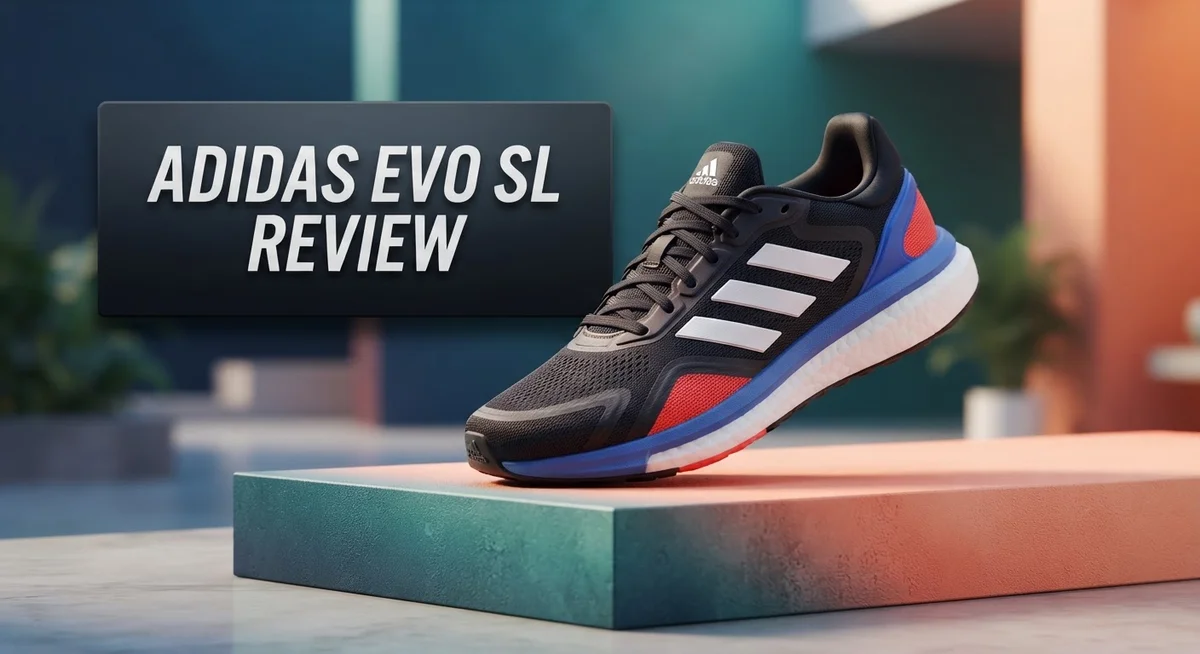
Adidas Adizero EVO SL Review: Lightweight Racing Shoe?
Are you looking for a light shoe that keeps up with your running goals? The Adidas Adizero EVO SL might catch your eye. This shoe promises a sleek design and comfort for many types of runs.
Runners want shoes that feel good and perform well. The EVO SL uses an engineered mesh upper. This design boosts breathability during long runs.
Comfort meets speed in this shoe. Its lightweight build helps you move fast without extra bulk. Many runners praise its ease of use and simple lace closure.
But every shoe has trade offs. The EVO SL shows some stability concerns due to its narrow midsole. It also needs a short break in period before it feels just right.
This review covers everything you need to know. We will explore the pros, cons, and how this shoe compares to other top competitors.
In a Nutshell
The Adidas Adizero EVO SL stands out as a light and breathable running shoe. It suits runners who want speed without extra weight. Here is a quick summary of what you get.
- Super lightweight build that feels sleek on your foot and helps you move fast.
- Engineered mesh upper keeps your feet cool and comfortable during long runs.
- Works well for varied paces and distances, making it a flexible choice for training days.
- The fit runs true to size, and the lace closure makes it easy to slip on quickly.
- Some runners notice a narrow midsole, which may affect stability on turns.
- The ride can feel unstable at times since it lacks stiffening support in the midsole.
- Expect a short break in period. Give it three or four runs before judging the feel.
- Compared to shoes like the HOKA Mach 6 or New Balance Rebel v5, this shoe leans more toward speed than steady support.
Overall, this shoe rewards runners who value quick, comfortable strides over maximum stability.
Build and Materials
The Adidas Adizero EVO SL uses premium materials built for speed and comfort. The upper construction features engineered mesh that breathes well during intense workouts. This mesh lets air flow freely, keeping your feet cool when you push hard.
The midsole design prioritizes lightweight performance over rigid support. Adidas stripped away extra cushioning layers to reduce overall shoe weight. This approach gives you a responsive feel under your foot. However, the trade off means less structural reinforcement in the midsole area.
The outsole rubber is strategically placed rather than covering the entire bottom. This selective placement cuts weight without sacrificing ground contact. You get traction where you need it most during your run. The heel and forefoot zones receive more rubber coverage than the midfoot section.
The tongue construction makes entry smooth and quick. You can slip these shoes on fast before heading out. The lace closure system stays secure throughout your run. The regular fit works well for most foot shapes without pinching or excess space.
One material consideration stands out: the narrow midsole structure. This design choice affects how the shoe handles lateral movements. Your foot may feel less stable when turning or changing direction quickly. Runners with wider feet or those seeking maximum support might notice this limitation more.
The cushioning material feels responsive rather than plush. You feel closer to the ground compared to heavily padded shoes. This connection helps you sense your running form and pace. Some runners love this direct feedback, while others prefer more cushioning between their foot and the ground.
The materials require a break in period of three to four runs. The engineered mesh softens as you wear it. The midsole adapts to your foot strike pattern over time. After this adjustment phase, most runners report improved comfort and fit.
The overall build reflects Adidas’s philosophy for lightweight racing shoes. Materials were chosen to minimize weight while maintaining basic comfort. This isn’t a shoe designed for maximum cushioning or stability. Instead, it prioritizes speed and responsiveness for runners who value light, fast, and direct footwear.

- Adizero EVO SL WOVE CBLACK/FTWWHT/CARBON
Last update on 2026-10-24 / Affiliate links / Images from Amazon Product Advertising API
Comfort and Fit
When you slip on the Adidas Adizero EVO SL, the first thing you notice is how light it feels. Your foot sits in a shoe that weighs almost nothing, which creates a connected sensation between you and the ground.
The engineered mesh upper wraps around your foot snugly. Breathability stands out because air flows through the material consistently. Your feet stay cool even during intense training sessions or longer runs.
The fit runs true to size, so you don’t need to guess or order a half size up or down. The lace closure system works smoothly, and the tongue construction lets you get your foot in and out without struggling. Entry and exit feel effortless, which matters when you’re changing shoes between workouts.
However, comfort here comes with an important caveat. The narrow midsole creates a snug feeling that some runners love and others find restrictive. If your foot is on the wider side, this shoe might feel cramped rather than comfortable. The midsole also lacks stiffening elements, which means the bounce can feel chaotic under your foot instead of controlled and predictable.
The break in period matters more than you’d expect. Most runners need three to four runs before the shoe settles into a comfortable state. During those initial runs, the ride feels unstable, and your foot needs time to adapt to the shoe’s responsive nature.
The cushioning material prioritizes responsiveness over plushness. You won’t sink into soft, cloud like comfort. Instead, you get a firmer feel that connects you directly to your running surface. This design choice supports speed and efficiency rather than maximum cushioning.
Your experience depends on what you value. If you want a lightweight, breathable shoe for varied paces and you have a narrower foot, this shoe delivers comfort during runs. If you prefer maximum stability and plush cushioning right out of the box, the EVO SL requires patience and adaptation. The shoe rewards runners who embrace its racing focused philosophy and don’t mind a short adjustment period.
Performance and Stability
The Adidas Adizero EVO SL delivers solid performance across varied running situations. The shoe responds well to different speeds, whether you’re doing easy recovery runs or pushing harder efforts. Responsiveness defines the ride, with the midsole bouncing back quickly beneath your feet.
However, stability presents the main challenge here. The narrow midsole structure limits how much lateral support you get during turns and directional changes. This design choice prioritizes speed over protection, which matters if you run on technical terrain or need extra support.
The bounce feels somewhat chaotic without stiffening elements in the midsole. Your foot experiences more flex than you might expect from a modern racing shoe. This can feel energetic on smooth surfaces but unpredictable when the ground shifts beneath you.
Ground contact feels direct and connected. The strategic rubber outsole placement keeps weight minimal while maintaining traction. You’ll feel the track or road through the shoe, which some runners love and others find unsettling.
The cushioning material strikes a balance between softness and responsiveness. It’s not plush or heavily padded. Instead, it absorbs impact efficiently while keeping you close to the ground. This setup works well for tempo runs and shorter distances where you want feedback.
Stability improves noticeably after the break in period. Your foot adapts to the narrow platform, and the shoe begins to feel more secure underfoot. By run three or four, the initial wobbliness decreases considerably.
The tongue construction and easy entry don’t sacrifice performance. You get quick on and off without compromising how the shoe performs during your run. The engineered mesh upper stays in place throughout, keeping your foot secure despite the minimal support structure.
For runners prioritizing speed and lightweight feel, this shoe delivers. The performance shines on predictable routes where stability concerns matter less. If you need maximum support or run on unpredictable surfaces, the narrow midsole and unstable ride might frustrate you. Your running style determines whether this shoe works for your needs.
Top 3 Alternatives
Nike Revolution Running

- The mesh upper offers a comfortable, breathable feel.
- The foam midsole delivers intuitive cushioning through comfort-focused rocker geometry.

Last update on 2026-10-24 / Affiliate links / Images from Amazon Product Advertising API
The Nike Revolution Running shoe offers a straightforward approach to everyday running. This shoe provides cushioning support for casual joggers and beginners. The design focuses on comfort without unnecessary features.
The shoe features a simple midsole that absorbs impact during your runs. The breathable upper keeps your feet cool during workouts. Many runners appreciate the lightweight feel and easy fit.
ASICS Gel-Contend

- Engineered mesh upper: A lightweight, breathable mesh material helps reduce the need for additional...
- Rearfoot GEL technology: Shock-attenuating material placed in the midsole of the shoe for cushioning...
Last update on 2026-10-24 / Affiliate links / Images from Amazon Product Advertising API
ASICS Gel-Contend delivers reliable cushioning technology in an affordable package. The shoe uses gel padding in the heel and forefoot areas. This design reduces stress on your joints during running.
The shoe works well for runners seeking stability and comfort. The upper material provides good ventilation during exercise. The sole grip helps you maintain traction on different surfaces. This option appeals to runners who value dependable performance.
New Balance 520
No products found.
New Balance 520 combines classic styling with functional running features. The shoe offers a balanced platform for various running activities. The midsole provides moderate cushioning for daily runs.
The shoe’s design suits both casual joggers and regular runners. The upper construction allows for proper airflow around your feet. The outsole delivers grip on wet and dry surfaces. Many runners choose this model for its versatility and comfort during extended wear.
Each of these alternatives provides different benefits. Nike Revolution Running emphasizes lightweight simplicity. ASICS Gel-Contend focuses on gel cushioning technology. New Balance 520 offers balanced performance for everyday use. Your choice depends on your running style and comfort preferences.
Breathability and Durability
The engineered mesh upper on the Adidas Adizero EVO SL excels at letting air flow through your foot. This breathability keeps your feet cool during faster runs and warmer weather sessions. The mesh construction prevents moisture from building up, which means less sweat pooling inside the shoe.
The upper material feels light against your skin. It wraps snugly without feeling restrictive. Air circulation happens naturally as you move, thanks to the strategic mesh design. Your feet stay dry longer compared to shoes with solid uppers.
Durability tells a different story here. The shoe prioritizes speed over long term wear. The outsole uses strategically placed rubber rather than full coverage underneath. This choice reduces weight but means certain areas wear faster. High traffic zones on the forefoot may show signs of use sooner than traditional running shoes.
The mesh upper itself holds up well during regular training. It resists tearing and maintains its shape after multiple runs. The lace system stays secure and doesn’t fray easily. However, the thin engineered mesh isn’t built for extreme trail conditions or rough surfaces.
The materials reflect Adidas’s racing shoe philosophy. They chose lightweight construction over maximum durability. This means the shoe performs best when used for speed work and races rather than daily logging of heavy mileage.
The tongue construction adds durability points. It stays in place and doesn’t deteriorate quickly from repeated entry and exit. The overall stitching appears solid throughout the shoe.
For runners doing occasional speed sessions, durability remains adequate. The shoe handles 200 to 300 miles of running before showing significant wear. Runners pushing higher mileage may notice accelerated breakdown.
Breathability stands as a genuine strength of this shoe. The engineered mesh delivers consistent airflow. Durability sits in the middle ground. It works well for its intended purpose as a racing and speed shoe, but it won’t outlast heavier training shoes. Your running style and usage patterns determine whether this durability level meets your needs.
Break-In Period and Adjustment
The Adidas Adizero EVO SL demands patience during your first few outings. Most runners need 3 to 4 runs before the shoe settles into its rhythm. This break-in period isn’t unusual for racing shoes, but it does matter more here than in many alternatives.
During those initial runs, expect the cushioning to feel firm and somewhat unfamiliar. Your feet adapt to the responsive bounce pattern. The midsole lacks stiffening elements, so the ride feels direct and connected to the ground. This takes adjustment if you’re coming from a more cushioned trainer.
The engineered mesh upper wraps snugly around your foot from day one. You won’t experience rubbing or hot spots. The tongue construction makes entry smooth, so no friction builds up there either. This means discomfort during break-in comes from the cushioning feel, not from the upper materials.
Stability improves noticeably after those first few runs. The narrow midsole initially feels unpredictable on uneven terrain. Once your foot acclimates to the responsive nature of the shoe, ground contact becomes more predictable. The bounce settles into a pattern your body understands.
Your running form adapts during the break-in period too. The shoe encourages a quicker cadence and lighter footfall. Runners used to heavier, more stable shoes need time to adjust their stride. This adjustment phase is where many runners decide if the Adizero EVO SL works for their style.
After the break-in completes, the shoe reveals its true character. Comfort increases significantly. The responsive cushioning becomes an asset rather than a challenge. Ground feel remains direct, but your feet stop fighting the ride.
For speed sessions and race day, this break-in investment pays off. The lightweight design and responsive bounce shine once your feet adjust. However, skip the break-in period at your own risk. Jumping straight into a tempo run or race without those initial adjustment runs can leave you frustrated with the shoe’s performance and your own comfort level.
Pros and Cons
Pros
- Lightweight construction keeps your feet feeling fast and responsive during speed work
- Excellent breathability through engineered mesh that lets air flow freely around your foot
- Comfortable fit right away with easy entry tongue design that doesn’t sacrifice performance
- Works well across varied paces and distances, from tempo runs to race day
- Direct ground contact gives you a connected feel with minimal cushioning interference
Cons
- Narrow midsole creates stability concerns on uneven terrain and technical surfaces
- Lacks stiffening elements in the midsole, causing a somewhat chaotic bounce that feels unpredictable
- Requires a 3 to 4 run break-in period before the shoe settles into its true character
- Excessive volume in the upper means you may need to adjust your lacing for a secure fit
Who Should Buy It
The Adidas Adizero EVO SL works best for specific runner types. If you chase personal records and love speed work, this shoe fits your needs perfectly.
Competitive runners benefit most from this model. You want a shoe that feels fast and responsive under your feet. The lightweight construction delivers exactly that sensation. Your legs won’t feel weighed down during tempo runs or race day efforts.
Experienced runners handle this shoe better than beginners. You understand your running form and body mechanics. The narrow midsole demands good running technique. New runners might struggle with the stability concerns during the break-in phase. Seasoned athletes adapt quickly to the shoe’s characteristics.
Do you run on smooth, predictable surfaces? This shoe excels there. Road runners and track athletes find the Adizero EVO SL rewarding. If your routes include technical terrain or uneven ground, reconsider. The narrow midsole creates challenges on unstable surfaces. Trail runners should look elsewhere.
Your training style matters too. Runners doing occasional speed sessions appreciate this shoe’s lightweight feel. You don’t need maximum durability for short, intense workouts. The engineered mesh upper holds up fine for this purpose. However, if you run high mileage every week, other options might suit you better.
Patience during break-in separates ideal buyers from frustrated ones. You need 3-4 runs to let the cushioning settle and your feet adjust. Some runners find this process annoying. If you want instant comfort, this isn’t your shoe. But if you’re willing to invest those initial runs, the payoff comes through.
Consider your stability needs honestly. The chaotic bounce and narrow midsole won’t work for everyone. Runners with neutral form and no ankle concerns do well here. If you need extra support or have previous injuries, explore alternatives like the New Balance Rebel v5 or HOKA Mach 6.
Finally, speed matters to you. This shoe exists for runners who value performance over cushioning. You prioritize lightweight construction and ground feel. Racing situations bring out the Adizero EVO SL’s strengths. This shoe rewards runners who understand what they’re getting.
Final Verdict
The Adidas Adizero EVO SL earns its place among top racing shoes. It rewards runners who value speed and connection to the ground. This shoe shines brightest during races and fast training sessions.
Beginners might struggle with its quirks. Experienced runners will appreciate its responsive feel. The narrow midsole and lack of stiffening elements mean you need confidence in your stride.
Think about your typical running routes. Smooth roads and tracks let this shoe perform at its best. Technical trails or uneven paths expose its stability weaknesses quickly.
The break in period tests your patience. But most runners find the wait worthwhile once the shoe settles. Your feet adjust, and the ride becomes noticeably smoother.
This model competes well against the New Balance Rebel v5 and HOKA Mach 6. Each shoe offers something different. The EVO SL leans more toward a minimal, connected feel rather than plush cushioning.
Should you buy the Adidas Adizero EVO SL? Yes, if you fit the profile of a competitive or experienced runner. You should feel comfortable with less structure underfoot.
Say no if you need extra support or run mostly on rough terrain. This shoe demands a specific type of runner and running style.
Overall, the EVO SL delivers on its promise for the right person. It combines light weight, breathability, and quick response into one package. These qualities make it a strong choice for race day.
Just remember to give it those first few runs before judging harshly. The initial feel does not represent the final experience. Trust the process and the shoe will reward you.
Final thought: choose this shoe if speed and minimalism matter most to you. Skip it if stability tops your list of needs. Either way, understanding these traits helps you make the right call for your next run.
Frequently Asked Questions
Does the Adidas Adizero EVO SL suit marathon running?
This shoe works better for shorter racing distances. The EVO SL shines during 5Ks, 10Ks, and half marathons where speed matters most. For full marathons, the lack of midsole stiffness can feel tiring after 15+ miles. Your feet may experience that chaotic bounce more noticeably on longer efforts.
If you love marathons, consider whether you prefer a responsive feel or more cushioning support. The EVO SL leans toward responsiveness over protection.
How does break-in time affect my purchase decision?
You’ll need 3-4 runs before this shoe feels natural. The cushioning settles during this period, and the fit becomes more predictable. Some runners find this annoying. Others view it as a small investment upfront.
Be honest with yourself about patience. If you want a shoe that feels great immediately, this isn’t it. If you’re willing to wait, the payoff comes quickly.
Can I use the EVO SL for everyday training?
Yes, but with limits. The shoe works fine for easy runs and recovery days. However, the narrow midsole makes it less ideal for high-volume training weeks. Save it mostly for speed work and race day to extend its lifespan.
Rotating it with a more stable trainer keeps your legs fresher and reduces injury risk.
How does the EVO SL compare to other racing shoes?
The New Balance Rebel v5 offers more midsole stiffness. The HOKA Mach 6 provides extra cushioning. The EVO SL sits between them with a focus on lightweight speed and ground feel.
Choose based on your priorities. Want minimal weight? Pick the EVO SL. Need more support? Look elsewhere.