Apex Ski Boots Review: Quality, Comfort & Features Compared
Ski boots can make or break your day on the mountain. Apex ski boots take a different path. They swap the traditional stiff shell for a carbon fiber chassis and a walkable design.
Skiers want comfort. They also want performance. Apex tries to give you both in one boot.
This review looks at what makes Apex boots stand out. We check the heat-moldable liners. We check the dual BOA closure system. We also look at real feedback from skiers who wore them on the slopes.
Are these boots right for cruising groomed runs? Do they hold up for aggressive skiers too? You will find honest pros and cons here.
By the end, you will know if Apex ski boots fit your skiing style. Let’s get into the details.
In a Nutshell
Here is the quick summary of Apex ski boots for skiers who want the key details fast.
- Carbon fiber chassis gives these boots strength for all mountain and off piste terrain.
- They meet ISO 5355 standards, so safety compliance is solid.
- Heat moldable liners let skiers shape the fit to their feet for extra comfort.
- The Antero VS Carbon model uses dual stack BOA technology for quick, precise adjustments.
- Comfort scores high, with users giving these boots a strong 4.7 star rating.
- Skiers report great energy transfer and responsiveness on groomed runs.
- Some reviewers note the fit feels a bit relaxed, which may not suit aggressive skiing styles.
- A few skiers mention rigidity concerns compared to other performance boots.
- Brand awareness is still growing, so fewer skiers know about Apex compared to bigger names.
- Competitor Dahu boots get praise for wider feet and sharper ski performance.
- Shoppers often mention fast shipping as a nice bonus with their orders.
These points give a clear picture before diving into the full review below.
Build and Materials
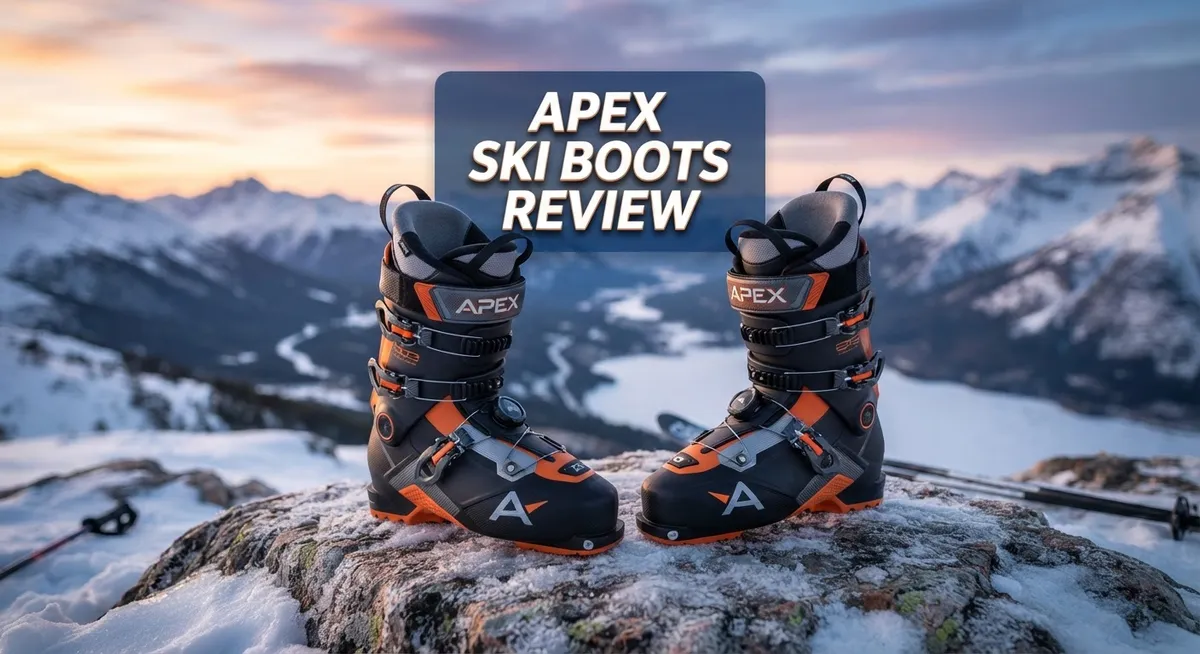
Apex ski boots use a carbon fiber chassis that delivers strength across all mountain and off piste terrain. This material choice keeps the boot light while maintaining structural integrity on varied snow conditions.
The liner system stands out as a key feature. Heat moldable liners adapt to your foot shape over time, creating a custom fit without expensive aftermarket solutions. Many skiers appreciate how this reduces pressure points during long days on the mountain.
The Antero VS Carbon model includes dual stack BOA technology. This system lets you adjust fit quickly and precisely with one hand. You can fine tune tightness across different zones, so your foot stays locked in place without cutting off circulation.
Construction quality meets ISO 5355 standards, confirming these boots pass safety compliance checks. The overall design prioritizes comfort for recreational skiing. Users report the boots feel responsive underfoot, with good energy transfer when you’re carving down groomed runs.
One trade off worth knowing: the fit runs relaxed rather than aggressive. This works great if you enjoy cruising and want a comfortable boot that won’t fatigue your feet. However, skiers who demand maximum performance in steep terrain or moguls may find this approach limiting.
The boot design leans bulkier compared to some competitors. This doesn’t hurt functionality, but it’s worth noting if you’re particular about how your boots look or feel in your ski bag.
Durability appears solid based on user feedback. The carbon fiber construction resists impacts better than plastic alternatives. The BOA system components hold up well under regular use, though any mechanical system requires occasional maintenance.
Overall, Apex boots shine for skiers seeking comfort and ease of use. The heat moldable liner and BOA adjustments make them accessible to different foot shapes and sizes. If your priority is a relaxed, responsive boot for moderate terrain, these deliver. For aggressive all mountain performance or expert terrain, you may want to compare with alternatives that offer stiffer flex patterns.

- Tall height, stylish two-toned leather upper, Low-impact and environmentally sustainable B-Tek Eco...
- Arctic Rubber shell to provide lightweight flexibility, cold-resistance and resilience, EVA midsole...
Last update on 2026-10-24 / Affiliate links / Images from Amazon Product Advertising API
Comfort and Fit
When you slip your feet into Apex ski boots, the first thing you notice is how the liner wraps around your foot. The heat moldable liners conform to your unique foot shape after a few runs, creating a custom fit without a trip to the shop.
The dual stack BOA system on the Antero VS Carbon model makes adjustments simple. You turn the dial, and the laces tighten evenly across your foot. This means no more fumbling with traditional laces when your hands are cold.
Apex boots deliver a relaxed, forgiving fit that feels welcoming for most skiers. Your foot sits comfortably without excessive pressure points. This approach works well if you spend your days cruising groomed runs and enjoying the mountain at a steady pace.
However, this same relaxed fit comes with a trade off. Aggressive skiers who demand locked in ankle support may find the boots feel too loose during hard turns. If you carve aggressively or ski steep terrain, you should test these boots first to see if they match your style.
The liner quality matters for all day comfort. Apex uses materials that breathe well and manage moisture, so your feet stay dry during long sessions. Users report feeling fresh even after full days on the snow.
Foot volume is another consideration. The boots run on the bulkier side compared to some competitors. Skiers with narrow feet might experience extra space inside, while those with wider feet could find a snug fit. Check the boot width before ordering to ensure the right match for your foot shape.
The moldable liner system is genuinely useful. You can heat mold the liner at home using an oven or heat gun, following Apex’s instructions. This process takes about 15 minutes and gives you a personalized fit that lasts the entire season.
Overall, Apex ski boots prioritize comfort and ease over aggressive performance. They suit recreational skiers who value a friendly fit and simple adjustments. If your style matches this profile, these boots deliver real value on the mountain.
Performance and Responsiveness
When you strap into Apex ski boots, responsiveness comes from the carbon fiber chassis working with the heat moldable liner system. This combination lets energy transfer directly from your legs to the skis without delay. The dual stack BOA technology on the Antero VS Carbon model makes micro adjustments instant, so you can fine tune your fit mid run.
Edge control feels sharp on groomed terrain. The boots transmit your movements quickly to the edges. Skiers report that turning feels natural and the boots keep up with rhythm changes. The responsive nature makes cruising smooth and enjoyable for recreational skiers.
However, there’s an important trade off to know. The relaxed comfort fit means the boots don’t lock your foot as aggressively as performance oriented competitors do. If you ski fast moguls or carve hard turns, you might feel less support than you’d want. The fit prioritizes forgiveness over precision.
The liner plays a big role in responsiveness too. Heat moldable liners adapt to your foot shape, which improves how the boot communicates with your foot. Better contact means better control. You get a custom feel without the custom boot cost.
Bulkier design is worth mentioning here. Some skiers notice Apex boots are chunkier than sleeker models on the market. This affects how quickly the boot responds to weight shifts. Lighter, more streamlined boots sometimes feel more reactive, though this difference matters more to advanced skiers than beginners.
Responsiveness shines during casual days on the mountain. The boots handle speed changes and direction shifts smoothly. They won’t make you feel sluggish or disconnected from your skis. The energy transfer is genuine and noticeable.
For skiers who value comfort and steady performance over aggressive edge hold, Apex boots deliver. They respond when you need them to, but they won’t fight you if you prefer a relaxed skiing style. The balance works well for most recreational skiers who want reliable feedback without harsh demands on their feet.
Top 3 Alternatives
Salomon Quest Pro
No products found.
The Salomon Quest Pro delivers excellent performance for skiers who want comfort without sacrificing control. These boots feature a wide forefoot that reduces pressure on your toes during long days on the mountain. The power transmission remains strong, so you maintain responsive edge control even in challenging conditions.
The liner molds to your foot shape over time, creating a custom fit. Many skiers appreciate how quickly these boots feel broken in compared to other options. The buckle system is straightforward and easy to adjust, even while wearing gloves.
Atomic Hawx Ultra

- BOA H+i1 Single Pull: BOA‘s H+i1 platform offers improved shell wrapping with bi-directional micro...
- Mimic: Special heat-moldable plastics in the heel and ankle areas of the liner mimic the shape of...
Last update on 2026-10-24 / Affiliate links / Images from Amazon Product Advertising API
Atomic Hawx Ultra boots stand out for their lightweight construction and precise fit. The anatomical shape works well for skiers with narrower feet. You get excellent ankle support combined with a responsive flex that handles variable terrain.
These boots excel in quick-response situations. The liner technology adapts to your foot, reducing pressure points. The shell design allows for easy entry and exit, making them practical for frequent transitions between runs.
Lange XT Free

- GRANDE PLATES FOR FASTER STYLING: Your ultimate 2-in-1 hair tool. This tool features extended plates...
- SNAG-FREE GLIDE TITANIUM PLATES: Premium titanium plates on this hair styler and curler deliver...
Last update on 2026-10-24 / Affiliate links / Images from Amazon Product Advertising API
Lange XT Free boots offer versatility for mixed skiing styles. The construction supports both groomed runs and off-piste adventures. The flex pattern provides stability when you need it while allowing freedom for dynamic movements.
The boot’s design emphasizes comfort during extended wear. The liner provides good insulation for cold weather days. The buckle system functions smoothly, and the overall build quality feels durable for long-term use.
Each option serves different skiing preferences. The Quest Pro suits comfort-focused skiers. The Hawx Ultra works best for precision and lightweight performance. The XT Free appeals to skiers wanting all-mountain flexibility.
Heat Moldability and Customization
Apex ski boots feature heat moldable liners that shape to your foot over time. This customization process happens naturally as you wear them. Your body heat activates the liner material, allowing it to conform to your unique foot contours.
The moldable liner system works best when you spend several days skiing in the boots. Each run helps the liner adapt further. You’ll notice the fit becomes more personal and comfortable as this happens. This feature matters because every foot has different pressure points and curves.
The dual stack BOA technology on the Antero VS Carbon model gives you another customization tool. You can adjust the fit at two different points on your boot. This two zone system lets you tighten the upper calf area separately from the midfoot region. Fine tuning becomes easier with this approach.
Customization through BOA adjustments happens quickly on the mountain. You don’t need tools or complicated steps. One hand operation means you can modify your fit between runs. This flexibility helps you adapt to changing conditions or comfort needs throughout your day.
The heat moldable liner approach differs from traditional foam liners. Standard liners stay the same shape regardless of your foot. Apex’s system actively responds to your body. This personalization reduces pressure points that cause discomfort during long days on snow.
However, the moldable liner process requires patience. You won’t get a perfect fit on day one. The liner needs time and skiing to reach its best shape. Some skiers appreciate this gradual customization. Others prefer boots that feel dialed in immediately.
The combination of heat moldable liners and BOA technology gives you multiple ways to customize your fit. You get passive customization from the liner molding. You also get active customization from the BOA adjustments. This dual approach means your boots can adapt to different situations and preferences.
Keep in mind that customization works best for recreational skiers who value comfort. Aggressive skiers seeking maximum performance might want different features. Your skiing style should guide whether this customization approach suits your needs.
Durability and Longevity
Apex ski boots are built with materials that stand up to regular use on the mountain. The carbon fiber chassis provides a strong foundation that resists damage from impacts and rough terrain. This construction choice means your boots can handle multiple seasons of skiing without falling apart.
The heat moldable liners contribute to long term durability in a unique way. As the liner adapts to your foot shape, it creates a custom fit that reduces pressure points. Fewer pressure points mean less material breakdown over time. Many skiers report their Apex boots feel as responsive in year two as they did when new.
The dual stack BOA technology on the Antero VS Carbon model adds another durability benefit. BOA systems are known for lasting longer than traditional lacing because they have fewer moving parts to break. The adjustment mechanism stays reliable season after season. This means you won’t need to replace laces or deal with fraying straps.
One thing to watch is the overall construction quality. Some users note that the bulkier design may collect snow or ice around the ankle area. Regular cleaning helps prevent buildup that could damage the boot exterior. The relaxed fit also means less stress on specific boot zones, which spreads wear more evenly across the structure.
The moldable liner system does require some maintenance to last longer. Keeping the liners dry between ski days prevents mold growth and material degradation. Most skiers find this simple routine keeps their boots in good shape for years.
Compared to some competitors like Dahu, Apex boots show solid durability for recreational use. They’re not designed for extreme abuse, but they handle normal mountain conditions well. If you ski a few times per week, expect your Apex boots to perform reliably for multiple seasons. The combination of carbon fiber construction and quality liner materials means you get boots that age gracefully with proper care.
Pros and Cons
Pros
- Heat moldable liners shape to your foot for a personalized fit over time
- Dual stack BOA technology on the Antero VS Carbon model lets you adjust quickly on the mountain
- Carbon fiber chassis delivers sharp edge control on groomed terrain
- High comfort rating (4.7 stars) makes these boots ideal for recreational cruising
- Fast shipping and reliable customer service reported by users
Cons
- Relaxed comfort fit means these boots work better for casual skiers than aggressive riders
- Bulkier design compared to competitors like Dahu may feel heavier underfoot
- Limited market awareness means fewer retailers carry these boots
- Rigidity concerns suggest some performance loss when compared to premium alternatives
Who Should Buy It
Apex ski boots work best for recreational skiers who value comfort over aggressive performance. If you spend most days cruising groomed runs and prefer a relaxed fit, these boots deliver what you need. The high comfort rating shows that casual skiers find them enjoyable for full days on the mountain.
You should consider Apex boots if you have average to slightly wider feet. The heat moldable liners adapt to your foot shape, which helps with fit issues that many recreational skiers face. This customization feature means you don’t need a perfect boot size right out of the box.
Beginners benefit from the ease of use that Apex provides. The dual stack BOA technology on the Antero VS Carbon model lets you make quick adjustments without fumbling with buckles. You can tighten or loosen your boots in seconds, even with gloves on.
These boots suit skiers who want reliable performance without complexity. You get carbon fiber construction and solid edge control on groomed terrain. The boots handle recreational all mountain skiing well, though they’re not built for extreme off piste adventures or steep technical terrain.
Apex boots appeal to skiers who appreciate fast shipping and straightforward customer service. If you want boots that arrive quickly and come with responsive support, this brand delivers. Many users report positive experiences with the ordering process.
However, skip these boots if you’re an aggressive skier pushing hard on steep slopes. The relaxed comfort fit and bulkier design don’t match the needs of advanced riders. Competitors like Dahu offer superior performance and responsiveness for that style of skiing.
You should also reconsider if you have narrow feet. While the heat moldable liners help with fit, the overall design leans toward average to wider profiles. Narrow footed skiers often find better options elsewhere.
Choose Apex boots when comfort and ease matter more than maximum performance. They’re honest boots for honest skiers who want to enjoy their time on the mountain without breaking in rigid, aggressive equipment.
Final Verdict
Apex ski boots offer a clear choice for skiers who want comfort first. They fit a specific need rather than trying to please everyone.
If you ski casually and want a smooth day on the mountain, these boots deliver that experience well. They shine for cruising groomed runs.
Skiers chasing speed or steep terrain should look elsewhere. The relaxed fit and extra bulk can hold back performance when you push hard.
Dahu remains a strong option if you need sharper response on tricky slopes. It handles wider feet and aggressive turns better than Apex in many cases.
Still, Apex holds its own for everyday skiing. The blend of adjustable fit and heat moldable comfort makes each run feel easy.
Before you decide, think about your skiing style. Comfort seekers will love these boots. Performance chasers may want to test other brands first.
Limited store availability means you might need to order online. Fast shipping and helpful support make that process smoother than expected.
In short, Apex boots suit skiers who value ease over edge. They are not built for racing down icy chutes or steep bowls.
For family ski trips or relaxed weekends, they hit the mark. The fit feels forgiving, and the comfort stays consistent throughout the day.
If you have narrow feet or crave aggressive control, consider other brands. Apex works best for average to wider feet and steady, enjoyable skiing.
Overall, Apex ski boots earn a solid recommendation for casual and recreational skiers. They balance comfort, ease of use, and dependable service well.
Aggressive riders might feel limited by the boot’s laid back design. But for most skiers, that tradeoff brings real comfort each time you hit the slopes.
Choose Apex if you want a boot that feels good all day long. Skip it if your priority is raw performance on demanding terrain.
Frequently Asked Questions
Do Apex ski boots work for beginners?
Yes, Apex boots are excellent for beginners. The heat moldable liners adapt to your foot shape over time. The dual stack BOA technology lets you tighten or loosen the fit quickly without fussing with buckles. New skiers appreciate how simple these boots are to use on the mountain.
Can I use Apex boots for off-piste skiing?
Apex boots feature a carbon fiber chassis designed for all mountain and off piste conditions. The ISO 5355 compliance means they meet safety standards for varied terrain. That said, these boots lean toward comfort rather than aggressive performance. Casual skiers exploring powder will find them capable. Skiers pushing hard in challenging conditions might want more responsive options.
Are Apex boots good if I have wider feet?
Apex boots work well for average to slightly wider feet. The relaxed comfort fit accommodates a broader foot shape compared to race oriented boots. The heat moldable liners also adjust to your specific foot dimensions. If you have very wide feet, you should try them on first or check with retailers about fit options.
How do Apex boots compare to other brands?
Apex boots prioritize comfort and ease of use. Competitors like Dahu offer sharper response and better skiing performance on technical slopes. Dahu also suits wider feet well. However, Apex holds its own for everyday recreational skiing. The choice depends on your style. Pick Apex if comfort matters most. Choose Dahu if you want maximum edge control and aggressive capability.
What makes the BOA system useful?
The dual stack BOA technology uses a dial mechanism instead of traditional buckles. You can adjust your fit in seconds while wearing gloves. This quick adjustment lets you fine tune comfort throughout your day on the mountain.