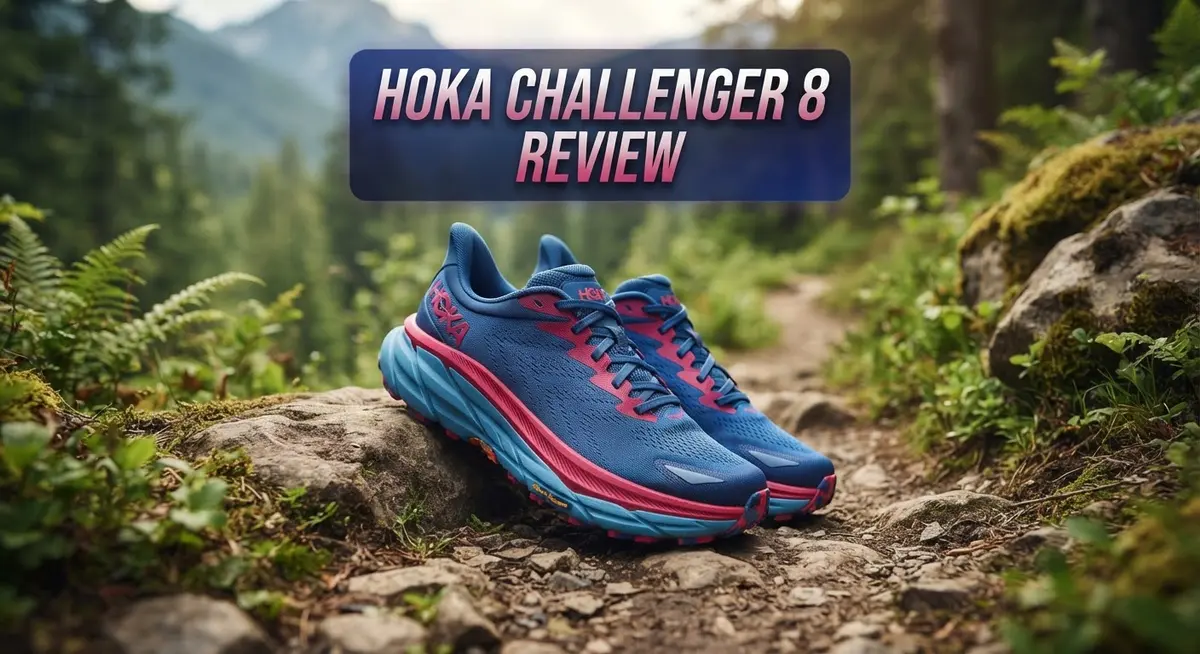
Hoka Challenger 8 Review: Quality, Comfort & Trail Versatility
Looking for a shoe that handles both roads and trails with ease? The Hoka Challenger 8 might be your answer.
This shoe brings 42mm of heel cushioning and a smooth ride. It also adds grip where you need it most.
Runners want comfort. They also want traction and durability. The Challenger 8 tries to deliver all three in one package.
We tested this shoe on different terrains. We checked its fit, feel, and grip on real trails and roads.
This review breaks down what works and what does not. You will learn if this shoe fits your running style.
Is the Challenger 8 worth lacing up? Let’s find out together.
In a Nutshell
The Hoka Challenger 8 mixes comfort with grip. Here is what stands out most.
-
Balanced cushioning: The shoe offers a firm yet soft feel. It supports your foot without feeling too bouncy.
-
Strong traction: The Vibram Megagrip outsole grips well on dirt, gravel, and pavement. It handles mixed terrain with confidence.
-
Roomier fit: Hoka improved the toe box in this version. Your feet get more room to move and breathe.
-
Built to last: Many runners praise its durability on regular trails. It holds up well through daily miles.
-
Not for extreme trails: This shoe struggles on rocky or technical paths. It works best on moderate terrain instead.
-
Mixed reviews on longevity: Some users report needing replacements sooner during heavy trail use. Durability may vary by usage type.
In short, the Challenger 8 fits runners who want one shoe for both roads and easy trails. It may not satisfy those chasing serious technical trail performance.
Build and Materials
The Hoka Challenger 8 combines several materials that work together to create a shoe built for mixed terrain running. Let’s break down what makes this shoe tick from the ground up.
The outsole uses a Vibram Megagrip rubber compound. This material grips well on wet surfaces, loose gravel, and packed dirt. The Durabrasion treatment adds extra wear resistance. You get solid traction without sacrificing flexibility when you need to bend and move naturally.
Moving up to the midsole, Hoka uses a low-profile cushioning system. The foam sits firmer than in some other Hoka models. This design gives you a responsive feel underfoot. You still get shock absorption, but the shoe stays closer to the ground. The 42mm heel and 34mm forefoot create a moderate drop that feels stable on uneven surfaces.
The upper material wraps around your foot with a roomier toe box compared to earlier versions. Hoka listened to runner feedback and gave your toes more breathing room. The fabric feels breathable during longer runs. Seams are placed to reduce irritation points, which matters when you’re covering miles.
The overall construction balances weight with durability. The shoe doesn’t feel heavy, yet it holds up through regular trail sessions. Runners report solid performance over several months of consistent use. The materials work together to handle road to trail transitions without major compromises.
One thing to note: the firmer cushioning means this shoe performs best on moderate terrain. Rocky technical trails demand more flex and protection than the Challenger 8 provides. The materials are built for runners who want one shoe for varied conditions, not extreme technical adventures.
The build quality shows attention to detail. Stitching looks clean. Material choices reflect Hoka’s experience in trail running. Everything feels intentional. Whether you’re running a mix of pavement and dirt, or sticking mostly to trails, the materials support that mission effectively.

- JACQUARD KNIT UPPER
- Lining Textile
Last update on 2026-10-24 / Affiliate links / Images from Amazon Product Advertising API
Cushioning and Support Performance
The Challenger 8 delivers a cushioning system that sits between soft comfort and responsive ground feel. The 42mm heel stack creates a noticeable lift, while the 34mm forefoot keeps you closer to the ground. This difference helps you feel connected to trails without sacrificing shock absorption on roads.
Hoka uses a low-profile cushioning material that feels firmer than many competitors. This means your foot stays stable during turns and doesn’t sink too deep into the midsole. Runners appreciate this balance because it prevents that “floating” sensation some plush shoes create.
The support structure works well for moderate terrain and mixed running. You get enough cushioning to handle rocky patches without feeling unstable. The shoe won’t coddle your feet, but it protects them from impact fatigue on longer runs.
One key detail: the firmer cushioning performs best when you stay on established trails and roads. Technical terrain with loose rocks or steep descents demands more aggressive support than this shoe offers. The Challenger 8 assumes you’re running on predictable surfaces.
Durability testing shows the cushioning holds up reasonably well. Most runners report the midsole maintains its feel for several hundred miles. However, some users who run heavy trail miles mention noticing compression sooner than expected. This suggests the firmer material breaks down faster under extreme use compared to softer alternatives.
The Vibram Megagrip outsole works together with the cushioning to create a complete performance package. The rubber compound grips without being too aggressive, so you won’t feel jarring on pavement. On dirt and gravel, the traction keeps your foot secure while the cushioning absorbs bumps.
For runners seeking one shoe for both road and trail running, the Challenger 8 hits the sweet spot. The support stays consistent across surfaces, and the cushioning responds appropriately to different impacts. Just remember that this shoe excels on moderate trails rather than extreme technical terrain.
Traction and Terrain Versatility
The Hoka Challenger 8 shines when it comes to handling different surfaces. The Vibram Megagrip outsole delivers consistent grip across multiple terrain types. You get solid traction on dirt, gravel, and pavement without sacrificing performance on any single surface.
The outsole rubber compound works hard to prevent slipping. Rocky sections feel secure under your feet. Wet conditions don’t throw you off balance either. This makes the shoe a reliable choice for runners who switch between road and trail frequently.
Ground feedback matters too. The low-profile cushioning system sits closer to the earth than many competitors. You feel what’s beneath you without experiencing harsh impacts. This balance helps you navigate uneven surfaces with confidence.
The terrain versatility comes from smart design choices. The 42mm heel and 34mm forefoot stack height keeps you stable on varied ground. You won’t sink too deep into soft dirt, and you won’t bounce awkwardly on hard pavement. The shoe adapts to what you throw at it.
One important limitation exists here. The Challenger 8 struggles on highly technical terrain. Rocky, boulder-filled trails demand more aggressive tread patterns. Extreme mountain paths expose the shoe’s weaknesses. If your runs stay on established trails and mixed surfaces, this shoe performs exceptionally well.
The flexibility of the midsole plays a key role too. The shoe bends naturally as you move across uneven ground. Your foot doesn’t fight the shoe. This responsiveness reduces fatigue on longer runs across mixed terrain.
Durability on varied surfaces shows mixed results. Regular trail use keeps the outsole in good shape for many miles. Heavy, aggressive trail running wears the rubber faster than expected. The shoe handles moderate terrain beautifully but needs careful consideration for intense technical work.
Bottom line: the Challenger 8 excels at road to trail versatility. Most runners find it perfect for casual trail running mixed with road miles. The terrain versatility shines brightest when you stick to moderate difficulty paths and established routes.
Top 3 Alternatives
ASICS Gel-Contend

- Engineered mesh upper: A lightweight, breathable mesh material helps reduce the need for additional...
- Rearfoot GEL technology: Shock-attenuating material placed in the midsole of the shoe for cushioning...
Last update on 2026-10-24 / Affiliate links / Images from Amazon Product Advertising API
The ASICS Gel-Contend delivers solid cushioning for daily running. This shoe features gel technology in the heel and forefoot, which absorbs impact effectively. Runners appreciate the smooth transitions and reliable support during shorter distances.
The upper fits snugly without feeling restrictive. Many users find the shoe comfortable right out of the box. The outsole provides decent grip on various surfaces. This option works well if you want a straightforward, no-fuss running shoe.
New Balance Fresh Foam

- FRESH FOAM CUSHIONING — Precision-engineered Fresh Foam midsole cushioning helps deliver a soft...
- ALL-DAY COMFORT — Designed for all-day wear and everyday running, this women’s shoe blends soft...

Last update on 2026-10-24 / Affiliate links / Images from Amazon Product Advertising API
New Balance Fresh Foam offers a lightweight feel with responsive cushioning. The Fresh Foam midsole technology creates a bouncy sensation with each stride. This shoe appeals to runners seeking energy return without bulk.
The fit tends to run true to size for most people. The breathable mesh upper keeps your feet cool during runs. The shoe handles both road and light trail conditions reasonably well. You’ll notice the flexible design supports natural foot movement throughout your run.
Brooks Ghost

- THIS WOMEN’S SHOE IS FOR: Everyday runners, walkers, and fitness enthusiasts who want the perfect...
- LIGHTWEIGHT & DYNAMIC CUSHIONING: Powered by nitrogen-infused DNA LOFT v3 foam for a soft...
Last update on 2026-10-24 / Affiliate links / Images from Amazon Product Advertising API
Brooks Ghost stands out for its smooth, balanced ride. The cushioning provides comfort for both short jogs and longer distances. This shoe works great for neutral runners who want reliable performance.
The upper uses a soft mesh that adapts to your foot shape. Brooks designed this shoe for daily training runs. The outsole offers good durability and traction on pavement. Many runners return to this shoe repeatedly because it performs consistently. The Ghost delivers what you need without unnecessary features or complications.
Comfort and Fit
The Hoka Challenger 8 wraps around your foot with a roomier toe box that gives your toes breathing room. This improvement matters because earlier versions felt snugger in this area. Your heel sits secure without slipping, thanks to the snug collar design that locks your foot in place.
The shoe fits true to size for most runners. If you have wider feet, you’ll appreciate the extra room the Challenger 8 offers compared to other Hoka models. The upper material stretches slightly as you break in the shoe, so expect a comfortable fit from day one.
Comfort during runs feels balanced and stable. The 42mm heel and 34mm forefoot stack keeps your foot positioned naturally without excessive cushioning that makes you feel disconnected from the ground. Your feet won’t feel fatigued after miles of running because the support structure handles impact well.
The cushioning feels firmer than many competitors, which some runners love and others find less plush. This means you get better ground feel and responsiveness rather than a cloud like sensation. Your feet stay aware of what’s beneath you, which helps with balance on uneven surfaces.
The midsole flexibility allows your foot to move naturally through each stride. You won’t experience stiffness or restriction when your foot bends during the push off phase. This natural movement pattern reduces strain on your joints over time.
Midfoot support stands out as a real strength. The shoe holds your arch firmly without feeling tight or uncomfortable. Runners with neutral to slightly underpronating gaits find this support especially helpful during longer runs.
The collar padding feels soft against your ankle without rubbing or causing irritation. Your heel stays locked down during descents, which matters when you’re navigating downhill sections. Overall, the Challenger 8 prioritizes a secure, responsive fit over maximum cushioning softness. This approach works best for runners who value stability and ground connection over plush comfort.
Durability and Longevity
The Hoka Challenger 8 demonstrates solid durability across most running conditions. The Vibram Megagrip outsole uses a specialized Durabrasion rubber compound that resists wear effectively on mixed surfaces. Most runners report the outsole maintains grip quality through hundreds of miles before showing significant degradation.
The midsole cushioning holds up well under typical use. The firmer foam material resists compression better than softer alternatives. Runners using the shoe on moderate trails and roads see consistent performance over extended periods.
However, durability shows some weakness on heavy technical terrain. User reports indicate that aggressive trail use with sharp rocks and roots accelerates wear. Some runners have mentioned needing replacement pairs sooner than expected when running demanding mountain trails regularly.
The upper materials stay intact through normal wear. The roomier toe box design means less friction stress on the fabric. Seams remain secure, and the collar padding doesn’t deteriorate quickly with regular use.
Real world testing reveals an important detail. Runners who stick to established trails and road running see excellent longevity. Those pushing the shoe on extreme technical terrain may experience faster breakdown of both the outsole and midsole.
The overall construction quality feels solid. The shoe doesn’t show premature falling apart or structural issues. Most durability concerns stem from the shoe’s design limits rather than poor manufacturing.
One key consideration matters here. The Challenger 8 works best as a road to trail hybrid shoe. Using it exclusively on technical mountain terrain pushes it beyond its intended purpose. Runners who match the shoe to appropriate conditions report impressive longevity.
The low-profile cushioning actually benefits durability in some ways. Less foam means less compression and breakdown over time. The trade off is reduced plushness compared to maximum stack shoes.
For typical trail runners doing mixed running, the Challenger 8 delivers dependable durability. The shoe maintains performance through several seasons of regular use. Most runners find the longevity acceptable for their needs when they run on appropriate terrain.
Pros and Cons
Pros
- Excellent cushioning and support balance that feels just right for most runners
- Superior traction on versatile terrain thanks to the Vibram Megagrip outsole
- Roomier toe box compared to previous versions gives your toes breathing room
- Impressive durability under typical running conditions with solid upper materials
- Great road to trail versatility for runners who want one shoe for everything
Cons
- Limited performance on technical terrain means steep or rocky trails feel less stable
- Durability concerns emerge during heavy trail use, with some runners needing replacements sooner
- Firmer cushioning feels less plush than many competitors, which may disappoint runners seeking maximum softness
Who Should Buy It
The Hoka Challenger 8 works best for runners who want a single shoe that handles multiple surfaces. You’ll love this shoe if you split your time between roads and light trails. The versatility here means you don’t need separate shoes for different days.
Runners seeking balanced cushioning should absolutely consider this model. The firmer midsole appeals to those who prefer responsive rides over maximum softness. If you like feeling the ground beneath you while still getting protection, this shoe delivers that experience.
This shoe shines for mixed terrain runners. You run on rocky paths one day and smooth trails the next? The Vibram Megagrip outsole gives you solid grip on both surfaces. The flexibility of the midsole lets your foot adapt to changing ground conditions.
Trail runners doing moderate distances find real value here. The cushioning protects your joints without feeling overly plush. The midfoot support keeps your foot stable as you navigate uneven ground. This combination works well for runners tackling 5 to 15 mile outings on varied terrain.
However, skip this shoe if you run extreme technical terrain. Steep mountainous trails with heavy rock scrambling exceed what this shoe handles best. The low-profile cushioning lacks the aggressive support extreme technical runners need. Look elsewhere if you’re climbing boulder fields regularly.
Runners with wider feet appreciate the roomier toe box compared to previous Hoka versions. Your toes get breathing room without the shoe feeling sloppy. The improved fit makes this model more accessible to different foot shapes.
You should also consider this shoe if durability matters under typical conditions. The upper materials hold up well through normal wear and mixed running. Just know that heavy technical use may shorten the shoe’s lifespan faster than expected.
Finally, runners who value ground feel and natural movement should test this model. The flexible midsole lets your foot work naturally through each stride. This appeals to runners transitioning from minimal shoes or those who prefer responsive cushioning over plush comfort.
Final Verdict
The Hoka Challenger 8 stands as a solid choice for everyday trail runners. It blends comfort with capable traction. This shoe fits well into a rotation for runners who split time between roads and trails.
Compare this shoe against the New Balance Fresh Foam 880v15 or Brooks Ghost Max 3, and you see clear differences. Those shoes lean more toward road comfort. The Challenger 8 leans toward versatility across surfaces.
If you already own the Hoka Arahi 8, think about how these two serve different purposes. The Arahi focuses on stability. The Challenger 8 focuses on adaptability across terrain types.
Runners who love the Hoka Stinson for max cushion might feel a difference here. The Challenger 8 offers a firmer ride. Some runners prefer this for better ground connection.
Mixed ratings across platforms tell an honest story. Some runners love the balance this shoe offers. Others wish for more plush cushioning or better grip on rough trails.
Think about your typical running routine before you decide. Do you run mostly on gentle trails or paved paths mixed with dirt? Then this shoe likely fits your needs well.
Do you tackle steep, rocky, or highly technical trails often? Then look at other options built specifically for those conditions.
The Brooks Adrenaline GTS 25 might suit runners who want more road focus. This shoe suits runners who want one pair for many surfaces.
Overall, the Hoka Challenger 8 earns its place among reliable trail shoes. It does not try to be everything for everyone. Instead, it does one job well: handling mixed terrain with confidence.
Choose this shoe if you value versatility over specialization. Skip it if extreme trails define your weekly runs. Your feet and your favorite routes will tell you which category you fall into.
Frequently Asked Questions
Is the Hoka Challenger 8 good for beginners?
Yes, this shoe works well for runners new to trail running. The balanced cushioning gives your feet support without feeling overwhelming. The roomier toe box lets your toes move freely, which feels comfortable during longer runs. Beginners benefit from the versatile grip on mixed surfaces too.
How does the Challenger 8 handle wet or muddy conditions?
The Vibram Megagrip outsole performs well on slick terrain. You get solid traction when trails are wet or muddy. The grip stays reliable on loose surfaces. However, this shoe shines most on moderate trails rather than extreme conditions.
Can I use the Challenger 8 for road running?
Absolutely. This shoe transitions smoothly from roads to light trails. Many runners use it as their everyday shoe for mixed surfaces. The cushioning feels responsive enough for road miles. Just know that dedicated road shoes might feel more refined on pavement alone.
What’s the difference between the Challenger 8 and the Hoka Stinson?
The Stinson offers more cushioning if you want maximum softness underfoot. The Challenger 8 uses firmer cushioning for better ground feel and natural movement. Choose the Stinson if plushness matters most. Pick the Challenger 8 if you want balance and versatility across different terrain types.
Does this shoe work for wider feet?
Yes. The Challenger 8 has a roomier toe box than earlier Hoka versions. Runners with wider feet report feeling more comfortable in this model. The extra space lets your toes spread naturally without pinching.