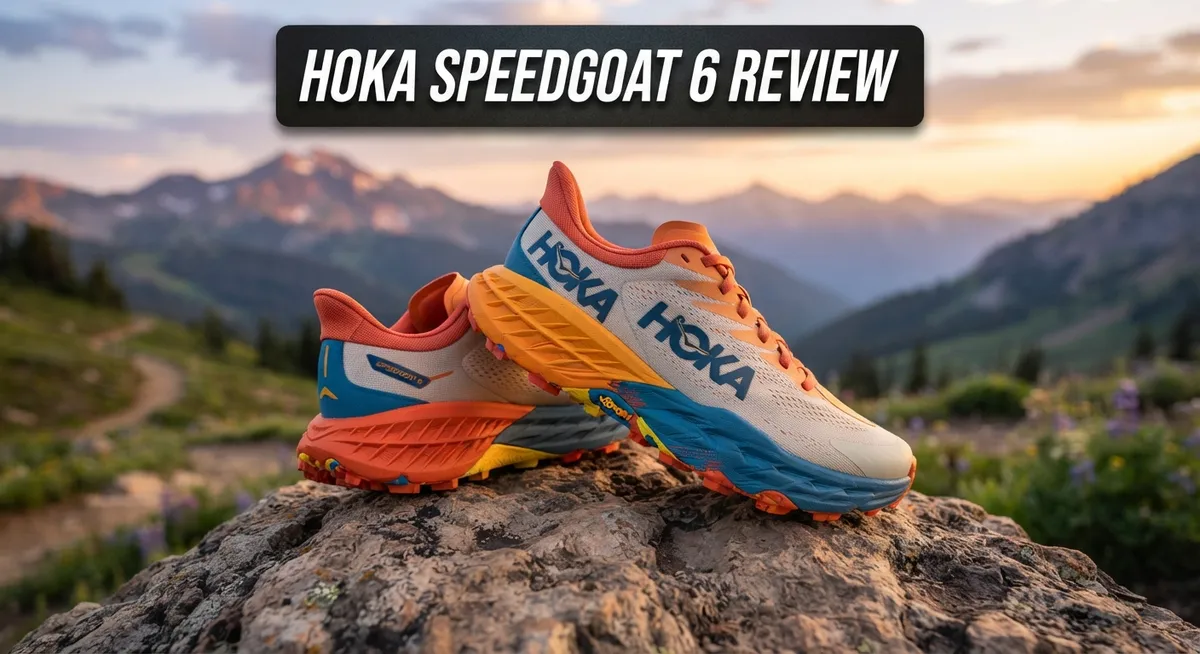
Hoka Speedgoat 6 Review: Trail Running Shoe Quality & Durability
Trail runners want one thing. A shoe that keeps them steady on rocky paths. The Hoka Speedgoat 6 promises exactly that.
This shoe brings a lightweight and responsive midsole. It also offers improved shock absorption for long days on the trail. Runners get a comfortable fit right out of the box.
But every shoe has trade offs. The Speedgoat 6 shows some durability concerns. Its outsole and upper wear faster than expected.
Traction on rocky surfaces also feels underwhelming for some runners.
So does this shoe still deserve a spot in your gear closet? We tested the Speedgoat 6 on real trails. This review breaks down its features, comfort, and performance.
You will learn where it shines and where it falls short. By the end, you will know if this shoe fits your trail running needs.
In a Nutshell
Here is the quick rundown on the Hoka Speedgoat 6 before you dive deeper:
-
Shock absorption gets a boost this year. The midsole soaks up impact well during long runs, so your legs feel fresher at mile twenty.
-
Durability is a real concern. The upper and outsole show wear faster than expected, especially if you run on abrasive terrain often.
-
Sizing runs inconsistent for some feet. Try before you buy if you can, or check reviews for your foot shape first.
-
Foot protection stays minimal. Sharp rocks and roots can still be felt through the sole on technical trails.
-
Performance ratings landed lower than hoped, with the heel area scoring just 48% in independent testing.
-
Compared to rivals like the Salomon Speedcross 6 or Nnormal Kjerag 02, this shoe trades some grip for comfort and cushioning.
Bottom line: The Speedgoat 6 suits runners who prioritize comfort over rugged durability or aggressive traction.
Build and Materials
The Speedgoat 6 uses a breathable woven upper that sits snug around your midfoot. This fabric keeps your foot secure without feeling restrictive, though some runners report loose fits around the heel area.
Hoka equipped this shoe with a Vibram Megagrip outsole. The rubber compound grips well on dirt and loose terrain. However, the tread pattern struggles on hard rock and technical scrambles where you need maximum contact.
The midsole features an internal support chassis combined with a J Frame overpronation control system. These elements work together to stabilize your foot during quick turns. The heel drops 4.9 to 5 millimeters, creating a balanced platform that feels natural on uneven ground.
Shock absorption numbers tell an interesting story. The heel absorbs 124 SA units while the forefoot handles 107 SA units. This means your heel gets more cushioning than your toes, which helps on downhill stretches but feels less responsive during explosive movements.
The dual sided gusseted tongue keeps debris out of your shoe. This practical feature prevents rocks and dirt from sliding inside during creek crossings or dusty sections.
Here’s where durability becomes a concern. The upper material wears quickly under heavy use. Runners report visible fraying after just a few months of regular trail time. The outsole also shows significant wear patterns faster than competitors in this category.
The shoe weighs less than many rivals, contributing to that responsive feel underfoot. This lightweight design comes at a cost though. Less material means less protection between your foot and sharp rocks. You’ll feel the ground more directly, which some runners love and others find uncomfortable.
The overall construction feels solid during the first few weeks. Seams hold up well initially, and the glue bonds seem secure. The problem emerges over time as materials break down. The breathable upper that feels great in summer becomes a liability when durability matters most.

- Textile, Synthetic
- Polyurethane
Last update on 2026-10-10 / Affiliate links / Images from Amazon Product Advertising API
Comfort and Fit
The Speedgoat 6 wraps your foot in a snug, secure fit that many runners appreciate right out of the box. The breathable woven upper molds to your midfoot without feeling restrictive. You get a locked in sensation that keeps your foot stable during quick direction changes on technical terrain.
The dual sided gusseted tongue plays a key role in comfort. It keeps dirt and small rocks from entering your shoe while you run. This feature reduces distractions and lets you focus on the trail ahead.
Shock absorption stands out as a major strength here. The heel absorbs 124 SA units while the forefoot handles 107 SA units. This means your joints experience less impact during long days on uneven ground. Your feet stay fresher even after hours of running.
The internal support chassis combined with the J Frame overpronation control system provides extra stability. If your foot rolls inward when you land, this system gently corrects it. You feel more grounded and confident, especially on steep descents.
However, sizing runs inconsistent for some runners. What fits perfectly for one person may feel loose or tight for another. Your best approach is to try them on or check multiple reviews for your specific shoe size. Some runners go half a size up while others stick with their normal size.
The midsole feels responsive underfoot thanks to its lightweight construction. You notice less heaviness compared to bulkier trail shoes. This responsiveness makes the shoe feel agile during quick movements.
Foot protection remains minimal though. The shoe does not have thick padding on the sides or extra cushioning around your toes. Runners tackling extremely rocky terrain might want more protection. Your foot sits closer to the ground, which some prefer and others find concerning.
The overall fit works best for runners with average to narrow feet. If you have wider feet, the shoe may feel snug around the midfoot. The gusseted tongue adjusts easily, so you can customize how tight or loose the fit feels around your ankle area.
Performance and Traction
The Speedgoat 6 delivers solid performance on mixed terrain, though it shows clear strengths and weaknesses depending on your running style.
Traction tells a mixed story here. The Vibram Megagrip outsole grips well on dirt, roots, and loose surfaces. On hard packed trails, you get reliable contact with the ground. However, rocky terrain reveals a gap. The outsole struggles to bite into slick stone or exposed bedrock. If you run mostly on technical rock gardens, you may find yourself sliding more than you’d like.
The shoe’s lightweight midsole creates a responsive feel underfoot. You notice this especially on rolling terrain where the shoe bounces back quickly beneath your feet. This responsiveness helps you maintain pace on longer runs without feeling sluggish or heavy. The low 4.9 to 5 mm heel-to-toe drop keeps your foot closer to the ground, which many trail runners prefer for natural movement.
Grip performance drops during wet conditions. Rain or stream crossings reduce the outsole’s effectiveness. The Vibram rubber doesn’t maintain the same bite when wet. This matters if your local trails feature creek beds or morning dew. You’ll want to adjust your pace accordingly.
The internal support chassis works with the J Frame overpronation control to keep your foot stable during lateral movements. This setup prevents excessive rolling, which improves control on uneven ground. You feel more locked in during quick directional changes.
Independent testing showed the heel area scored just 48% in performance ratings. This lower score reflects the shoe’s comfort first approach. Hoka prioritized cushioning and responsiveness over aggressive traction. The forefoot performs better than the heel, offering more ground contact feel.
Bottom line for traction: The Speedgoat 6 excels on soft terrain and maintains decent grip on most trails. It falls short on slick rock and struggles when wet. Your local trail conditions matter here. If you run mostly dirt and roots, this shoe performs well. If rock scrambling defines your routes, look elsewhere.
Top 3 Alternatives
ASICS Gel-Cumulus

- FF BLAST PLUS technology: Cushioning provides lightweight impact absorption and a responsive rebound
- PureGEL technology .: Helps provide lightweight cushioning and softer landings
Last update on 2026-10-24 / Affiliate links / Images from Amazon Product Advertising API
The ASICS Gel-Cumulus delivers responsive cushioning for runners who want comfort without sacrificing speed. This shoe features gel technology in the heel and forefoot, which absorbs impact effectively during your run. The midsole uses foam that bounces back with each stride, helping you maintain momentum on longer distances.
The upper fits snugly around your foot, keeping everything secure. Breathable mesh panels let air flow freely, so your feet stay cool and dry. The outsole grips well on both roads and light trails, giving you confidence with every step.
New Balance Fresh Foam

- Fresh Foam X midsole foam with approximately 3% bio-based content delivers our most cushioned Fresh...
- Reflective details

Last update on 2026-10-24 / Affiliate links / Images from Amazon Product Advertising API
New Balance Fresh Foam shoes combine lightweight construction with plush cushioning. The Fresh Foam midsole wraps around your entire foot, providing a smooth ride from heel to toe. This design reduces fatigue during extended runs and helps you stay comfortable mile after mile.
The shoe’s engineered knit upper adapts to your foot shape naturally. You get a locked-in feel without pressure points. The responsive foam returns energy as you push off, making your running feel effortless and efficient.
Brooks Ghost

- THIS WOMEN’S SHOE IS FOR: Everyday runners, walkers, and fitness enthusiasts who want the perfect...
- LIGHTWEIGHT & DYNAMIC CUSHIONING: Powered by nitrogen-infused DNA LOFT v3 foam for a soft...
Last update on 2026-10-24 / Affiliate links / Images from Amazon Product Advertising API
Brooks Ghost shoes offer a balanced approach to running comfort. The DNA Loft v2 cushioning provides soft landings while maintaining ground feel. This means you experience protection without feeling disconnected from the road.
The Ghost’s segmented crash pad adapts to your stride naturally, absorbing shock exactly where you need it. The shoe’s geometry promotes a smooth transition from landing to takeoff. Its breathable upper keeps moisture away from your skin, and the flexible outsole lets your foot move naturally throughout each step.
Shock Absorption and Responsiveness
The Speedgoat 6 excels at absorbing impact during long trail runs. The heel reaches 124 SA units while the forefoot manages 107 SA, giving you solid cushioning across the entire shoe.
This responsiveness comes from a lightweight midsole design that doesn’t sacrifice protection. You feel connected to the ground without sacrificing comfort on rocky or uneven paths. The shoe bounces back quickly with each stride, which many runners find energizing on technical terrain.
The internal support chassis works alongside the J Frame overpronation control to stabilize your foot. This combination keeps your ankle from rolling inward during quick turns or lateral movements. Runners with mild overpronation appreciate this extra support during demanding trail sessions.
However, there’s a trade off worth noting. Independent testing revealed the heel area scored only 48% in performance ratings. This means the cushioning, while present, doesn’t rank among the best in its class. Some runners notice this during very long efforts or on extremely rocky ground.
Foot protection remains minimal overall. The sides lack thick padding, and the shoe doesn’t wrap around your heel with extra cushioning. This lightweight approach helps you move fast but leaves your feet more exposed to impacts and sharp rocks. Trail runners who prioritize speed over maximum protection often prefer this trade off.
The dual sided gusseted tongue contributes to comfort by keeping debris out. This small feature reduces distractions during runs and prevents dirt from shifting inside the shoe.
On mixed terrain, the Speedgoat 6 delivers solid shock absorption for most conditions. The responsiveness keeps your legs fresher during longer outings. Just remember that this shoe prioritizes agility and speed over maximum cushioning depth.
If you run on smooth trails or prefer a nimble feel, the shock absorption and responsiveness work well together. For runners tackling extremely rocky or technical terrain for hours at a time, you might want extra cushioning elsewhere.
Durability and Longevity
The Hoka Speedgoat 6 shows mixed results when it comes to lasting through heavy use. The upper material wears quickly, especially if you run frequently on rocky or abrasive terrain. The breathable woven construction prioritizes ventilation over protection, which means it sacrifices durability for comfort.
The outsole tells a similar story. While the Vibram Megagrip rubber provides good initial grip, it degrades faster than some competitors. Runners report noticeable wear after 200 to 300 miles of trail running. The tread pattern flattens over time, reducing your traction on loose surfaces.
The midsole holds up better than the upper and outsole. The lightweight foam maintains its responsiveness for an extended period. You won’t notice significant softening or compression until you reach higher mileage. This is where the shoe excels in terms of longevity.
The internal support chassis and J Frame overpronation control system remain intact throughout the shoe’s life. These structural elements don’t degrade like rubber or fabric. They continue supporting your foot consistently as the shoe ages.
One concern involves the dual sided gusseted tongue. It keeps debris out effectively, but the attachment points can loosen with repeated use. Check this area periodically to ensure it stays secure.
Overall, the Speedgoat 6 is better suited for lighter runners or those who rotate multiple pairs. If you run exclusively in this shoe, expect to replace it sooner than heavier duty options. The shoe prioritizes lightweight performance over extended durability.
The breathable woven upper and responsive midsole make it ideal for speed focused trail running. However, you trade longevity for these benefits. Runners seeking maximum durability might find other options more practical for year round, high mileage use.
Consider your running volume and terrain before committing. The Speedgoat 6 works best when paired with another shoe for rotation. This approach extends the life of both shoes and maintains performance across your entire running routine.
Pros and Cons
Pros
- Improved shock absorption keeps your feet comfortable during long trail runs
- Lightweight, responsive midsole delivers a snappy feel without sacrificing protection
- Vibram Megagrip outsole grips well on dirt, roots, and loose surfaces
- Internal support chassis and J Frame overpronation control stabilize your foot during lateral movements
- Dual sided gusseted tongue keeps debris out and adds comfort
Cons
- Upper and outsole wear quickly, limiting durability for heavy use
- Traction drops significantly on wet terrain and during stream crossings
- Minimal foot protection with thin side padding and loose heel wrap
- Sizing and fit issues reported by some runners, requiring careful selection
Who Should Buy It
The Hoka Speedgoat 6 works best for specific runner types who match its strengths and can work around its limitations.
Speed focused trail runners should consider this shoe. You’ll love the lightweight, responsive midsole that keeps you quick on your feet. The breathable woven upper keeps your feet cool during fast paced runs. If you enjoy pushing pace on dirt and root covered trails, this shoe delivers the snappy feel you want.
Runners with overpronation benefit from the J Frame control system and internal support chassis. These features stabilize your foot during quick lateral movements. Your arch gets solid support without feeling restrictive.
Lighter weight runners get the most from the Speedgoat 6. The shoe performs well for people under 180 pounds who don’t demand maximum cushioning. Heavier runners may notice the midsole compresses too much over time.
Those who rotate multiple shoes should add this to their collection. Since durability isn’t its strong point, pairing it with another trail shoe extends both shoes’ lives. You’ll keep the Speedgoat 6 fresh for speed work while using a more durable option for long runs.
Avoid this shoe if you need maximum protection. The thin side padding and loose heel wrap leave your feet exposed on technical terrain. Rocky trails with sharp edges aren’t ideal for this model.
Skip it if you run exclusively in wet conditions. Traction drops significantly on wet surfaces and during stream crossings. The Vibram Megagrip outsole excels on dry dirt and roots but struggles when moisture enters the picture.
Runners seeking durability should look elsewhere. The upper and outsole wear quickly with heavy use. If you’re logging high mileage in one pair, this shoe won’t hold up as well as competitors like the Saucony Peregrine 16 or Merrell Agility Peak 5.
The Speedgoat 6 shines for specific situations rather than all day trail running. Choose it for speed focused sessions on dry terrain with a lighter running style.
Final Verdict
The Hoka Speedgoat 6 earns its spot as a solid trail shoe for the right runner. It shines brightest when speed and comfort matter most on dry, technical trails.
This shoe rewards runners who understand its strengths. Match your running style to what the Speedgoat 6 offers, and you will get great results.
Think about your typical trail conditions before buying. Dry paths and rocky climbs suit this shoe well. Wet crossings and muddy sections do not.
Consider your body type too. Lighter runners enjoy longer shoe life. Heavier runners may notice quicker breakdown of materials.
Your running frequency matters as well. Daily trail runners should think about rotating shoes. This habit extends the life of any pair, including the Speedgoat 6.
If you need a shoe purely for racing day speed, the Speedgoat 6 delivers. Its responsive feel and secure fit make race day feel smooth and controlled.
For runners who value protection above all else, look elsewhere. Options like the Salomon Speedcross 6 or Merrell Agility Peak 5 may serve you better on rough or wet terrain.
Runners who want proven durability over multiple seasons might also explore the Hoka Speedgoat 7. It builds on this model with updates aimed at common complaints.
The Nnormal Kjerag 02 stands out for those who prioritize outsole toughness. It handles rocky trails with more confidence over time.
In the end, the Speedgoat 6 fits a specific niche well. It performs best as a speed tool, not an all terrain workhorse.
Know your needs first. Then decide if this shoe matches your trail goals. The Speedgoat 6 works great for many, but not for everyone.
Pick this shoe if you value quick, light performance on manageable trails. Skip it if you need a rugged companion for extreme conditions or long term heavy use.
Frequently Asked Questions
How does the Speedgoat 6 compare to the Speedgoat 7?
The Speedgoat 7 brings improved durability to the line. The upper and outsole hold up better over time, addressing a major weakness of the 6. Both shoes share the same responsive midsole and Vibram Megagrip outsole grip on dirt and roots.
If you rotate multiple shoes and don’t log extreme mileage on one pair, the Speedgoat 6 works fine. Heavy users who want longevity should upgrade to the 7.
Is the Speedgoat 6 good for wet terrain?
Traction drops significantly on wet surfaces and during stream crossings. The Vibram Megagrip outsole excels on dry dirt and loose rock, but moisture reduces its grip substantially.
Skip this shoe if you run exclusively in wet conditions. Choose it for dry trail systems instead.
What foot type benefits most from this shoe?
Runners with overpronation gain real value here. The J Frame control system and internal support chassis stabilize your foot during side-to-side movements on uneven ground.
Lighter weight runners also get the most responsive feel from the midsole. Heavier runners may find the cushioning less protective over long distances.
Who should avoid the Speedgoat 6?
Skip it if you need maximum foot protection. The thin side padding and loose heel wrap leave your feet exposed on rocky, technical terrain.
Also avoid this shoe if you run the same pair hard for multiple seasons. Upper wear and outsole degradation happen quickly with heavy use. Runners seeking proven durability should explore alternatives like the Speedgoat 7 or the Nnormal Kjerag 02, which prioritizes outsole toughness.