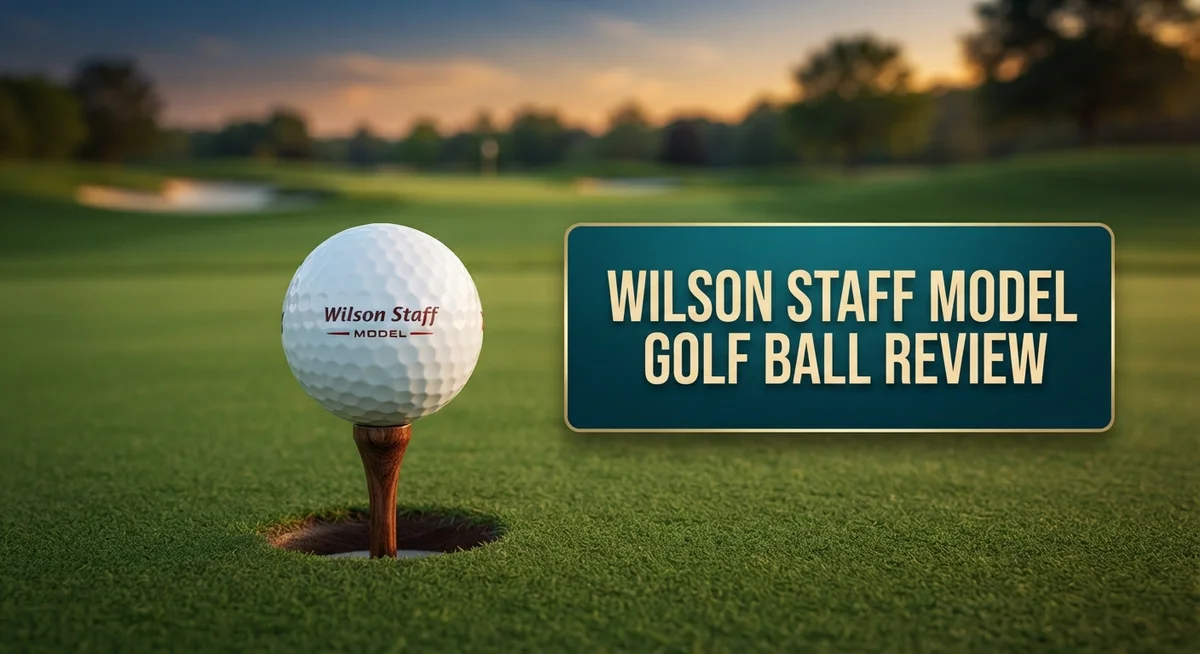
Wilson Staff Model Golf Ball Review: Worth Your Money?
Golfers always search for that perfect ball. One that matches tour quality with real control. The Wilson Staff Model Golf Ball aims to do just that.
This ball uses a 4 piece construction with a urethane cover. It gives you tour level speed and precision. You will notice the difference on your approach shots.
Its high compression rating means serious players will feel right at home. The spin control around greens is excellent. Every shot feels intentional and sharp.
But is it right for your game? This ball shines for skilled players with faster swings. High handicappers might find it less forgiving.
We break down everything here. You will learn about its feel, flight, and performance. Let’s see if this ball earns a spot in your bag.
In a Nutshell
Here is a quick summary of what this ball offers.
-
Tour level performance stands out in every shot. This ball delivers speed and precision that low handicap golfers expect from a premium ball.
-
Around the greens, the ball gives you excellent spin control. You can stop the ball fast and shape your shots with confidence.
-
The feel is firm and some golfers call it clicky. This trait divides opinion. Some players love the feedback while others find it too hard.
-
Off the tee, this ball flies shorter than several rival balls. Faster swing speed players benefit most from its flight design.
-
High handicap golfers may not see big gains here. The ball works best for players who already have consistent swings.
-
Durability is a strong point. The cover holds up well after many rounds, so you get lasting performance from each ball.
This ball fits skilled golfers who want tour level feel and control. Casual players might find other options serve their game better.
Construction and Cover Material
The Wilson Staff Model golf ball features a 4-piece construction that separates it from simpler designs. Each layer serves a specific purpose in your game.
The outer layer is a urethane cover. This material gives you exceptional control around the greens. Urethane responds to club contact with precision, allowing you to shape shots exactly how you want them. The cover also resists scuffs and wear during regular play.
Beneath the cover sits the mid-layer system. This section manages energy transfer from your club to the ball. It helps maintain consistency across different swing speeds and shot types. The layers work together to produce stable flight patterns.
At the core sits the inner construction. This part absorbs impact force and releases it efficiently. The high compression rating of approximately 95 means the core is firm and responsive. Firmer cores suit players with faster swing speeds who can compress the ball fully.
The urethane cover creates that distinctive firm, clicky feel some golfers love and others find off-putting. This sensation tells you exactly when you’ve made solid contact. It’s a feedback mechanism that skilled players appreciate during competition.
Durability stands out as a real strength here. The urethane cover withstands scuffs, cuts, and grass marks better than softer alternatives. You’ll get consistent performance throughout the ball’s lifespan on the course. This means fewer replacements and reliable play week after week.
The construction differs from the Staff Model X variant. The X version uses a firmer setup and generates more spin. The standard Staff Model balances spin control with slightly softer feel characteristics. This makes it more forgiving for players who don’t require maximum spin generation.
The 4-piece design also influences how the ball behaves in different conditions. Wet grass, firm fairways, and soft greens all produce predictable results. The layered construction keeps performance stable across various course situations.
This construction approach targets skilled players who understand ball technology. You get professional-grade materials and engineering in every shot. The urethane cover and multi-layer design combine to deliver tour-level consistency and control.

- Wilson 2026 Staff Model Golf Balls- 12 Balls, White
- FOUR PIECE URETHANE GOLF BALL: Thin cast urethane cover around a hard outer mantle results in high...

Last update on 2026-10-24 / Affiliate links / Images from Amazon Product Advertising API
Spin Control and Greenside Performance
Spin control separates average balls from tour quality balls. The Wilson Staff Model delivers exceptional spin around the greens where most shots decide your score.
The urethane cover works with the 4 piece construction to give you precise spin rates. When you strike a pitch shot or chip, the cover grips the clubface. This grip creates the spin you need to hold the green. The ball responds predictably on every greenside shot.
Short game consistency matters most. Lower spin balls let the ball roll too far. Higher spin balls sometimes over grip and lose distance. The Staff Model finds the sweet spot for skilled players. You get enough spin to control your shots without losing feel.
The mid layer system also plays a role here. It sits between the urethane cover and the core. This layer helps transfer energy from your club to the ball. The result is spin that matches your swing speed and club selection.
Many golfers report that approach shots feel crisp and responsive. The ball stops quickly on firm greens. It checks up nicely on softer turf. This adaptability makes the Staff Model work in different course conditions.
Compared to softer balls, the Staff Model gives you more feedback. You feel exactly what the ball does at impact. This feedback helps skilled players dial in distance and spin. High handicap golfers sometimes find this firm feel uncomfortable, but low handicap players love it.
The spin characteristics also help on longer chips and pitches. You can shape shots around obstacles. The ball holds your intended line through the air. Landing accuracy improves because you control the ball better.
Durability connects to spin control too. The urethane cover resists scuffing and wear. A damaged cover loses spin performance. The Staff Model maintains its spin characteristics over many rounds. This consistency keeps your short game sharp throughout a season.
The greenside performance truly shines for golfers who demand precision. If your swing speed is moderate to fast and you want tour level control, this ball delivers what you seek. Your short game will feel more predictable and repeatable.
Flight Characteristics and Distance
The Wilson Staff Model launches with a mid-trajectory that suits skilled golfers. The ball climbs steadily off the tee and holds its line through the air. Wind resistance feels minimal, which means you get consistent flight patterns in various conditions.
Distance performance ranks as honest rather than explosive. You won’t see massive yardage gains compared to distance-focused competitors. The ball trades raw distance for precision and control. This trade off matters most for golfers with swing speeds above 90 mph.
Slower swing speeds see less benefit from this ball’s design. The high compression core at 95 requires solid contact to activate fully. Golfers with moderate swing speeds still get decent carry, but the distance ceiling stays lower than softer alternatives like Wilson Duo Soft or Wilson Triad.
The 4-piece construction influences how energy transfers at impact. The mid-layer system absorbs some energy rather than converting all of it into distance. This design choice prioritizes consistency over maximum yardage. You get repeatable flight paths instead of occasional long bombs.
Ball flight remains stable through the mid-range distances. The urethane cover maintains its trajectory even when conditions shift. Rain or humidity rarely disrupts the flight characteristics you experience on calm days.
Spin rates affect distance too. The Staff Model produces lower spin off the driver than some competitors. Lower spin means less air resistance, which helps carry distance. However, the ball doesn’t spin as much as the firmer Staff Model X variant, so you lose some of that distance advantage.
On approach shots, the ball flies predictably. You can trust the distance you get from each club. This reliability matters more than raw distance when you’re trying to hit specific yardages.
For golfers seeking tour level ball flight and control, the Staff Model delivers. The distance numbers won’t impress on spreadsheets, but the consistency and precision create real scoring opportunities. Skilled players understand that controlled distance beats unpredictable distance every single time.
Top 3 Alternatives
Titleist Pro V1

- Pro V1 has a softer feel, less spin and flatter trajectory than Pro V1x, which makes it the...
- New faster high gradient core delivers more speed and iron and wedge spin for more control
Last update on 2026-10-24 / Affiliate links / Images from Amazon Product Advertising API
The Titleist Pro V1 gives you consistent performance on every shot. This ball features a soft feel that many golfers love. You get excellent distance control and spin around the greens. The cover resists cuts and scuffs well during play.
Pro V1 works great for mid to low handicap players. The ball holds its line in windy conditions. Durability means your investment lasts through many rounds. The responsive feel helps you trust your swing.
Callaway Chrome Soft

- Outstanding tour performance with soft feel.
- New Hyper Fast Soft Core produces exceptionally fast ball speeds.
Last update on 2026-10-24 / Affiliate links / Images from Amazon Product Advertising API
Callaway Chrome Soft delivers a smooth, soft experience from tee to green. The ball sits nicely on the putter face. You’ll notice strong performance in wet conditions. The cover provides good protection against wear.
This ball suits golfers who want forgiveness without sacrificing control. The responsive core gives you reliable distance on full shots. Spin rates feel predictable, which helps your game improve. The ball holds up well through multiple rounds of play.
Bridgestone Tour B

- NEW! Optimal Flight System
- INCREASED DISTANCE – Longer piercing flight for increased distance
Last update on 2026-10-24 / Affiliate links / Images from Amazon Product Advertising API
Bridgestone Tour B combines distance with soft feel in one package. The ball responds well to different swing speeds. You get solid performance in both warm and cool weather. The cover resists damage from club strikes.
Tour B works best for serious golfers seeking consistency. The construction supports steady ball flight on long shots. Greenside control feels natural and responsive. The ball maintains its performance throughout your entire round.
All three options offer quality construction and reliable performance. Each ball serves different player preferences and swing styles. Your choice depends on what matters most to your game. Test each one to find your perfect match.
Feel and Sound Profile
The feel and sound profile of the Wilson Staff Model sets it apart immediately when you strike it. The ball produces a distinctive clicky sound at impact that divides the golf community. Some players find this feedback satisfying and responsive. Others prefer softer, quieter sensations off the club face.
This auditory characteristic stems directly from the firm compression rating of approximately 95. High compression balls naturally produce crisper sounds than their softer counterparts. The urethane cover amplifies this effect during contact. You hear exactly what happened at impact, which appeals to golfers who value feedback.
The tactile feel matches the sound profile closely. When you hold the Staff Model in your hand, it feels noticeably firmer than mid-range golf balls. This firmness continues through your swing and into the follow through. Many golfers describe the sensation as tour level and controlled.
Around the greens, this firm construction delivers something special. Your hands and arms receive clear feedback about strike quality. A pure chip shot feels distinctly different from a mishit. This information helps you learn and adjust your technique faster than softer balls allow.
The feel profile does require adjustment if you normally play softer balls. Your first few rounds might feel slightly harsh or unforgiving. However, most skilled golfers adapt quickly and appreciate the responsiveness. The ball communicates your swing to you in real time.
Interestingly, the firmness also contributes to consistency. You get similar feel characteristics across multiple shots in identical conditions. This predictability matters when you’re trying to build confidence in your game.
The downside appears for golfers with slower swing speeds. They may find the firm feel less rewarding since the ball doesn’t compress as much at their impact speeds. The sound might also feel less satisfying without proper compression.
Overall, the feel and sound profile reflects a ball built for players who understand and appreciate direct feedback. It’s not designed for comfort or softness. Instead, it prioritizes communication between your swing and the ball’s response. This approach aligns perfectly with the Staff Model’s tour focused positioning.
Durability and Longevity
The Wilson Staff Model holds up well through repeated rounds and extended play. The urethane cover resists scuffing better than softer synthetic alternatives. You’ll notice minimal wear patterns even after hitting several sleeves of balls.
The 4-piece construction contributes directly to this longevity. Each layer protects the inner core from excessive compression damage. The firm compression rating of 95 means the ball absorbs impact forces efficiently without cracking or separating prematurely.
Golfers report that the Staff Model maintains its performance characteristics across many rounds. The spin rates stay consistent longer than budget-friendly options. You won’t experience sudden drops in greenside control after 15 or 20 shots. This consistency reflects the quality of materials used throughout the ball’s construction.
The cover material plays a key role here. Urethane formulations age more slowly than ionomer covers found on distance-focused balls. The Staff Model resists UV degradation better, so balls stored in sunlight retain their feel and responsiveness.
Water absorption remains minimal with this design. The tight cover construction prevents moisture from seeping into the core layers. This matters especially if you play courses with wet conditions or retrieve balls from water hazards frequently.
Comparing durability to competitors shows the Staff Model performs admirably. The Srixon Z-Star Diamond offers similar longevity but at a different performance profile. The Wilson Staff Model X variant has a firmer cover that might last slightly longer, though the difference proves marginal in real world play.
The ball’s durability doesn’t guarantee permanence, of course. Like all golf balls, the Staff Model eventually loses performance after extended use. Most players find they get solid mileage before replacing their sleeves.
One practical note: the firm construction actually helps durability. Softer balls compress more at impact, which accelerates material fatigue over time. The Staff Model’s resistance to deformation means less stress on internal layers with each swing.
For serious golfers who play frequently, this durability factor justifies regular use. You’ll spend less time replacing worn balls mid-round. The Staff Model delivers consistent performance across an impressive number of shots before showing meaningful decline.
Pros and Cons
Pros
- Tour-level precision and consistency deliver reliable performance for skilled golfers
- Spin control around the greens gives you excellent short-game command
- Premium feel and flight characteristics reward players who appreciate direct feedback
- Durability holds up well across many rounds of regular play
- Solid performer for moderate and slower swing speeds
Cons
- Firm, “clicky” feel divides golfers and requires adjustment if you play softer balls
- Shorter distance off the tee compared to many competitors
- Not ideal for high handicappers seeking maximum forgiveness
- Minimal distance advantage for golfers without low handicaps
Who Should Buy It
The Wilson Staff Model works best for low handicap golfers who shoot consistently in the 70s and 80s. These players have the swing speed and ball-striking precision to unlock what this ball offers. If you hit fairways regularly and control your shots, you’ll appreciate the direct feedback this ball provides.
Competitive amateur golfers find real value here too. You play in tournaments or club events where consistency matters. The Staff Model delivers shot-to-shot reliability that helps you post lower scores when it counts.
Golfers who prioritize spin control around the greens should seriously consider this ball. If you work the ball with wedges and want predictable greenside performance, this 4-piece construction gives you command. You’ll feel confident attacking pins from inside 100 yards.
Players with moderate to slower swing speeds can still benefit, though with one caveat. You won’t get maximum distance off the tee like you would with softer options. However, the ball’s stability and consistency reward smooth, controlled swings throughout the round.
Tour-level precision matters to you. You understand that premium golf balls demand premium technique. You’re willing to adjust your expectations and appreciate equipment that responds to skill rather than compensates for it.
Who should skip this ball? High handicappers typically struggle with it. The firm construction won’t give you the forgiveness or extra distance you need. The “clicky” feel might frustrate you if you prefer softer feedback. Consider Wilson Duo Soft or Triad instead.
Golfers seeking maximum distance off the tee should look elsewhere. The Staff Model prioritizes precision over length. Competitors deliver longer drives, especially for non-low-handicap players.
Players who dislike firm ball feel should avoid this one. The auditory and tactile characteristics divide golfers sharply. If you’ve always played softer balls and love that sensation, adjustment takes time.
Bottom line: Buy the Wilson Staff Model if you have a low handicap, value consistency, and appreciate direct feedback. You’ll get a premium ball that rewards skill and delivers reliable performance across many rounds.
Final Verdict
The Wilson Staff Model Golf Ball earns its spot among tour level equipment. It rewards skilled players who understand shot shaping and greenside control.
This ball suits a specific type of golfer. If you swing with control and demand feedback, this ball fits your game well.
Low handicap golfers and competitive amateurs get the most out of this ball. They notice the spin, the flight, and the consistency on every shot.
Casual golfers or beginners might feel differently. The firm feel and shorter distance could frustrate players who need extra forgiveness.
Think about your own game before you decide. Do you value precision over raw distance? Does spin control matter more than a soft feel? Your answers point you in the right direction.
Compared to the Staff Model X, this version offers a slightly softer feel with less spin. It sits in a sweet spot for golfers who want tour performance without extreme firmness.
Competitors like the Srixon Z-Star Diamond and Vice Tour offer similar performance tiers. Golfers exploring options should compare feel and spin profiles across these brands.
For high handicappers, alternatives like the Wilson Duo Soft or Wilson Triad make more sense. These balls prioritize forgiveness and distance over pure control.
The bottom line stays simple. This ball performs best in the hands of golfers who already play well. It won’t fix a slice or add yards for average swing speeds.
Skilled players who want tour level performance will appreciate what this ball delivers. The feel, flight, and short game control justify its place in your bag.
Choose this ball if precision matters more to you than forgiveness. Skip it if you need help with distance or prefer a softer feel.
Your swing speed, skill level, and priorities on the course should guide this decision. Match the ball to your game, not the other way around.
Frequently Asked Questions
Does the Wilson Staff Model work for mid-handicap golfers?
Mid-handicap golfers can use this ball, but it’s not the ideal match. The Staff Model shines when you shoot consistently low scores and have a smooth swing. Mid-handicappers often benefit more from forgiving designs that help compensate for swing inconsistencies.
If you’re a mid-handicapper with solid fundamentals and you want to improve your short game, this ball can help. The spin control around the greens is genuinely excellent. However, you might find the firm feel takes adjustment.
How does this ball compare to the Staff Model X?
The Staff Model X is the firmer, spinnier sibling. This standard version feels slightly softer while delivering less spin overall. Think of it as a middle ground for golfers who want precision without the extra feedback intensity.
Both balls share the same tour-level DNA. The X appeals to players who demand maximum spin control. This one works better if you prefer a smoother sensation without sacrificing performance.
What makes the spin control so good?
The urethane cover and 4-piece construction work together. Urethane grabs the club face at impact, creating that spin. This translates to shots that stop quickly on greens instead of rolling out.
You’ll notice this benefit most with wedge shots and short irons. Approach shots hold their landing spots better. Putts from off the green become more predictable.
Should I switch if I currently play a softer ball?
Switching requires an adjustment period. Your hands and feel will notice the difference immediately. The “clicky” sensation takes time to embrace.
Give yourself 1 to 2 sleeves before deciding. Your scores might dip slightly at first as you adapt. After that, the precision usually clicks into place.