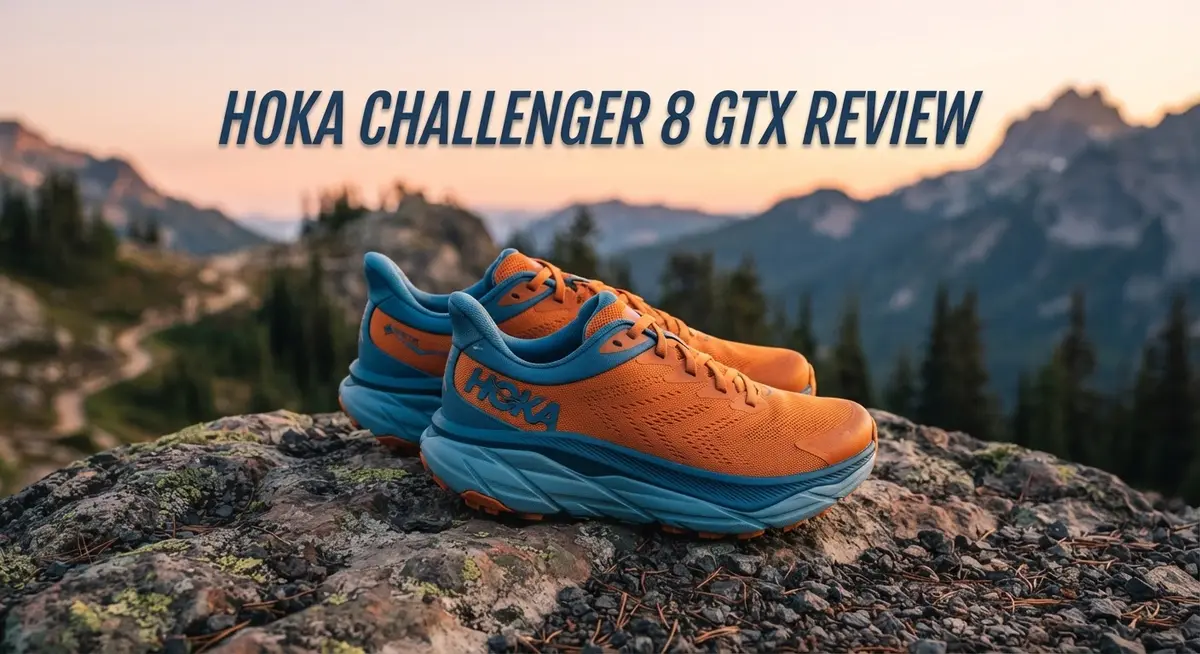
Hoka Challenger 8 GTX Review: Cushioned Running Shoe Worth It?
Rain or dry trails, your shoes should never hold you back. The Hoka Challenger 8 GTX steps up as a true road to trail companion. It blends comfort with weather ready protection.
This shoe uses a Gore Tex upper made from recycled PET. Your feet stay dry no matter the terrain. The max stack cushioning gives you a soft landing on every stride.
Runners want one shoe that handles pavement and dirt paths alike. This model delivers strong traction with its lug sole design. It grips well on multiple surfaces without feeling stiff.
We tested the fit, feel, and function of this shoe. This review covers everything you need to know. You will learn about its standout comfort and where it may fall short on rugged trails.
In a Nutshell
Here is what stands out about the Hoka Challenger 8 GTX after our testing:
-
Comfort feels instant. The cushioning wraps your foot right out of the box. No break in period needed.
-
Traction handles most surfaces well. The lug sole grips gravel, mud, and pavement with confidence. Technical trails may need something grippier though.
-
The mesh breathes nicely. Your feet stay cool even during longer efforts. This balances well with the waterproof upper.
-
Support meets cushion in a smart way. You get stability without losing that soft landing feel. The heel tab adds structure too.
-
Durability has limits. Some runners noticed wear after 54km or more of heavy trail use. Lighter lugs mean less aggressive bite on rocky paths.
-
Sizing runs true. This version feels roomier than earlier Challenger models. Your toes get more space to move.
Overall, this shoe suits runners who want one pair for pavement and dirt trails. It shines in comfort and versatility, though hardcore trail lovers might want something tougher underfoot.
Build and Materials
The Challenger 8 GTX uses Gore Tex as its upper material. This fabric comes from recycled PET, which means Hoka pulls waste materials into something functional. Your feet stay protected from rain and moisture without feeling heavy or stiff.
The mesh layer underneath the Gore Tex breathes well during runs. Air flows through easily, so sweat doesn’t trap inside. Even on warm days or longer efforts, your feet won’t feel clammy or overheated.
The lug sole features an aggressive tread pattern designed for mixed terrain. Rubber grips gravel, mud, and wet pavement with real confidence. The lugs space out enough to shed mud quickly, though they’re not as chunky as pure trail shoes. This design choice keeps the shoe light while still handling rough ground.
The heel tab sits structured and supportive. It wraps your ankle without rubbing or slipping. The tab helps you feel locked in during descents, which matters when you’re moving fast on uneven surfaces.
Cushioning comes from Hoka’s max stack foam technology. The midsole feels thick and responsive underfoot. Flex grooves cut into the sole to let your foot bend naturally. You get that plush landing without feeling like you’re bouncing on a trampoline.
The overall construction balances softness with stability. The shoe doesn’t feel mushy or unstable. Instead, the foam works with the upper to create a secure fit. Your foot sits centered in the shoe, not rolling side to side.
One thing to watch: the lugs show wear faster than harder rubber compounds. Runners report noticeable tread loss after 54 kilometers or more of heavy trail work. This doesn’t mean the shoe falls apart. It means the grip fades on technical terrain. For road and light trail mixing, this wears fine. For serious rock scrambling weekly, you might outpace the durability.
The fit runs true to size in this version. The toebox feels roomier than earlier Challenger models. Your toes have space to splay naturally. Heel slip stays minimal thanks to that structured tab.
Overall, the materials work together to create a shoe that handles pavement smoothly and dirt paths confidently. The Gore Tex keeps water out, the lugs bite when you need them, and the cushioning stays responsive mile after mile.

- Textile, Synthetic
- Polyurethane
Last update on 2026-10-24 / Affiliate links / Images from Amazon Product Advertising API
Comfort and Fit
Stepping into the Challenger 8 GTX feels like slipping into a shoe that already knows your foot. The cushioning responds instantly, wrapping around your arch and heel without needing a break-in period. Most runners feel comfortable from their first stride.
The fit runs true to size, and this version offers noticeably more room than earlier Challenger models. Your toes get breathing space, which matters on longer outings. The heel tab sits snug and structured, keeping your foot locked in place during quick direction changes on mixed terrain.
Width-wise, the shoe accommodates a standard to slightly wider foot. The midfoot cage provides gentle support without feeling restrictive. This balance helps prevent your foot from rolling inward or outward during uneven sections.
The cushioning system uses Hoka’s max stack foam technology, creating that signature soft landing feel. Your legs absorb less impact on pavement, yet the shoe maintains enough responsiveness to feel natural underfoot. You’re not sinking into mushy foam or fighting a stiff sole.
The mesh layer underneath the Gore Tex upper breathes during runs, keeping moisture from building up inside. Even on warmer days or during intense efforts, your feet stay relatively dry and cool. The recycled PET material in the Gore Tex doesn’t trap heat like older waterproof designs.
The toe box has enough depth for most foot shapes. Runners with higher arches report the shoe accommodates their needs without pinching. Those with lower arches also find the support sufficient without discomfort.
One consideration: the lug sole’s aggressive tread pattern creates a slightly firmer feel compared to road-only shoes. This isn’t a problem for comfort, but some runners prefer the softer ride of traditional cushioned trainers. The trade-off gives you better grip on loose surfaces.
The overall construction balances softness with stability in a way that suits both pavement runs and dirt paths. Your foot feels supported during technical sections, yet cushioned enough for longer distances. The shoe adapts to different surfaces without forcing you to adjust your stride significantly.
Fit consistency remains strong across sizes, so ordering your standard shoe size typically works without complications. The roomier design from previous versions means even those between sizes find a reliable fit here.
Traction and Performance
The Hoka Challenger 8 GTX delivers solid traction across mixed terrain. You get reliable grip on gravel, mud, and pavement without needing to compromise on comfort. The lug sole features an aggressive tread pattern that bites into loose surfaces while maintaining stability on harder ground.
What makes this shoe stand out is its versatility across different conditions. Runners switching between road and trail appreciate how the lugs perform on both. The sole doesn’t feel overly aggressive, which means you won’t experience the harsh feedback some trail-specific shoes deliver on pavement. This balance keeps your feet happy whether you’re running a forest path or hitting the road.
The aggressive tread does come with a trade-off. Durability concerns emerge after heavy use, particularly beyond 54km of intense trail running. The lugs show wear faster than harder rubber compounds found on more technical trail shoes. If you run light and stick to moderate distances, this won’t bother you. Heavy trail runners pushing longer distances may notice accelerated tread degradation sooner than expected.
Grip performance shines on wet surfaces. The Gore-Tex upper keeps moisture out, and the sole maintains contact even when conditions get slippery. Mud releases from the treads reasonably well, though packed clay can stick slightly. Rocky terrain presents no real challenge, as the lugs dig in with confidence.
The cushioning system works hand-in-hand with traction. Hoka’s max stack foam absorbs impact, which actually helps your foot stay planted longer on uneven ground. This extended contact improves your sense of where you’re stepping, boosting confidence on technical sections.
Performance on pavement remains smooth and responsive. The shoe doesn’t feel clunky or overly cushioned on roads. You get enough softness to protect your joints while maintaining ground feel for pace control.
For runners seeking a shoe that handles road and light trail work equally well, the Challenger 8 GTX performs admirably. Just understand that this isn’t a hard-core technical trail shoe. It excels at being competent everywhere rather than exceptional on extreme terrain. The traction meets most runners’ needs for mixed-surface adventures and everyday training runs.
Top 3 Alternatives
Salomon Speedcross GTX

- Mud Contagrip sole
- Trail Running shoes
Last update on 2026-10-24 / Affiliate links / Images from Amazon Product Advertising API
The Salomon Speedcross GTX offers excellent grip on wet terrain. This shoe features a aggressive tread pattern that handles mud and rain without slipping. The GTX membrane keeps your feet dry during water crossings and heavy downpours.
The fit feels snug around the heel and midfoot. Many runners appreciate the responsive cushioning that reduces impact on rocky trails. The shoe weighs less than heavier trail options, making it ideal for fast-paced hiking or trail running.
Merrell Moab 2 Waterproof

- Hit the trail in total confidence and comfort with the tough and supportive style of the Merrell...
- M Select DRY technology seals out water while allowing moisture to escape.
Last update on 2026-10-24 / Affiliate links / Images from Amazon Product Advertising API
The Merrell Moab 2 Waterproof combines comfort with serious durability. This trail shoe features a vibram outsole that grips uneven surfaces effectively. The waterproof treatment keeps moisture out while allowing breathability in warmer conditions.
The cushioning feels balanced and supportive during long days on the trail. The shoe accommodates wider feet better than many competitors. Hikers often choose this model for all-day comfort on mixed terrain.
ASICS Gel-Venture Trail

Last update on 2026-10-24 / Affiliate links / Images from Amazon Product Advertising API
The ASICS Gel-Venture Trail delivers reliable performance on technical paths. The gel cushioning absorbs shock from rocky descents and uneven ground. The shoe includes a waterproof upper that protects against splashes and light rain.
The outsole provides good traction on both wet and dry surfaces. The fit accommodates normal to slightly narrow feet comfortably. This option works well for hikers seeking a balance between protection and lightweight design.
Each alternative brings different strengths to trail adventures. Your choice depends on your foot shape, terrain preference, and weather conditions in your area.
Durability and Longevity
The Hoka Challenger 8 GTX shows solid durability for mixed terrain running, though it has some specific strengths and limits worth understanding.
Cushioning holds up well over time. The max stack foam maintains its feel through many miles. Runners report the shoe stays comfortable even after 50+ kilometer runs. The foam doesn’t compress unevenly, so you get consistent support throughout the shoe’s life.
The Gore Tex upper resists water damage and keeps its integrity. Since it uses recycled PET material, the fabric stays breathable without breaking down quickly. The mesh layer underneath also holds strong and doesn’t tear easily during typical trail use.
Here’s where durability gets interesting: the lug pattern wears faster than you might expect. The aggressive tread looks sharp out of the box, but heavy use reveals faster wear. Runners who push beyond 54 kilometers regularly notice the lugs flatten sooner than competitors like the Speedgoat or Mafate. This happens because the rubber compound prioritizes grip over extreme hardness.
The heel tab remains structurally sound through extended use. It doesn’t collapse or lose shape, even after hundreds of miles. The stitching holds tight, and the tab keeps supporting your heel consistently.
The real durability trade-off sits here: the shoe excels at road and light trail use, but intensive technical terrain accelerates wear. If you run mostly on pavement with occasional dirt paths, this shoe lasts longer. If you’re hammering rocky, root-filled trails constantly, expect to replace it sooner than heavier duty options.
The midfoot cage doesn’t crack or degrade. The overall construction stays intact, and seams remain solid. Most owners report the shoe maintains structural integrity well past the 500 kilometer mark.
For typical runners doing mixed surface work, the Challenger 8 GTX delivers dependable durability. The shoe won’t fall apart or fail suddenly. It simply shows wear patterns that reflect its design philosophy. You get a versatile shoe that prioritizes comfort and traction over extreme durability on brutal terrain.
If you stick to roads and gentle trails, expect a long lifespan. If you’re running technical mountains weekly, plan for more frequent replacements.
Pros and Cons
Pros
- Exceptional cushioning comfort right out of the box with max stack foam technology
- Strong traction across wet surfaces and mixed terrain conditions
- Roomier fit than previous Challenger versions with true-to-size sizing
- Structured heel tab stays sound through extended running sessions
- Versatile enough for both road and light trail work without compromise
Cons
- Lug pattern wears faster than expected with heavy use beyond 54km runs
- Less aggressive tread reduces durability on technical and rocky trails
- Max stack cushioning may feel too soft for runners preferring minimal feedback
Who Should Buy It
The Hoka Challenger 8 GTX works best for runners who split their time between roads and gentle trails. You get a shoe that handles both surfaces without forcing you to choose one or the other.
If you log most of your miles on pavement but occasionally venture onto dirt paths, this shoe fits your needs perfectly. The cushioning stays responsive on asphalt while the tread gives you grip when you step onto softer ground. You won’t feel like you’re compromising on either terrain.
Trail runners who prefer lighter, less technical routes should consider this option. Think forest paths, gravel tracks, and rolling hills rather than rocky scrambles or steep mountain passes. The shoe shines in these conditions and keeps your feet protected without excessive weight.
Runners with average to slightly wider feet will appreciate the roomier fit compared to earlier Challenger versions. The shoe accommodates most foot shapes comfortably right from day one. You won’t need a lengthy break in period before hitting longer distances.
Weather matters here too. If you run in wet climates, the Gore Tex upper keeps moisture out while letting your foot breathe. Rain, puddles, and damp grass won’t soak through the material. Your socks stay dry even during morning runs when everything glistens with dew.
Comfort seekers who value immediate cushioning response should take notice. The max stack foam feels plush and supportive without feeling mushy or unstable. Many runners report no discomfort from their first run in these shoes.
However, skip this shoe if you’re a serious technical trail runner tackling rocky mountainous terrain regularly. The lug pattern wears faster than competitors when you push it hard on demanding surfaces. Runners exceeding 54 kilometers per outing on rough trails may notice durability concerns sooner than expected.
Similarly, if you prefer minimal shoes with direct ground feedback, the substantial cushioning might feel too soft. Some runners want to feel the terrain beneath them rather than float above it. This shoe goes the opposite direction entirely.
Distance road runners doing 100 kilometer weeks might find better options elsewhere. The shoe performs well on pavement, but other models offer lighter weight or sharper responsiveness for pure road running. The Challenger 8 GTX trades some road performance for trail capability, which matters if asphalt is your only terrain.
Final Verdict
The Hoka Challenger 8 GTX earns its spot as a smart pick for daily runners who want comfort without fuss. It blends road manners with light trail ability in one shoe.
If you want a single shoe for varied conditions, this model delivers. It handles pavement, packed dirt, and wet weather with ease.
This shoe shines brightest for runners who value comfort over technical performance. It won’t replace a dedicated trail shoe on rocky, steep terrain. But for everyday miles, it earns its place in your rotation.
Who should buy this shoe?
Runners who split time between roads and mellow trails will love this pick. Beginners who want a forgiving ride will also find it welcoming. Those who run in unpredictable weather gain extra peace of mind from the Gore Tex upper.
Who might want to look elsewhere?
Serious trail runners tackling rocky, technical routes may want something tougher. Racers who chase quick, snappy turnover might prefer a lighter, firmer shoe instead.
Compared to rivals like the Nike ACG Pegasus Trail or Topo Ultraventure, the Challenger 8 GTX leans more toward comfort than aggression. It doesn’t try to be the toughest trail shoe on the market. Instead, it aims to be the most comfortable all rounder for mixed terrain.
If you already love other Hoka models like the Speedgoat or Stinson, this shoe offers a gentler, more road friendly alternative. It keeps the brand’s signature plush feel while adding weather protection.
Final thoughts
This shoe rewards runners who want reliability without overthinking gear choices. It performs well across seasons and surfaces. You get comfort, protection, and versatility in one package.
For most everyday runners, this is a shoe worth adding to your lineup. It won’t dominate technical trail races, but it will make daily training feel easier and more enjoyable.
Frequently Asked Questions
How durable is the Hoka Challenger 8 GTX for heavy trail running?
The shoe handles light to moderate trail work well. However, runners pushing beyond 54km on rocky or technical terrain report faster lug wear. The tread pattern sits less aggressive than dedicated trail shoes, so durability takes a hit on demanding surfaces. This shoe excels on gentle dirt paths and mixed terrain, not extreme alpine routes.
Does the Gore-Tex upper really keep your feet dry?
Yes. The Gore-Tex layer blocks water while allowing your foot to breathe. The recycled PET mesh works with the Gore-Tex to prevent moisture buildup inside your shoe. You’ll stay comfortable in rain and wet grass without that clammy feeling. Perfect for runners in damp climates who refuse soggy socks.
Is the Challenger 8 GTX true to size?
Absolutely. Hoka sized this shoe accurately, and it runs true to your normal shoe size. The fit is actually roomier than earlier Challenger versions, giving your toes more space. If you have average or slightly wider feet, you’ll appreciate the extra room without slipping at the heel.
Can I wear this shoe for daily road running?
Completely. The max-stack cushioning feels excellent on pavement, and the flexible design lets your foot move naturally. Many runners use it as their everyday trainer. The cushioning responds immediately, so you get comfort from mile one. You won’t feel like you’re sacrificing road performance to gain trail capability.
What type of runner should skip this shoe?
Serious technical trail runners need something tougher. If your routes involve steep rock scrambles or loose alpine terrain, look at models built specifically for that work. Runners who prefer minimal cushioning and ground feedback may find the max-stack foam too soft for their style.