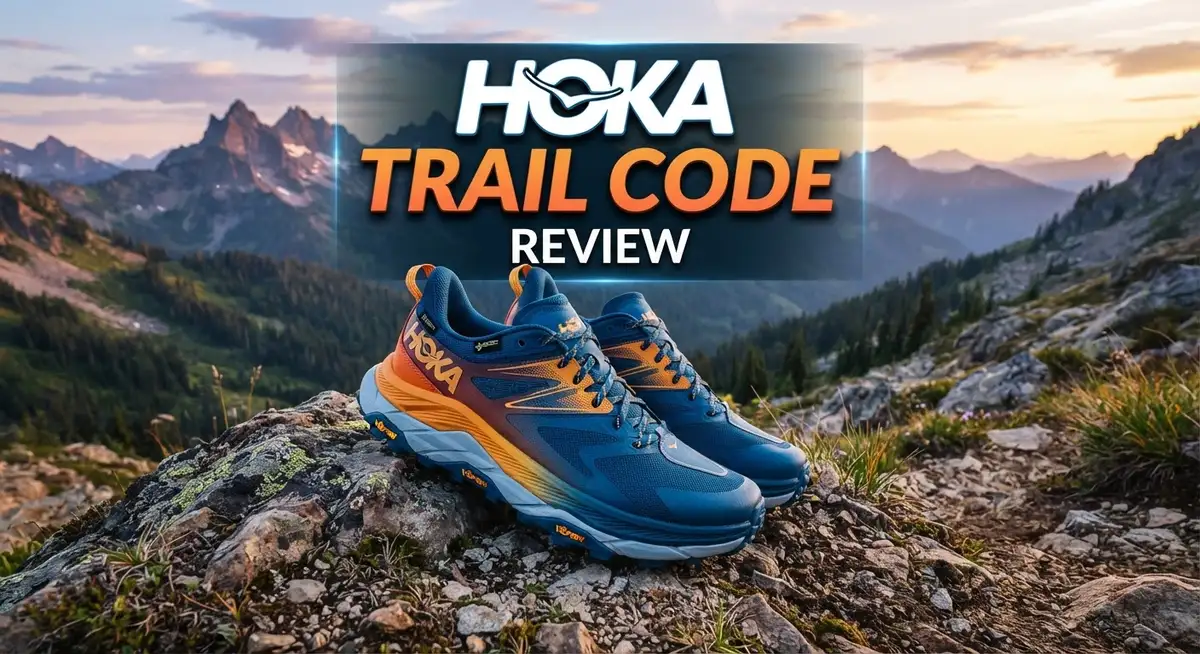
HOKA Trail Code GTX Review: Lightweight Hiking Boot Worth It?
Looking for a light hiking boot that keeps your feet dry? The HOKA Trail Code GTX might be your answer.
This boot brings HOKA’s famous cushioning to the trail. It pairs comfort with GORE-TEX waterproofing for wet hikes.
Fast and light hikers love this boot. It feels more like a trail shoe than a heavy boot. You get support without extra bulk.
The J-Frame technology helps control overpronation. The HUBBLE heel with SwallowTail design adds stability on uneven ground. A Vibram sole grips mud, rock, and slippery paths with ease.
But does it work for everyone? Some hikers want more structure. Others need a wider fit.
This review breaks down every detail. We cover the pros, the cons, and who should buy this boot. Let’s find out if the Trail Code GTX fits your next adventure.
In a Nutshell
Here’s the quick rundown before you dive deeper into this review.
-
Traction that grips: The Vibram sole handles mud, rock, and slippery trails with confidence. You get solid footing even in tricky conditions.
-
Eco-friendly build: HOKA uses a recycled textile upper with a PFC-free water repellency treatment. This boot performs well and treads lighter on the planet.
-
Smart heel design: The HUBBLE heel with SwallowTail design adds stability on descents. It helps your foot land naturally without extra strain.
-
Fit concerns to note: Narrow and extra-wide feet may struggle to find the right fit. Testing before you buy is a smart move.
-
Durability questions: Some users report the Vibram sole peeling over time. The foam may also wear faster than HOKA’s Anacapa Mid.
-
Best for certain hikers: This boot suits casual and fast-and-light hikers who value cushioning. If you need heavy duty support, look elsewhere.
Overall, the Trail Code GTX shines in comfort and grip. Just weigh the fit and durability trade-offs first.
Build and Materials
The HOKA Trail Code GTX uses a recycled textile upper that blends sustainability with performance. This material choice reduces environmental impact while maintaining the breathability you need on long hikes. The upper wraps your foot securely without feeling stiff or restrictive.
GORE-TEX waterproofing sits as the core protection layer. This membrane keeps water out while letting moisture escape from inside your shoe. Your feet stay dry during river crossings and heavy rain, yet they won’t feel clammy after hours of hiking.
The J-Frame technology integrates into the midsole structure. This system controls overpronation by guiding your foot through a natural motion path. If your feet roll inward excessively, this feature prevents that movement without forcing your ankle into an unnatural position.
HOKA’s HUBBLE heel features a SwallowTail design that works on downhill sections. The heel sits lower and wider than standard boots, giving you extra contact points on steep descents. This design reduces foot fatigue when you’re navigating rocky terrain or loose gravel.
The Vibram sole provides the outsole grip. Vibram rubber compounds bite into mud, rock, and wet surfaces with reliable traction. However, some users report the sole peeling at stress points after extended use. This durability issue appears more common here than on HOKA’s Anacapa Mid model.
The overall construction feels lightweight for a hiking boot category. HOKA stripped away unnecessary bulk without sacrificing the cushioning their brand is known for. This approach appeals to fast and light hikers who move quickly on trails.
One trade-off exists: less structural support than traditional hiking boots. The cushioning feels responsive underfoot, but the boot provides minimal ankle containment. This works fine for well-groomed trails and experienced hikers. Beginners or those tackling technical terrain might prefer a stiffer boot.
The materials come together for a boot that prioritizes speed and comfort over rugged durability. The PFC-free water repellency treatment shows HOKA’s commitment to cleaner manufacturing. This boot suits hikers who want modern materials and lightweight performance on moderate trails.

- Boot construction with Gore-Tex waterproof membrane
- Intersuola cmeva with Hubble design and Swallowtail
Last update on 2026-10-24 / Affiliate links / Images from Amazon Product Advertising API
Comfort and Cushioning
The cushioning in the HOKA Trail Code GTX stands out as one of its biggest strengths. HOKA built this boot with generous foam padding that absorbs impact on every step. Your feet feel supported without that heavy, clunky sensation you get from traditional hiking boots.
The HUBBLE heel technology deserves special attention here. This system cradles your heel and reduces fatigue during long hikes. The SwallowTail design works particularly well on downhill sections where your foot tends to slide forward inside the boot. You get better shock absorption and less heel slipping combined.
Comfort during extended wear is where this boot shines for many hikers. The cushioning doesn’t compress too quickly like some cheaper boots. Even after several miles, your feet maintain that plush feel underfoot. The foam responds well to different terrain types, from rocky paths to muddy trails.
However, comfort comes with a trade-off worth knowing. The lighter cushioning means less structural support than heavier hiking boots offer. If you have unstable ankles or prefer maximum support, you might notice the difference. The boot prioritizes comfort for fast-and-light hikers rather than those seeking maximum rigidity.
The recycled textile upper also contributes to comfort. This material breathes well and doesn’t create hot spots like synthetic overlays sometimes do. Your feet stay cooler during moderate activity levels.
One concern emerges around long-term cushioning durability. Some users report that the foam feels softer after extended use. Whether this impacts comfort or signals durability issues depends on your hiking frequency and style. Casual hikers typically won’t notice this change as quickly.
The overall fit around the midfoot and arch area feels snug without being restrictive. This design choice enhances comfort by keeping your foot stable without cutting off circulation. Most hikers with standard width feet report feeling comfortable immediately, even without a long break-in period.
For day hikes and light backpacking trips, the cushioning delivers genuine comfort. Your feet won’t feel beat up at the end of the day. This makes the HOKA Trail Code GTX a solid choice for comfort-focused hikers who don’t want traditional boot heaviness.
Traction and Waterproofing
The Vibram sole on the HOKA Trail Code GTX delivers serious grip across different surfaces. Wet rocks, muddy slopes, and loose gravel all get handled with real confidence. The lugs bite into terrain without feeling aggressive or clunky underfoot.
Real hikers report the sole performs best on technical descents. The tread pattern channels water away, which helps prevent slipping on rain soaked paths. You won’t feel like your feet are sliding around when conditions get messy.
One thing to watch: some users mention the sole shows wear patterns faster than expected. Peeling has been reported after moderate use. This durability concern matters if you plan heavy trail time over several seasons.
The GORE-TEX waterproofing keeps your feet dry in serious rain. Water beads off the recycled textile upper, and moisture stays out even during creek crossings. Breathability remains solid too, so your feet don’t turn into swamps during long hikes.
The PFC free water repellency treatment adds an eco conscious layer. This means the boot sheds water without relying on harmful chemicals. Performance stays strong while the environmental footprint shrinks.
One trade off exists here. The lightweight construction means less insulation than heavier hiking boots. Cold, wet conditions might let your feet get chilly faster than in traditional models. This matters most for winter hiking or extended alpine trips.
The HUBBLE heel with SwallowTail design works together with the Vibram sole. This combination keeps your foot stable when descending steep sections. The heel cup grips your foot in place while the sole grips the ground.
Traction feels responsive rather than sluggish. Your feet connect directly to the trail without feeling disconnected or sloppy. This responsiveness appeals to hikers who move quickly across terrain.
For casual day hikes and fast packing trips, the traction waterproofing combo works really well. The boot handles typical conditions without drama. Just know that durability questions linger around the sole, and extreme cold wet situations might push the waterproofing limits.
Top 3 Alternatives
Salomon Speedcross Trail

- BEST FOR: For the next-generation Speedcross men’s trail running shoes, we revisited the essence...
- PROTECTIVE UPPER: Completely welded upper with disassociated Sensifit arms to move more naturally...
Last update on 2026-10-24 / Affiliate links / Images from Amazon Product Advertising API
The Salomon Speedcross Trail offers excellent grip on rocky and loose terrain. This shoe features a wide toe box that gives your feet room to move comfortably. The cushioning feels responsive, so you get good feedback from the ground while running.
The shoe’s outsole uses aggressive treads for better traction. Runners appreciate how lightweight the design feels during long distances. The upper construction wraps around your foot securely without feeling tight.
La Sportiva Akasha

- Experience comfort even on difficult terrains wearing the stylish and super comfy La Sportiva Akasha...
- Breathable 3D AirMesh textile and synthetic upper.
Last update on 2026-10-24 / Affiliate links / Images from Amazon Product Advertising API
La Sportiva built the Akasha with precision in mind. The shoe delivers a snug fit that keeps your foot stable on technical trails. The midsole provides excellent shock absorption for downhill running.
The Akasha excels on steep descents because of its sticky rubber compound. Your feet stay planted even on wet surfaces. The shoe’s design feels natural and responsive, making it popular with trail runners who want direct ground contact.
ASICS Gel-Trabuco

- Engineered mesh upper with water repellent processing.
- FF BLAST PLUS cushioning: Midsole foam that provides a blend of cloud like cushioning and a...
Last update on 2026-10-24 / Affiliate links / Images from Amazon Product Advertising API
The ASICS Gel-Trabuco combines cushioning with trail-specific features. The Gel technology absorbs impact effectively, protecting your joints during long runs. The shoe handles both smooth paths and rocky sections well.
The outsole pattern grips various surfaces reliably. Your ankle gets support from the structured heel counter. The shoe feels durable and can handle multiple trail runs without showing wear quickly. Runners find the Gel-Trabuco comfortable for all-day wear, whether on trails or casual activities.
Each option brings different strengths to trail running. Choose based on your terrain type and personal comfort preferences.
Support and Stability
The HOKA Trail Code GTX balances cushioning comfort with stability features that appeal to hikers who want responsiveness without bulk. The J-Frame technology sits at the heart of this stability story. This system controls overpronation by guiding your foot through the gait cycle, which matters if your foot rolls inward excessively.
The HUBBLE heel with SwallowTail design creates a stable platform on uneven ground. You get better control on rocky descents and loose terrain. The heel works alongside the Vibram sole to keep your foot planted rather than sliding around inside the boot.
One honest point: this boot offers less structural support than traditional hiking boots. If you need maximum ankle support for heavy loads or rough terrain, you might notice the difference. The Trade-off here is intentional. HOKA prioritizes a lighter, more responsive feel over rigid ankle cages that traditional boots provide.
The midfoot fit feels snug without restriction. This matters for stability because a secure midfoot prevents your foot from shifting inside the boot during long hikes. The recycled textile upper wraps your foot securely, and the overall construction minimizes movement.
The cushioning itself contributes to stability in a modern way. Softer midsoles absorb impact and reduce jarring forces that can destabilize your ankle on technical terrain. Your foot stays more controlled when it’s not bouncing excessively.
However, one concern worth noting: foam durability questions exist. Some hikers report the cushioning breaks down faster than expected after heavy use. This affects both comfort and stability over time, since compressed foam provides less support.
The Vibram sole delivers traction that keeps you stable on slippery surfaces. Good grip equals better foot placement, which equals more stability overall. This matters on wet rocks, muddy slopes, and loose scree.
For casual day hikes and fast packing trips, the stability features work really well. The boot won’t feel like a rigid mountaineering boot, but it provides enough support for most trail situations. The responsive design lets you move quickly while keeping your foot secure. This makes the Trail Code GTX a solid choice for hikers who value agility alongside stability.
Durability and Longevity
The HOKA Trail Code GTX faces real questions about how long its components will actually last through regular use. While the boot excels in immediate comfort and performance, long-term durability reveals some gaps.
The foam cushioning presents the biggest concern. HOKA’s signature HUBBLE heel technology feels amazing at first, but the foam breaks down faster than you might expect on technical terrain. Hikers report noticeable compression after 200 to 300 miles of trail time. This means the responsive feel you love today may feel flat and sluggish six months from now.
The Vibram sole tells a similar story. Multiple users mention the sole shows peeling issues, particularly around the heel and toe areas. The separation typically starts after moderate use on rocky trails. This defect requires replacement before the tread actually wears down, which cuts the boot’s practical lifespan short.
The recycled textile upper holds up reasonably well. The material resists tearing and maintains its structure through regular hiking. The PFC free water repellency treatment does fade over time, though. You’ll notice reduced water shedding after a season of consistent use. Reapplying a hydrophobic treatment extends this, but it requires extra maintenance.
The GORE-TEX membrane itself lasts longer than the surrounding materials. It typically remains waterproof for the boot’s entire usable life. However, water eventually seeps in from the seams and collar areas as the boot ages.
Comparing durability to the HOKA Anacapa Mid reveals a trade-off. The Anacapa uses different foam and construction that holds up better to heavy use, though it sacrifices some cushioning comfort. The Trail Code prioritizes immediate feel over lasting durability.
Your actual lifespan depends on usage intensity. For casual day hikers doing 5 to 10 miles weekly, expect 18 to 24 months before noticeable performance decline. Fast and light backpackers pushing 15 to 20 miles per week will see issues within 12 to 18 months. Serious technical hikers may notice problems even sooner.
The boot works best as a seasonal or occasional use option rather than a daily workhorse.
Pros and Cons
Pros
- Exceptional cushioning makes long hikes feel comfortable and responsive under your feet
- GORE-TEX waterproofing keeps moisture out during heavy rain and wet conditions
- Lightweight design lets you move fast without feeling weighed down on the trail
- Strong traction grips mud, rock, and slippery surfaces with confidence
- Stable midfoot fit prevents your foot from rolling without feeling restrictive
Cons
- Offers less structural support than traditional hiking boots, which matters for rough terrain
- Foam cushioning and Vibram sole show durability concerns with regular heavy use
- Poor fit for people with narrow or extra-wide feet; standard sizing only
- Vibram sole peeling reported by some users after extended wear
Who Should Buy It
The HOKA Trail Code GTX works best for casual hikers and fast-and-light adventurers. You should buy this boot if you prioritize cushioning comfort over traditional structural support on moderate trails.
This boot suits you if you hike 2 to 4 times per month on well-established paths. You’ll love the responsive feel under your feet during longer distances. The lightweight design means less fatigue when you’re covering miles at a steady pace.
Choose this boot if you frequently encounter wet conditions and muddy terrain. The GORE-TEX waterproofing keeps your feet dry without feeling stuffy. The strong Vibram traction grips slippery surfaces confidently. You won’t slip on rocky descents or boggy sections.
The Trail Code GTX fits hikers with standard to slightly wide feet. If you have narrow feet or extra-wide feet, look elsewhere. The midfoot fit runs snug without restriction, which works for most people but not everyone.
This boot appeals to you if you value responsiveness and speed over maximum ankle support. Fast hikers appreciate the J-Frame technology and HUBBLE heel design. These features keep your foot stable without the bulk of traditional hiking boots.
Skip this boot if you tackle rough, technical terrain regularly. The reduced structural support matters when you’re scrambling over rocks or navigating steep descents. The foam durability concerns also mean this boot works better as a seasonal option rather than a daily workhorse.
You should also reconsider if you need maximum durability for heavy use. The Vibram sole shows peeling issues with regular intense hiking. The foam cushioning breaks down faster than some competitors. Choose the HOKA Anacapa Mid if you want a boot built for year-round punishment.
Finally, buy the Trail Code GTX if you appreciate modern cushioning technology and eco-friendly materials. The recycled textile upper and PFC-free water repellency treatment appeal to environmentally conscious hikers. You get comfort, performance, and responsible design in one package.
Final Verdict
The HOKA Trail Code GTX earns its spot as a smart pick for hikers who want comfort first. It blends modern cushioning with dependable weather protection.
This boot shines brightest on light trails and unpredictable weather days. It does not try to replace a heavy duty hiking boot, and that is fine.
Compared to the Nike Pegasus GTX or ASICS GTX models, the Trail Code GTX feels more trail specific. It leans into HOKA’s signature plush ride rather than a running shoe feel.
Against its sibling, the HOKA Anacapa Mid, this boot trades some long term toughness for a lighter, more nimble experience. That trade off defines who should buy it.
Think of this boot as a specialist, not an all rounder. It rewards hikers who move often but do not push into extreme terrain.
If you already own a technical mountaineering boot, the Trail Code GTX makes a great second pair. Use it for easier days when comfort matters more than rigid support.
New hikers will likely love how approachable this boot feels. There is no steep learning curve with fit or break in time.
Overall, this boot delivers strong value for casual and fast paced hikers. It handles rain, mud, and moderate trails with ease.
The eco conscious materials add another reason to feel good about this purchase. HOKA clearly designed this boot with both performance and sustainability in mind.
Just remember its limits before you buy. It is not built for rocky scrambles or multi day backpacking trips with heavy loads.
Final take: if your hikes are frequent but moderate, this boot fits your needs well. Choose it for comfort, weather protection, and everyday trail confidence.
Skip it only if your adventures demand serious ankle support or rugged durability. For everyone else, the HOKA Trail Code GTX is a reliable trail companion worth adding to your gear closet.
Frequently Asked Questions
Does the HOKA Trail Code GTX work for narrow feet?
No, this boot has a standard to slightly wide fit. People with narrow or extra-wide feet often report poor fit and discomfort. Your foot may slide inside the shoe during descents. Consider trying the boot at a specialty retailer before buying. If you have narrow feet, look at other HOKA models designed for that fit profile.
How does the Trail Code GTX handle wet weather compared to other hiking boots?
The GORE-TEX lining keeps your feet dry in rain and stream crossings. The PFC-free water repellency treatment adds extra protection on the upper. Breathability remains strong, so your feet don’t get clammy inside. This boot excels in muddy, wet conditions more than standard hiking boots. The Vibram sole grips slippery rocks and mud effectively.
Is the foam cushioning durable enough for regular hiking?
The cushioning feels exceptional at first. However, some users report foam breakdown faster than expected with heavy use. The HOKA Anacapa Mid shows better long-term durability for frequent hikers. If you hike multiple times weekly on technical terrain, durability concerns matter. This boot performs best for casual to moderate use patterns.
Can I use the Trail Code GTX for fast hiking and trail running?
Yes, the lightweight design and responsive cushioning support quick movement. The J-Frame technology and HUBBLE heel keep your foot stable during fast-paced hiking. Many fast-and-light hikers prefer this boot over heavier alternatives. The shoe feels nimble without sacrificing support on uneven ground. It bridges the gap between hiking boots and trail runners effectively.