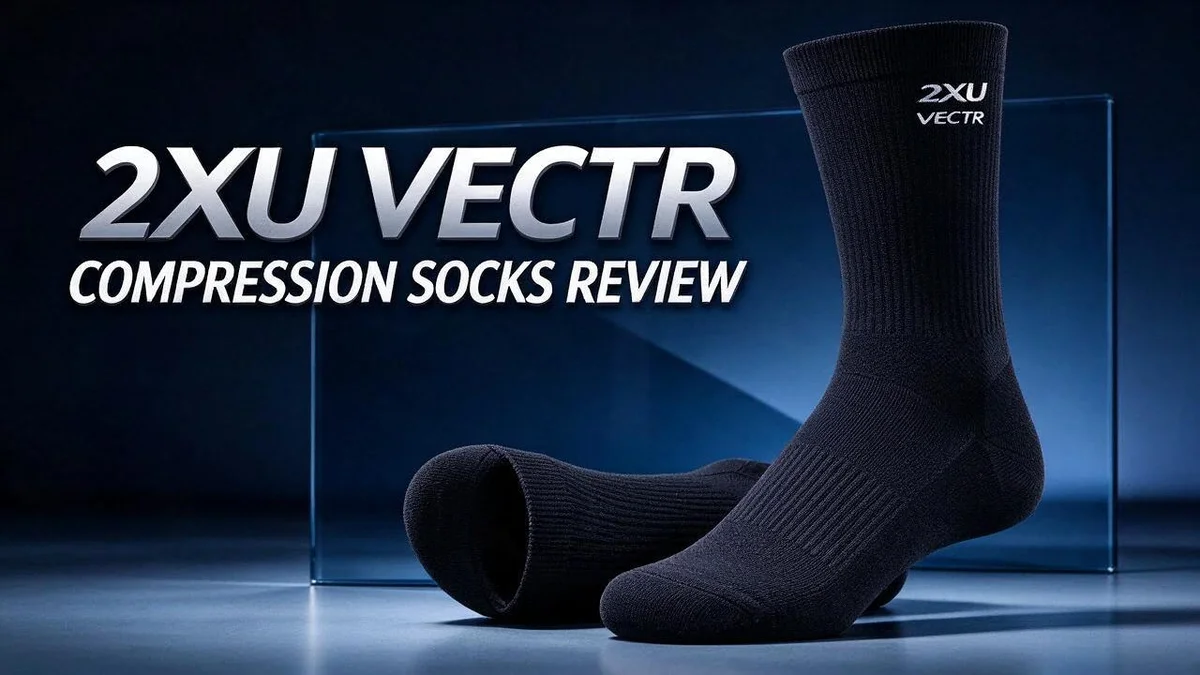
2XU Vectr Compression Socks Review: Support, Cushioning and Fit Tested
Do your feet feel tired after every run? The 2XU Vectr compression socks aim to fix that.
These socks use an anatomical design that hugs your foot. The X-LOCK support system adds a snug hold around your arch.
Vectr socks also support the plantar fascia. That helps your feet feel steady mile after mile.
The Ultralight No Show offers 1.25mm cushioning and COOLMAX® EcoMade cooling.
The Cushion No Show offers 3.25mm cushioning and zoned mesh ventilation.
In this review, we cover the features, the strengths, and the limits. You will learn which Vectr sock fits your run best.
In a Nutshell
-
X-LOCK support system: Every Vectr model uses it to keep the sock steady on your foot. Arch support comes built in.
-
Durable and fresh: The antibacterial fabric helps fight odor. Testers describe the build as long lasting.
-
Recovery help: One tester said a similar 2XU compression sock helped her recovery after hard sessions. Results vary from person to person.
-
Choose by your run: The Cushion No Show has a seamless toe that cuts rubbing. The Ultralight No Show has anti abrasion protection for lighter, cooler miles.
-
Extra visibility: The Vectr Reflective Crew adds reflective details. This helps early morning and evening runners.
-
Know the limits: An older 2XU compression sock review noted little breathability and padding. That was not a Vectr model, so check the cushioning level before you buy. Runners who want thin, high rise socks may need to compare other options.
Fabric and Construction
Good fabric matters just as much as fit. Your socks touch your skin on every mile, so the material must work with your body. The Vectr range is built with that goal in mind.
The knit creates the compression feel. Compression socks rely on a knit that applies steady pressure. A well made knit keeps that pressure even across your foot and ankle.
The no show cut sits low on your ankle. This shape keeps the top of the sock hidden inside your shoe. Many runners prefer this clean line because nothing peeks out above the shoe.
Stretch helps the sock stay put. Good elasticity lets a compression sock move with your foot instead of sliding down. This matters most when your stride lengthens late in a run.
Care keeps the build strong. Wash your socks in cool water and let them air dry. Heat and harsh detergent can weaken elastic over time. Gentle care helps the fabric last longer.
Fit checks matter before you run. Pull the sock on and smooth out any wrinkles. Check that the heel sits snug and the toe has room to move. A quick test at home can save you from blisters on the road.
Layering changes the fit. Thick running socks can make compression feel tight in the wrong spots. Wear the sock you plan to race in during a short practice run. This shows you how the fabric feels under your own stride.
Think about your daily routine. Choose the build that matches your training. Runners who log long miles may value a sock that stays in place. Shorter sessions may call for a lighter feel instead.

- FULL LENGTH COMPRESSION SUPPORT – Designed for runners and athletes, these 2XU Vectr Light Cushion...
- LIGHT CUSHION COMFORT – Light underfoot cushioning helps provide comfort without unnecessary bulk...
Last update on 2026-10-24 / Affiliate links / Images from Amazon Product Advertising API
Support and Compression Performance
Good support feels different from simple comfort. Compression means a light squeeze around your ankle and calf. This steady pressure may help your legs feel lighter on longer runs.
The pressure should never feel painful or pinch. Most good socks start firm at the ankle.
They ease off as they move up the leg. This pattern helps blood move back up to your heart.
Your arch matters too. A sock that supports the arch can spread load across the foot. That helps your feet feel steady when the pace picks up or the road turns uneven.
Stability is a big part of performance. When your foot stays calm, you waste less energy. You can focus on your stride instead of adjusting your sock every few miles.
Long runs test support the most. As fatigue builds, your form can slip. Steady pressure may help your legs feel more controlled late in the run.
How do you know the support works? Pay attention to how your legs feel the next morning. Less heaviness and less soreness are good signs. Track these changes across several runs, not just one.
Try them on after a warm up jog. Your feet swell a little during activity, so this shows how the sock feels in real motion.
Support also depends on the right size. A pair that is too loose loses its grip. One that is too tight can cause discomfort. Check the size chart before you run.
Be realistic about results. Compression supports your legs, but it does not replace rest or good training. Think of it as one helpful tool in your routine.
Cushioning Levels and Model Options
Cushioning is the biggest difference between the no show models. The Vectr Ultralight No Show offers 1.25mm of padding. It feels light and close to the foot.
The Vectr Cushion No Show adds more padding at 3.25mm. That extra layer softens each stride. Runners who log many miles on hard pavement may prefer this thicker feel.
Think about your running routine first. Short, quick sessions often suit the lighter option. Longer weekly mileage usually calls for extra cushion, so the thicker model can feel more comfortable late in a run.
Both models share the same anatomical shape. That means the sock follows your foot closely, whichever padding level you choose. Your fit stays consistent when you switch between them.
The Vectr Reflective Crew follows a different path. It uses a taller crew cut, so it suits runners who want more coverage above the ankle. Think about where you need coverage before you decide.
Padding also changes how the sock feels inside a shoe. A thicker layer fills more space inside a snug shoe. A thinner layer keeps the fit closer to bare skin, which some runners prefer.
Consider your running shoes too. If your shoes already have plenty of cushion, the lighter Ultralight model may balance the feel better. Less padding on top of a cushioned shoe can prevent that squeezed feeling.
Try each option during a normal run. Notice where the padding feels thin or bulky. Start with the model that matches your usual distance. You can always switch later once you learn what feels right for your feet. Keep notes on how each pair feels after a long run.
Top 3 Alternatives
Looking for a new pair of compression socks? These three options cover different needs, so you can find the right fit.
CEP Run Socks

- Targeted Compression for Arch, Ankle & Achilles Support – Eases foot fatigue and relieves plantar...
- Blister Prevention & Anatomical Fit – Ideal for runners, athletes, and active individuals, these...
Last update on 2026-10-24 / Affiliate links / Images from Amazon Product Advertising API
Runners who want steady support often choose CEP Run Socks. They use graduated compression that hugs the calf and ankle. Many runners wear them for long training runs and race days.
The snug fit can help you feel more secure on hard miles. Breathable fabric also keeps your feet cool. Look for a pair that matches your shoe size and your running routine.
Physix Gear Sport

- Experience Superior Comfort: Our calcetines de compresion provide unparalleled support for all-day...
- Unleash Your Full Potential: Whether for sports or work, these sock compression socks are designed...
Last update on 2026-10-24 / Affiliate links / Images from Amazon Product Advertising API
Physix Gear Sport socks suit people who train hard across many activities. They offer graduated compression with a snug, supportive fit. Many athletes wear them after workouts to support recovery.
You can wear them for running, cycling, or gym sessions. Many versions include extra cushioning for long days on your feet. Choose a size based on your calf measurement for the best results.
Sockwell Circulator Socks

- RECOMMENDED FOR: All day/everyday wear, flying and travel, prolonged sitting or standing, exercise...
- 4 ZONES OF MODERATE (15-20 mmHg) GRADUATED COMPRESSION: Helps to minimize swelling and reduce...
Last update on 2026-10-24 / Affiliate links / Images from Amazon Product Advertising API
Everyday wearers may prefer Sockwell Circulator Socks. They provide mild compression that feels gentle all day long. This makes them a good pick for long flights, desk work, or standing shifts.
Many people wear them to reduce leg tiredness during busy days. The soft fabric suits sensitive skin. Pick these if you want comfort more than intense support.
Fit and Sizing
Measure your foot first. Stand on a sheet of paper and trace your heel and longest toe. Measure the length in centimeters, then match it to the size chart.
Calf size matters too. Wrap a soft tape around the widest part of your calf. Compression socks work best when the calf measurement matches the chart, not just your shoe size.
Check the toe area next. Your toes need gentle room without touching the end. If they press against the tip, the sock may feel short and bunch up.
Watch the heel pocket closely. The heel should sit snugly in the back of the sock. A loose heel can slip out of place and cause rubbing during long miles.
Foot width changes the fit as well. A narrow foot in a wide sock often creates folds across the arch. A wide foot in a narrow sock can feel squeezed across the top.
Feet tend to swell during the day. Many runners notice their feet feel slightly larger by evening. If you usually run later, measure your feet at that time.
Sizes do not always match between brands. Always check the chart before you order. Even a size you know well may fit differently in a new model.
Finally, think about your typical distance. Shorter sessions may feel comfortable with a little extra room. Longer runs usually reward a closer, secure fit that stays in place.
Keep a short note of your results. Write down your size and how the sock felt after each run. This record helps you choose the right size for future pairs and takes the guesswork out of sizing.
Breathability and Odor Control
Breathability decides how comfortable your feet feel on warm runs. Sweat that stays trapped can cause odor and irritation. The right fabric helps moisture move away from your skin.
The Vectr Cushion No Show uses zoned mesh ventilation. Mesh panels let air flow through the sock. These vents work best where feet heat up fastest.
The Vectr Ultralight No Show features COOLMAX EcoMade cooling. This fabric pulls sweat away from the foot. Its thinner 1.25mm build also feels lighter in summer heat.
Odor control comes from the antibacterial fabric. Bacteria cause most of the smell after a run. Fabric that resists bacteria can keep socks fresher between wears.
Some reviewers have raised concerns about breathability. A 2015 review of a different compression sock noted little breathability and padding. That sock is not a Vectr model, so keep this in mind.
Runners who sweat heavily should test each pair on a warm day. Notice whether your feet feel damp or itchy after a few miles. Rotating two pairs also gives each sock time to dry fully.
A Reddit thread asks for thin high rise running socks. That request shows that many runners want airy options. If the Vectr feels too warm, lighter alternatives may suit you better.
Breathable fabric also matters for heavy sweaters in humid weather. Humid air slows drying, so moisture lingers longer. Choose the lightest pair you feel comfortable wearing.
Check the sock after each run for dampness. Damp fabric is a sign that airflow is limited. Switching to a drier pair can keep your feet cooler. Your feet will thank you on the next run.
Durability and Care
Good care keeps your socks working longer. Compression socks lose their snug feel when they face heat and harsh detergents. Simple habits protect the fabric and the support.
Reviewers often call the Vectr line durable. Its snug, anatomical fit stays firm through regular use. Good care protects that strength.
Wash your socks in cold water. Use a gentle cycle and a mild detergent. Turn them inside out before washing so the outer surface stays smooth. Skip fabric softener, because it coats the fibers and reduces stretch. Use a mesh laundry bag for extra protection. It keeps zippers and rough surfaces away from the knit.
Air drying works best. High heat from a dryer can weaken elastic fibers over time. Lay the socks flat or hang them away from direct sunlight. Hang them to dry in a shaded spot. Never wring them hard, since twisting can stretch the knit out of shape.
Rotation helps too. Owning two pairs lets each one rest between runs. The elastic recovers its shape when it has time to dry fully. This also spreads out wear across your collection.
Inspect your socks every few weeks. Set a reminder on your phone to check them. Look for thin spots at the heel and toe. Check for loose stitching or fraying near the cuff. Notice if the sock slides down during a run, because that often signals worn elastic.
Durable fabric lasts longer with gentle handling. Strong construction gives you many runs, but nothing lasts forever. Replace your socks when the support feels weak or the fit changes. Your legs deserve consistent pressure from a sock that still performs.
Pros and Cons
Pros
- The snug fit gives you steady support during long runs.
- The arch and plantar fascia support helps keep your foot stable.
- One tester reported that the socks helped their recovery after hard workouts.
- The Vectr Reflective Crew adds visibility for early morning or evening runs.
Cons
- The padding can feel thin for runners who want extra cushion.
- The most critical concern in the research comes from a different sock, so results may vary.
- Some runners may need to try a few sizes to find the right feel.
Who Should Buy It
These socks suit runners who want a close and supportive feel. They also fit people who dislike loose fabric bunching under the foot. They suit anyone who likes gear to stay in place from start to finish.
Anyone training for a race can benefit from gear that stays put. Consistent training weeks ask a lot from your legs, so a steady fit helps you focus on your pace and form instead of adjusting your socks mid run.
Beginners building up their weekly mileage may also like this style. A simple, clean design lets you learn how your feet respond before you add longer runs.
Walkers and gym goers make a good match too. Those who spend long days on their feet may enjoy the close feel during shorter workouts and errands.
Runners who dislike bulky socks often prefer a low profile cut. The No Show style sits low inside most running shoes, so the look stays clean and neat.
Anyone who trains in cool mornings or evenings may feel most at home with these socks. Mild air keeps the fabric feeling light, so the close fit stays comfortable for the whole run.
Anyone new to compression should start with short runs. Wear the pair on easy jogs first, then move to longer routes once you feel fully comfortable.
Shoppers who want a dependable everyday option can rely on these socks. They suit many runners who want a clear, supportive choice without guessing.
Final Verdict
The 2XU Vectr line earns a confident recommendation from me. It gives runners a secure feel, a clean look, and a sturdy build. Most people will find a model that suits them.
The anatomical design stands out as the best feature. It shapes the sock to your foot and keeps it from shifting.
Model choice matters most. The Ultralight No Show suits runners who prefer a light feel. The Cushion No Show suits runners who want more comfort underfoot.
The antibacterial fabric is a quiet bonus. It helps socks stay fresher between washes, which matters if you run often.
The research does have limits. It offers no lab tests of the Vectr line, so most findings come from reviews and product details. Treat this verdict as an informed opinion, not a lab result.
I would also like to see more rival comparisons. The research names no direct competitors, so I cannot rank the Vectr against them.
Fit and comfort stay personal. Your foot shape, shoes, and running style all play a part. A sock that works for a friend may feel different on you.
Here is my simple advice. Pick the model that matches your usual run. Wear it for a few sessions. Then decide if you want more pairs.
Bottom line: The Vectr socks are a smart, dependable choice for runners who value support and a stable fit. They will not solve every foot problem. They do cover the basics very well, and that is what most runners need.
Frequently Asked Questions
How do I wash my 2XU Vectr socks?
Wash them inside out in cold water with a mild detergent. Skip fabric softener, because it can coat the fibers and reduce their stretch. A gentle cycle helps the socks keep their snug feel for longer, and a small mesh bag can protect them from snagging in the wash.
Should I check with a doctor before wearing compression socks?
Yes, it is smart to ask first. People with circulation problems, diabetes, or skin issues on their legs should talk with a doctor before they start. A doctor can confirm whether compression suits your health needs, and your doctor’s advice always comes first.
Can I wear these socks on long days on my feet?
Many people stand or walk for hours at work, and the snug fit may feel good on those days. The arch support can also help some people feel more stable during a long shift. The research does not test long workdays, so pay attention to how your feet feel after the first few uses.
What does the No Show name mean?
A No Show sock sits low at the ankle, so it stays out of sight in most shoes. This cut suits people who want a clean look without a bulky sock peeking out. Check the sock height on the product page before you buy, so you know exactly what to expect.