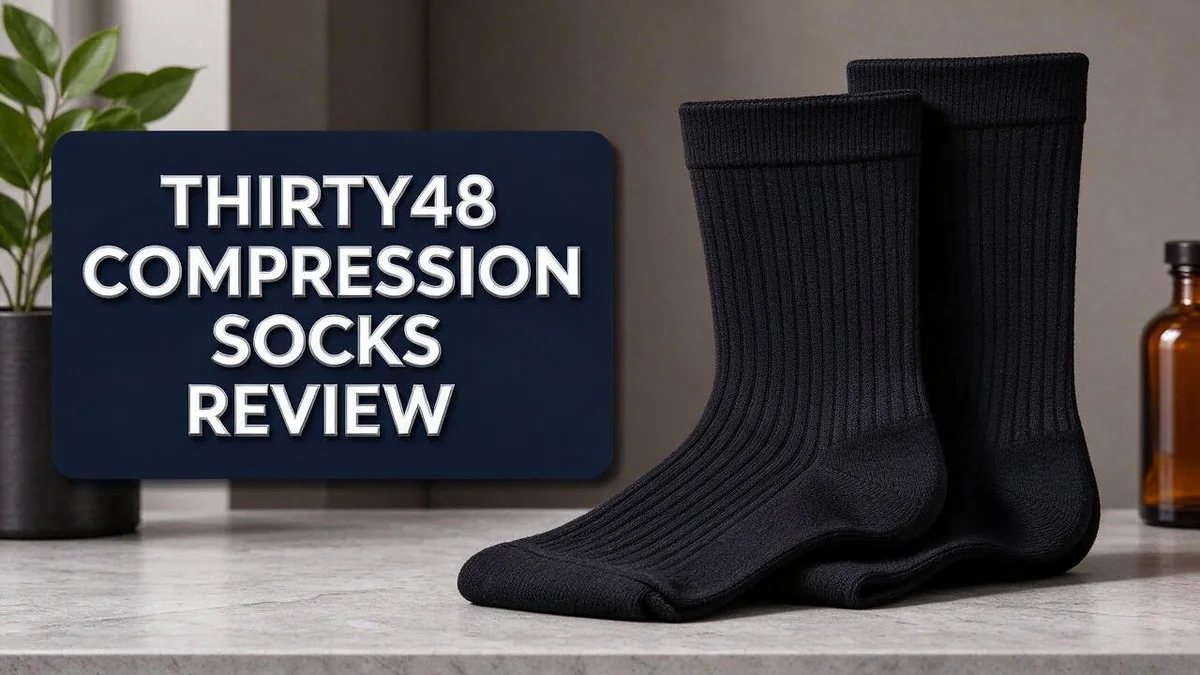
Thirty48 Compression Socks Review: Do They Really Support Circulation and Comfort?
Tired legs can ruin a good day. Long shifts, hard runs, and travel all take a toll. Thirty48 compression socks promise a simple fix.
This review looks at how they work and who they suit. The brand offers Elite Compression Socks, calf sleeves, and plantar fasciitis ankle socks.
The socks use graduated 20 to 30 mmHg compression. The nylon and Lycra spandex blend hugs your leg and stretches with you. The Catalyst AF Design on the sleeves aims to boost airflow.
Amazon shoppers rate them around 4.1 to 4.2 stars across hundreds of reviews. Users mention a soft feel and a good fit.
Let’s see if they deserve a spot in your drawer.
In a Nutshell
- Three product lines: Thirty48 offers Elite Compression Socks, Calf Sleeves, and a plantar fasciitis ankle sock. The Elite line works for both men and women.
- Soft fabric blend: The socks use a nylon and Lycra spandex mix. One blog reviewer describes the feel as soft with a good fit.
- Fresh feel: The listing says the fabric is moisture wicking and odor resistant. That helps during long runs and busy workdays.
- Airflow design: The sleeves use Catalyst AF Design. The brand says this design creates airflow to support circulation.
- Open questions: The research found no stated cons. It also found no details on the full range, so check the sizing chart before you choose a pair.
- Other options: Shoppers also mention Bomba’s, copper compression, and basic ACE bandages. Thirty48 stands out with its running and recovery focus.
Compression Level and Graduated Support
Compression level tells you how firmly a sock hugs your leg. The measure is called mmHg, which stands for millimeters of mercury. Higher numbers mean more pressure.
The Thirty48 socks use graduated support. This means the pressure is strongest at the ankle. It then eases off as it moves up the calf. Your blood gets a gentle push back to the heart.
Why does this matter? Blood can pool in the lower legs after hours of sitting or standing. Graduated pressure helps move that blood upward. Many people say their legs feel lighter by evening.
Who benefits most? People on their feet all day often like this level of support. Runners, nurses, and travelers may also find it helpful. Anyone with a medical condition should check with a doctor first.
Choosing the right level comes down to your needs. Light pressure suits everyday comfort. Firmer pressure may suit people who need extra support.
The plantar fasciitis ankle sock also sits in this range, so foot pain sufferers may want to look closer.
Fit matters as much as pressure. Socks that are too tight can restrict blood flow. Measure your ankle and calf before you order. Compare those numbers with the brand size chart.
Pull them on in the morning. Compression works best when your legs are fresh. Smooth the fabric flat before you stand up. Wrinkles can create pressure spots that feel uncomfortable.
Overall, the graduated design suits people who want steady support. It works well for daily wear. Give them a few days and notice how your legs feel by evening. Keep a short note of how your legs feel each day.

- Made with 57% nylon, 25% lycra spandex, and 18% nylon. This high quality material blend ensures...
- PREVENTS INJURIES & IMPROVES RECOVERY: Lower leg pain and leg cramps are the leading cause of...
Last update on 2026-10-24 / Affiliate links / Images from Amazon Product Advertising API
Material and Fabric Quality
Fabric plays a big role in how a sock feels after a long shift. Good material keeps you comfortable from morning to night. It also helps the sock keep its shape over time.
Stretch that springs back matters most. A sock that stretches but never recovers will sag by lunchtime. Compression only works when the fabric grips evenly. Check how the sock feels when you pull it on. It should hug your leg without digging in.
Think about breathability too. Your feet and calves warm up during the day. Thin, well knit fabric lets heat escape. Thick knits can trap warmth and make legs feel heavy.
Knit density also changes the experience. A tighter knit often feels smoother under shoes. It can also resist snags from rough shoe edges or pet claws. A looser knit may feel airy but wear out sooner.
Seams and reinforced areas deserve a look. Toes and heels take the most rubbing. Flat or smooth seams reduce irritation. Extra thickness in these spots can add durability without making the whole sock bulky.
Surface texture matters too. Smooth fabric slides easily into shoes. Pilling appears when fibers rub together too often.
Care habits protect the fabric. Hot water and high heat dryers break down elastic fibers. Cool or lukewarm washing and air drying help socks last longer. Turn them inside out before washing to protect the surface.
Sizing and fabric go hand in hand. Fabric that stretches too much may lose pressure fast. Fabric that stretches too little can feel tight in the calf. Measure your calf and ankle before choosing a size.
Overall, good fabric supports both comfort and performance. Look for stretch recovery, breathable knits, and smooth seams. Then care for them well so they keep working for months.
Fit, Sizing and Comfort
Getting the right fit starts with a simple measurement. Wrap a soft tape around the widest part of your calf. Then measure around your ankle. Write down both numbers before you shop.
Compare your numbers with the size chart on the product page. Every brand cuts its socks a little differently, so never guess based on your shoe size. If your measurements fall between two sizes, pick the size that matches your calf first.
Next, check how the sock feels on your foot. The heel should sit snugly in place. The toes should have room to move without pinching. A sock that slides down your leg needs a smaller size or a different style.
Comfort depends on more than the number on the label. Your body shape, leg length, and daily routine all matter. Someone who stands on hard floors may need a firmer feel than someone who sits at a desk. Pay attention to how the top band feels around your leg.
Take a short walk test. Put the socks on and move around your home for ten minutes. Notice any tingling, numbness, or dents that stay on your skin. Mild pressure is normal, but pain or discomfort means you should try a different size.
Calf sleeves follow the same logic. Measure only the calf, and make sure the top edge does not dig into the skin. Shoes matter too. Try the socks with the shoes you wear most, because a snug shoe can make a sock feel tighter than it is.
Finally, remember that some people need extra care. If you have diabetes, vein problems, or skin issues, talk with your doctor before you start. A quick chat can save you from discomfort later.
Top 3 Alternatives
Physix Gear Compression Socks

- Experience Superior Comfort: Our calcetines de compresion provide unparalleled support for all-day...
- Unleash Your Full Potential: Whether for sports or work, these sock compression socks are designed...
Last update on 2026-10-24 / Affiliate links / Images from Amazon Product Advertising API
Physix Gear Compression Socks give a snug fit that many people enjoy. They use graduated pressure that helps blood flow back up the legs. The fabric feels soft and breathable, so your feet stay cool during long days. Many buyers like the wide range of colors and sizes. If you stand at a desk or walk a lot, these socks are a great place to start.
CEP Run Socks

- Targeted Compression for Arch, Ankle & Achilles Support – Eases foot fatigue and relieves plantar...
- Blister Prevention & Anatomical Fit – Ideal for runners, athletes, and active individuals, these...
Last update on 2026-10-24 / Affiliate links / Images from Amazon Product Advertising API
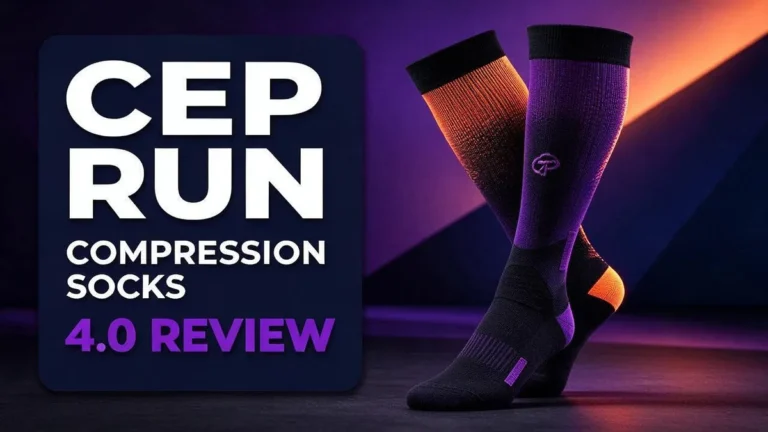
CEP Run Socks are made for people who spend hours on their feet. They offer targeted support around the calves and arches. The cushioned sole absorbs impact on hard pavement, which helps reduce fatigue. Many runners say the fit stays in place during long workouts. You can also wear them for hiking, gym sessions, or busy travel days.
Sockwell Elevate Socks

- Moderate compression supports circulation with a barely-there ultra light cushion.
- Built-in arch support, welt top with tab, and breather panel enhance performance.
Last update on 2026-10-24 / Affiliate links / Images from Amazon Product Advertising API
Sockwell Elevate Socks focus on everyday comfort. They provide gentle compression that feels light on the legs. The seamless toe area reduces rubbing, which can help prevent blisters. These socks suit people who sit or stand for most of the day. They also work well on flights, since they help reduce swelling during long trips.
Product Lines: Elite Socks, Calf Sleeves and Plantar Fasciitis Socks
Thirty48 offers three main product lines. Each one serves a different need. Knowing your goal first makes the choice much easier.
Elite Compression Socks are the full length option. They suit both men and women, so the whole household can share one brand. This line works well for people who stay on their feet for long hours.
Calf Sleeves take a lighter approach. They cover only the lower leg, leaving your foot bare inside your shoe. Many people like this freedom in warm weather or during a workout.
The sleeves also use the Catalyst AF Design, which the brand says creates airflow around the leg. Better airflow may help the skin feel cooler during long days.
Plantar Fasciitis Socks focus on the foot and ankle. They sit in the same 20 to 30 mmHg range as the other products. People with heel or arch pain often look for this kind of targeted design.
Quick tip: Think about where you feel tired or sore. Leg fatigue points toward the elite socks or sleeves. Heel discomfort points toward the plantar pair.
Some people mix and match. You might wear sleeves on training days and full socks at the office. This approach gives you flexibility without buying the same item twice.
Shoppers rate the products between 4.1 and 4.2 stars on Amazon. Hundreds of reviews support those scores, which suggests steady satisfaction across the lines.
Start with your main pain point. Then pick the line that fits your daily routine best.
Moisture-Wicking and Odor Resistance
Sweaty feet and tired legs often go together. Moisture wicking fabric pulls sweat away from your skin. Thirty48 says its socks use a nylon and Lycra spandex blend that does this job.
Wet skin holds heat and friction. Dry skin feels calmer after hours on your feet. Dry skin also feels smoother and less irritated. That is why wicking matters for daily comfort.
Odor starts when bacteria feed on sweat. Less moisture means fewer chances for that smell to build up. Thirty48 lists its socks as odor resistant, which helps on busy days.
Here is a simple test you can run at home. Wear one pair for a full day, then check your feet at night. Notice whether they feel damp or fresh.
Rotate two or three pairs each week. Each pair gets time to dry and recover between wears. Your feet also get clean, fresh support on most days.
Shoe choice matters too. Damp shoes trap moisture even when socks wick well. Let your shoes air out after each wear. This small habit helps your socks work better.
Many people with sweaty feet still find real relief from a good sock. Results vary by body type, activity level, and climate. Track your own experience for one week before you decide.
Sweat levels change with the seasons. Summer heat and busy workdays can make feet damp faster. Pack a spare pair in your bag for those long days.
Pay attention to your skin as well. Redness, itching, or a strong smell may signal a need for change. Check with a doctor if problems continue. Small steps often bring the biggest changes.
Value for Money and Customer Ratings
Customer ratings give a quick look at how people feel about Thirty48 compression socks. Shoppers rate the products between 4.1 and 4.2 stars on Amazon. That score comes from a large group of buyers, so it offers a useful starting point.
The number of reviews also matters. Depending on the region, the products have between 522 and 763 reviews. A higher count often means more people shared their experience, which gives you a clearer picture.
Stars tell only part of the story. Read the written comments to learn why people liked or disliked a product. Look for mentions of comfort, grip, and how the socks held up after several washes.
Many reviewers focus on feel. A blog reviewer described the socks as soft and well fitting. Soft fabric matters because compression socks often stay on for hours, so comfort can make daily use easier.
Check the newest reviews first. Older feedback may describe an earlier version of the product. Recent comments show how the socks perform today.
The research did not list any complaints about these socks. That does not mean every buyer felt happy. Scan a few low star ratings yourself so you know what to expect.
Try this simple method. Read five positive reviews and five critical ones. Notice patterns, such as repeated comments about sizing or stretch. If the same issue appears again and again, it deserves your attention.
Ratings work best as a guide, not a final answer. Pair them with your own needs. Think about how long you stand or how your legs feel after a long day.
A high rating from people with similar daily habits often means more to you. That kind of match tells you more than an overall average.
Pros and Cons
Pros
- Moisture wicking fabric helps keep feet drier.
- The listing says the socks resist odor.
- Graduated 20 to 30 mmHg compression supports the legs and feet.
- A nylon and Lycra spandex blend gives the socks stretch.
- Shoppers rate the products 4.1 to 4.2 stars on Amazon.
Cons
- The research lists no clear downsides, so long term feedback is limited.
- The airflow claim comes from the brand, not independent testing.
- Older reviews may describe an earlier version of the product.
- The full product range is not clear from the available information.
Who Should Buy It
Thirty48 compression socks suit people who spend long hours on their feet. Nurses, retail workers, and teachers often feel heavy legs by evening. A graduated fit may help those days feel lighter.
Travelers also make good candidates. Long flights and road trips keep legs still for hours. Wearing these socks during travel may ease that heavy feeling.
Active people can find a fit too. Runners and gym goers may enjoy the stretch from the spandex blend during workouts. Calf sleeves from the same brand suit people who want leg support without covering the foot.
Office workers who sit for most of the day can benefit as well. Long periods at a desk may cause legs to feel tired or stiff. Compression socks offer steady, gentle support during those long afternoons.
Some buyers should speak with a doctor first. People with circulation conditions, diabetes, or skin problems should ask a healthcare provider before starting compression. This step keeps your choice safe.
Pregnant women should always check with their doctor before buying any compression product. Many doctors approve gentle support, but they know your health best.
Sizing matters for every buyer. Measure your ankles and calves before ordering. A snug fit that feels comfortable gives the best results, while a loose sock loses its purpose.
Gift shoppers have a simple option too. Many people wish for better leg comfort but never buy it themselves. A pair of these socks makes a useful, thoughtful present for a parent or coworker.
Anyone who wants a simple daily routine can add these socks to their drawer. Wear them on busy days, then rest them on quiet days.
Final Verdict
Thirty48 compression socks make a solid pick for daily leg support. The brand keeps its focus on comfort and everyday wear. Overall, they look like a smart choice for most shoppers.
The best part is the balance. The socks give firm support without feeling harsh. That mix matters when you wear them for hours.
Choose the line that matches your goal. The Elite socks work for general use. The calf sleeves suit workouts and runs. The plantar fasciitis ankle socks fit people who need targeted foot support.
Name your main need first. Then pick the product that fits it. This step helps you avoid returns.
Think about your routine as well. A pair that fits your day gets worn more often. Regular use is what brings the real benefit. A great sock in a drawer helps nobody. Rotate two or three pairs through the week.
Keep your expectations realistic. Compression socks add comfort. They do not replace medical care. If you have a health condition, talk to your doctor first.
Test your pair with a full day of wear. Notice how your legs feel by evening. Check the seams and the top band too. Then decide whether to keep them.
Compared with basic elastic bandages, socks are easier to wear. A bandage slips and needs rewrapping. A sock stays put. Shoppers also mention Bomba’s and copper compression brands, so a quick look at those can help you compare.
Our verdict: Thirty48 earns a recommendation. The socks look comfortable, practical, and easy to use. We suggest them to anyone who wants simple, dependable leg support. Pick the right line, check your size, and give them a fair trial.
Frequently Asked Questions
How do I put on compression socks with less effort?
Start by turning the sock inside out, down to the heel. Slip your foot in, then slowly roll the fabric up your leg. Smooth out any wrinkles as you go. Folds can press into the skin and feel uncomfortable.
When is the best time to wear them?
Many people put them on in the morning, before leg fatigue builds up during the day. Wear them through the day, then take them off at night. If your feet feel numb or tingly, remove them right away.
How do I wash them so they keep their stretch?
Check the care label first. Hand washing in cool water is a gentle choice for most fabrics. Air dry them flat. Avoid high heat, since it can weaken the stretch over time.
Can I wear them during workouts?
The listing mentions running socks, so they may suit light runs or brisk walks. Compression can feel different during intense training. Try a short session first to see how they feel on your legs and feet.