HOKA Skyline-Float X Review: Hiking Shoe Analysis
Looking for a shoe that handles rough trails with ease? The HOKA Skyline Float X might catch your eye.
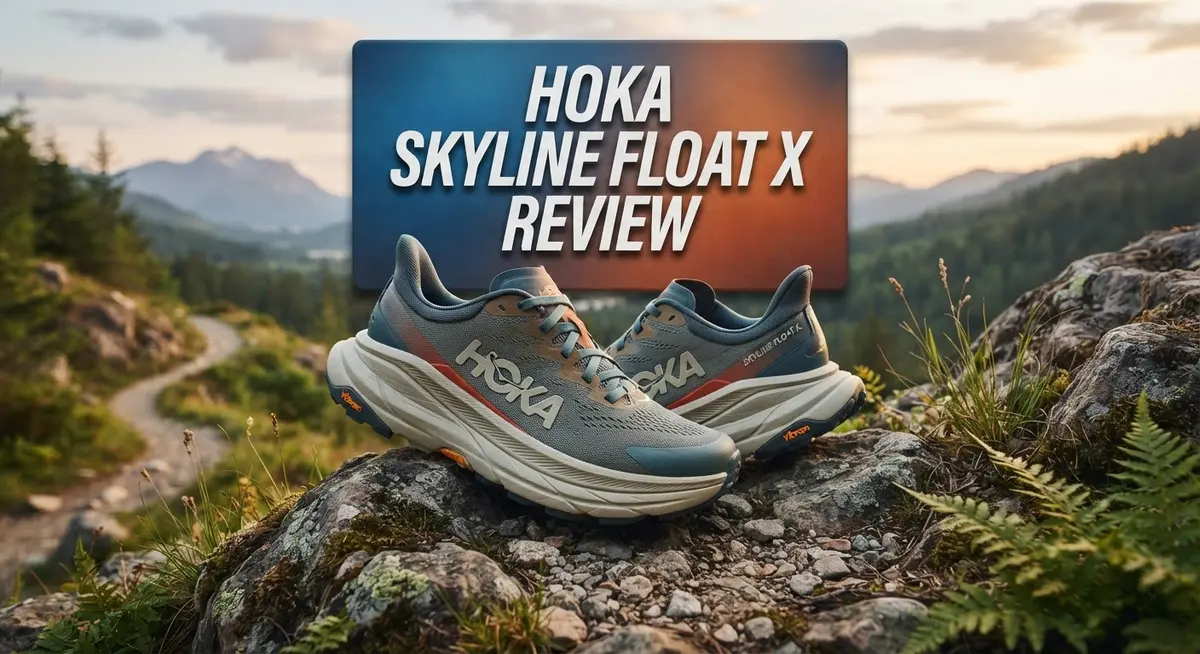
This shoe brings a fresh mix of comfort and grip. It uses a one-piece knit upper and a sugarcane based midsole. Both parts work together for a smooth ride.
The Pebax plate adds spring to each step. Hikers get a responsive feel on long trails. The Vibram outsole grips rocky paths with confidence.
Many users love the stable and protective cushioning. Others feel the fit runs narrow. This mix of praise and concern makes it worth a closer look.
In this review, we break down what works and what does not. You will learn about sizing, comfort, and performance in different climates. By the end, you will know if this shoe fits your hiking needs.
In a Nutshell
Here’s the quick rundown on the HOKA Skyline Float X before you decide:
-
The one-piece knit upper wraps your foot snugly. It feels supportive without extra seams rubbing.
-
A 30% sugarcane EVA midsole gives a firmer, low-profile feel. This design suits rocky trails better than soft, bouncy paths.
-
The SwallowTail heel and Vibram XS Trek outsole grip well on uneven ground. Traction stays solid even on loose rocks.
-
Fit runs true to size, but some hikers find the toe box narrow. Wide-footed walkers might want to size up.
-
This shoe performs best in dry conditions. Cold or wet weather can make the midsole stiffen up.
-
Reviews are mixed across platforms, with some users rating it low. Still, many trail runners praise its stability and propulsion.
-
Compared to the HOKA Speedgoat 5, this model offers more cushion. The Teva Grandview GTX Low gives more room inside.
Overall, it is a solid pick for dry, rugged trails if you like a firm, protective ride.
Build and Materials
The HOKA Skyline Float X uses a one-piece engineered knit upper that fits snugly around your foot. This design keeps everything in place during movement and reduces excess fabric that could cause rubbing.
Underneath sits a dual-density 30% sugarcane EVA midsole. This material choice makes the shoe firmer than many competitors. You get a low-profile cushion bed that feels responsive without too much softness. The firmer design means your foot stays closer to the ground, giving you better trail feedback.
The Pebax plate is where things get interesting. Made with 89% castor oil-based material, this plate adds spring and propulsion to your stride. It works with the midsole to create a smooth heel-to-toe rolling motion. You’ll notice this especially on longer hikes when your feet start to fatigue.
The heel features HOKA’s SwallowTail technology. This design wraps around your heel for extra security and protection. Combined with the Vibram XS Trek outsole, you get serious grip on rocky and uneven surfaces. The outsole bites into terrain without feeling overly aggressive on packed trails.
One practical feature is the removable insole. You can swap it out if you prefer custom orthotics or want to adjust cushioning levels. This flexibility helps different foot types find their comfort zone.
The build quality feels solid overall. Materials are durable enough for serious trail use. However, the shoe does feel stiffer in cold conditions. The midsole doesn’t compress as much when temperatures drop, which some hikers notice right away.
The narrow toe box is worth mentioning here. Several users report the front feels snug. If you have wider feet or prefer roomy shoes, this could be a concern. The shoe performs best when you wear proper hiking socks that don’t bunch up.
Build wise, the Skyline Float X prioritizes stability and ground connection over plush comfort. This approach works well for technical terrain and longer distances on dry trails. The materials feel premium, but the overall design leans toward function over softness.

- Bouncy Support: Every step feels lighter, softer, and smoother with these slip-on shoes for men. The...
- Effortless Steps: The raised rocker sole design creates a smooth rolling motion that propels you...
Last update on 2026-10-24 / Affiliate links / Images from Amazon Product Advertising API
Cushioning and Support System
The Skyline Float X uses a dual-density midsole that separates this shoe from typical hiking footwear. The 30% sugarcane EVA base provides a firmer platform, which means your foot stays grounded on technical terrain.
What makes the cushioning work is the 89% castor oil-based Pebax plate. This material adds spring and propulsion without feeling bouncy or unstable. You get responsiveness paired with control, which matters when you’re navigating rocky paths or loose scree.
The low-profile cushion bed is intentional. HOKA designed it this way to keep you closer to the ground. This design choice helps with proprioception, or your foot’s sense of where it sits. You feel the trail beneath you more clearly than in heavily cushioned shoes.
The SwallowTail heel works alongside the midsole to manage impact. When your heel strikes the ground, this feature absorbs force and guides your foot smoothly into the next step. The heel-to-toe transition feels natural and efficient.
One thing to note: cold conditions affect midsole softness. The materials feel firmer when temperatures drop. If you hike in winter or early spring, expect less give in the cushioning. Warm weather hikes will feel slightly more forgiving.
The removable insole is a practical bonus. You can swap it for custom orthotics if needed, or simply clean it between hikes. This flexibility helps with comfort adjustments.
The support system prioritizes stability over plush comfort. The firmer materials keep your foot from rolling excessively, which protects your ankles on uneven ground. This approach works well for longer hikes where fatigue can compromise your form.
Some users report that the cushioning feels less soft than expected. This is by design, not a flaw. HOKA built the Skyline Float X for hikers who value ground feel and control. If you prefer maximum cushioning, this shoe may feel too firm. For dry trail hiking where stability matters most, the cushioning system delivers exactly what you need.
Fit and Sizing
The Skyline Float X fits true to size for most hikers, which means you should order your normal shoe size. This consistency makes the buying process straightforward. However, some users report a narrower toe box, so if you typically wear wide shoes, you may want to consider sizing up half a size.
The shoe works best for people with C to D width feet. If your feet fall outside this range, try them on before committing. The one-piece knit upper hugs your foot snugly without excess material. This design keeps your foot locked in place during steep descents.
The heel cup sits firm around your ankle. The SwallowTail technology anchors your heel without slipping. You won’t experience heel lift on rocky terrain or loose gravel. This stability matters when you’re hiking for hours.
The removable insole gives you flexibility. You can swap it out for custom orthotics if needed. This feature helps people with specific arch support requirements. The insole sits low in the shoe, maintaining that low-profile cushion feel.
Width wise, the shoe performs well for standard to slightly wider feet. The engineered knit upper stretches just enough to accommodate natural foot swelling during long hikes. Your foot won’t feel pinched after the first few miles.
Temperature affects how the shoe feels on your foot. In cold conditions, the midsole becomes firmer, which changes the overall fit sensation. The shoe may feel less forgiving underfoot. In warmer weather, the dual-density midsole softens slightly, improving comfort around your arch.
Break-in time is minimal. Most hikers report the shoe feels comfortable from day one. The knit upper doesn’t require a lengthy adjustment period. Your foot settles into the shoe quickly without hot spots or blisters.
For trail-specific fit, the narrow toe box keeps your toes from sliding forward on descents. This prevents toe jamming inside the shoe. The snug fit takes getting used to if you prefer roomy hiking boots. Once adapted, many hikers appreciate the secure, connected feeling the Skyline Float X provides on technical terrain.
Top 3 Alternatives
ASICS Gel-Nimbus

- Engineered knit upper: A lightweight, breathable knit material that reduces the need for additional...
- PureGEL technology: Softer, updated version of our GEL technology that maintains all the acclaimed...
Last update on 2026-10-24 / Affiliate links / Images from Amazon Product Advertising API
The ASICS Gel-Nimbus delivers maximum cushioning for runners who want soft landings. This shoe uses gel technology in both the heel and forefoot. You get a plush feel with every step you take.
The upper is breathable and fits most foot shapes well. The midsole absorbs impact effectively. Many runners appreciate the smooth ride on long distances. The shoe works best for easy runs and recovery days.
Brooks Ghost

- THIS MEN’S SHOE IS FOR: Everyday runners, walkers, and fitness enthusiasts who want the perfect...
- LIGHTWEIGHT & DYNAMIC CUSHIONING: Powered by nitrogen-infused DNA LOFT v3 foam for a soft...
Last update on 2026-10-24 / Affiliate links / Images from Amazon Product Advertising API
The Brooks Ghost offers balanced cushioning and responsiveness. This shoe sits between soft and firm, making it versatile for different running styles. The DNA v2 foam provides comfort without feeling sluggish.
The fit is roomy in the toe box. The heel counter keeps your foot stable. You can wear this shoe for daily training runs and tempo workouts. The rubber outsole is durable on various surfaces.
New Balance Fresh Foam

- FRESH FOAM CUSHIONING — Precision-engineered Fresh Foam midsole cushioning helps deliver a soft...
- ALL-DAY COMFORT — Designed for all-day wear and everyday running, this women’s shoe blends soft...

Last update on 2026-10-24 / Affiliate links / Images from Amazon Product Advertising API
The New Balance Fresh Foam gives you lightweight comfort with a modern feel. The Fresh Foam X midsole is soft yet responsive. This shoe handles both easy runs and faster paces.
The upper uses engineered mesh for breathability. The fit is snug without being tight. Many runners like how this shoe transitions smoothly from heel to toe. It works well for neutral runners seeking daily training shoes.
Each of these options provides different advantages. ASICS Gel-Nimbus excels in cushioning. Brooks Ghost balances comfort with performance. New Balance Fresh Foam combines lightness with support. Your choice depends on your running goals and foot preferences.
Traction and Terrain Performance
The Vibram XS Trek outsole is the real workhorse on this shoe. It grips rocky surfaces and loose gravel without slipping. You get confident footing on steep descents, which matters when you’re carrying a backpack down a mountain.
The outsole pattern uses smaller lugs spaced close together. This design keeps you planted on technical terrain. Rocky ridges and boulder fields feel stable underfoot. The grip holds up well on wet rock too, though the shoe performs better in dry conditions overall.
Ground feedback is something the Skyline Float X does well. The low-profile midsole lets you feel the trail beneath you. You sense rocks and roots before they become problems. This connection helps you adjust your foot placement naturally on uneven ground.
The 89% castor oil-based Pebax plate works with the outsole to manage different trail types. Hard-packed dirt trails feel responsive. Loose scree requires more attention, but the shoe doesn’t roll your ankle easily. The plate adds stiffness that prevents excessive foot flex on irregular surfaces.
Muddy trails are where this shoe shows a weakness. The lugs don’t shed mud as quickly as some competitors. Wet grass can feel slippery too. If you hike in consistently wet climates, this shoe might not be your best choice.
Ascending steep terrain is where the traction shines. The outsole grips well enough to push off powerfully. Your foot stays anchored as you climb. The heel design supports this motion without feeling awkward.
The SwallowTail heel feature works alongside the outsole to manage impact on descents. You land with control rather than sliding forward. This combination reduces strain on your knees during long downhill sections.
Rocky alpine terrain suits this shoe perfectly. Scree fields and talus slopes are manageable. The shoe’s propulsion system helps you move efficiently across technical ground. For dry, rugged trails with rocky terrain, the Skyline Float X delivers solid traction and stability. The outsole won’t let you down on challenging mountain paths where grip and ground connection matter most.
Real-World Hiking Experience
When you hit the trail with the Skyline Float X, the shoe responds to real hiking demands in meaningful ways. The responsive cushioning absorbs impact from rocky descents without feeling dead underfoot. Your feet stay connected to the ground, which matters when you’re navigating uneven terrain for hours.
The shoe shines on steep ascents. The Vibram XS Trek outsole grips well on uphill sections, especially on alpine rock. You’ll feel confident pushing harder without your foot sliding inside the shoe. The narrow toe box actually helps here by keeping your toes locked forward.
Descents tell a different story. The SwallowTail heel and dual-density midsole work together to control your landing. On loose scree, the shoe performs well. On muddy sections, traction drops noticeably. Wet vegetation is where this shoe shows real limits.
The low-profile cushion bed means you feel trail feedback directly. This is good for balance on technical terrain. It’s less good if you prefer a plush, isolated feel between your foot and the ground. Most hikers appreciate the ground connection on longer hikes because it keeps your proprioception sharp.
Over multiple hours of hiking, the shoe stays supportive. Your arch doesn’t collapse. Your heel stays centered in the cup. The removable insole lets you swap in custom support if needed, which is helpful on very long days.
One real-world issue: cold conditions soften the midsole less than you’d expect. If you hike in cold weather, the shoe feels slightly firmer and less forgiving. This matters on high-altitude trails where temperatures drop fast.
The one-piece engineered knit upper breathes well on warm days. It also dries reasonably fast after stream crossings, though the shoe works better in dry climates overall. Break-in time is minimal, so you can take it on a serious hike right away.
For day hikes and overnight trips on dry, rocky terrain, the Skyline Float X performs exactly as designed. It prioritizes stability and ground feel over cushioning comfort, and that choice works well in real conditions.
Pros and Cons
Pros
- Supportive and stable platform that keeps your foot locked in place on longer hikes
- Responsive cushioning with rugged forward propulsion on steep ascents
- Fits well for C to D width feet with true sizing that matches your normal shoe size
- Smooth heel to toe rolling motion with minimal break in time
- Protective cushioning that absorbs impact while keeping you connected to the trail
Cons
- Some users find the toe box narrow, which may feel snug if you have wider feet
- Muddy and wet trails expose a weakness since the shoe performs best in dry conditions
- Midsole cushioning feels less responsive in cold weather compared to warm climates
- Mixed customer feedback on comfort levels suggests the shoe works better for specific hiking styles
Who Should Buy It
The Skyline Float X works best for hikers who tackle dry, rocky terrain regularly. If your trails feature alpine paths and steep ascents, this shoe matches your needs perfectly. The responsive cushioning and rugged propulsion excel when you’re climbing uphill on technical ground.
You should buy this shoe if you hike for multiple hours without stopping. The supportive platform keeps your foot locked in place, which prevents fatigue during long days on the trail. The smooth heel to toe rolling motion means you spend less time breaking in the shoe and more time enjoying your hike.
Wide-footed hikers in the C to D width range find this shoe particularly comfortable. True sizing means you order your normal shoe size without guessing. The fit stays consistent across different width categories within that range.
This shoe suits day hikers and overnight trip adventurers equally well. You get protective cushioning that absorbs impact while keeping ground feedback sharp. That balance matters when you’re navigating unfamiliar terrain and need to feel what’s under your feet.
Skip this shoe if you frequently hike in muddy or wet conditions. The outsole and midsole perform best on dry ground. Wet trails expose real weaknesses in traction and responsiveness that other shoes handle better.
Cold weather hikers should know the midsole feels less responsive in freezing temperatures. The cushioning doesn’t soften as much as it does in warm climates. If you hike in winter or high altitude environments regularly, test this shoe in those conditions first.
The Skyline Float X is not for everyone with wider feet. Some users report the toe box feels snug, even within the C to D width range. If you have exceptionally wide feet or prefer roomy toe boxes, try the Teva Grandview GTX Low instead.
Ultimately, buy this shoe if you want a stable, responsive hiking boot for dry terrain and longer distances. The shoe delivers exactly what HOKA designed it to do. Your hiking style and climate determine whether this is the right choice for you.
Final Verdict
The HOKA Skyline Float X earns its place as a solid choice for hikers who know their terrain. It rewards trail runners and hikers who stick to dry paths and rocky climbs.
This shoe does not try to be everything for everyone. It focuses on stability and propulsion for a specific type of hiker.
Compared to the Teva Grandview GTX Low, the Skyline Float X offers less internal space but more targeted support. If foot room matters more to you, the Teva might fit your needs better.
Against the HOKA Speedgoat 5, this shoe brings extra cushioning and a more aggressive ride. The Speedgoat trades some cushion for a different feel underfoot.
Mixed customer reviews on some platforms remind us that fit varies from person to person. Your experience may differ based on your foot shape and hiking style.
The Vibram XS Trek outsole and Pebax plate work together to create a shoe built for serious trail demands. These materials show HOKA’s commitment to performance over basic comfort.
We recommend this shoe for hikers who value a locked in, responsive feel over plush softness. It suits those who prioritize function on challenging trails.
Think about your typical hiking environment before you decide. Dry, rocky trails bring out the best in this shoe’s design.
If you often face wet or muddy conditions, look elsewhere for better traction and grip. This shoe simply was not built with those environments in mind.
For the right hiker, the Skyline Float X delivers consistent performance mile after mile. It handles long days on the trail without losing its supportive structure.
Choose this shoe if your hiking matches its strengths. Skip it if your trails demand more versatility across different weather and terrain types.
Frequently Asked Questions
Does the HOKA Skyline Float X work for winter hiking?
The midsole feels less responsive when temperatures drop. Cold weather makes the cushioning firmer than it performs in warm conditions. If you hike mostly in freezing climates, this shoe may not feel as lively underfoot. Dry winter trails work better than icy or slushy paths.
What’s the difference between the Skyline Float X and the HOKA Speedgoat 5?
The Skyline Float X brings extra cushioning and a more aggressive ride for longer treks. The Speedgoat 5 offers slightly less cushion but still handles trail demands well. Choose the Skyline Float X if you want more impact protection on rocky terrain.
Can I wear this shoe if I have very wide feet?
The toe box runs narrow for some hikers. If you wear wider than D width, you may experience snugness. C to D width feet find this shoe particularly comfortable. Try them on or check return policies before committing.
How does the Skyline Float X perform on muddy trails?
Muddy and wet conditions expose a weakness in this shoe’s design. The outsole and materials work best on dry, rocky ground. Wet trails reduce traction and responsiveness. Save this shoe for dry season hiking.
Is the Skyline Float X good for day hikes or overnight trips?
This shoe suits both equally well. The responsive cushioning and stable platform work for hikers who tackle longer distances without stopping. Whether you’re out for 4 hours or 2 days, the supportive ride keeps your feet locked in and protected.