
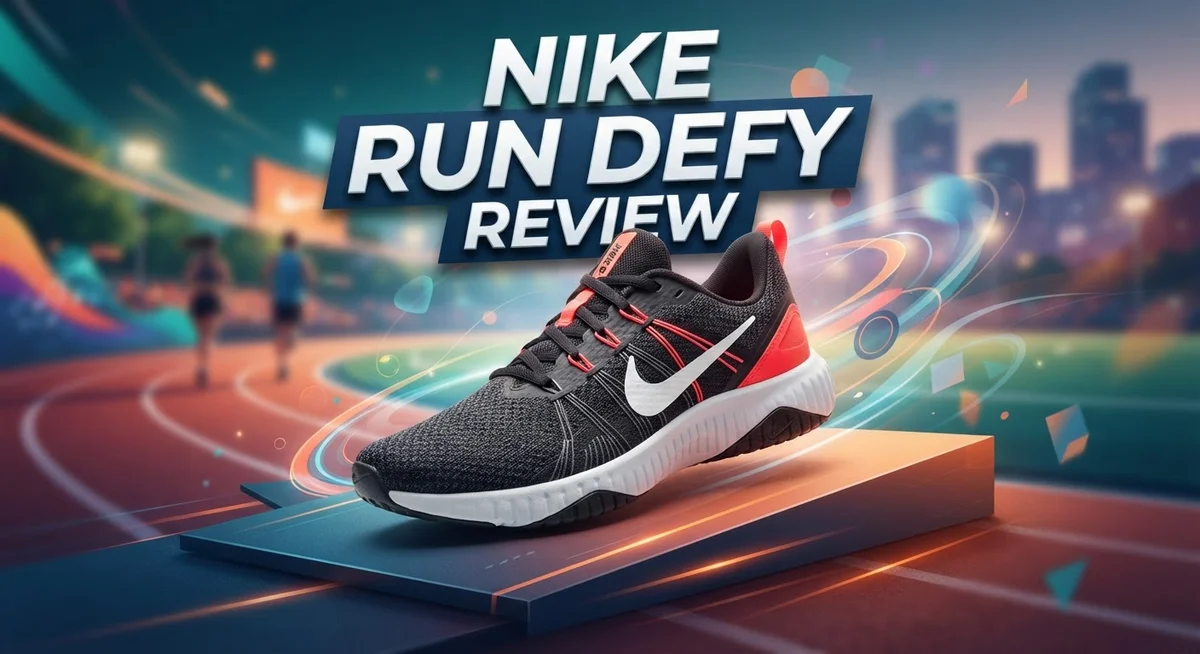
Nike Run Defy Review: Quality, Comfort & Stability for Runners
Looking for a new daily trainer? The Nike Run Defy might catch your eye. This shoe promises a light feel and steady ride for everyday miles.
It uses a mesh upper for breathability. A foam midsole and waffle outsole add grip and comfort. Flex grooves help the shoe bend naturally with each step.
Runners love its lateral stability. The broad heel and gusseted tongue keep your foot secure. A smart heel rocker also smooths out your landings.
But is it perfect for every runner? Not quite. Some users report thin cushioning and a rough break in period.
This review breaks down every detail. We will cover comfort, performance, and fit. By the end, you will know if the Nike Run Defy suits your running style.
In a Nutshell
Here’s the quick lowdown on the Nike Run Defy before you decide:
-
Heel rocker design smooths out your landing with each stride. This makes running feel more natural.
-
The gusseted tongue keeps your foot locked in place. You get a snug, secure fit every time.
-
Cushioning falls short. The stack height is low, so shock absorption suffers on longer runs.
-
Your forefoot lacks protection. Thin padding there means less comfort during high impact moments.
-
Expect a break-in period. Some runners feel discomfort during the first few wears.
-
Energy return is weak. This shoe won’t give you that extra spring for speed workouts.
-
Best suited for short to moderate runs. Long distance runners might want to look elsewhere.
-
If cushioning matters more to you, the Nike Downshifter could be a smarter pick.
This shoe shines in stability but stumbles in comfort for longer miles. Know your running needs first.
Build and Materials
The Nike Run Defy combines several materials to create a shoe that prioritizes stability over softness. Let’s break down what you’re actually getting.
Mesh upper construction forms the shoe’s foundation. This breathable fabric keeps your foot cool during runs. Air flows freely through the material, preventing heat buildup on warm days. The mesh feels light against your skin and adapts to your foot shape over time.
The gusseted tongue deserves special attention here. Unlike standard flat tongues, this design wraps around your foot’s sides. It prevents the tongue from sliding sideways during movement. Your foot stays locked in place, which matters most when you’re pushing hard or changing direction quickly.
Your midsole uses Nike’s foam technology. The foam sits lower than many competitors, giving you a firm platform underneath. This thin stack height brings you closer to the ground. You’ll feel more connected to the pavement with each step. However, this also means less cushioning absorbs impact shock.
Flex grooves cut into the sole strategically. These grooves allow your foot to bend naturally at the ball. Your forefoot moves freely without fighting the shoe’s structure. The grooves enhance flexibility but sacrifice some protective padding in the process.
The waffle outsole provides the ground contact point. This rubber pattern grips various surfaces effectively. Traction remains consistent on roads and light trails. The waffle design balances durability with lightweight performance.
One important note about materials: the thin forefoot section offers minimal protection. Hard surfaces transfer more impact directly to your feet. Extended runs can create discomfort here. The shoe’s overall lightweight construction comes at the cost of cushioning depth.
The broad heel section uses reinforced material for stability. This wider base prevents excessive foot roll during landing. The heel rocker smooths your transition from heel strike to toe push off. This curved design reduces strain on your Achilles tendon.
Overall, Nike selected materials that emphasize stability and breathability. The construction favors runners who want ground feel and lateral support. If you prefer maximum cushioning and protection, this shoe’s material choices won’t satisfy you. The build suits short runs and moderate distances best.

- Mesh on upper adds breathability.
- Foam midsole delivers a soft ride.

Last update on 2026-10-24 / Affiliate links / Images from Amazon Product Advertising API
Performance and Support
The Nike Run Defy delivers solid lateral support that keeps your foot stable during side-to-side movements. This shoe excels when you need a firm platform beneath you. The broad heel construction works with the gusseted tongue to lock your foot in place securely.
Your landing experience improves thanks to the heel rocker design. This curved feature smooths out each step, reducing jarring impact as your foot strikes the ground. Many runners appreciate how this technology makes transitions feel more natural.
However, support comes with trade-offs. The cushioning falls short for runners seeking plush comfort. The midsole uses Nike’s foam technology, but the stack height remains low. This means less material sits between your foot and the ground.
The forefoot area presents a real concern. Thin construction in this zone offers minimal impact protection during push-off phases. If you land hard or run long distances, you’ll feel the ground more than you might prefer. This design choice prioritizes lightweight feel over comfort.
The flex grooves cut strategically into the sole. These channels allow your foot to bend naturally during your stride. The waffle outsole grips the ground effectively, but it doesn’t absorb shock well.
Break-in discomfort affects many new wearers. Your feet need time to adjust to the firm platform. Some runners report soreness during the first few runs. Patience helps, but this isn’t ideal if you need immediate comfort.
Energy return ranks as another weak point. The foam doesn’t bounce back aggressively, so you won’t feel propelled forward with each step. You generate your own momentum instead of getting help from the shoe.
Best use case The Nike Run Defy works well for short jogs and moderate distance runs. Daily training on smooth surfaces suits this shoe perfectly. Runners prioritizing stability over cushioning will appreciate the firm feel.
For longer distances or high-impact activities, this shoe struggles. The lack of cushioning and weak energy return make extended runs tiring. If you need more protection, look elsewhere.
Comfort and Fit
The Nike Run Defy prioritizes stability over plush comfort, which shapes how this shoe feels on your feet. The fit experience divides into two distinct phases: initial wear and after the break-in period.
When you first slip on the Defy, you’ll notice the gusseted tongue hugs your midfoot securely. This design prevents your foot from sliding forward during runs. The broad heel section wraps around your ankle with confidence. Many runners appreciate how locked-in their foot feels from the start.
However, the break-in period brings real discomfort for some wearers. Your heel and midfoot need time to adjust to the firm platform. The shoe doesn’t coddle your foot with soft padding. Instead, it uses a minimal approach that takes adjustment time.
The fit remains consistent once you push through those initial runs. The mesh upper breathes well and moves with your foot. The flex grooves allow natural bending without restricting your movement. Your forefoot experiences less cushioning than many modern trainers, which some runners find jarring.
Width compatibility works well for most foot types. The shoe doesn’t feel cramped or overly loose. The gusseted tongue keeps your foot centered, preventing side-to-side slipping that causes blisters.
One critical fit consideration: this shoe feels snug in the midfoot and heel but minimal in the forefoot. Your toes get less protection from impact forces. Runners with sensitive forefoot areas may struggle with comfort on longer routes.
The heel rocker design affects fit positively. Your heel lands smoothly, and the curved design guides your foot forward naturally. This feature reduces the jarring sensation you’d experience in a flat shoe.
Overall fit verdict: The Defy suits runners who value stability and don’t mind a firmer feel. If you prefer maximum cushioning and immediate comfort, this shoe requires patience. The fit improves dramatically after the break-in phase, but that adjustment period matters. Your foot shape, running distance, and comfort preferences all influence whether this fit works for you.
Top 3 Alternatives
Adidas Ultraboost Running

- LIGHTWEIGHT CUSHIONING FOR PEAK PERFORMANCE: Break through your personal records with adidas' most...
- MAINTAIN STABLE FOOTING: Strategically positioned Torsion technology bridges heel and forefoot...
Last update on 2026-10-24 / Affiliate links / Images from Amazon Product Advertising API
The Adidas Ultraboost Running shoe offers excellent cushioning for long-distance runners. The Boost technology provides responsive energy return with every step. Your feet get support on uneven surfaces. The knit upper adapts to your foot shape naturally. Many runners appreciate how light these shoes feel during training sessions.
New Balance Fresh Foam

- FRESH FOAM X CUSHIONING - Our most cushioned Fresh Foam experience delivers incredible, premium...
- STABILITY PLANE TECHNOLOGY - Innovative Stability Plane provides reliable performance and stability...
Last update on 2026-10-24 / Affiliate links / Images from Amazon Product Advertising API
New Balance Fresh Foam shoes deliver comfort from mile one. The Fresh Foam midsole absorbs impact effectively. Your legs experience less fatigue during extended runs. The shoe provides stability without feeling heavy or restrictive. Runners with wider feet often prefer this brand. The design works well for both track workouts and casual jogging.
ASICS Gel Nimbus

- Engineered jacquard mesh upper: Wraps the foot with a soft feel
- At least 75% of the shoe's main upper material is made with recycled content to reduce waste and...
Last update on 2026-10-24 / Affiliate links / Images from Amazon Product Advertising API
ASICS Gel Nimbus shoes feature advanced gel cushioning technology. The gel absorbs shock in the heel and forefoot areas. Your joints stay protected during high-impact activities. The shoe maintains its structure after months of regular use. The breathable mesh keeps your feet cool and dry. Runners who prioritize comfort over minimal weight find this shoe ideal.
Each option serves different running styles and preferences. Adidas focuses on energy return and responsiveness. New Balance emphasizes overall comfort and accessibility. ASICS prioritizes impact protection and durability. Test each shoe during a short run if possible. Your personal preference matters more than brand reputation. Consider your foot type, running distance, and preferred feel when choosing between these three alternatives.
Suitable Running Activities
The Nike Run Defy shines in specific running scenarios where its stability focus becomes an asset rather than a limitation.
Short distance runs represent the shoe’s sweet spot. Distances under 5 kilometers feel comfortable in the Defy. Your feet experience solid lateral support without excessive cushioning demands. The firm platform keeps your foot locked in place during quick movements. This makes the shoe ideal for daily commute jogs or brief training sessions.
Moderate distance running also works well with the Defy. Runs between 5 and 10 kilometers feel manageable for most runners. The heel rocker smooths your landing rhythm across multiple miles. Your foot stays secure thanks to the broad heel and gusseted tongue design. The lightweight construction prevents fatigue from shoe weight accumulation.
Where the Defy struggles is long distance running. Marathon training or half marathon prep exposes the shoe’s weaknesses. The thin forefoot section fails to protect your toes during extended impact. Low stack height means minimal shock absorption over many miles. Energy return remains weak, so your legs work harder to propel forward. Runners tackling 13+ kilometers should consider alternatives.
Track workouts and speed training suit the Defy reasonably well. The firm platform provides responsive ground contact for tempo runs. Flex grooves allow natural foot motion during faster paces. However, the break in period discomfort can interfere with early training sessions.
Trail running and uneven terrain don’t match the Defy’s design. The waffle outsole works on roads and tracks but lacks aggressive tread for dirt paths. Lateral movements on unstable ground strain the shoe’s support system.
Casual walking and gym use represent alternative applications. Some runners wear the Defy for cross training or strength sessions. The breathable mesh upper keeps feet cool during varied activities.
The Nike Run Defy works best for runners who run shorter distances and prioritize stability over cushioning comfort. Your training schedule matters more than the shoe’s features. If your weekly mileage stays moderate and your routes stay predictable, the Defy delivers reliable performance. Choose this shoe when you value firm support and don’t demand plush padding underfoot.
Durability and Longevity
The Nike Run Defy builds durability through its waffle outsole construction. This rubber design resists wear patterns common in daily trainers. The waffle pattern grips surfaces while distributing impact forces across multiple contact points.
Mesh upper materials show good resistance to typical running stress. The gusseted tongue stays secure without tearing easily. Seams appear reinforced in high tension areas like the heel counter. You won’t see premature separation issues during normal use.
The midsole foam holds up reasonably well for short to moderate distance running. Density levels remain stable through extended wear cycles. The flex grooves cut into the sole intentionally, so they don’t represent structural weakness. Instead, they’re designed features that bend predictably without cracking.
Real durability concerns emerge with the thin forefoot cushioning. This area compresses faster than thicker midsole designs. Runners logging 300+ miles may notice noticeable softness loss in the forefoot zone. The low stack height means less material exists to compress before you feel ground contact.
Break-in periods actually test durability in unexpected ways. Some wearers report that initial discomfort relates to materials settling into foot shape. Once broken in, the shoe maintains its form well. The firm platform doesn’t collapse or develop soft spots prematurely.
Longevity depends heavily on your running style and distances. Short jogs put minimal stress on the Defy’s structure. The shoe easily survives 200 to 300 miles under these conditions. Moderate distance runners (5 to 10 miles per session) see similar durability profiles.
High mileage runners face different outcomes. The weak forefoot protection means impact damage accumulates faster. Long distance training sessions accelerate wear in this vulnerable area. You’ll replace the Defy sooner if you run marathons regularly.
Lateral stability features actually enhance durability. The firm platform resists excessive twisting that damages shoe internals. Your foot stays centered, reducing stress on seams and materials. This stability benefit extends overall shoe lifespan for runners who appreciate the support.
The waffle outsole outlasts many competitor designs in this category. Rubber composition resists tearing and maintains grip patterns. You’ll see visible wear before the outsole becomes unsafe.
Pros and Cons
Pros
- Lateral stability stands out with a firm platform that keeps your foot secure side to side
- Lightweight design makes these shoes feel responsive and quick on your feet
- Breathable mesh upper keeps your foot cool during runs
- Heel rocker smooths your landing and transitions your stride forward naturally
- Broad heel with gusseted tongue locks your midfoot in place
Cons
- Cushioning feels minimal with low stack height that offers limited shock absorption
- Thin forefoot lacks impact protection, making longer runs uncomfortable
- Break in period brings real discomfort that some runners find frustrating
- Energy return feels weak compared to other trainers in this category
Who Should Buy It
The Nike Run Defy works best for specific runner types. Runners who prioritize stability over cushioning comfort find this shoe delivers what they need. If your feet shift side to side during runs, the firm platform and broad heel keep everything locked in place.
Casual joggers and beginners get good value from this shoe’s straightforward design. You don’t need advanced cushioning for short jogs around your neighborhood. The lightweight feel makes these shoes easy to move in without feeling heavy on your feet.
Runners dealing with lateral foot motion should consider the Defy seriously. The gusseted tongue and firm midsole prevent your foot from rolling inward or outward. This stability feature helps many runners avoid discomfort during their runs.
Speed and tempo runners appreciate the responsive, lightweight construction. If you do track workouts or interval training, the Defy’s quick feel works in your favor. The heel rocker smooths your transitions and keeps your pace moving forward naturally.
You should skip this shoe if you run long distances regularly. The thin forefoot cushioning and low stack height create problems on extended mileage. Your feet will feel the impact more than you’d like during longer efforts.
Trail runners and those tackling uneven terrain should look elsewhere. The waffle outsole works fine on roads, but it doesn’t handle rocky or muddy surfaces well. The shoe’s design focuses on road running stability, not off road performance.
Runners seeking maximum cushioning comfort won’t find it here. The minimal padding approach means your feet feel ground contact directly. If you prefer soft, plush shoes, the Defy will feel firm and unforgiving.
Gym users and casual walkers can wear these shoes without issues. The breathable mesh keeps your foot cool during cross training sessions. The stable platform prevents foot fatigue during strength training or walking around town.
Consider the Defy if you run shorter distances, value stability, and want a lightweight shoe. Avoid it if you need cushioning, run long distances, or prefer softer landings. Your running style and distance preferences determine whether this shoe fits your needs.
Final Verdict
The Nike Run Defy earns its place for a specific kind of runner. It shines when you need quick, short runs with solid side to side support.
This shoe won’t win awards for cushioning. But that’s not really its job.
Think of the Defy as a tool for a specific task. It handles daily jogs and gym sessions well. It struggles when you push it beyond its limits.
Your feet will thank you on easy days. They might complain on tough, long runs.
The verdict comes down to matching the shoe to your needs. Runners who value stability over plush comfort will find a lot to like here. Those chasing marathon miles should look elsewhere.
We think this shoe fits best as a secondary trainer rather than your only pair. Pair it with a more cushioned shoe for longer efforts. Use the Defy for speed work, short runs, or everyday wear.
Beginners often overlook stability features. This shoe puts that feature front and center, making it a smart pick for new runners building good habits.
Experienced runners already know their needs well. They can decide quickly if this shoe fits their rotation.
The build quality feels solid for its intended use. It won’t fall apart after a few weeks of casual wear.
Comfort seekers might feel disappointed at first. Give the shoe a fair trial period before deciding.
Nike built the Defy with clear priorities. Stability and lightweight design come first. Deep cushioning comes last.
That tradeoff works well for many runners. It won’t work for everyone.
Our final take: this shoe rewards runners who know exactly what they want. It punishes those expecting an all around performer.
Match your running style to this shoe’s strengths. You’ll find real value in what it offers. Ignore that match, and frustration follows quickly.
Choose wisely based on your typical runs. The Defy performs best when used as designed, not stretched beyond its purpose.
Frequently Asked Questions
Is the Nike Run Defy good for marathon training?
No. This shoe lacks the cushioning you need for long-distance running. The low stack height and thin forefoot won’t protect your feet during extended mileage. Save this shoe for shorter routes instead.
Can I use the Nike Run Defy for everyday walking?
Yes, absolutely. Gym users and casual walkers wear these shoes without problems. The stable platform and breathable mesh keep your feet comfortable for daily activities. Just know it’s not designed for heavy cushioning.
How does the Nike Run Defy compare to the Nike Downshifter?
The Downshifter offers more cushioning and impact protection. Runners often recommend the Downshifter as a better choice for those seeking comfort on longer runs. The Defy wins on lightweight construction and lateral stability instead.
What type of runner should buy the Nike Run Defy?
Speed and tempo runners appreciate this shoe’s responsive feel. Casual joggers and beginners get solid value from its straightforward design. The Defy works best if you run shorter distances and value stability over cushioning. Avoid it if you tackle long runs, trails, or uneven terrain regularly.
Does the Nike Run Defy have a break-in period?
Yes. Some runners report discomfort during the initial wear phase. Your feet need time to adjust to the firm platform and minimal cushioning. Once broken in, the shoe settles into a secure fit with its gusseted tongue locking your midfoot in place.


