Dr. Scholl’s Graduated Compression Socks Review: Do They Really Relieve Tired Legs?
Tired feet can ruin a good day. Swollen ankles and achy legs make every step feel heavy. Dr. Scholl’s Graduated Compression Socks aim to fix that problem.
These socks use graduated compression. They squeeze tightest at the ankle and ease up as they climb the leg.
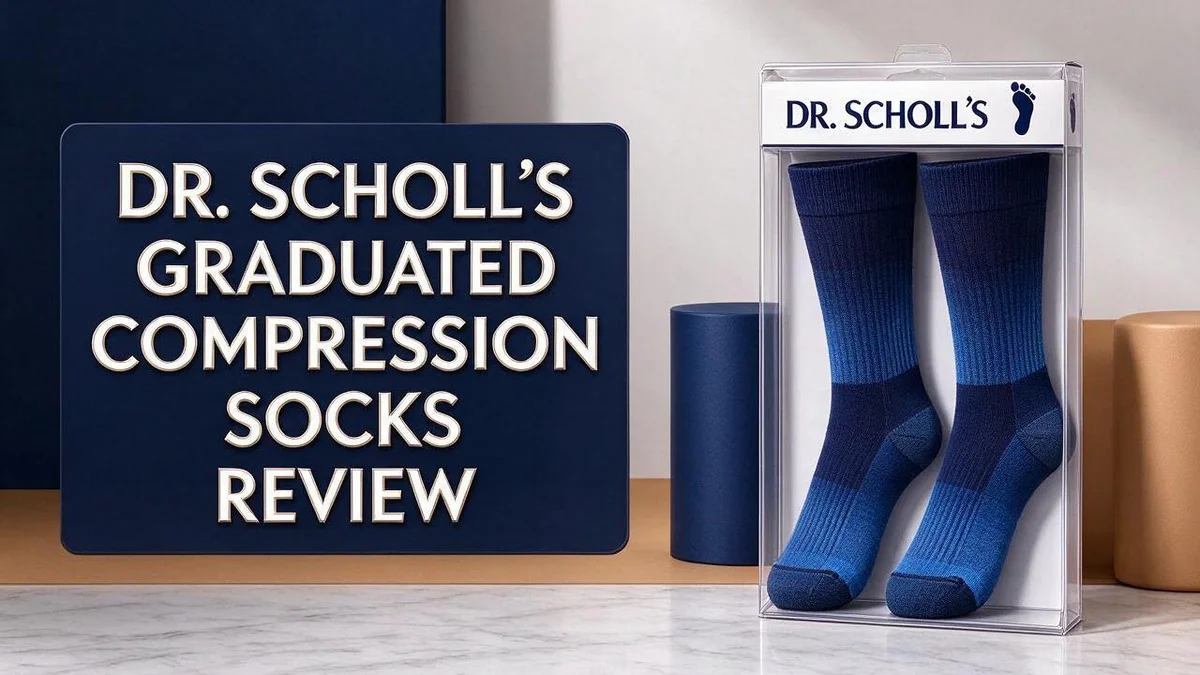
The brand offers a light compression knee high style for women. It also makes an over the calf microfiber cotton sock for men with 15 to 20 mmHg of support.
Many wearers like the lightweight, breathable feel. One Reddit user did mention pressure at the top of a knee high sock.
This review covers the key features, pros, cons, and top competitors. You will know if these socks fit your daily routine.
In a Nutshell
-
Men’s option: The over calf style uses microfiber cotton. It delivers 15 to 20 mmHg of compression for steady, mild support.
-
Everyday relief: The gentle squeeze helps with swollen, achy feet and legs. These socks suit long days on your feet.
-
Lasting support: Durable yarns give you reliable everyday support. The fabric keeps its shape through regular wear.
-
Bamboo viscose pack: A light compression bamboo viscose version comes in three pair packs. You get extra pairs for the whole week.
-
One drawback: A Reddit user felt noticeable pressure at the top of a knee high sock. Check the fit before you wear them all day.
-
Top rivals: Melanie King Hollow Socks use breathable alpaca wool that does not itch. Vim & Vigr offers moisture wicking nylon with adjustable compression. Dr. Motion is another option to compare.
Compression Level and Graduated Design
Compression level decides how the sock feels all day. Too little pressure does nothing special. Too much can feel uncomfortable during long shifts.
The graduated design works like a gentle ladder. Pressure starts strongest at the ankle. It fades as the sock moves up the leg. This pattern helps move blood back up to the heart.
The men’s microfiber model sits around 15 to 20 mmHg. That range counts as mild compression for daily wear. Many people use it for standing jobs or long travel days.
Mild pressure suits most people with everyday leg fatigue. It rarely feels like a medical garment. Still, people with heart or circulation conditions should speak with a doctor first.
Think about where you spend your time. A desk worker may need less pressure than a nurse on her feet. Pick a level that matches your daily routine.
The top band stays looser than the ankle band. This helps the sock stay in place without digging into the skin. Fit still matters most. A sock that slides down loses its gradient entirely.
Measure your calf and ankle before you choose a size. Compare your numbers with the brand size chart. A good fit keeps the pressure where the sock intends it to go.
Many people notice swelling later in the day. Compression can ease that heavy feeling after hours on your feet. Wear them on flights too, since sitting for long periods can make legs feel heavy.
Overall, the level and design work together. The gradient gives structure. The mild strength gives relief without strain. Choose a level that feels supportive, not restrictive.

- TRUSTED DR. SCHOLL’S COMFORT & APMA ACCEPTED: Built on more than a century of expertise, Dr...
- SOOTHING & REVITALIZING: Experience targeted support with 8–15 mmHg mild graduated compression...

Last update on 2026-10-24 / Affiliate links / Images from Amazon Product Advertising API
Material and Fabric Quality
Fabric plays a big role in how a sock feels after a long day. The yarn touches your skin for hours, so the material matters a lot. Good fabric keeps the sock soft and steady on the leg.
Fiber blends change the feel. Each fiber brings its own strengths. Cotton feels natural and soft. Synthetic fibers hold their shape and resist stretching out. A blend often gives you the best of both worlds.
Stretch recovery keeps the fit steady. A sock should snap back after you pull it on and take it off. If the fabric loses its shape, the pressure changes.
Fabric that bounces back helps the sock feel the same at noon and at night.
Smooth knitting prevents irritation. Tight, even knits lie flat against the skin. Loose loops or rough seams can rub the heel and toes. Check the toe seam before you wear a new pair for the first time.
Moisture control matters during warm months. Sweaty feet can make any sock feel damp and heavy. Fabrics that pull sweat away from the skin help you stay dry and comfortable. Your feet will thank you on busy days.
Washing habits affect fabric life. Hot water and high heat can weaken elastic fibers over time. Wash inside out on a gentle cycle and air dry when you can. This simple routine helps the socks keep their texture for many months.
Pilling appears when fibers rub together. Pills make the surface look worn and can feel scratchy. A tight knit and a clean wash cycle reduce pilling.
Quality fabric makes daily wear easier. Look for a soft feel, even knit, and steady stretch. These signs show a sock built to last.
Fit, Sizing and Sock Height
Sock height changes how the fit feels from start to finish. A knee high sock stops just below the knee. It suits skirts, dresses, and short pants.
An over calf sock covers the widest part of the calf. It works well with trousers and boots.
Check the heel pocket first. The heel of the sock should sit right over your own heel.
If the heel slides up or down, the sock is too long. Pull the sock up and feel for bunching under the arch.
Toe room matters too. Your toes should rest with a little space at the end.
Cramped toes can lead to discomfort, so wiggle them after you put the sock on.
Try a sit test before you commit. Sit down with your legs bent for a few minutes.
Stand back up and check for red marks or tingling. Those signs mean the fit may be too snug.
Shoe size can guide your first guess. Many charts pair shoe size with calf width, so compare both numbers.
Some brands run small, so read the size chart closely before you order.
Think about long sitting days. A knee high sock may ride lower on the leg than you expect when you sit.
An over calf sock stays in place better under trousers and boots.
Rolling down is a common problem. Smooth the top edge after each wear and avoid folding the cuff tightly.
Fit changes over time too. Check the sock every few weeks for stretched areas at the heel and toe.
A worn out heel can shift position and cause rubbing, so replace stretched pairs early.
Keep a simple fit log. Note the size and height that felt right for each pair. This helps you choose again with confidence.
Top 3 Alternatives
Physix Gear Sport

- Experience Superior Comfort: Our calcetines de compresion provide unparalleled support for all-day...
- Unleash Your Full Potential: Whether for sports or work, these sock compression socks are designed...
Last update on 2026-10-24 / Affiliate links / Images from Amazon Product Advertising API
Looking for socks that help during workouts? Physix Gear Sport is a strong choice.
It uses graduated compression that feels firmest at the ankle and eases off up the calf. Many runners and gym lovers like the snug fit. The breathable knit pulls sweat away from the skin. Your feet stay drier on long training days.
Sigvaris Performance

- SIGVARIS Men’s and Women’s Performance Running Calf Sleeves are perfect for all your endurance...
- PEAK YOUR PERFORMANCE: Extra-wide comfort top band keeps sleeve comfortably in place, less aching...
Last update on 2026-10-24 / Affiliate links / Images from Amazon Product Advertising API
Some people need firmer support for long hours on their feet. Sigvaris Performance socks come from a brand known for compression wear.
They offer several pressure levels, so you can pick what feels right. The fit is carefully measured to help the socks stay in place. Check the size chart before you order. A correct fit makes the biggest difference.
Comrad Compression Socks

- All-Day Support: With 15-20 mmHg of True Graduated Compression, Comrad Nylon Knee-High Compression...
- Size: These unisex socks in size Large fit a Women’s shoe size 11+ and a Men’s 10.5-12.5, with a...
Last update on 2026-10-24 / Affiliate links / Images from Amazon Product Advertising API
Want a simple pair for everyday wear? Comrad Compression Socks offer a comfortable, lightweight feel.
They work well for travel, standing jobs, and daily errands. The soft fabric suits people with sensitive skin. Many shoppers say the sizing is easy to follow. Wear them for a few hours first to see how they feel.
Comfort and All-Day Wearability
Real comfort shows up after hours of wear. Think about your daily routine first.
A nurse on her feet for twelve hours needs a different feel than an office worker at a desk.
Travel days offer their own test. Long flights and car rides can leave legs feeling heavy.
Many people pull on a pair before they leave home. They want the sock to feel steady from the airport to the hotel.
Watch the top band during the day. One reviewer felt noticeable pressure at the top of a knee high sock.
That pressure can grow after hours of sitting. If you feel a tight ring, try a different sock height.
Stand up and walk for a few minutes every hour. Movement keeps the fabric sitting evenly on your legs.
Evening relief matters too. Many people want socks that feel light by dinner time.
A breathable pair keeps legs cool indoors. A heavier pair can feel warm after a long day.
Layering also changes comfort. Thin socks under dress pants can make the fit feel tight.
Pick a pair that sits smoothly under your clothes. Test your outfit at home before you leave the house.
Night routines help too. Take the socks off before bed and let your skin breathe.
Stretching your toes and ankles during the evening can also ease heaviness.
Doing these small steps each day keeps the socks feeling fresh.
Consistent wear builds a comfort habit. Many people find their legs feel lighter when they stick with a routine that works.
Listen to your body. If comfort fades early, your size or height may need adjusting.
Durability and Care
Durable socks need steady care. Good compression socks can last for months when you treat them well. Dr. Scholl’s models use durable yarns, but the elastic still needs attention.
Check the elastic every few weeks. Run your fingers along the top band and look for loose spots. If the band feels flat or wavy, the sock has lost its grip.
Rotate your pairs for longer life. Wearing the same pair every day wears out the fibers faster. Keep two or three pairs and switch them out. Each pair gets time to rest and recover its shape.
Watch the heel and toe closely. Thin spots often appear first at these areas. A small hole can spread quickly during wear. Replace the sock before it tears.
Dry them flat for best results. Machine dryers can shrink and stress the elastic. Lay the socks on a towel and let them air dry. Keep them away from direct heat sources.
Trim your toenails short. Long nails can snag the knit and cause small runs. A quick trim protects the sock and keeps your toes comfortable.
Store them with care. Avoid folding the top band tightly in a drawer. Roll the socks gently or lay them flat. This habit protects the shape of the knit.
Care tips differ by fabric. Bamboo viscose feels soft but needs gentle handling. Microfiber cotton men’s models handle regular wear well. Read the label on each style before you wash.
Know when to retire a pair. Most people notice fit changes before anything looks wrong. The socks may feel loose by afternoon or slide down the leg. That change signals it is time for a new pair.
Value for Money and Pack Options
Dr. Scholl’s offers pack options that suit different needs. The bamboo viscose light compression version comes in 3 pair packs. This format lets you test one style before you commit to a full set.
Think about how many pairs you need each week. A single pair works well for occasional travel. A full pack fits people who wear compression socks every day.
Style matters as much as count. The knee high women’s model offers light compression. The men’s over calf microfiber design sits at 15 to 20 mmHg, so it suits a firmer feel.
A lighter fabric can feel easier to layer under trousers. Bamboo blends also suit warm days indoors. Mixing two styles can cover both office days and weekend walks.
Look at the mesh design too. The men’s work model uses a lightweight, breathable mesh. That feature helps during long shifts when heat builds up.
Compare the lineup with other brands. Melanie King offers breathable alpaca wool socks. Vim & Vigr uses moisture wicking nylon with adjustable compression. Each brand gives you a different way to build your collection.
Choose the pack that matches your routine. Start small if you are unsure. Expand to a larger set once you know how your legs respond.
Durable yarns help each pair hold its shape over time. A larger pack can spread out wear across more days. A smaller pack works better for short trips or occasional use. Gift buyers can also choose a pack for a loved one who needs daily support.
Pros and Cons
Pros
- Graduated pressure is tightest at the ankle and eases up the leg.
- Mild compression helps relieve swollen, achy feet and legs.
- A men’s work model uses lightweight, breathable mesh.
- You can choose knee-high or over-calf styles for different needs.
- Several shoppers rate the lineup highly on Walmart.
Cons
- Some users feel pressure at the top band of knee-high socks.
- The compression level may feel too light for serious swelling.
- Some shoppers may want a softer natural fiber like alpaca wool.
- Sizing can take extra time, since fit varies across styles.
Who Should Buy It
Dr. Scholl’s graduated compression socks suit a few clear groups of people. Anyone who stands or sits for long hours often finds them a helpful daily companion.
Nurses, retail staff, and teachers spend long shifts on their feet. The gentle support can help them feel less worn out by the end of the day.
Travelers also make good candidates. Long flights and road trips can leave legs feeling heavy, and a light pair can ease that feeling during the trip. Pack a pair in your carry on bag so you have them ready.
People who want everyday comfort are another strong fit. The mild pressure works best for tired legs and minor aches.
It does not replace advice from a doctor for serious swelling or circulation problems.
Men who work on their feet may prefer the over calf style. Those who like a cooler feel in warm rooms may enjoy the lighter knit options.
Women who want a simple knee high sock for office wear may find the women’s line a good match.
Some shoppers should look elsewhere. People who want a very soft natural fiber might prefer a wool blend instead. Those with strong compression needs should speak with a healthcare provider before buying any new pair.
Before you decide, think about your daily routine. Ask yourself how many hours you spend on your feet, and whether you need support at work, at home, or during travel. Your answers will show whether these socks fit your life.
A short trial with one pair can show how the fit feels over a full day. Pay attention to comfort by evening, since legs often feel their worst late in the day.
If the fit feels right, a larger pack may make sense for your routine.
Final Verdict
Dr. Scholl’s Graduated Compression Socks earn a solid recommendation from me. They give gentle, steady support without feeling like a medical device.
I would rate them about 4 out of 5 stars. The lineup does its main job well. It keeps tired legs feeling fresher after a busy day.
The men’s model sits at 15 to 20 mmHg. That level is a sweet spot for first time compression buyers. It feels firm, yet it stays easy to wear.
Choose these socks if you want a simple, reliable daily option. They suit people who value comfort over clinical strength. They also fit easily into a normal wardrobe.
Look at other options if you need something different. Vim & Vigr offers adjustable compression and moisture wicking nylon. Dr. Motion is another name worth a quick look.
Pair your socks with a few good habits. Put them on early in the morning, before swelling builds. Take short walks and stretch your calves during long stretches of sitting.
Rotate your pairs so each one rests between wears. Wash them in cool water and let them air dry. This routine helps the elastic keep its gentle squeeze.
Here is the bottom line. Dr. Scholl’s gives you dependable comfort from a brand people already know. The fit may need a small adjustment. Most wearers will still enjoy lighter, happier legs by the end of the day.
Frequently Asked Questions
How should I wash my compression socks?
Wash them in cool water on a gentle cycle. Avoid hot water and fabric softener, since both can weaken the elastic. Hang them to dry or lay them flat.
Do they suit a desk job?
Yes, they can work well for long hours at a desk. Sitting still for long periods can make legs feel heavy, and gentle pressure may help. Choose a neutral color so they match office clothes.
Can I wear them after a workout?
Some people wear them after exercise to ease leg tiredness. Light compression may feel comforting during recovery. Stretching and drinking water also support tired muscles.
How long can I wear them each day?
Most people wear them during waking hours. Take them off at night unless a doctor gives other advice. Giving your legs a break after a long day helps them feel fresh.
Should I remove them before bed?
Most people take them off before sleeping. Sleeping in them offers little extra benefit for most wearers. If you have a specific leg concern, ask a doctor for guidance.