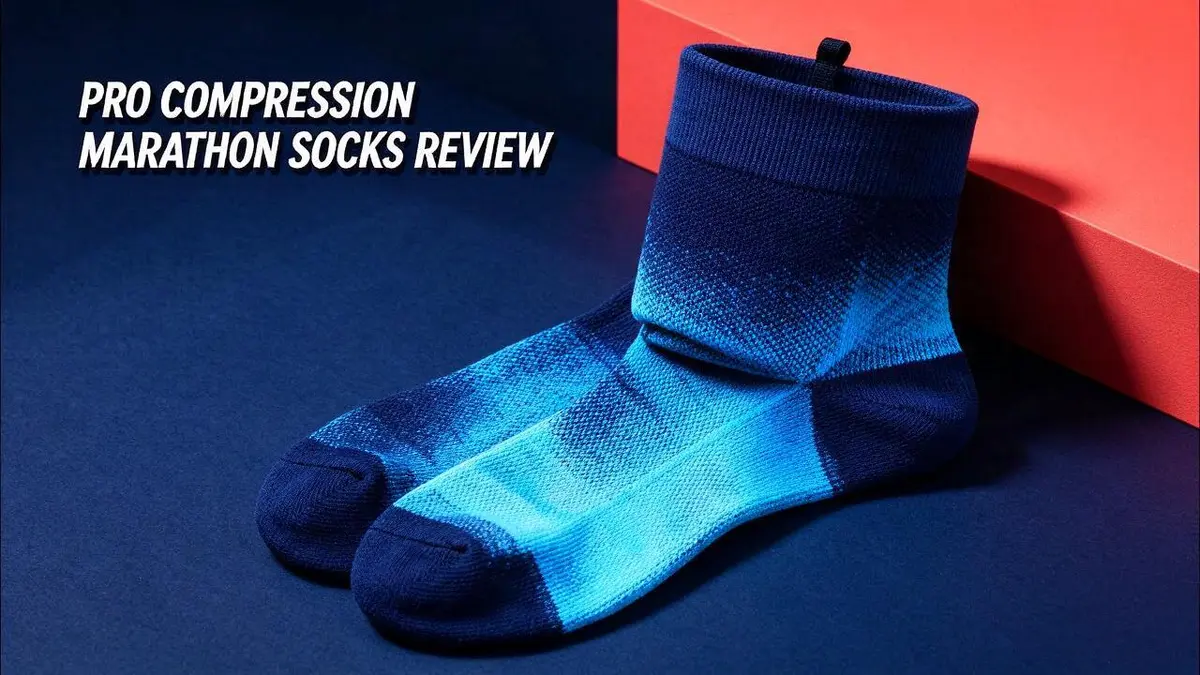
PRO Compression Marathon Socks Review: Fit, Support and Recovery Tested
Sore legs can ruin a good run. Tired calves and heavy feet often slow you down before the finish line.
PRO Compression Marathon Socks aim to fix that. These knee length socks use graduated compression to support circulation and help your legs recover.
Runners say the socks feel snug without being restrictive. They report steady support over long distances and less soreness afterward.
The socks are light and easy to pull on. They stretch well and come in black and Neptune.
One triathlete reviewer says the sizing runs large. Keep that in mind before you choose your size.
This review covers fit, comfort, and performance. You will also see how these socks compare with other options.
In a Nutshell
-
Graduated compression squeezes more at the ankle and less near the knee. Brands market this design to support circulation and speed up recovery.
-
Full calf coverage comes from the knee length cut. The fabric stretches well, so it moves with your stride.
-
Runners report steady support over long distances. Several also mention less soreness after hard efforts.
-
The socks come in black, and listings also show a Neptune color option. Pick the one that suits your running kit.
-
One listing mentions 15 to 20 mmHg and a moisture wicking nylon blend. That detail is unverified for this exact model, so check the product page before you buy.
-
Best for: marathon runners, triathletes, and anyone who wants a calf focused recovery boost. Other options include PRO Compression Texas Star, VIM & VIGR socks, and calf sleeves.
Compression Level and Fabric Quality
Compression level shapes how a sock feels after a long run. Mild pressure often suits daily training and easy recovery days.
Many runners test new socks on short runs first. This helps them spot any tight spots before race day.
Fabric plays a big role too. A stretchy knit moves with the leg, so the sock does not bunch or slide during a long stride.
Runners also mention less soreness the morning after. Gentle pressure may help muscles feel fresher, though results vary from person to person.
Breathability matters in warm weather. Thin, flexible material lets heat escape, which keeps the legs from feeling damp and hot mile after mile.
Look for a sock that feels firm but never painful. The pressure should feel like a steady hug, not a pinch behind the knee or around the calf.
Those who want stronger support may find these socks a good starting point. Anyone with circulation concerns should speak with a doctor before choosing compression.
Recovery days call for comfort above all. Wearing the socks while sitting at a desk or walking around town can extend the benefit without extra effort.
Many people wear compression during long flights or drives. They often feel less heavy in the legs after sitting for hours.
Give the socks a few wears before you judge them. Many wearers say the fit feels more natural after a few uses.
Overall, the fabric and pressure work well together for most endurance athletes. The blend of gentle support and flexible material makes these socks a practical choice for training blocks and race weeks.

- GRADUATED COMPRESSION DESIGN: True graduated compression rated at 20-30mmHg delivers targeted...
- PROUDLY MADE IN THE USA: Every PRO Compression Marathon sock is designed and manufactured in the USA...
Last update on 2026-10-24 / Affiliate links / Images from Amazon Product Advertising API
Fit and Sizing
A good fit makes or breaks compression socks. Even pressure feels helpful, but a loose or bunched sock can slide down during a long run. Taking a few minutes to check sizing can save a lot of frustration later.
Measure before you choose a size. Wrap a flexible tape around the widest part of your calf. Then measure the narrowest part of your ankle. Compare both numbers with the brand size chart, since the chart matters more than your usual sock size.
Think about the size range. Reviewers note that a size small often fits the S/M range, while a size large fits L/XL. Shoppers should not assume their regular size will match.
If your calf measurement falls between two sizes, many people find the larger option more comfortable for long runs.
Check the length too. Taller runners often need extra length in the leg. The top band should sit just below the knee without rolling or digging in. The heel pocket should line up with your heel, not sit above or below it.
Look for warning signs. After you put the socks on, stand and walk for a few minutes. Your toes should feel warm, not cold or numb. Tingling, color changes, or sharp pressure mean the sock is too tight. Remove it and try a larger size.
Keep your sizing notes. Write down the size that worked best for you. Save your calf and ankle numbers in your phone. A quick note in your running log works too. This simple habit makes future orders faster and helps you stay comfortable across different brands.
Comfort and Ease of Putting On
Putting on compression socks can feel like a workout on its own. This pair makes the process easier than many others. The fabric gives a little, so the leg slides in with less effort.
Try the roll method first. Turn the sock inside out down to the heel. Slip your foot into the opening.
Then roll the fabric up your leg slowly. This keeps the knit from twisting or bunching behind the knee.
Morning is often the best time to pull them on. Legs tend to hold less swelling early in the day, so the socks glide on more easily. Wear them before you lace up your shoes for a smoother start.
Many people also find the lighter weight helpful. The socks sit close to the skin without feeling heavy or stiff. You may forget you have them on during a quick errand.
Dry hands matter too. Lotion or sweat can make the nylon catch on rough skin.
Wash your hands and let them dry before you start. You can also wear thin cotton gloves for a better grip.
Keep your nails trimmed. Sharp edges can snag the material and cause small holes. A quick file takes less than a minute, so make it part of your routine.
Finally, sit down after you put them on. Smooth any wrinkles with your fingers from the ankle up. A flat, even sock feels far more comfortable during a long day.
Many runners also check comfort at the top band. The band should sit above the calf muscle without digging in. If it pinches, pause and adjust before you head out. Take a short walk around the room to test it.
Top 3 Alternatives
CEP Run Socks

- 20-30mmHg Targeted Compression for Peak Performance – Patented technology applies precise...
- Train Harder, Recover Faster – Targeted compression helps alleviate pain from common leg and foot...
Last update on 2026-10-24 / Affiliate links / Images from Amazon Product Advertising API
Runners who want a snug fit often look at CEP Run Socks. They offer graduated compression, which means the pressure is strongest at the ankle and eases up the calf. Many runners like the cushioned feel during long training days. They work well for daily miles and race prep. Since fit matters most, check the sizing chart before you buy.
Sockwell Elevate

- RECOMMENDED FOR: All day/everyday wear, flying and travel, prolonged sitting or standing, exercise...
- 4 ZONES OF FIRM (20-30 mmHg) GRADUATED COMPRESSION: helps to minimize swelling, reduce fatigue...
Last update on 2026-10-24 / Affiliate links / Images from Amazon Product Advertising API
Sockwell Elevate is a good pick for people who spend long hours on their feet or sitting at a desk. The design focuses on gentle compression that supports circulation. Many wearers say the socks feel light enough for warm weather. They also suit recovery days after a hard run. If you want a softer touch, this option may fit your needs.
Physix Gear Sport

- Experience Superior Comfort: Our calcetines de compresion provide unparalleled support for all-day...
- Unleash Your Full Potential: Whether for sports or work, these sock compression socks are designed...
Last update on 2026-10-24 / Affiliate links / Images from Amazon Product Advertising API
Physix Gear Sport works well for athletes who want steady support during high intensity workouts. The fabric wicks sweat, so your feet stay drier. This can help you stay comfortable mile after mile. Pick this pair if you want a firm feel that stays in place during movement.
Choose the pair that matches your daily routine. Compare fit, comfort, and compression level. Read a few reviews before you decide. Then you can pick the best sock for your next run or race.
Support and Recovery on Long Runs
Long runs ask a lot from your calves and shins. Many runners pull on compression socks to feel steady when fatigue sets in.
Support matters most after the halfway point. Muscles tire, and the lower legs can start to feel heavy. Graduated pressure may help the legs feel more supported during these later miles. Many runners notice this most in the last few miles.
Runners often describe a calmer, more settled feeling. Some say their legs feel less tight during the final stretch. Everyone responds a little differently, so pay attention to how your own legs feel on each run.
Hydration works alongside your socks. Drink water before, during, and after your run. Sip often rather than gulping a lot at once. Hot days can make swelling more noticeable, so plan your fluids carefully.
Recovery starts the moment you stop. Sit down, rest your feet, and let your legs cool slowly. Some runners like to raise their legs above heart level for a few minutes. Gentle stretching can also feel good at this point.
Keep the socks on for a short time after the run. Many people leave them on while they stretch or shower. Then remove them slowly and check your skin for marks or irritation.
Watch for warning signs. Numbness, tingling, or unusual color changes mean you should take the socks off right away. Talk to a doctor if discomfort lingers after your run.
Rotate your pairs across training weeks. Wash them with mild soap and let them air dry. Fresh fabric helps the support feel consistent over time, so keep a spare pair ready for your next long run.
Durability and Care
Good care helps your PRO Compression Marathon Socks last longer. Start by checking the care label. Most compression socks need gentle treatment to keep their stretch. Small habits make a big difference over many miles.
Wash them after every run. Sweat and salt can break down the fibers over time. Rinse them in cool water as soon as you can. Clean socks also feel better against your skin, which helps comfort.
Use a mild detergent and cool water. Avoid bleach and fabric softener. Softener can coat the fibers and reduce grip. Turn the socks inside out before washing to protect the outer surface.
Hand washing works well too. Gentle hand washing is kind to the fabric. Squeeze the water out instead of wringing.
Skip the dryer. Heat is the biggest enemy of elastic fabric. Lay the socks flat on a towel or hang them away from direct sunlight. They usually dry within a few hours.
Rotate two or three pairs each week. Resting each pair lets the elastic recover between runs. This simple habit can help them last longer. Pairs that get regular care often keep their shape through a full training season.
Store them in a cool, dry drawer. Keep them away from sharp objects, rough shoe laces, and pet claws. Small snags can spread into large holes.
Check them before every run. Hold each sock up to the light. Thin patches show up clearly this way. Catching wear early keeps your legs supported on race day.
Watch for signs of wear. Look for thin spots, loose areas at the top band, or fading color. If the socks feel less snug than before, it may be time for a new pair.
Colors and Style Options
Color is one of the first things runners notice. The PRO Compression Marathon Socks come in a classic black colorway. Black hides dirt and sweat well, so your legs look fresh mid race.
A second option, the Neptune variant, adds a fresh look. It keeps the same knee high shape while changing the shade. Pick the color that matches your kit or your mood.
Style matters too. Knee high socks create a clean line from the ankle to below the knee. Black pairs well with shorts, tights, and singlets in almost any color.
Think about your running crew. If your club wears bright kits, black socks let the top take center stage. Some runners prefer Neptune so their socks stand out in race photos.
Mixing colors can also work. Some runners wear black socks with a brightly colored top for contrast. Others match their socks to their shoes for a coordinated look. Either way, the socks blend with your gear.
Visibility is worth a thought too. Dark socks blend in during early or evening runs. Choose a shade you feel comfortable running in, especially near traffic.
Style is not the only factor. Many people also want options beyond running. Compression leggings, calf sleeves, and athleisure socks offer other looks for travel or rest days. The PRO Compression Texas Star from the same brand adds another choice.
A simple color also makes it easy to pair socks with new gear later.
Choose a color you enjoy wearing. You may wear these socks for many training miles. A shade that makes you smile can make early runs feel a little easier.
Pros and Cons
Pros
- The graduated design aims to support circulation and recovery.
- They are easy to pull on before a long run.
- They feel lighter than some other compression options.
- The fabric stretches well and feels snug without feeling tight.
- Many runners say they feel steady support over long distances.
Cons
- Sizing runs large, so you may need to size down.
- The exact compression numbers come from one listing and are not verified.
- Fit can vary, so measure your calves before you order.
Who Should Buy It
Marathon runners who log long weekly miles are the best fit. These socks suit people who want steady support during long training runs and race day. Race day adds extra stress on the legs, so support matters even more.
New runners building up to their first full marathon can also benefit. The gentle pressure may help them feel less tired in the calves after a hard session.
Trail runners and road racers often spend hours on their feet. A knee high sock keeps the lower legs covered and supported when the route gets long and hilly.
People with desk jobs or long shifts may also like them. Standing all day can leave legs feeling heavy, so these socks can help during busy days away from the course.
Travelers are another good group. Long flights and road trips keep legs still for hours. Graduated support may feel helpful during the journey, so pack a pair in your carry on bag.
Runners who value recovery routines will also appreciate these socks. They fit neatly into a plan that includes rest, stretching, and plenty of water after a run.
Who should think twice? People with circulation problems, skin conditions, or open wounds on the legs should speak with a doctor first. Compression is not right for everyone.
Shoppers who want a sock only for casual wear may prefer a lighter option. Athleisure styles or calf sleeves may suit everyday errands better than a full marathon sock.
Ask yourself a few simple questions. Do you run long distances often? Do you want support that lasts through the whole run? If yes, these socks deserve a close look.
Final Verdict
The PRO Compression Marathon Socks earn a confident recommendation for most distance runners. They deliver steady, graduated support in a package that feels light and simple to use.
Our research shows a clear pattern. Runners praise the comfort and the lasting support on long efforts.
The biggest strength is consistency. The socks keep the same snug feel from the first mile to the last. That makes them a reliable choice for race day and long training weeks.
The main drawback is sizing. Check the size guide before you order, and expect a roomier fit than usual.
One more caution: some details come from a single listing. Treat those numbers as a starting point, not a promise.
How to decide
Ask yourself three quick questions:
- Do I run long distances often?
- Do I want a lightweight sock with a snug, flexible feel?
- Am I comfortable checking my sizing first?
If you answer yes to all three, these socks fit your needs well.
Other options to compare
Runners who like a different style have choices. The PRO Compression Texas Star comes from the same brand. VIM & VIGR socks offer another graduated option.
Some people prefer open toe socks or calf sleeves. Compression leggings suit those who want coverage for the whole leg.
Our final take
These socks are a smart pick for marathoners and long distance fans. Test them on a short run first, then wear them for your big miles.
Bottom line: the PRO Compression Marathon Socks are a dependable, comfortable addition to any runner’s kit.
Frequently Asked Questions
Does the fabric handle sweat on long runs?
The listing says the socks use nylon that pulls moisture away from the skin. This detail comes from one source, so it is not fully verified. Still, many runners like a fabric that keeps their legs dry. Dry skin can feel more comfortable when you run for hours.
Which colors can I choose?
The main option is black, which hides dirt and matches most running outfits. The research also mentions a Neptune variant. Pick the color that suits your style and your gear.
Can I wear them after a race?
Yes, many people wear compression socks during recovery. Put them on right after you finish and keep your legs up for a while. This simple habit may help your legs feel calmer as you cool down.
How should I care for them?
Check the care label before your first wash. Rinse them after each use to remove sweat and salt. Air dry them away from direct heat, because heat can weaken the stretch over time.